Diospyros Kaki ‘Jiro’ (Japanese Persimmon)
Diospyros kaki, commonly known as the Japanese persimmon, is a beautiful and fruit-bearing tree that is cherished by gardeners and fruit enthusiasts alike..
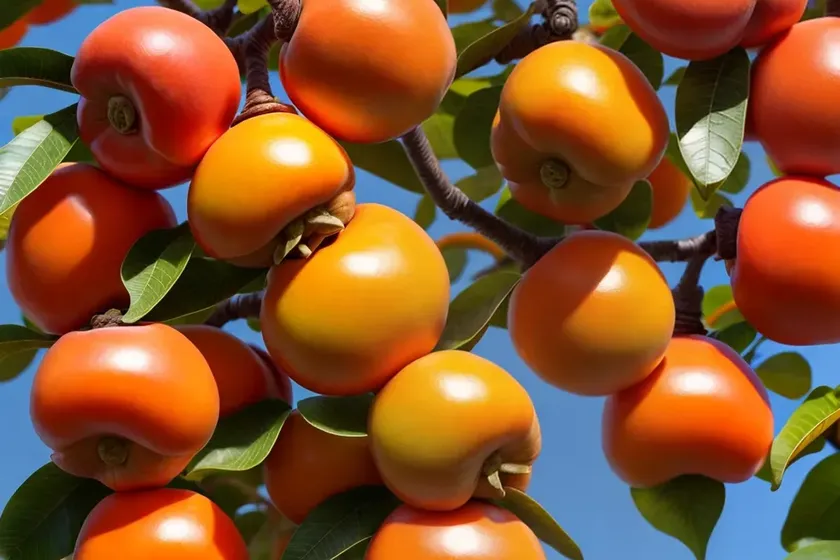
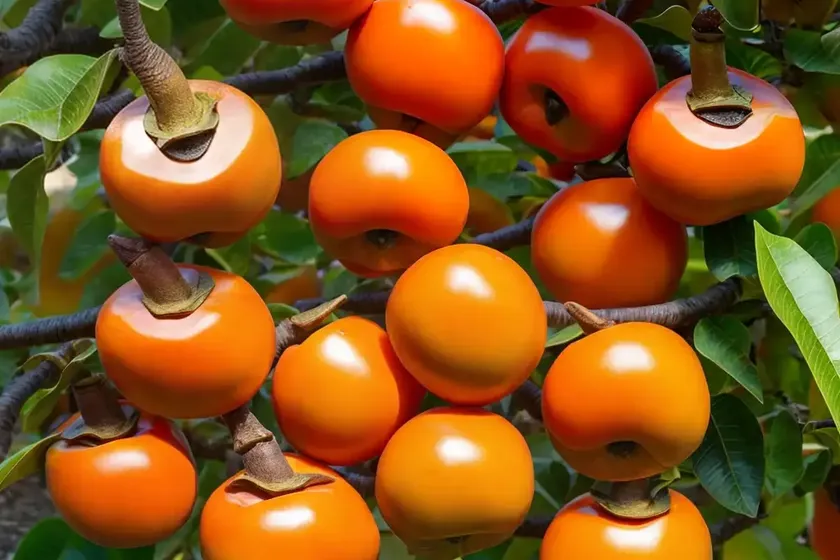
Diospyros kaki, commonly known as the Japanese persimmon, is a beautiful and fruit-bearing tree that is cherished by gardeners and fruit enthusiasts alike. One of the popular varieties of Diospyros kaki is ‘Jiro.’ This plant is renowned for its delectable fruit, ornamental value, and ease of cultivation. In this comprehensive guide, we will unravel the secrets of successfully growing and caring for Diospyros kaki ‘Jiro’, exploring its culture, uses, maintenance, and much more. So, let’s embark on a fascinating botanical journey and delve into the world of this remarkable Japanese persimmon variety.
What is Diospyros kaki ‘Jiro’ (Japanese Persimmon)?
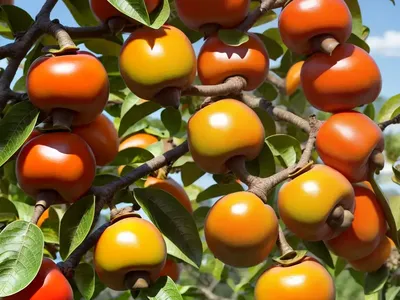
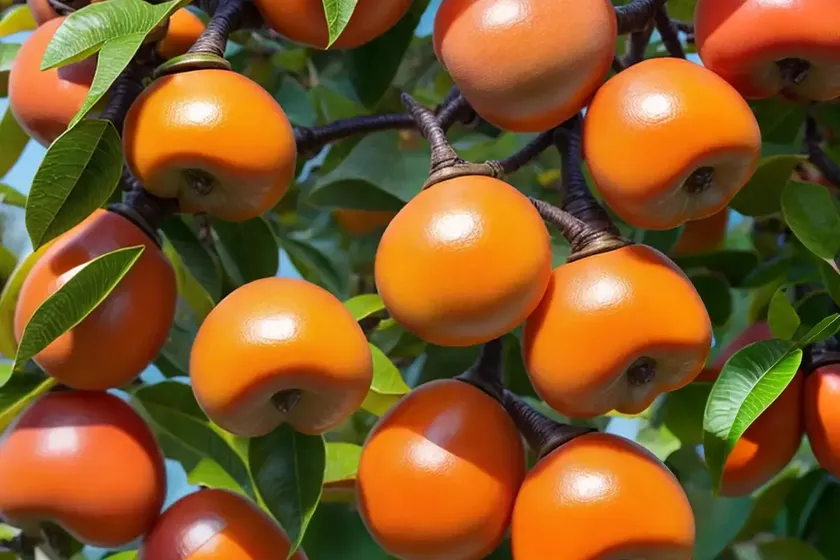
Diospyros kaki ‘Jiro’ is a cultivar of the Diospyros kaki tree, which belongs to the Ebenaceae family. The Japanese persimmon tree is native to China, and it was introduced to Japan several centuries ago, where it gained prominence and gave rise to numerous cultivars, including the esteemed ‘Jiro.’ The ‘Jiro’ variety is admired for its compact size, prolific fruiting, and excellent flavor. It produces medium to large-sized, round, and flattened persimmons with a vibrant orange hue. The fruits are non-astringent and can be enjoyed fresh, dried, or utilized in various culinary creations.
This cultivar is known for its adaptability to a wide range of climates, making it a suitable choice for gardeners in diverse regions. Its relatively compact dimensions and attractive foliage make it an appealing addition to gardens and landscapes. Beyond its aesthetic appeal, Diospyros kaki ‘Jiro’ is valued for its economic significance, providing a bountiful harvest of delectable fruit.
Now, let’s delve into the key aspects of growing and nurturing Diospyros kaki ‘Jiro’ and uncover the secrets to fostering a thriving and fruitful tree.
Key Takeaways – Diospyros kaki ‘Jiro’ (Japanese Persimmon)
To effectively understand and cultivate the Diospyros kaki ‘Jiro’ tree, we need to explore its essential requirements and characteristics. Let’s dissect the following key takeaways:
- Culture
- Uses
- Water
- Sunlight
- Fertilizer
- Soil
- Pruning
- Propagation
- Container Popularity
- Container Common Diseases
- Disease Diagnosis
- Common Pests
- Botanist’s Tips
- Fun Facts
- Links to External Resources
Without further ado, let’s embark on an enlightening journey into the world of Diospyros kaki ‘Jiro’ and unlock the secrets to its successful cultivation and utilization.
Culture of Diospyros kaki ‘Jiro’ (Japanese Persimmon)
Understanding the cultural requirements of Diospyros kaki ‘Jiro’ is fundamental for fostering a healthy and productive tree. The culture encompasses various aspects, including planting, maintenance, and environmental considerations. Let’s dissect the essential elements of the culture of Diospyros kaki ‘Jiro’:
-
Japanese Persimmon Cultivation: The cultivation of Japanese persimmons, including the ‘Jiro’ variety, involves selecting an appropriate site with well-drained soil and favorable climatic conditions. In colder regions, it is advisable to seek cold-hardy cultivars suitable for the local climate.
-
Characteristics of Diospyros kaki ‘Jiro: Before embarking on the cultivation journey, familiarize yourself with the specific characteristics of Diospyros kaki ‘Jiro.’ Understanding its growth habits, fruiting patterns, and seasonal changes is crucial for effective management and care.
-
Jiro Persimmon Plant Care: The care regimen for ‘Jiro’ persimmon trees encompasses watering, fertilization, pest and disease management, and suitable pruning practices. Adhering to a consistent care routine is essential for promoting vigorous growth and abundant fruiting.
-
Growing Diospyros kaki: When cultivating Diospyros kaki ‘Jiro’, it’s imperative to consider the plant’s growth requirements, including appropriate spacing, soil preparation, and the selection of compatible companion plants to create an optimal growing environment.
Uses of Diospyros kaki ‘Jiro’ (Japanese Persimmon)
Diospyros kaki ‘Jiro’ offers a myriad of uses that highlight its significance as a versatile and valuable plant. From its delectable fruits to its ornamental allure, this cultivar serves multiple purposes, making it a prized addition to gardens and orchards. Let’s explore the diverse uses of Diospyros kaki ‘Jiro’:
-
Diospyros kaki Fruit: The fruits of Diospyros kaki ‘Jiro’ are a prominent highlight, revered for their sweet and flavorful flesh. Whether consumed fresh, dried, or incorporated into various culinary delights, the fruits are cherished for their versatility and delectable taste.
-
Ornamental Value: Beyond its fruit-bearing qualities, the ‘Jiro’ persimmon tree boasts ornamental appeal, featuring attractive foliage and an elegant form. Its aesthetic beauty enhances landscapes and provides visual interest throughout the seasons.
-
Culinary Applications: The fruits of Diospyros kaki ‘Jiro’ can be utilized in an array of culinary creations, including desserts, preserves, and beverages. Their unique flavor and texture make them a coveted ingredient in diverse culinary traditions.
-
Health Benefits: Japanese persimmons, including the ‘Jiro’ variety, offer various health benefits, being a rich source of vitamins, minerals, and dietary fiber. Incorporating these nutritious fruits into the diet can contribute to overall well-being.
Water Requirements for Diospyros kaki ‘Jiro’
Appropriate water management is essential for the optimal growth and productivity of Diospyros kaki ‘Jiro.’ Understanding its water needs and implementing a well-structured watering regimen is crucial for maintaining plant health and fruit quality. Here are the key considerations for managing the water requirements of Diospyros kaki ‘Jiro’:
-
Optimal Watering Frequency: Determining the appropriate watering frequency for ‘Jiro’ persimmon trees depends on factors such as soil moisture levels, weather conditions, and the plant’s growth stage. It’s important to strike a balance, avoiding both drought stress and waterlogging.
-
Seasonal Adjustments: Adapting the watering schedule in response to seasonal changes is crucial. During periods of active growth and fruit development, the water requirements may increase, necessitating a more generous and consistent supply of moisture.
-
Soil Moisture Monitoring: Regularly monitoring soil moisture levels, especially during hot and dry spells, can provide valuable insights into the plant’s water needs. Employing moisture meters or manually assessing soil moisture can guide watering decisions.
-
Irrigation Methods: Employing efficient irrigation methods, such as drip irrigation or soaker hoses, can facilitate targeted and uniform water distribution, promoting efficient water uptake and minimizing wastage.
Sunlight Requirements for Diospyros kaki ‘Jiro’
Sunlight is a vital factor that influences the growth, fruiting, and overall vitality of Diospyros kaki ‘Jiro’ trees. Understanding the plant’s sunlight requirements is essential for selecting an appropriate planting site and optimizing its exposure to light. Let’s explore the key aspects of managing the sunlight requirements for Diospyros kaki ‘Jiro’:
-
Full Sun Exposure: ‘Jiro’ persimmon trees thrive in full sun, requiring at least 6 to 8 hours of direct sunlight daily for robust growth and fruit production. Selecting a sunny location with ample exposure to sunlight is essential for ensuring the plant’s vitality.
-
Site Selection: When choosing a planting site, prioritize locations that receive abundant sunlight and provide protection from potential shading by nearby structures or taller plants. South-facing or west-facing sites are often ideal for optimizing sunlight exposure.
-
Sunlight and Fruit Quality: Adequate sunlight exposure is linked to the development of high-quality fruits, characterized by optimal sweetness, flavor, and coloration. Ensuring that the ‘Jiro’ persimmon tree receives ample sunlight is crucial for achieving desirable fruit characteristics.
-
Shading Considerations: Avoiding excessive shading from surrounding trees, buildings, or structures is important, as it can compromise the plant’s growth and fruiting potential. Pruning nearby foliage that obstructs sunlight can help create an ideal growing environment.
Fertilizer Application for Diospyros kaki ‘Jiro’
Fertilization plays a pivotal role in supporting the nutrient requirements of Diospyros kaki ‘Jiro’ trees, promoting vigorous growth, abundant fruiting, and overall plant health. Implementing an appropriate fertilization regimen tailored to the specific needs of ‘Jiro’ persimmons is essential for maximizing their productivity and resilience. Let’s delve into the essential considerations for fertilizer application:
-
Nutrient Requirements: Understanding the specific nutrient needs of Diospyros kaki ‘Jiro’ is crucial for selecting suitable fertilizers and formulating an effective fertilization plan. The tree’s demand for essential nutrients, including nitrogen, phosphorus, and potassium, should be addressed through balanced fertilization.
-
Organic vs. Synthetic Fertilizers: Gardeners have the option to utilize organic fertilizers, such as compost, well-rotted manure, and organic-based formulations, or synthetic fertilizers to meet the plant’s nutritional needs. Balancing nutrient availability and soil health is essential when choosing the appropriate fertilizer type.
-
Fertilization Timing: When applying fertilizers to ‘Jiro’ persimmon trees, timing is key. Incorporating fertilizers during the plant’s active growth phases and prior to fruit set can optimize nutrient uptake and utilization, fostering robust vegetative development and fruit formation.
-
Fertilizer Distribution: Evenly distributing fertilizers around the root zone of Diospyros kaki ‘Jiro’ trees and avoiding direct contact with the trunk is essential. This facilitates efficient nutrient absorption and minimizes the risk of root and trunk damage.
Soil Requirements for Diospyros kaki ‘Jiro’
The composition and quality of the soil significantly influence the growth, fruiting, and overall well-being of Diospyros kaki ‘Jiro’ trees. Selecting and preparing suitable soil that meets the plant’s specific requirements is imperative for fostering a thriving and productive orchard. Let’s uncover the fundamental aspects of soil management for ‘Jiro’ persimmons:
-
Well-Drained Soil: Diospyros kaki ‘Jiro’ thrives in well-drained soil that prevents waterlogging and facilitates optimal root aeration. Avoiding waterlogged or compacted soil is essential for averting potential root rot and other moisture-related issues.
-
Soil pH Considerations: The ideal soil pH for ‘Jiro’ persimmon trees ranges from 6.0 to 6.5, reflecting mildly acidic to neutral conditions. Conducting soil tests and adjusting pH levels through the addition of suitable amendments can create an optimal growing environment.
-
Soil Texture and Structure: The soil should possess a balanced texture, offering adequate drainage, moisture retention, and root penetration. Amending heavy clay soils with organic matter and incorporating coarse materials into excessively sandy soils can enhance their suitability for persimmon cultivation.
-
Nutrient Availability: Ensuring that the soil provides essential nutrients, including nitrogen, phosphorus, and potassium, is pivotal for sustaining the vigor and fruitfulness of Diospyros kaki ‘Jiro’ trees. Addressing potential nutrient deficiencies through soil amendments and targeted fertilization is essential.
Pruning Practices for Diospyros kaki ‘Jiro’
Pruning plays a crucial role in shaping the growth, promoting fruiting, and maintaining the structural integrity of Diospyros kaki ‘Jiro’ trees. Employing appropriate pruning techniques and adhering to a well-defined pruning regimen can optimize the plant’s productivity and longevity. Here’s an insight into the essential aspects of pruning ‘Jiro’ persimmon trees:
-
Structural Pruning: Conducting structural pruning during the early stages of the plant’s development is essential for establishing a well-balanced framework, promoting strong scaffold branching, and ensuring the overall stability of the tree.
-
Pruning Timing: Timing pruning activities to coincide with the plant’s dormant season is typically advisable. Conducting pruning operations during late winter, prior to the onset of new growth, is conducive to wound healing and minimizing stress on the tree.
-
Thinning Fruiting Wood: Thinning excess fruiting wood and removing overcrowded, crossing, or poorly positioned branches can enhance light penetration, air circulation, and fruit quality. Thinning the crop load in heavy fruiting years can prevent branch damage and foster optimal fruit development.
-
Size Management: ‘Jiro’ persimmon trees can benefit from size management pruning, which involves selectively reducing the length of branches, controlling overall tree dimensions, and maintaining a manageable and productive structure.
Propagation Methods for Diospyros kaki ‘Jiro’
Propagating Diospyros kaki ‘Jiro’ using appropriate methods is essential for expanding orchards, cultivating new trees, and preserving desirable traits. Understanding the various propagation techniques and selecting the most suitable approach can facilitate successful reproduction of ‘Jiro’ persimmon trees. Let’s explore the fundamental methods of propagating Diospyros kaki ‘Jiro’:
-
Grafting: Grafting is a preferred propagation method for Diospyros kaki ‘Jiro’, involving the union of a selected ‘Jiro’ scion onto compatible rootstock. Grafting allows for the replication of specific cultivars, optimizing their growth characteristics and fruit quality.
-
Air Layering: Air layering is another propagation technique that can be utilized to propagate ‘Jiro’ persimmon trees. This method involves inducing roots to form on a portion of a healthy branch, which is subsequently detached and planted as an independent tree.
-
Seed Propagation: While Diospyros kaki ‘Jiro’ can be propagated from seeds, this method may not reliably preserve the desired traits of the parent tree. Seed propagation is commonly employed for breeding and selecting new cultivars, rather than for reproducing specific varieties.
-
Layering: Layering can be employed as an alternative propagation method, involving the development of roots on a stem or branch that is in contact with the soil. Once roots have formed, the layered section can be separated and established as a new ‘Jiro’ persimmon tree.
Container Popularity of Diospyros kaki ‘Jiro’
The container cultivation of Diospyros kaki ‘Jiro’ is an appealing option for gardeners with limited space or those seeking to elevate the ornamental and edible appeal of their outdoor spaces. Growing ‘Jiro’ persimmons in containers requires attention to specific considerations and maintenance practices to ensure the plant’s well-being. Let’s delve into the key aspects of cultivating Diospyros kaki ‘Jiro’ in containers:
-
Container Selection: Choosing appropriately sized containers with sufficient drainage holes is crucial for facilitating healthy root growth, preventing waterlogging, and promoting overall plant vitality. Select containers that allow for adequate root expansion and stability.
-
Potting Mix: Employing a well-draining, nutrient-rich potting mix tailored to the requirements of Diospyros kaki ‘Jiro’ is essential for container cultivation. These mixes should provide optimal aeration, moisture retention, and nutrient availability.
-
Watering and Moisture Management: Monitoring and managing the moisture levels of container-grown ‘Jiro’ persimmon trees is pivotal. Balancing watering to prevent both drought stress and waterlogging is essential for sustaining plant health.
-
Fertilization in Containers: Container-grown ‘Jiro’ persimmon trees benefit from regular fertilization to meet their nutritional demands. Employing balanced fertilizers at the appropriate times and incorporating organic amendments can support robust growth and fruiting.
Common Diseases of Diospyros kaki ‘Jiro’
Despite being relatively resilient, Diospyros kaki ‘Jiro’ is susceptible to certain diseases that can compromise its health and productivity. Recognizing and addressing common diseases through proactive management practices is essential for preserving the well-being of ‘Jiro’ persimmon trees. Let’s explore some prevalent diseases and their management strategies:
-
Leaf Spot: Leaf spot diseases, such as anthracnose, can manifest as dark, irregular lesions on the foliage of Diospyros kaki ‘Jiro.’ Implementing cultural practices, including adequate spacing between trees, regular sanitation, and fungicidal treatments, can aid in disease prevention.
-
Root Rot: Excessive soil moisture and poor drainage can predispose ‘Jiro’ persimmon trees to root diseases, including phytophthora root rot. Enhancing soil drainage, avoiding overwatering, and employing appropriate fungicidal measures can mitigate the risk of root rot.
-
Powdery Mildew: Powdery mildew, characterized by a white powdery growth on the foliage, can affect Diospyros kaki ‘Jiro.’ Utilizing resistant cultivars, enhancing air circulation, and applying horticultural oils or fungicidal sprays can help manage powdery mildew.
-
Bacterial Blight: Bacterial blight can cause distinctive dark splotches on the leaves and stems of ‘Jiro’ persimmon trees. Pruning infected plant parts, employing copper-based fungicides, and maintaining plant hygiene can aid in controlling bacterial blight.
Disease Diagnosis for Diospyros kaki ‘Jiro’
Diagnosing diseases and disorders affecting Diospyros kaki ‘Jiro’ is essential for implementing targeted management strategies and safeguarding the plant’s health. By recognizing the symptoms and signs of common ailments, gardeners can take proactive measures to mitigate disease impacts. Let’s explore the process of disease diagnosis for ‘Jiro’ persimmon trees:
-
Symptom Recognition: Observing the foliage, stems, and fruit for abnormal discoloration, lesions, deformities, and other irregularities can provide valuable clues about potential diseases or stressors affecting ‘Jiro’ persimmon trees.
-
Sign Identification: Identifying characteristic signs, such as fungal growth, bacterial ooze, or pest presence, can aid in pinpointing specific diseases and guiding targeted treatment measures.
-
Diagnostic Resources: Leveraging diagnostic resources, such as extension services, plant clinics, and reliable online platforms, can facilitate accurate disease identification and provide recommendations for disease management.
-
Professional Consultation: Seeking advice from qualified plant health professionals, such as arborists, horticulturists, or plant pathologists, can be invaluable when confronting elusive or complex disease issues affecting ‘Jiro’ persimmon trees.
Common Pests Affecting Diospyros kaki ‘Jiro’
In addition to diseases, ‘Jiro’ persimmon trees can be susceptible to various pests that can compromise their growth and fruiting. Identifying and addressing common pests through integrated pest management practices is crucial for preserving the health and vitality of Diospyros kaki ‘Jiro.’ Let’s explore some prevalent pests and their management approaches:
-
Aphids: Aphids can infest the foliage and tender shoots of Diospyros kaki ‘Jiro’, causing leaf distortion and honeydew secretion. Implementing natural predators, such as ladybugs or lacewings, and employing insecticidal soaps can help control aphid populations.
-
Scale Insects: Scale insects, including armored and soft scales, can infest ‘Jiro’ persimmon trees, leading to reduced vigor and sap depletion. Pruning infested branches, applying horticultural oils, and introducing biological controls can aid