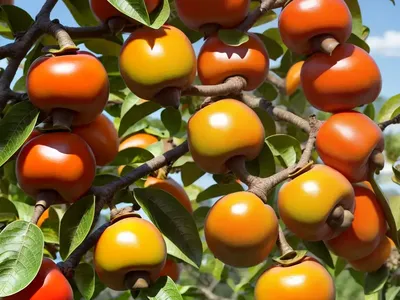
Diospyros Kaki ‘Fuyu’ (Japanese Persimmon)
The Japanese persimmon, scientifically known as Diospyros kaki ‘Fuyu’, is a popular and commercially important fruit tree known for its sweet and flavorful.
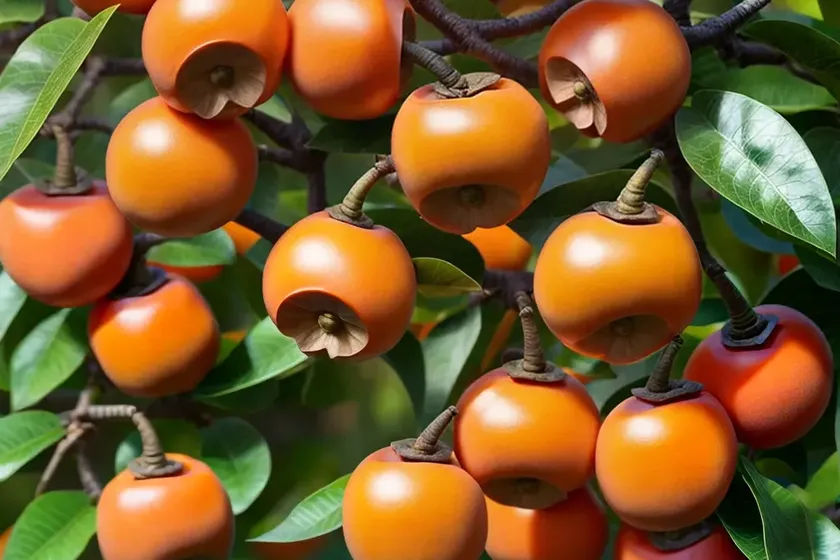
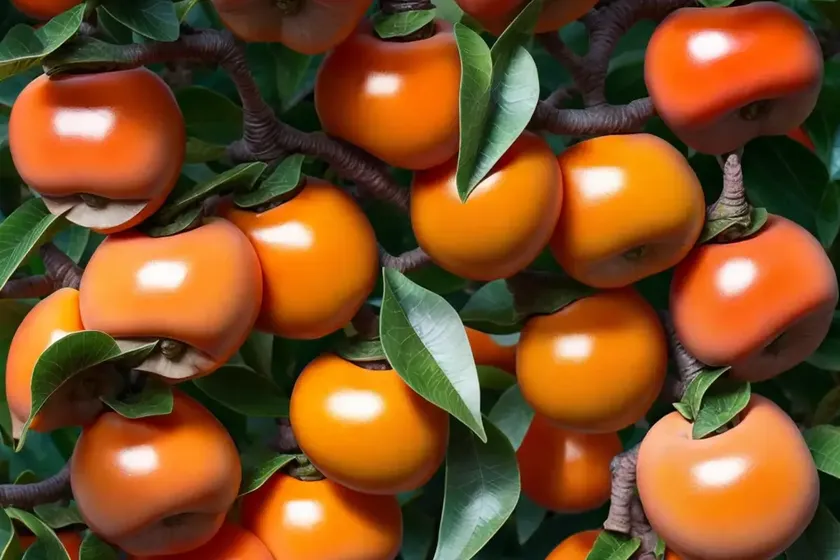
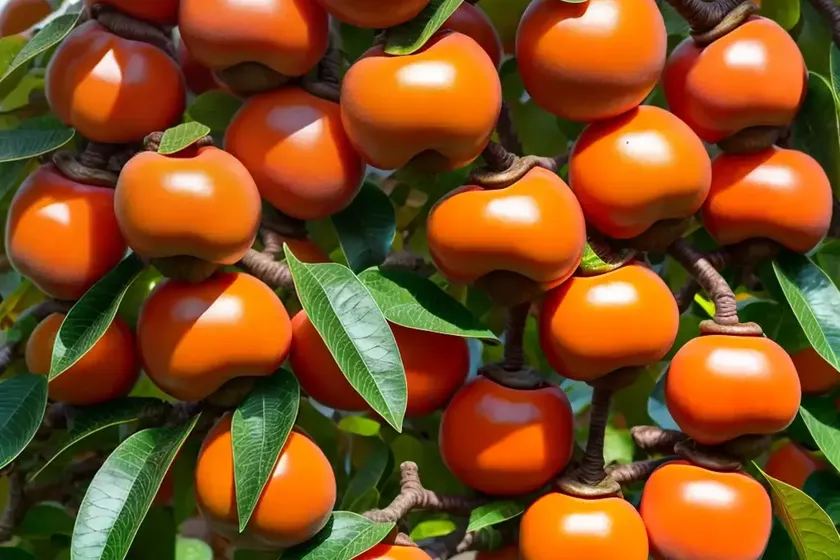
What is the Japanese Persimmon, Diospyros kaki ‘Fuyu’?
The Japanese persimmon, scientifically known as Diospyros kaki ‘Fuyu’, is a popular and commercially important fruit tree known for its sweet and flavorful fruits. Belonging to the Ebenaceae family, this deciduous tree is native to China and Japan and is cultivated in various parts of the world, including the United States, to produce its delectable fruit.
The ‘Fuyu’ variety of Japanese persimmon is particularly renowned for its non-astringent fruits, which can be enjoyed even when firm, unlike some other persimmon varieties that require ripening until they become soft and mushy. The tree is valued not only for its delicious fruit but also for its ornamental qualities, making it an attractive addition to orchards, gardens, and landscapes.
In this comprehensive guide, we will delve into the various aspects of cultivating and caring for Diospyros kaki ‘Fuyu’ (Japanese Persimmon), covering everything from its cultural requirements and uses to its optimal growing conditions, pruning techniques, common diseases, and much more.
Key Takeaways – Diospyros kaki ‘Fuyu’ (Japanese Persimmon)
Before we delve into the details, here are the key takeaways about the Japanese Persimmon, Diospyros kaki ‘Fuyu’:
Culture
- Scientific Name: Diospyros kaki ‘Fuyu’
- Family: Ebenaceae
- Type: Deciduous fruit tree
- Origin: China and Japan
- Common Names: Japanese Persimmon, Fuyu Persimmon
- Fruit Type: Non-astringent, sweet
- Best Feature: Ornamental value and delicious fruit
Uses
- Edible: The fruit is consumed fresh, dried, or used in culinary preparations such as desserts, jams, and sauces.
- Ornamental: The tree’s attractive foliage and fruits make it a visually appealing addition to landscapes and gardens.
- Commercial: The fruits are commercially cultivated for fresh consumption and processing.
These key takeaways provide a snapshot of the Japanese Persimmon, setting the stage for a detailed exploration of its cultivation, care, and maintenance requirements.
Cultivation of Diospyros kaki ‘Fuyu’
Cultivating Diospyros kaki ‘Fuyu’ successfully involves understanding and managing several key factors, including water, sunlight, soil, fertilization, pruning, propagation, and more. Let’s explore each of these aspects in detail to gain a comprehensive understanding of growing and caring for this exquisite fruit tree.
Water
Watering Needs: When it comes to watering, Japanese Persimmons, including the ‘Fuyu’ variety, thrive best in well-draining soil. However, it’s crucial to provide consistent moisture, especially during the tree’s establishment phase and periods of drought. Adequate irrigation is essential for encouraging healthy growth and fruit development.
Watering Schedule: During the growing season, regular watering, approximately once a week, is recommended, ensuring that the soil remains evenly moist but not waterlogged. Adjust the watering frequency based on the weather conditions and the moisture retention capacity of the soil.
Drought Resistance: Established Japanese Persimmon trees, including the ‘Fuyu’ variety, exhibit moderate tolerance to short periods of drought. However, prolonged water stress can impact the tree’s overall health and fruit production. Therefore, it’s essential to monitor soil moisture levels and provide supplemental irrigation during dry spells.
Sunlight
Sun Requirements: Japanese Persimmons, including the ‘Fuyu’ variety, thrive in full sun to partial shade. Optimal exposure to sunlight is crucial for promoting vigorous growth and maximizing fruit production. Ensure that the tree receives at least 6-8 hours of direct sunlight daily for the best results.
Sun Exposure: Select a planting site that offers ample sunlight and provides protection from excessive wind exposure, which can cause damage to the tree and its fruits. Adequate sunlight exposure contributes to the development of high-quality, flavorful fruits.
Soil
Soil Type: Japanese Persimmon trees prefer well-draining, loamy soils with a slightly acidic to neutral pH range (pH 6.0-7.5). Additionally, the soil should be rich in organic matter to support robust growth and fruiting.
Soil Amendments: Incorporating organic compost or well-rotted manure into the soil before planting can enhance its fertility and improve its moisture retention capacity. This is especially beneficial for ensuring healthy root development and overall vigor.
Soil pH: The ideal soil pH for growing Diospyros kaki ‘Fuyu’ is within the range of 6.0-7.5. Conduct a soil pH test before planting and make necessary amendments to ensure that the soil pH is conducive to the tree’s growth and fruit production.
Fertilizer
Fertilization Schedule: Fertilizing Japanese Persimmon trees, including the ‘Fuyu’ variety, is essential for providing the necessary nutrients for robust growth and fruit development. Apply a balanced fertilizer in early spring before new growth begins, and again in early summer to support fruit formation.
Fertilizer Type: Choose a slow-release, balanced fertilizer with an N-P-K ratio of 10-10-10 or similar proportions. Ensure that the fertilizer also contains micronutrients such as zinc, iron, and manganese, which are vital for the tree’s overall health and productivity.
Application Method: Spread the fertilizer evenly beneath the tree’s canopy, avoiding direct contact with the trunk, and water it in thoroughly to facilitate nutrient absorption by the roots.
Pruning
Pruning Time: Prune Japanese Persimmon trees, including the ‘Fuyu’ variety, during the dormant season in late winter to early spring before new growth emerges. This timing allows for better wound healing and minimizes stress on the tree.
Pruning Objectives: The primary objectives of pruning include shaping the tree, removing dead or diseased branches, thinning crowded growth, and improving air circulation within the canopy. Proper pruning also promotes fruit production and overall tree health.
Techniques: Use sharp, clean pruning tools to make precise cuts. Remove any crossing or rubbing branches, as well as water sprouts and suckers. Additionally, maintain an open center or modified central leader structure to facilitate light penetration and airflow.
Propagation
Propagation Methods: Japanese Persimmon trees, including the ‘Fuyu’ variety, can be propagated through several methods, including seed propagation, grafting, and air layering. Grafting onto suitable rootstocks is the most common and reliable method for producing true-to-type trees with desirable fruiting characteristics.
Grafting Technique: Approach grafting, cleft grafting, or whip-and-tongue grafting are commonly used grafting techniques for propagating Japanese Persimmons. Select scion wood from a healthy, high-performing ‘Fuyu’ tree and graft it onto a compatible rootstock to ensure successful propagation.
Container Popularity
Container Cultivation: While Japanese Persimmon trees, including the ‘Fuyu’ variety, can be grown in containers, they have specific requirements for successful container cultivation. Select large, sturdy containers with adequate drainage holes and use a well-draining potting mix formulated for fruit trees.
Size Considerations: Choose a container that provides ample room for the tree’s root system to develop without becoming root-bound. Transplant the tree into larger containers as it grows to maintain optimal root health and support its overall vigor and productivity.
Winter Care: Provide protection for container-grown Japanese Persimmon trees during the winter months, particularly in regions with cold winter temperatures. Insulate the containers and consider overwintering the tree in a sheltered location to prevent cold damage.
Common Diseases and Pests
Despite being relatively resilient, Japanese Persimmon trees, including the ‘Fuyu’ variety, are susceptible to certain diseases and pests that can potentially impact their growth and fruit production. Understanding common issues and adopting preventive measures is crucial for maintaining the tree’s health and vitality.
Common Diseases
Leaf Spot: Leaf spot diseases, caused by fungal pathogens such as Cercospora and Colletotrichum, can lead to the development of dark, irregular spots on the foliage. To manage leaf spot, practice good sanitation, and consider applying fungicidal sprays as recommended.
Anthracnose: Anthracnose, caused by the Colletotrichum fungus, can result in sunken lesions on fruits and leaf spots. Prune and destroy affected plant parts, and apply fungicidal treatments to mitigate the spread of anthracnose.
Root Rot: Excessive soil moisture and poor drainage can lead to root rot diseases caused by various fungal pathogens. Ensure proper drainage, avoid waterlogged conditions, and maintain the soil moisture at optimal levels to prevent the onset of root rot.
Disease Diagnosis
Signs and Symptoms: Keep a close eye on the tree’s foliage, fruits, and overall growth for any signs of discoloration, lesions, or abnormal patterns. Promptly diagnose and address any unusual symptoms to prevent the further spread of diseases.
Professional Consultation: If you suspect that your Japanese Persimmon tree is affected by a specific disease, seek guidance from professional plant pathologists or local agricultural extension services for accurate diagnosis and tailored management recommendations.
Common Pests
Aphids: Soft-bodied aphids can infest new growth and cause distortion of the foliage or transmit viral diseases. Monitor the tree regularly and utilize natural predators or targeted insecticidal sprays if aphid populations become problematic.
Scale Insects: Scale insects can settle on stems and foliage, feeding on plant sap and excreting honeydew. Implement cultural controls and introduce natural enemies such as predatory insects to manage scale populations effectively.
Spider Mites: Spider mites can cause stippling and webbing on the foliage, leading to reduced vigor and fruit quality. Employ measures to increase humidity and consider using miticidal sprays or beneficial predatory mites to control spider mite infestations.
Botanist’s Tips for Growing Diospyros kaki ‘Fuyu’
As a plant scientist with a passion for horticulture and botanical diversity, I would like to share some expert tips for growing and caring for Diospyros kaki ‘Fuyu’ based on my knowledge and experience in the field. These tips are designed to help enthusiasts cultivate healthy and productive Japanese Persimmon trees with ease and confidence.
Tip 1: Soil Preparation
Before planting a Japanese Persimmon tree, ensure that the soil is well-draining and enriched with organic matter. Conduct a soil test to evaluate the pH and fertility levels, and make necessary amendments to create an optimal growing environment for the tree.
Tip 2: Pruning Practices
Adopt proper pruning practices to maintain an open canopy structure and encourage fruiting wood development. Regularly remove dead or diseased branches, as well as any vigorous water sprouts, to promote balanced growth and fruit production.
Tip 3: Integrated Pest Management
Implement an integrated pest management (IPM) approach to address pest issues in a holistic and environmentally responsible manner. Monitor the tree regularly, employ cultural controls, and utilize natural predators and selective pesticides when necessary to manage pest populations effectively.
Tip 4: Watering Consistency
Maintain consistent moisture levels in the soil, especially during the tree’s establishment phase and fruit development stages. Avoid both water stress and waterlogging by adjusting the watering frequency based on the prevailing weather conditions and the tree’s specific needs.
Tip 5: Balanced Fertilization
Apply balanced fertilizers containing essential micronutrients at the recommended times and rates to ensure that the Japanese Persimmon tree receives the necessary nutrients for robust growth, flowering, and fruiting.
Adhering to these tips will contribute to the successful cultivation of Diospyros kaki ‘Fuyu’, fostering its overall health, fruit quality, and ornamental value in the landscape.
Fun Facts about Diospyros kaki ‘Fuyu’
To add a touch of fascination to our exploration of the ‘Fuyu’ variety of Japanese Persimmon, here are some fun facts about this delightful fruit tree:
-
Cultural Significance: Japanese Persimmons, including the ‘Fuyu’ variety, hold cultural significance in various Asian countries and are integrated into traditional festivities and culinary traditions.
-
Lifespan: With proper care and maintenance, Japanese Persimmon trees can live for several decades, providing a lasting source of delectable fruits and ornamental beauty in the garden or orchard.
-
Ornamental Value: Beyond its fruit-bearing capabilities, the Japanese Persimmon tree adds ornamental value to landscapes with its vibrant foliage, attractive fruit display, and picturesque appearance in all seasons.
-
Seasonal Interest: The ‘Fuyu’ variety of Japanese Persimmon offers seasonal interest with its striking fruit display, showcasing a transition from green to rich orange or red hues as the fruits ripen.
-
Traditional Uses: In addition to being enjoyed fresh, Japanese Persimmons are used in a variety of traditional preparations, including drying, pickling, and preserving, adding diversity to culinary possibilities.
-
Global Cultivation: While native to Asia, Japanese Persimmon trees, including the ‘Fuyu’ variety, are now cultivated in diverse regions, contributing to the worldwide availability and appreciation of their luscious fruits.
These fun facts shed light on the cultural, horticultural, and historical significance of the ‘Fuyu’ variety of Diospyros kaki, further enhancing its appeal to enthusiasts and admirers of fruit-bearing trees.
Links to External Resources
Expand your knowledge and access valuable information about growing and caring for Diospyros kaki ‘Fuyu’ by exploring the following external resources:
- University of California – Growing Persimmons in California
- North Carolina State University – Home Garden Persimmons
- University of Florida – Japanese Persimmon Growing in the Florida Home Landscape
- Mississippi State University – Persimmon
These reputable resources provide a wealth of information, including research-based guidelines, best practices, and expert insights for successfully cultivating and enjoying the ‘Fuyu’ variety of Japanese Persimmon.
In conclusion, Diospyros kaki ‘Fuyu’ (Japanese Persimmon) stands out as a captivating and rewarding fruit tree renowned for its sweet, non-astringent fruits and ornamental appeal. By understanding its cultural requirements, optimal growing conditions, pruning techniques, and pest and disease management strategies, horticultural enthusiasts can cultivate thriving ‘Fuyu’ trees and savor the delightful harvests they offer.
Whether in a home garden, commercial orchard, or as a picturesque landscape specimen, the ‘Fuyu’ variety of Japanese Persimmon is sure to captivate with its delectable fruits and enduring beauty, embodying the rich heritage and horticultural charm of this fascinating fruit tree.
Remember, successful cultivation begins with a deep understanding and appreciation of the plant’s unique needs, and by applying best practices, enthusiasts can embark on a rewarding journey of growing, caring for, and celebrating the bountiful fruits of Diospyros kaki ‘Fuyu’.