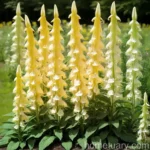
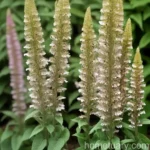
What is Digitalis purpurea f. albiflora?
Digitalis purpurea f. albiflora, commonly known as White-Flowered Foxglove, is a strikingly beautiful and versatile plant with a rich history of cultural uses, traditional medicinal applications, and ornamental value. As a plant scientist, I am delighted to delve into the captivating world of Digitalis purpurea f. albiflora, exploring its cultural significance, growing conditions, propagation methods, medicinal uses, and much more. Join me as we uncover the wonders of this remarkable plant and gain valuable insights into its care and cultivation.
Key Takeaways – Digitalis purpurea f. albiflora (White-Flowered Foxglove)
Before we embark on our journey to explore the intricacies of Digitalis purpurea f. albiflora, let’s highlight some key takeaways:
- Beautiful and versatile plant with striking white flowers
- Rich history of cultural significance and traditional medicinal uses
- Requires well-draining soil and partial to full sunlight
- Propagated through seeds and division
- Potential medicinal uses with caution and expert guidance
- May attract beneficial pollinators to the garden
- Prone to specific diseases and pests that require careful management
- Popular choice for both traditional and modern gardens
Now, let’s delve deeper into the intriguing world of White-Flowered Foxglove, exploring its cultural significance, growing conditions, medicinal applications, and the art of cultivating this enchanting plant.
Culture
Digitalis purpurea f. albiflora has an intriguing cultural significance and historical background. Let’s explore the cultural aspects associated with this mesmerizing plant:
-
Traditional Symbolism: Foxglove plants, including the White-Flowered variety, have been associated with various symbolic meanings in different cultures. From folklore to art and literature, Foxgloves have been depicted as symbols of protection, good fortune, and even enchantment. The distinct appearance of their tubular flowers has captured the imagination of poets and artists, often portraying them as magical or otherworldly blooms.
-
Historical Significance: The history of Digitalis purpurea f. albiflora is intertwined with accounts of its medicinal uses across different civilizations. From ancient herbal remedies to modern pharmaceutical applications, the plant’s cultural significance has endured through the ages.
Uses
Medicinal Uses
Digitalis purpurea f. albiflora, like its purple-flowered counterpart, contains potent compounds with potential cardiac stimulating properties. The plant’s leaves have been historically used to derive digitalis, a group of medications that affect the heart. It’s crucial to note that while Digitalis purpurea f. albiflora holds medicinal potential, its use in any form for medicinal purposes should be approached with extreme caution and under the supervision of a qualified healthcare professional. Due to the presence of cardiac glycosides, the plant can be toxic if ingested in large amounts. As such, it is not recommended for self-medication or home remedies without expert guidance.
Ornamental Purposes
Beyond its medicinal potential, Digitalis purpurea f. albiflora is a beloved choice for gardens and landscapes, adding a touch of elegance and charm with its stunning white flowers. As an ornamental plant, it creates visual interest and attracts pollinators, contributing to the biodiversity of the garden.
Water
There are crucial considerations when it comes to watering Digitalis purpurea f. albiflora to ensure its optimal growth and health:
-
Consistent Moisture: While Digitalis purpurea f. albiflora thrives in well-draining soil, it is essential to provide consistent moisture, especially during the growing season. Adequate watering helps maintain soil moisture without allowing the roots to sit in waterlogged conditions.
-
Avoid Overwatering: Overwatering can lead to root rot and other detrimental conditions. It’s important to strike a balance, allowing the soil to dry out slightly between watering sessions.
-
Environmental Factors: Consider the local climate and environmental conditions when establishing a watering routine for Digitalis purpurea f. albiflora. In particularly hot and dry periods, additional watering may be necessary to support the plant’s needs.
Sunlight
The ideal sunlight conditions for Digitalis purpurea f. albiflora play a significant role in its overall health and development:
-
Partial to Full Sun: White-Flowered Foxglove thrives in partial to full sunlight. When grown in partial shade, it’s crucial to ensure that the plant receives several hours of direct sunlight to support robust flowering and overall vigor.
-
Consider Microclimates: In regions with intense summer heat, providing some afternoon shade can offer protection from the scorching sun, especially during peak heat hours.
Fertilizer
Proper fertilization contributes to the vigorous growth and prolific flowering of Digitalis purpurea f. albiflora. Consider the following practices when fertilizing this captivating plant:
-
Balanced Fertilizer: A balanced, slow-release fertilizer can provide the essential nutrients that Digitalis purpurea f. albiflora requires for robust growth and flower production. Look for a fertilizer with balanced NPK (nitrogen, phosphorus, and potassium) ratios suitable for flowering plants.
-
Application Timing: Apply fertilizer in early spring before the onset of active growth. A second application in midsummer can support continued flowering and overall plant vitality.
-
Avoid Excessive Nitrogen: While nitrogen is essential for foliage development, excessive nitrogen can lead to lush foliage at the expense of flower production. Ensure that the chosen fertilizer is not excessively high in nitrogen content.
Soil
The choice of soil and its preparation significantly impacts the health and success of Digitalis purpurea f. albiflora:
-
Well-Draining Soil: Digitalis purpurea f. albiflora thrives in well-draining soil to prevent waterlogging and root rot. Amending heavy or clay soils with organic matter such as compost or peat moss can improve drainage and create a favorable growing environment.
-
pH Considerations: The ideal soil pH for Digitalis purpurea f. albiflora ranges from slightly acidic to neutral (pH 6.5-7.0). Conducting a soil test can provide valuable insights into the existing pH levels, allowing for amendments if necessary.
-
Soil Structure: Loose, friable soil structure supports healthy root development and efficient nutrient uptake. Aerating the soil and incorporating organic amendments can enhance soil structure for the benefit of Digitalis purpurea f. albiflora.
Pruning
Proper pruning practices contribute to the overall health, appearance, and longevity of Digitalis purpurea f. albiflora:
-
Deadheading: Removing spent flowers through deadheading not only maintains the plant’s aesthetic appeal but also encourages continued flowering by redirecting energy from seed production towards new bloom development.
-
Pruning After Flowering: Once the blooming period concludes, consider pruning the plant to remove any yellowing or damaged foliage. This process can rejuvenate the plant and prepare it for subsequent growth cycles.
-
Caution with Leaves: When handling the leaves of Digitalis purpurea f. albiflora, it’s essential to use gloves, as some individuals may experience skin irritation upon contact.
Propagation
Seed Propagation
Digitalis purpurea f. albiflora can be propagated from seeds, offering a rewarding and cost-effective method of expanding the plant population. Here’s a simple guide to seed propagation:
-
Seed Collection: Harvest seeds from mature, dry seed pods. Carefully extract the seeds and store them in a cool, dry place until the ideal sowing time.
-
Sowing Time: Start the seeds indoors in late winter or early spring. Sow the seeds on the surface of a moist, well-draining seed starting mix, lightly pressing them into the soil without covering them.
-
Germination: Maintain consistent moisture and provide indirect light for germination. Once the seedlings develop true leaves and are large enough to handle, transplant them into individual containers or prepared garden beds.
Division
Another method of propagation involves dividing established Digitalis purpurea f. albiflora plants. This process is typically carried out in early spring when the new growth emerges. Here’s an overview of the division process:
-
Carefully dig up the parent plant, taking care to unearth the root ball without causing extensive damage to the root system.
-
Using a sharp, sterile tool, divide the root ball into sections, ensuring that each division has viable roots and several emerging shoots.
-
Replant the divisions in prepared soil, ensuring adequate spacing and appropriate soil conditions.
Both seed propagation and division offer valuable opportunities to propagate Digitalis purpurea f. albiflora, enabling the expansion of its presence in the garden or landscape.
Container Popularity
Digitalis purpurea f. albiflora can thrive and enchant in container gardens, offering versatility and visual appeal to various outdoor and indoor settings. Its popularity in container cultivation revolves around several distinct advantages:
-
Limited Space: In urban or confined settings, containers provide the opportunity to cultivate White-Flowered Foxgloves without the need for expansive garden beds or borders.
-
Portability: Containers allow for easy movement and repositioning of Digitalis purpurea f. albiflora, catering to changing aesthetic preferences or environmental considerations.
-
Enhanced Control: Container cultivation offers greater control over soil quality, drainage, and microclimates, enabling tailored growing conditions for the plant’s success.
-
Ornamental Accent: The striking white flowers of Digitalis purpurea f. albiflora make it an enchanting addition to patios, balconies, and outdoor living spaces. Its elegant, vertical growth habit adds vertical interest to container compositions.
Common Diseases
Digitalis purpurea f. albiflora, while resilient in many aspects, can be susceptible to certain diseases that require vigilant monitoring and management. Some common diseases that may affect this captivating plant include:
-
Powdery Mildew: Characterized by the powdery white growth on leaves, powdery mildew can impact the overall vigor and aesthetics of Digitalis purpurea f. albiflora. Maintaining proper air circulation and avoiding overhead watering can help prevent this fungal infection.
-
Leaf Spot: Dark, water-soaked lesions on the foliage indicate the presence of leaf spot, a common fungal disease that can affect the visual appeal and vitality of the plant. Pruning affected foliage and ensuring proper spacing between plants can aid in disease management.
-
Crown Rot: Excessive moisture and poor drainage can lead to crown rot, causing the plant to exhibit wilting, yellowing, and overall decline. Implementing proper soil drainage and avoiding waterlogged conditions is essential to prevent this detrimental condition.
Disease Diagnosis
When observing potential signs of disease on Digitalis purpurea f. albiflora, a systematic approach to diagnosis can aid in timely intervention and effective management. Consider the following steps when diagnosing and addressing potential diseases:
-
Visual Inspection: Carefully examine the foliage, stems, and overall appearance of the plant for any anomalies, discoloration, or abnormalities.
-
Symptom Identification: Identify specific symptoms such as leaf discoloration, wilting, spots, or unusual growth patterns. Note the location and extent of the observed symptoms.
-
Environmental Assessment: Consider environmental factors such as moisture levels, air circulation, and prevailing weather conditions that may contribute to disease development.
-
Consultation and Action: If the diagnosis is inconclusive or if the disease exhibits rapid progression, seek guidance from local agricultural extension services or experienced horticulturists. Implement suitable interventions based on the identified disease and its severity.
Common Pests
In addition to potential diseases, Digitalis purpurea f. albiflora can be susceptible to certain pests that may impact its overall health and vigor. Some common pests that gardeners and plant enthusiasts should be mindful of include:
-
Aphids: These small, sap-feeding insects can congregate on the foliage and stems of Digitalis purpurea f. albiflora, potentially causing leaf curling and distortion. Early detection and targeted insecticidal treatments can help manage aphid infestations.
-
Slugs and Snails: These voracious pests may feed on the tender foliage of White-Flowered Foxglove, leaving behind distinctive feeding damage. Implementing natural deterrents or physical barriers can aid in protecting the plant from slug and snail feeding.
-
Spider Mites: These minuscule pests can cause stippling and webbing on the leaves of Digitalis purpurea f. albiflora, compromising its visual appeal and physiological functions. Regular monitoring and the introduction of predatory mites can assist in managing spider mite populations.
Botanist’s Tips
As a plant scientist with a passion for Digitalis purpurea f. albiflora, I offer the following tips to enhance the cultivation and enjoyment of this captivating plant:
-
Conduct Research: Before incorporating Digitalis purpurea f. albiflora into your garden or landscape, conduct thorough research on its cultural requirements, potential uses, and any associated cautions or considerations.
-
Consistent Monitoring: Regular observation of the plant’s growth, appearance, and any signs of pest or disease activity is crucial for proactive management and intervention.
-
Integration with Companion Plants: Explore companion planting options to complement White-Flowered Foxglove with compatible species that offer mutual benefits such as pest control, pollinator attraction, or aesthetic enhancement.
-
Education and Caution: When exploring the medicinal potential of Digitalis purpurea f. albiflora, seek reliable sources of information and exercise caution due to the plant’s toxic properties. Consult with healthcare professionals when considering any medicinal applications.
-
Environmental Considerations: Respect the natural habitats and ecological significance of Digitalis purpurea f. albiflora, and consider sustainable and ecologically responsible cultivation practices.
Fun Facts
-
The name “Digitalis” is derived from the Latin word “digitus,” meaning finger, alluding to the fitting of the plant’s tubular flowers over a person’s finger.
-
White-Flowered Foxglove has been historically associated with enchantment and folklore, often depicted as a mystical or magical plant in various cultural narratives.
-
Digitalis purpurea f. albiflora can attract a variety of pollinators, including bees, butterflies, and hummingbirds, contributing to the biodiversity and ecological balance of the garden.
-
The cultivation of Digitalis purpurea f. albiflora has been entwined with both traditional and modern garden designs, adding elegance and allure to diverse landscapes.
Links to External Resources
For further exploration of Digitalis purpurea f. albiflora, here are some valuable external resources:
– The American Horticultural Society Encyclopedia of Garden Plants
– Royal Horticultural Society – Foxgloves
– Missouri Botanical Garden – Digitalis purpurea
– University of Florida IFAS Extension – Foxglove
In conclusion, Digitalis purpurea f. albiflora, or White-Flowered Foxglove, stands as a captivating and versatile plant with a rich tapestry of cultural significance, ornamental charm, and potential medicinal uses. Through deliberate care, thoughtful cultivation, and respect for its historical legacy, we can continue to appreciate and celebrate the timeless allure of this enchanting plant. By embracing the botanist’s tips, understanding its unique characteristics, and integrating it into diverse garden settings, we can honor the legacy of White-Flowered Foxglove while enriching our horticultural experiences.
As we celebrate the grace and beauty of Digitalis purpurea f. albiflora, let us also cultivate an appreciation for the interconnectedness of plants with cultural traditions, ecological systems, and the enduring wonder of the natural world.