Understanding Digitalis parviflora (Small-Flowered Foxglove)
In the world of gardening and horticulture, the Digitalis parviflora, commonly known as the Small-Flowered Foxglove, holds a special place. This herbaceous perennial plant is cherished for its elegant, tubular flowers and distinctive foliage. As a plant scientist, it is enthralling to delve deep into the intricacies and unique characteristics of Digitalis parviflora to understand its habitat, care requirements, cultivation, and various other aspects.
This comprehensive guide on Digitalis parviflora encompasses various facets of this fascinating plant, covering its culture, uses, water and sunlight needs, fertilizer requirements, soil preferences, pruning, propagation, container gardening, popularity, common diseases, pests, and much more. This will be a valuable resource for gardeners, horticulturists, and enthusiasts looking to expand their understanding and knowledge of Digitalis parviflora.
What is Digitalis parviflora (Small-Flowered Foxglove)?
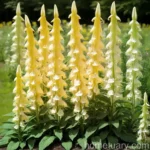
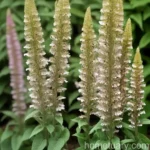
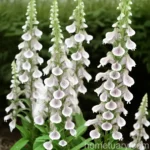
Digitalis parviflora, native to the Iberian Peninsula, is an herbaceous perennial plant belonging to the family Plantaginaceae. It is characterized by its striking clusters of small, tubular flowers that bloom on tall, elegant spikes. The plant’s attractive foliage and exquisite flowers make it a popular choice for ornamental and landscaping purposes.
The botanical features and unique traits of Digitalis parviflora make it a captivating subject for study and cultivation.
Key Takeaways – Digitalis parviflora (Small-Flowered Foxglove)
Culture
- Scientific Name: Digitalis parviflora
- Common Name: Small-Flowered Foxglove
- Family: Plantaginaceae
- Type: Herbaceous Perennial
- Origin: Iberian Peninsula
- Characteristics: Tall spikes of small, tubular flowers
Uses
- Ornamental: Popular in gardens and landscaping for its attractive flowers and foliage
- Medicinal: Historically used in herbal medicine
Water
- Needs: Moderate watering; soil should not be waterlogged
- Watering Frequency: Regular watering, especially during dry spells
Sunlight
- Exposure: Prefers partial shade to full sun
- Sun Requirements: adaptable but thrives best in partial shade
Fertilizer
- Requirements: Moderate feeding during growing season
- Type: Balanced, organic fertilizer
Soil
- Preference: Moist, well-draining soil
- Acidity: Tolerates neutral to slightly acidic pH
- Texture: Loamy soil is ideal
Pruning
- Maintenance: Regular deadheading to promote continuous flowering
- Timing: Prune after flowering season
Propagation
- Method: Seeds and division are common propagation techniques
- Timing: Best propagated in early spring or autumn
Container Popularity
- Suitability: Well-suited for container gardening
- Containers: Choose deep, well-draining pots
Common Diseases
- Issues: Susceptible to fungal infections
- Prevention: Good air circulation and proper watering practices
Common Pests
- Concerns: Vulnerable to aphids and spider mites
- Control: Regular monitoring and natural predators
Botanist’s Tips
- Soil Moisture: Avoid waterlogged soil
- Sunlight: Partial shade is ideal
- Pruning: Deadhead to encourage new blooms
Fun Facts
- Medicinal Use: Historically used to treat heart conditions
- Wildlife Attractor: Attracts bees and hummingbirds
With these key takeaways, let’s dive deeper into the various aspects of growing and caring for Digitalis parviflora.
Digitalis parviflora Habitat
Digitalis parviflora is native to the Iberian Peninsula and is often found growing in woodland clearings, rocky slopes, and open grassy areas. It thrives in habitats with well-draining soil and partial shade, making it adaptable to a range of environmental conditions.
Small-Flowered Foxglove Care
Caring for Small-Flowered Foxglove involves understanding its specific needs for water, sunlight, soil, and maintenance to ensure optimal growth and blooming.
Growing Digitalis parviflora
- Site Selection: Choose a location with partial shade and well-draining soil
- Spacing: Plant 18-24 inches apart to allow for proper air circulation
- Planting: Best planted in early spring or autumn
Tips for Small-Flowered Foxglove
- Mulching: Apply a layer of mulch to retain soil moisture and suppress weeds
- Watering: Moderate watering, especially during dry spells
- Fertilization: Apply a balanced, organic fertilizer during the growing season
Digitalis parviflora Species
Digitalis parviflora belongs to the genus Digitalis, which includes several species of flowering plants known for their ornamental and medicinal properties.
Small-Flowered Foxglove Cultivation
Cultivating Small-Flowered Foxglove involves providing the right conditions for its growth, including soil, water, and sunlight requirements.
Digitalis parviflora Characteristics
The characteristic features of Digitalis parviflora include its tall spikes of small, tubular flowers, which are a defining trait of the species.
Small-Flowered Foxglove Gardening
In a gardening context, Small-Flowered Foxglove adds elegance and color to garden beds, borders, and naturalized areas.
How to Grow Digitalis parviflora
Growing Digitalis parviflora successfully involves understanding its specific requirements and providing the right care.
Small-Flowered Foxglove Propagation
Propagating Small-Flowered Foxglove can be done through seeds and division, offering an opportunity to multiply plants for garden or landscape use.
Digitalis parviflora Varieties
Various cultivars and varieties of Digitalis parviflora are available, offering different flower colors and growth habits for gardeners to choose from.
Small-Flowered Foxglove Planting
When planting Small-Flowered Foxglove, it is essential to consider spacing, soil preparation, and timing for optimal establishment.
Digitalis parviflora Maintenance
Maintaining Digitalis parviflora involves regular tasks such as watering, fertilizing, and deadheading to encourage new growth and blooms.
Small-Flowered Foxglove Blooming
The blooming period of Small-Flowered Foxglove brings forth an array of colorful flowers, adding visual appeal to garden landscapes.
Digitalis parviflora Growing Conditions
Understanding the ideal growing conditions for Digitalis parviflora is crucial for its successful cultivation.
Small-Flowered Foxglove Pests
Pests such as aphids and spider mites can pose a threat to Small-Flowered Foxglove and require monitoring and control measures.
Digitalis parviflora Medicinal Uses
Historically, Digitalis species, including Digitalis parviflora, have been used in herbal medicine to treat heart conditions. However, caution is advised due to their toxic nature.
Small-Flowered Foxglove Diseases
Addressing common diseases such as fungal infections is essential for maintaining the health and vigor of Small-Flowered Foxglove plants.
Digitalis parviflora Ornamental Plant
As an ornamental plant, Digitalis parviflora adds aesthetic value and visual interest to garden landscapes and naturalized areas.
Small-Flowered Foxglove Pruning
Pruning Small-Flowered Foxglove after the blooming period helps maintain plant health and encourages new growth.
Digitalis parviflora Landscape
In landscaping, Digitalis parviflora can be used in borders, beds, woodland gardens, and naturalistic plantings for a graceful and natural look.
Small-Flowered Foxglove Soil Requirements
The soil requirements of Small-Flowered Foxglove include good drainage and a slightly acidic to neutral pH for optimal growth.
Digitalis parviflora Gardening Tips
Gardening tips for Digitalis parviflora encompass various aspects such as soil, water, sunlight, and maintenance practices.
Small-Flowered Foxglove Insect Control
Controlling insect pests such as aphids and spider mites is crucial for maintaining the health and vigor of Small-Flowered Foxglove plants.
Digitalis parviflora Wildlife Attractor
Digitalis parviflora serves as a wildlife-friendly plant, attracting bees and hummingbirds with its abundant nectar-rich flowers.
Small-Flowered Foxglove Sun Exposure
Although adaptable, Small-Flowered Foxglove thrives best in partial shade and can tolerate varying levels of sunlight exposure.
Digitalis parviflora Perennial Plant
Being a perennial plant, Digitalis parviflora returns year after year, providing long-lasting beauty in garden landscapes.
Small-Flowered Foxglove Water Needs
Understanding the water needs of Small-Flowered Foxglove is essential for preventing water stress and promoting healthy growth.
Digitalis parviflora Gardening Ideas
Incorporating Digitalis parviflora into garden design and landscaping offers creative opportunities for enhancing outdoor spaces.
Small-Flowered Foxglove Plant Diseases
Addressing common plant diseases helps maintain the vigor and vitality of Small-Flowered Foxglove plants.
Digitalis parviflora Flower Colors
The flower colors of Digitalis parviflora range from soft pastels to vibrant hues, adding a spectrum of shades to garden landscapes.
Small-Flowered Foxglove Hardiness
Understanding the hardiness and resilience of Small-Flowered Foxglove is crucial for choosing suitable growing conditions.
Digitalis parviflora Natural Habitat
The natural habitat of Digitalis parviflora includes woodland clearings, rocky slopes, and open grassy areas with well-draining soil.
Small-Flowered Foxglove Container Gardening
Small-Flowered Foxglove is well-suited for container gardening, offering versatility and visual appeal in potted displays.
Digitalis parviflora Garden Design
In garden design, Digitalis parviflora contributes to the overall aesthetic with its vertical growth habit and charming flowers.
Small-Flowered Foxglove Growing Season
Understanding the growing season of Small-Flowered Foxglove helps plan and schedule essential care practices for optimal growth.
Digitalis parviflora Full Sun Requirements
Adaptability to varying sun exposure levels allows Digitalis parviflora to thrive in different garden settings.
Small-Flowered Foxglove Companion Plants
Choosing suitable companion plants for Small-Flowered Foxglove enhances visual harmony and ecological diversity in garden landscapes.
Digitalis parviflora Shade Tolerance
The shade tolerance of Digitalis parviflora makes it a versatile plant for different light conditions, especially in partially shaded areas.
Small-Flowered Foxglove Indoor Cultivation
Growing Small-Flowered Foxglove indoors offers an opportunity to enjoy its beauty and elegance within interior spaces.
Digitalis parviflora Soil pH
The preferences for soil pH and texture contribute to the successful growth and establishment of Digitalis parviflora plants.
Small-Flowered Foxglove Drought Resistance
Understanding the drought resistance of Small-Flowered Foxglove enhances its suitability for water-wise gardening and landscaping.
Digitalis parviflora Pollinators
Attracting pollinators such as bees and hummingbirds adds ecological value to the garden and supports biodiversity.
Small-Flowered Foxglove Fertilizer Needs
Providing the right balance of nutrients through fertilizer supports the healthy growth and flowering of Small-Flowered Foxglove.
Digitalis parviflora Wildlife-Friendly Plant
The wildlife-friendly nature of Digitalis parviflora enriches the ecological dynamics of garden landscapes and naturalized areas.
Small-Flowered Foxglove Pollination
The process of pollination in Small-Flowered Foxglove contributes to successful seed production and the perpetuation of the species.
Digitalis parviflora Flowering Period
Understanding the flowering period of Digitalis parviflora offers insights into planning and timing garden displays and landscapes.
Small-Flowered Foxglove Landscape Design
In landscape design, Small-Flowered Foxglove adds vertical interest and color to various settings, enhancing visual appeal.
Digitalis parviflora Seed Propagation
Seed propagation is a viable method for multiplying Digitalis parviflora plants and establishing new populations in garden landscapes.
Small-Flowered Foxglove Winter Care
Providing appropriate care and protection during the winter season ensures the survival and vitality of Small-Flowered Foxglove plants.
Conclusion
Digitalis parviflora, the Small-Flowered Foxglove, is a captivating plant with a rich diversity of uses, cultivation practices, and environmental adaptability. Exploring its habitat, care requirements, gardening tips, and ecological significance provides a comprehensive understanding of its role in horticulture and landscaping. As gardeners and horticulturists appreciate the beauty and resilience of Digitalis parviflora, its presence in garden landscapes and naturalized areas continues to enrich outdoor spaces with vibrant colors and natural charm.
This in-depth guide serves as a valuable resource for enthusiasts and practitioners seeking to deepen their knowledge and appreciation of Digitalis parviflora and its contributions to the world of plants and gardens.
References:
– Royal Horticultural Society. (2021). Growing Digitalis (Foxgloves). [https://www.rhs.org.uk/advice/profile?pid=359]
– Missouri Botanical Garden. (n.d.). Digitalis parviflora. [https://www.missouribotanicalgarden.org/PlantFinder/PlantFinderDetails.aspx?kempercode=c669]
– PlantSnap. (n.d.). Digitalis parviflora. [https://www.plantsnap.com/plant-database/profile/digitalis-parviflora]
This comprehensive guide on Digitalis parviflora encompasses various facets of this fascinating plant, covering its culture, uses, water and sunlight needs, fertilizer requirements, soil preferences, pruning, propagation, container gardening, popularity, common diseases, pests, and much more.