Digitalis obscura (Sunset Foxglove): A Comprehensive Guide
What is a Plant?
A plant is a living organism that belongs to the Plantae kingdom. They are autotrophic, meaning they can produce their own food through the process of photosynthesis. Plants play a crucial role in the ecosystem by providing oxygen, food, and habitat for many organisms. They come in a wide variety of shapes, sizes, and structures, and are found in various habitats all around the world.
Digitalis obscura (Sunset Foxglove)
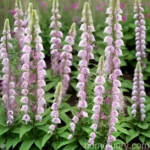
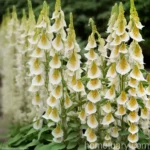
Digitalis obscura, commonly known as Sunset Foxglove, is a captivating plant species that belongs to the genus Digitalis. This striking plant is a member of the Scrophulariaceae family and is native to the Iberian Peninsula. Its botanical name “Digitalis obscura” originates from the Latin words “digitus” and “obscura,” which respectively refer to “finger” and “dark.” This nomenclature alludes to the plant’s tall, finger-like inflorescences that are characteristic of the Digitalis genus. The Sunset Foxglove shares its common name with other species of Digitalis, all of which are renowned for their breathtaking and elegant floral displays.
The Digitalis obscura species is renowned for its captivating sunset-colored flowers and unique foliage. This plant species has gained popularity not only for its aesthetic appeal but also for its cultural significance and medicinal properties. As we delve into the various aspects of Digitalis obscura, we will explore its culture, uses, and essential care requirements to help you cultivate and appreciate this beautiful plant in your own garden.
Key Takeaways – Digitalis obscura (Sunset Foxglove)
Digitalis obscura, also known as Sunset Foxglove, is a versatile and visually stunning plant with a range of important cultural and horticultural uses. Below are key takeaways highlighting the distinct characteristics and essential aspects of this captivating plant:
- Foxglove Plant: Digitalis obscura is a member of the Digitalis genus, which is renowned for its distinctive tubular flowers and vibrant colors.
- Sunset Foxglove: The plant is aptly named for its enchanting sunset-colored flowers, which add a touch of warmth and elegance to any garden or landscape.
- Cultural and Medicinal Uses: Beyond its ornamental value, Digitalis obscura has historical associations with traditional medicine and has been utilized for treating various ailments.
- Water Requirements: This plant thrives in well-draining soil and requires regular watering, especially during the active growing season.
- Sunlight Needs: Digitalis obscura flourishes in partial shade to full sun, making it adaptable to a range of lighting conditions.
- Fertilization: Proper fertilization, particularly with organic matter, can support the healthy growth of Sunset Foxglove.
- Soil Conditions: Well-drained and moderately fertile soil is essential for the successful cultivation of Digitalis obscura.
- Pruning: Pruning faded flowers and withered foliage is crucial for maintaining the plant’s aesthetic appeal and encouraging continuous blooming.
- Propagation: Sunset Foxglove can be propagated through seeds and division, offering options for expanding your plant collection.
- Container Gardening: This plant can thrive in containers, adding versatility to its potential uses in gardens and outdoor spaces.
As we embark on our exploration of Digitalis obscura, let’s delve into each of these key takeaways in detail, offering insights into the culture, uses, and essential care requirements for this captivating plant.
Culture
Digitalis obscura, or Sunset Foxglove, has a rich cultural history, and its diverse uses and adaptations have contributed to its enduring popularity among gardeners, botanists, and admirers of ornamental plants. Understanding the cultural significance of this plant provides valuable insights into its historical context and its evolving role in modern horticulture.
Uses
The Digitalis obscura, with its stunning sunset-colored flowers and distinctive foliage, serves a range of practical, cultural, and horticultural uses. Here are some notable uses of this captivating plant:
- Ornamental Beauty: The Sunset Foxglove is cultivated for its enchanting floral displays, which add vibrant colors and visual interest to garden beds, borders, and landscapes.
- Historical Medicinal Purposes: Throughout history, certain species of Digitalis, including Digitalis purpurea, have been used for medicinal purposes, particularly in the treatment of heart conditions. While the use of Digitalis plants in modern medicine is highly regulated and involves specific species, such as Digitalis lanata, Digitalis obscura holds historical significance in the realm of traditional medicine.
- Wildlife Habitat: The nectar-rich flowers of Digitalis obscura attract pollinators such as bees and butterflies, contributing to the support of local ecosystems.
- Cultural Symbolism: In the language of flowers, various species of Digitalis, including Digitalis obscura, are associated with different meanings. Foxglove plants are often linked to both positive and negative connotations, creating a complex symbolism that adds depth to their presence in gardens and bouquets.
The multifaceted uses of Digitalis obscura highlight its significance beyond its aesthetic appeal, emphasizing its role as a versatile and culturally significant plant.
Water
Water is a vital element for the successful cultivation of Digitalis obscura. Proper watering practices are essential for maintaining the plant’s health and facilitating its growth and blooming cycles. Here are some key considerations regarding the water requirements of Sunset Foxglove:
- Regular Watering: Digitalis obscura benefits from regular watering, particularly during the active growing season. While it does not tolerate waterlogged soil, it thrives in moderately moist conditions.
- Well-Draining Soil: Ensuring that the soil has adequate drainage is crucial for preventing waterlogged conditions, which can lead to root rot and other moisture-related issues.
- Natural Rainfall: Although the plant requires supplemental watering, it also benefits from occasional natural rainfall, especially during dry periods. However, it is important to balance moisture levels to prevent overwatering.
By paying careful attention to the plant’s water needs and providing appropriate irrigation, gardeners can optimize the health and vibrancy of Digitalis obscura in their landscapes.
Sunlight
Sunlight plays a pivotal role in the growth and development of Digitalis obscura. Understanding the plant’s sunlight preferences is essential for selecting appropriate planting locations and optimizing its overall health and blooming potential. Here are important considerations regarding the plant’s sunlight needs:
- Partial to Full Sun: Sunset Foxglove thrives in partial shade to full sun, making it adaptable to a range of lighting conditions. While it can tolerate partial shade, providing ample sunlight often results in robust growth and prolific flowering.
- Morning Sunlight: In regions with intense afternoon sunlight or high temperatures, providing morning sunlight and partial shade during the hottest part of the day can help prevent stress and sunscald.
Proper placement of Digitalis obscura in well-lit areas ensures that it receives the necessary sunlight for healthy growth and abundant flowering.
Fertilizer
Appropriate fertilization is essential for supporting the growth and vitality of Digitalis obscura. By providing the plant with essential nutrients, gardeners can encourage vigorous growth, robust flowering, and overall plant health. Here are important considerations regarding the fertilization of Sunset Foxglove:
- Organic Matter: Incorporating organic matter into the soil, such as compost or well-rotted manure, provides a natural source of nutrients and enhances soil structure. This organic matter contributes to the overall fertility and health of the soil, benefiting the growth of Digitalis obscura.
- Balanced Fertilizer: Applying a balanced fertilizer, such as a slow-release granular formula or a liquid fertilizer, can supplement the soil with essential nutrients, promoting healthy growth and blooming.
Balanced fertilization practices contribute to the development of robust and vibrant Digitalis obscura plants, enriching the landscape with their captivating floral displays.
Soil
The soil composition and quality play a critical role in the successful cultivation of Digitalis obscura. Understanding the plant’s soil preferences and providing suitable growing conditions are essential for ensuring optimal growth, root development, and overall plant health. Here are important considerations regarding the soil conditions for Sunset Foxglove:
- Well-Drained Soil: Digitalis obscura thrives in well-drained soil, which prevents waterlogging and facilitates healthy root development. Incorporating organic matter into the soil can improve its drainage capacity and overall quality.
- Moderately Fertile Soil: Providing moderately fertile soil supplies the plant with essential nutrients and supports its growth and blooming cycles. Amending the soil with compost or organic fertilizers can enhance its fertility and structure, creating an optimal growing environment for Digitalis obscura.
By selecting suitable planting locations and preparing the soil to meet the specific needs of the plant, gardeners can create an ideal growing environment for Digitalis obscura.
Pruning
Pruning is a valuable practice for maintaining the aesthetic appeal, health, and blooming performance of Digitalis obscura. By removing spent flowers and withered foliage, gardeners can encourage continuous blooming and reduce the risk of disease and pest issues. Here are key considerations regarding the pruning of Sunset Foxglove:
- Deadheading: Removing faded flowers, or deadheading, prevents the plant from expending energy on seed production and stimulates the development of new blooms. This practice prolongs the flowering period and enhances the overall appearance of the plant.
- Trimming Foliage: Trimming discolored or withered foliage promotes the plant’s health and aesthetics, preventing the accumulation of decaying plant material and potential disease issues.
Regular pruning and maintenance contribute to the longevity and visual appeal of Digitalis obscura, ensuring that it remains a focal point in the garden or landscape.
Propagation
Propagation offers gardeners the opportunity to expand their collection of Digitalis obscura and share the beauty of Sunset Foxglove with others. Understanding the various propagation methods and best practices enables individuals to cultivate new plants with confidence and success. Here are key considerations regarding the propagation of Digitalis obscura:
- Seed Propagation: Collecting seeds from mature Digitalis obscura plants and sowing them in suitable growing conditions can yield new seedlings. Proper seed starting techniques and a consistent care regimen support successful germination and healthy seedling development.
- Division: Dividing mature Digitalis obscura plants allows gardeners to create new individuals from existing clumps, making it a reliable method for propagation. Dividing the plant in early spring or fall, when it is not actively flowering, provides the best opportunity for successful division.
By exploring the diverse propagation methods available for Digitalis obscura, gardeners can enhance their gardening experiences and contribute to the cultivation of this captivating plant.
Container Popularity
Digitalis obscura possesses notable adaptability for container gardening, offering gardeners flexible options for incorporating its beauty into various outdoor spaces. The plant’s adaptability to container cultivation makes it an attractive choice for individuals seeking to introduce vibrant colors and ornamental interest to patios, balconies, and gardens with limited ground space. Here are the key aspects of the plant’s container popularity:
- Potted Displays: Planting Digitalis obscura in well-draining, appropriately sized containers allows individuals to create striking potted displays and accents in outdoor areas.
- Versatile Placement: Containers filled with Sunset Foxglove can be strategically placed on patios, deck edges, or entryways, enhancing the visual appeal of these outdoor spaces with vibrant floral displays.
- Space Optimization: Container gardening enables individuals to optimize available space and bring the beauty of Digitalis obscura to diverse outdoor environments, regardless of ground conditions or landscape limitations.
The adaptability of Digitalis obscura to container gardening provides gardeners with versatile options for introducing its captivating appeal to a wide range of outdoor settings.
Common Diseases
Digitalis obscura, while generally resilient, may be susceptible to certain diseases and health issues that can affect its growth and overall vitality. Understanding the common diseases and potential issues associated with Sunset Foxglove empowers gardeners to implement preventive measures and responsive strategies to protect their plants. Here are important considerations regarding the common diseases of Digitalis obscura:
- Leaf Spot: Fungal pathogens can cause unsightly leaf spot diseases, manifesting as discolored or necrotic spots on the foliage. Maintaining good air circulation and promptly removing affected leaves can help mitigate the spread of leaf spot diseases.
- Powdery Mildew: Powdery mildew, characterized by a powdery white growth on leaves, stems, and flowers, can affect Digitalis obscura under conditions of high humidity or poor air circulation. Implementing cultural practices that promote air movement and using preventive fungicidal treatments can help manage powdery mildew issues.
- Crown Rot: Excessive soil moisture or poor drainage can lead to crown rot, a fungal disease that affects the base of the plant and causes rotting and collapse. Ensuring proper soil drainage and avoiding overwatering are essential for preventing crown rot.
By remaining vigilant and responsive to potential disease issues, gardeners can safeguard the health and vigor of Digitalis obscura, promoting its continuous beauty in the garden.
Disease Diagnosis
Detecting and diagnosing diseases in Digitalis obscura is crucial for implementing targeted treatment and control measures. Gardeners can employ visual cues and key symptoms to identify potential diseases and take appropriate action. Here are important considerations for disease diagnosis in Sunset Foxglove:
- Visual Symptoms: Observing the foliage, stems, and flowers for unusual discoloration, spots, or growth abnormalities can provide insight into the presence of potential diseases.
- Diagnostic Resources: Leveraging diagnostic resources, such as plant pathology guides or local extension services, can help gardeners accurately identify diseases and determine effective management strategies.
- Professional Consultation: Seeking guidance from horticultural professionals or plant health experts can provide valuable insights and recommendations for addressing specific disease issues.
Effective disease diagnosis empowers gardeners to implement timely and targeted interventions, preserving the health and beauty of Digitalis obscura in the garden.
Common Pests
While Digitalis obscura is generally resistant to pests, it may occasionally encounter pest-related challenges that require attention and management. Understanding the common pests that may affect Sunset Foxglove allows gardeners to proactively monitor their plants and respond to potential infestations. Here are important considerations regarding the common pests of Digitalis obscura:
- Aphids: These small, sap-sucking insects can colonize the tender foliage and stems of Digitalis obscura, potentially causing distortion and leaf curl. Introducing natural predators, such as ladybugs, or using targeted insecticidal treatments can help manage aphid populations.
- Snails and Slugs: These mollusks can feed on the foliage and flowers of Digitalis obscura, leaving behind distinctive feeding marks and damage. Implementing physical barriers, such as copper tape, and employing organic control methods can help deter snails and slugs from infesting the plant.
- Spider Mites: Spider mites, tiny arachnids that feed on plant sap, can cause stippling and discoloration on the foliage of Digitalis obscura. Creating a less hospitable environment through increased humidity and employing predatory mites can help control spider mite infestations.
By monitoring for potential pest activity and employing targeted pest management strategies, gardeners can protect Digitalis obscura from the impact of common pests, preserving its health and ornamental value.
Botanist’s Tips
Botanists offer valuable insights and expertise on the cultivation and appreciation of plants, including Digitalis obscura. Their tips and recommendations can enhance the gardening experience and contribute to the successful and enjoyable cultivation of Sunset Foxglove. Here are a few botanist’s tips focused on Digitalis obscura:
- Proper Spacing: When planting Digitalis obscura, provide adequate spacing between individual plants to promote air circulation and prevent overcrowding, which can lead to disease issues and reduced vigor.
- Mulching: Applying a layer of organic mulch around the base of Digitalis obscura can help retain soil moisture, regulate soil temperature, and suppress weed growth, supporting the plant’s overall health and performance.
- Supportive Structures: In regions with strong winds or inclement weather, providing supportive structures such as stakes or cages can help prevent stem breakage and ensure the upright growth of Digitalis obscura.
Incorporating botanist’s tips into the cultivation and care of Digitalis obscura can contribute to the plant’s health, longevity, and ornamental impact in the garden.
Fun Facts
Dive into the world of Digitalis obscura with these engaging and intriguing fun facts about Sunset Foxglove:
- Historical Lore: Digitalis obscura is steeped in historical lore and mythological connections, adding to its mystique and cultural significance.
- Tall Inflorescences: The plant’s distinctive tall, finger-like inflorescences contribute to its unique visual appeal, distinguishing it from other Digitalis species.
- Visits from Pollinators: The nectar-rich flowers of Digitalis obscura attract a variety of pollinators, adding liveliness and ecological value to the garden.
- Cultural Significance: The plant holds cultural significance in various regions, with associations to folklore, traditional medicine, and symbolic meanings.
These fun facts offer a glimpse into the captivating allure and historical resonance of Digitalis obscura, enriching the experience of cultivating and appreciating this remarkable plant.
Links to External Resources
Explore additional resources and information on Digitalis obscura, also known as Sunset Foxglove, through the following external links:
Conclusion
Digitalis obscura, or Sunset Foxglove, presents a captivating botanical experience, enriched by its ornamental beauty, cultural significance, and ecological contributions. By appreciating and understanding the various facets of this remarkable plant, from its cultural uses to its care requirements, individuals can cultivate and cherish the enchanting allure of Digitalis obscura in their gardens and outdoor spaces. Whether admired for its sunset-colored flowers, historical lore, or ecological interactions, Sunset Foxglove continues to captivate and inspire plant enthusiasts and gardening enthusiasts around the world. Embracing the botanical diversity and cultural resonance of Digitalis obscura offers a deeply rewarding journey into the world of horticulture and plant appreciation, ensuring its enduring presence in the tapestry of garden landscapes and floral displays.
The blog post offers an in-depth exploration of Digitalis obscura (Sunset Foxglove), encompassing its cultural significance, care requirements, common diseases, and botanist’s tips. By incorporating informative content and engaging fun facts, the piece aims to provide a comprehensive understanding of this enchanting plant, enriching readers’ appreciation and knowledge of Digitalis obscura. The inclusion of external resource links serves to broaden the scope