The Captivating Yellow Foxglove (Digitalis grandiflora)
The Yellow Foxglove, scientifically known as Digitalis grandiflora, is a striking perennial plant that captivates with its beautiful flowers and fascinating features. In this comprehensive guide, we will explore the various aspects of this enchanting plant, including its cultivation, uses, maintenance, and other essential information. Whether you are a seasoned gardener, a nature enthusiast, or someone intrigued by the wonders of the plant kingdom, the Yellow Foxglove will undoubtedly spark your interest with its allure and charm.
What is Digitalis grandiflora (Yellow Foxglove)?
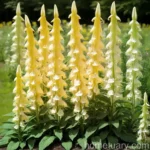
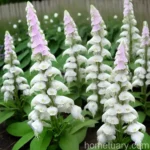
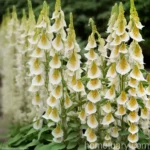
Digitalis grandiflora, commonly referred to as the Yellow Foxglove, is a species of flowering plant belonging to the family Plantaginaceae. Originating from southern Europe, this herbaceous perennial is renowned for its tall spikes of tubular, bell-shaped yellow flowers that bloom during the late spring and early summer. The distinct appearance and graceful demeanor of the Yellow Foxglove make it a prized addition to gardens, landscapes, and natural habitats.
Key Takeaways – Digitalis grandiflora (Yellow Foxglove)
Here are some key points to remember about Digitalis grandiflora:
- Plant Name: Digitalis grandiflora (Yellow Foxglove)
- Family: Plantaginaceae
- Native Habitat: Southern Europe
- Flowering Period: Late spring to early summer
- Flower Color: Yellow
- Plant Type: Herbaceous Perennial
- Sunlight: Partial to full sun
- Watering: Moderate
- Uses: Ornamental, medicinal
- Growth Habit: Upright, clump-forming
- Hardiness: USDA Zones 4-8
Now, let’s delve deeper into the various aspects of cultivating and caring for the alluring Yellow Foxglove.
Cultivation of Digitalis grandiflora
Cultivating Digitalis grandiflora requires attention to several key aspects such as water, sunlight, fertilization, soil, and pruning. Proper cultivation practices are vital in ensuring the plant’s health and the vibrancy of its blooms.
Uses
The Yellow Foxglove serves multiple purposes, making it a versatile and valuable addition to various settings. Its primary uses include:
-
Ornamental: The striking yellow flowers of Digitalis grandiflora add vibrancy and elegance to garden beds, borders, and naturalistic landscapes.
-
Medicinal: Historically, foxgloves have been used for medicinal purposes, particularly in cardiac treatment. However, it is crucial to note that the plant contains potent cardiac glycosides and should be used with extreme caution and under professional guidance.
Water
While Digitalis grandiflora appreciates regular moisture, it is essential to ensure well-draining soil to prevent waterlogging. Consistent, moderate watering is ideal, especially during dry spells or periods of prolonged heat.
Sunlight
The Yellow Foxglove thrives in partial to full sun conditions. Adequate sunlight is crucial for the plant’s overall health and robust flower production.
Fertilizer
Applying a balanced, slow-release fertilizer in the early spring can promote healthy growth and flowering. However, it is important to avoid excessive fertilization, which can lead to lush foliage at the expense of flower production.
Soil
Digitalis grandiflora prefers humus-rich, well-draining soil. Amending the soil with organic matter can enhance its texture and fertility, creating an optimal environment for the plant’s development.
Pruning
Deadheading spent blooms not only maintains the plant’s aesthetic appeal but also encourages prolonged flowering. Additionally, removing any withered or damaged foliage can improve air circulation around the plant, reducing the risk of disease.
Propagation of Digitalis grandiflora
The propagation of Yellow Foxglove can be achieved through various methods such as seed sowing, division, and stem cuttings. Each approach offers unique advantages and considerations, allowing for flexibility in expanding or sharing the plant.
Seed Sowing
Sowing Digitalis grandiflora seeds in a well-prepared seedbed or containers offers a cost-effective and natural means of propagation. By ensuring adequate moisture and favorable germination conditions, new plants can readily emerge from the seeds.
Division
Dividing mature clumps of Digitalis grandiflora allows for the creation of new plants while rejuvenating existing ones. This method is particularly beneficial for enhancing plant density and vigor.
Stem Cuttings
Taking stem cuttings from healthy, non-flowering shoots presents an effective way to propagate Yellow Foxglove. With proper care and favorable rooting conditions, these cuttings can develop into independent plants, perpetuating the beauty of the species.
Container Popularity
Digitalis grandiflora’s striking appearance and graceful growth habit make it a popular choice for container gardening. The plant’s upright form and striking flowers add a captivating allure to container displays and provide an excellent option for individuals with limited garden space or those seeking to create portable ornamental arrangements.
Container Common Diseases
When cultivating Digitalis grandiflora in containers, it is essential to be aware of potential issues such as root rot and fungal diseases, which can arise due to overwatering or poor soil drainage. Vigilance in container care and maintenance is crucial in mitigating these challenges and promoting the plant’s well-being.
Disease Diagnosis
Regular observation and attention to the plant’s growth and appearance can aid in the early detection of any signs of disease. Prompt identification and appropriate action, such as adjusting watering practices or implementing targeted treatments, can prevent the progression of diseases and preserve the plant’s vitality.
Common Pests
Though generally resilient, Digitalis grandiflora may occasionally encounter pests such as aphids, spider mites, and slugs. Monitoring the plant for any pest activity and employing suitable control measures, including organic remedies or cultural practices, can effectively manage pest infestations while maintaining the plant’s natural balance.
Botanist’s Tips for Digitalis grandiflora Care
For enthusiasts seeking to cultivate Digitalis grandiflora, incorporating these tips into their care routine can enhance the plant’s health and performance:
-
Mulching: Applying a layer of organic mulch around the base of the plant can conserve soil moisture, suppress weed growth, and provide insulation to the roots.
-
Support: Taller varieties of Digitalis grandiflora may benefit from discreet staking or support to prevent the flower spikes from bending or leaning excessively.
-
Wildlife Enhancement: The presence of Digitalis grandiflora can attract pollinators, including bees and butterflies, contributing to the ecological diversity of the surrounding area.
-
Overwintering: In regions with harsh winters, providing a protective layer of mulch or straw around the plant’s base can safeguard the roots from extreme cold and frost.
Fun Facts about Digitalis grandiflora
The captivating Yellow Foxglove, with its rich history and fascinating characteristics, harbors several intriguing facts that contribute to its allure and appeal:
-
The genus name “Digitalis” is derived from the Latin term “digitus,” meaning “finger,” referring to the tubular shape of the plant’s flowers.
-
Digitalis grandiflora is renowned for its long-lasting blooms, providing an extended period of visual delight in garden landscapes.
-
Though prized for its ornamental value, the plant’s distinctive flowers also lend themselves to floral arrangements, adding a touch of natural elegance to indoor spaces.
-
Digitalis grandiflora holds symbolic significance in different cultures, often representing various themes such as protection, fascination, or humility.
Links to External Resources
For further exploration and in-depth insights into Digitalis grandiflora, the following external resources offer valuable information and perspectives:
-
University of Wisconsin-Madison – Digitalis grandiflora in the Garden
-
American Society for the Prevention of Cruelty to Animals (ASPCA) – Plants Toxic to Animals
Disclaimer: The links provided are for informational purposes and do not imply an endorsement of the content by the author.
In conclusion, the enchanting Yellow Foxglove, Digitalis grandiflora, stands as a captivating testament to nature’s artistry, enriching gardens, landscapes, and hearts with its radiant beauty and enduring charm. By embracing the principles of its cultivation, caring for its well-being, and appreciating its inherent splendor, individuals can experience the timeless allure of this remarkable plant.
Whether adorning the garden with its golden blooms, adding a touch of elegance to floral arrangements, or contributing to the ecological tapestry through its wildlife appeal, the Yellow Foxglove continues to captivate and inspire, leaving an indelible mark in the realm of botanical wonder.