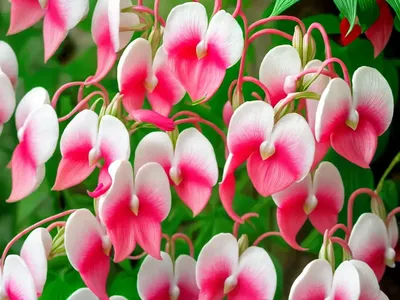
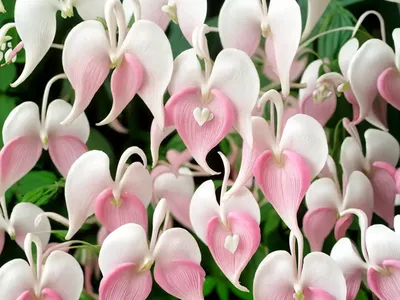
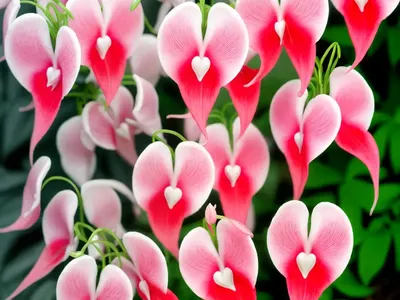
Dicentra Spectabilis ‘Alba’ (Bleeding Heart)
Bleeding Heart is a well-loved perennial plant, especially in shade gardens, known for its unique heart-shaped flowers and stunning visual appeal. Among.
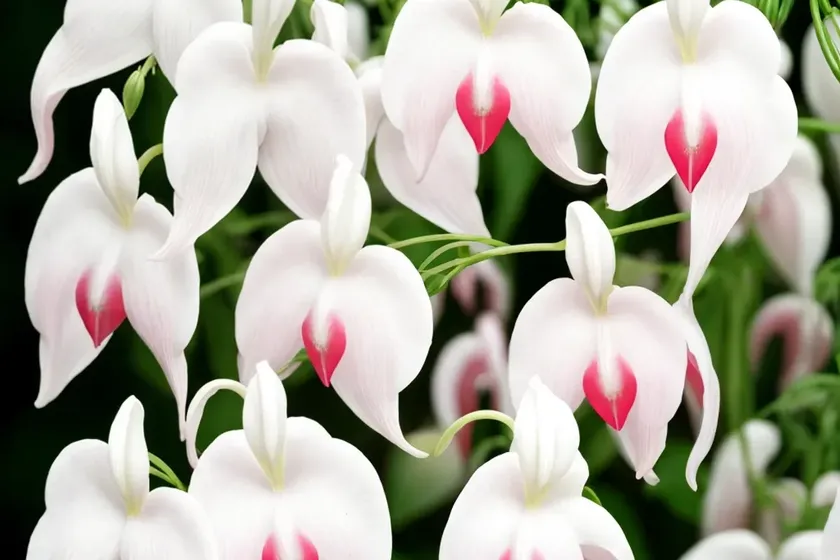
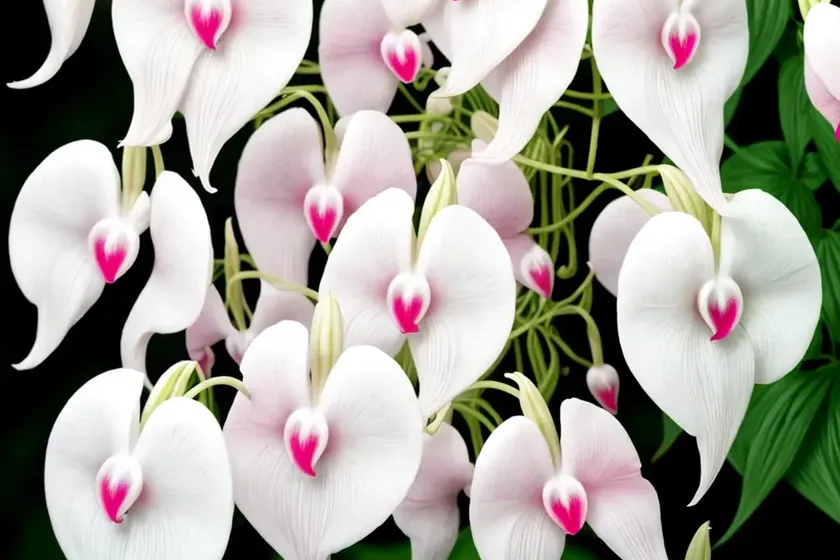
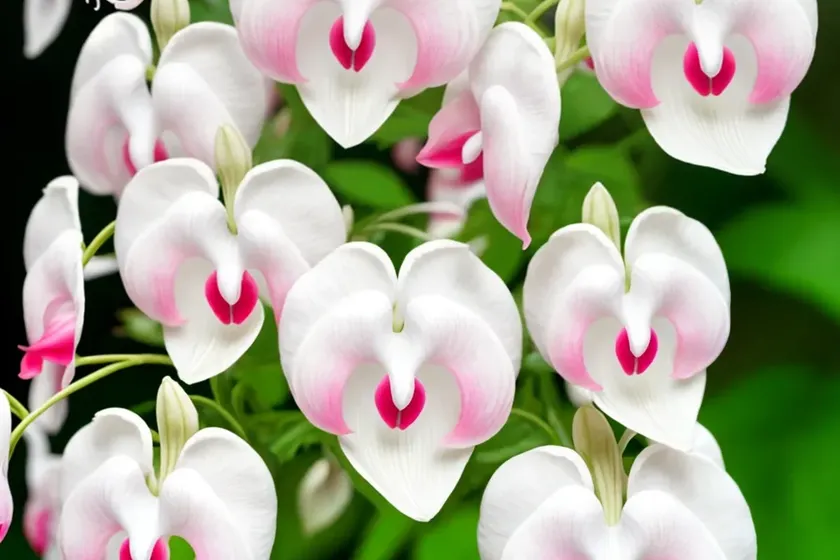
Bleeding Heart is a well-loved perennial plant, especially in shade gardens, known for its unique heart-shaped flowers and stunning visual appeal. Among the various varieties, Dicentra spectabilis ‘Alba’, commonly known as the White Bleeding Heart, is a particularly striking choice. In this comprehensive guide, we will delve into the fascinating world of this captivating plant – from its cultural requirements to propagation, common diseases, and everything in between.
What is Dicentra spectabilis ‘Alba’ (Bleeding Heart)?
Dicentra spectabilis ‘Alba’, a member of the Papaveraceae family, is a herbaceous perennial with distinct fern-like foliage and arching stems. This variety is renowned for its graceful, drooping racemes of heart-shaped, pure white flowers that bloom from late spring to early summer. Originating from Asia, it has gained popularity as an ornamental plant in gardens worldwide.
The plant’s unique structure, delicate appearance, and enchanting coloration make it a cherished addition to gardens, particularly in shaded areas. Its elegant, pendulous flowers create a soft, ethereal ambiance and can serve as a focal point in various landscape designs. The name “Bleeding Heart” stems from the flower’s resemblance to a small, dangling heart with a ‘bleeding’ drop at the bottom, adding to its allure.
Key Takeaways – Dicentra spectabilis ‘Alba’ (Bleeding Heart)
Before delving into the specifics of caring for the Dicentra spectabilis ‘Alba’ (Bleeding Heart), it’s essential to highlight some key takeaways about this stunning plant. These points provide a concise overview of its characteristics and cultural requirements, serving as a foundation for understanding and nurturing it effectively.
- Common Name: Bleeding Heart, White Bleeding Heart
- Scientific Name: Dicentra spectabilis ‘Alba’
- Family: Papaveraceae
- Flower Color: White
- Blooming Season: Late spring to early summer
- Cultural Preference: Shade, well-drained soil
- Distinct Feature: Heart-shaped flowers with drooping racemes
Culture
Understanding the cultural requirements of Dicentra spectabilis ‘Alba’ is crucial for successfully growing and maintaining this captivating plant. From its preference for soil type to optimal sunlight conditions, a grasp of its cultural needs provides a solid foundation for creating an environment where it can thrive.
Uses
Let’s explore the various uses and applications of Dicentra spectabilis ‘Alba’ in garden and landscape settings.
- Garden Borders: The graceful, arching stems and white, heart-shaped flowers make it an exquisite addition to garden borders, bringing an air of elegance and charm.
- Shade Gardens: Its preference for shade makes it an ideal choice for shaded areas, where its delicate blooms and fern-like foliage can brighten up the landscape.
- Container Planting: Dicentra spectabilis ‘Alba’ can thrive in containers, adding a touch of grace to patios, balconies, and other outdoor spaces.
Water
Proper watering is essential for the health and vitality of Dicentra spectabilis ‘Alba’. Understanding its water requirements is pivotal in ensuring its well-being.
- Moisture: While the plant appreciates moist soil, it’s crucial to avoid waterlogged conditions that may lead to root rot. Consistent, moderate moisture is ideal, especially during the growing season.
Sunlight
Dicentra spectabilis ‘Alba’ exhibits a preference for shaded environments, making it an excellent choice for areas with limited direct sunlight.
- Shade Tolerance: The plant thrives in partial to full shade, where it can showcase its delicate flowers without being subjected to harsh sunlight.
Fertilizer
Appropriate fertilization can enhance the growth and blooming of Dicentra spectabilis ‘Alba’, promoting lush foliage and abundant, vibrant flowers.
- Fertilization Schedule: Feeding the plant with a balanced, slow-release fertilizer in early spring before the blooming period can support its overall health and vigor.
Soil
Understanding the soil preferences of Dicentra spectabilis ‘Alba’ is crucial for providing it with an optimal growing environment.
- Well-Drained Soil: The plant thrives in rich, well-drained soil, benefiting from organic matter that promotes moisture retention without sacrificing drainage.
Pruning
Pruning plays a vital role in maintaining the health, shape, and blooming of Dicentra spectabilis ‘Alba’.
- Post-Blooming Pruning: Trimming back the foliage and spent blooms after the flowering period can encourage new growth and potentially a second flush of flowers.
Propagation
Propagation methods enable gardeners to multiply their Dicentra spectabilis ‘Alba’ and expand its presence in their gardens.
- Division: Dividing established clumps in early spring or fall can be an effective way to propagate the plant and create new specimens.
Container Popularity
Dicentra spectabilis ‘Alba’ has gained popularity as a container plant due to its elegant appearance and adaptability to container gardening.
- Container Planting: Its graceful form and attractive flowers make it an excellent choice for containers, adding beauty to outdoor living spaces.
Container
When considering container planting of Dicentra spectabilis ‘Alba’, selecting the right container and understanding its specific needs can contribute to its success in container gardens.
- Container Size: Choosing a spacious container that provides ample room for root development and moisture retention is ideal for the plant’s well-being.
Common Diseases
Awareness of potential diseases and their preventive measures is crucial for maintaining the health and vitality of Dicentra spectabilis ‘Alba’.
- Fungal Diseases: The plant may be susceptible to fungal diseases such as powdery mildew, particularly in humid conditions, necessitating proper air circulation and preventive treatments.
Disease Diagnosis
Prompt identification and diagnosis of potential diseases affecting Dicentra spectabilis ‘Alba’ are essential for timely intervention and management.
- Visual Symptoms: Monitoring for signs of discoloration, wilting, or unusual spots on the foliage can help in diagnosing potential diseases early on.
Common Pests
Understanding the potential pests that may target Dicentra spectabilis ‘Alba’ is vital for implementing preventive measures and interventions.
- Aphids: These small, sap-sucking insects may infest the plant, requiring timely treatment to prevent damage to the foliage and flowers.
Botanist’s Tips
Drawing insights from botanists and gardening experts can provide valuable guidance for nurturing Dicentra spectabilis ‘Alba’ and maximizing its ornamental appeal.
- Mulching: Applying a layer of organic mulch around the plant can help maintain soil moisture and suppress weed growth, contributing to its overall health.
Fun Facts
Discovering intriguing and lesser-known facts about Dicentra spectabilis ‘Alba’ can foster a deeper appreciation for this captivating plant.
- Symbolism: The “Bleeding Heart” name is associated with romantic symbolism, representing love and compassion, adding a poetic element to its allure.
Links to External Resources
Exploring additional resources and sources of information on Dicentra spectabilis ‘Alba’ can further enrich the understanding of this enchanting plant and provide valuable insights for its care and cultivation.
Conclusion
In conclusion, Dicentra spectabilis ‘Alba’ (Bleeding Heart) stands as a captivating plant with its exquisite, heart-shaped flowers and graceful presence. Understanding its cultural preferences, propagation methods, potential diseases, and other aspects discussed in this guide can empower gardeners to cultivate and appreciate this stunning perennial to its fullest potential.
By offering a soft, ethereal charm and thriving in shaded environments, Dicentra spectabilis ‘Alba’ continues to enchant gardeners and landscape enthusiasts, contributing to the beauty of diverse outdoor spaces. Embracing the nuances of caring for this unique plant can ultimately lead to a rewarding and visually captivating garden adorned with the delicate, pendulous blooms of the White Bleeding Heart.
Through the careful application of the insights provided, gardeners can embark on a fulfilling journey of nurturing and celebrating the enchanting presence of Dicentra spectabilis ‘Alba’ in their outdoor sanctuaries.
References
- Missouri Botanical Garden. (n.d.). Dicentra spectabilis. Retrieved from http://www.missouribotanicalgarden.org/PlantFinder/PlantFinderDetails.aspx?taxonid=277219&isprofile=0&
- Royal Horticultural Society. (2021). Bleeding Heart. Retrieved from https://www.rhs.org.uk/plants/105671/i-dicentra-spectabilis-i/details