Dicentra Formosa ‘Ivory Hearts’ (Pacific Bleeding Heart)
As a plant scientist with a passion for horticulture and plant care, I am thrilled to delve into the wonderful world of Dicentra formosa ‘Ivory Hearts,’.
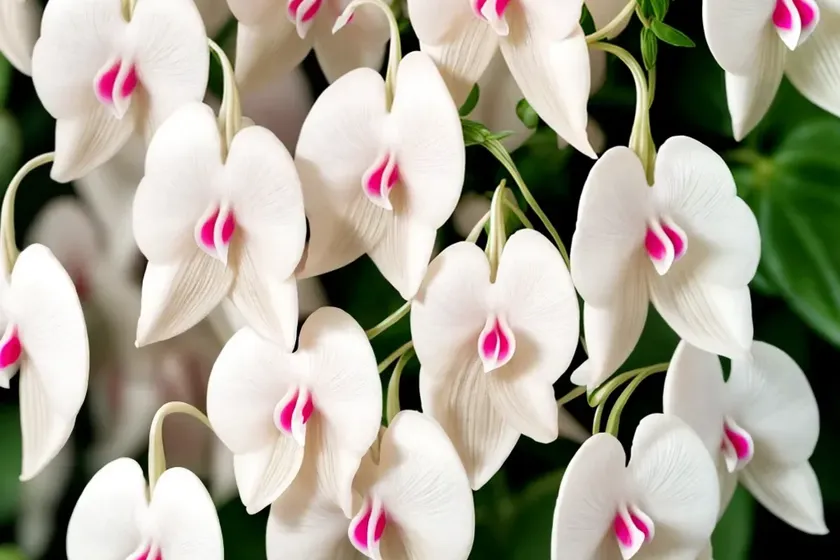
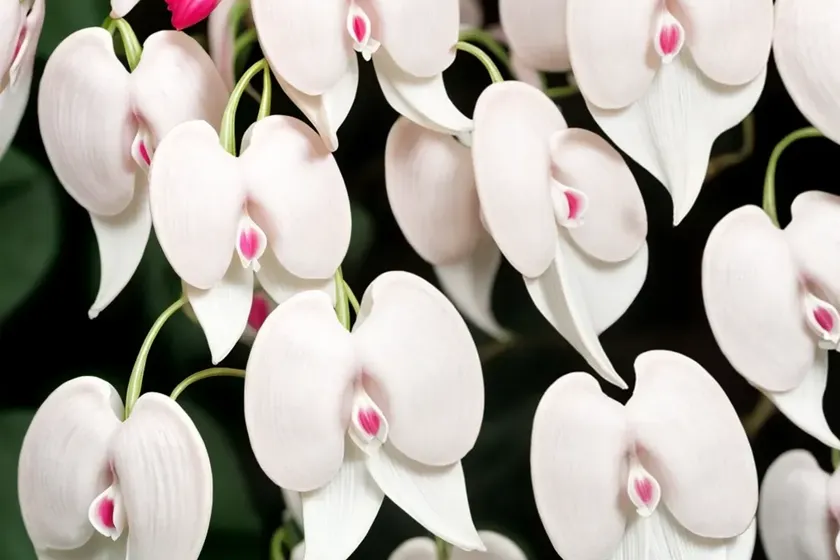
As a plant scientist with a passion for horticulture and plant care, I am thrilled to delve into the wonderful world of Dicentra formosa ‘Ivory Hearts,’ also known as the Pacific Bleeding Heart. This remarkable plant is adored by gardeners for its delicate, heart-shaped flowers and graceful foliage. In this comprehensive guide, we will explore everything from its cultural requirements and uses to its propagation, pruning, common pests, and diseases. Not only will we discuss its care and maintenance, but we’ll also uncover some fun and intriguing facts about this beautiful perennial. Let’s embark on a journey to discover the enchanting world of Dicentra formosa ‘Ivory Hearts’!
What is Dicentra formosa ‘Ivory Hearts’ (Pacific Bleeding Heart)?
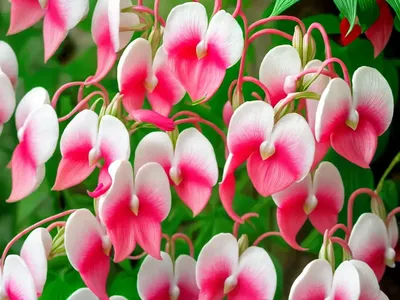
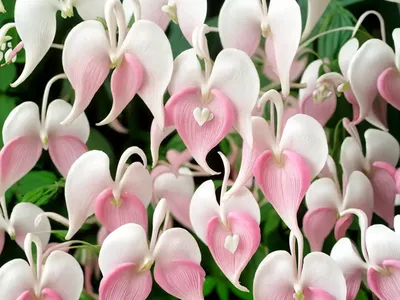
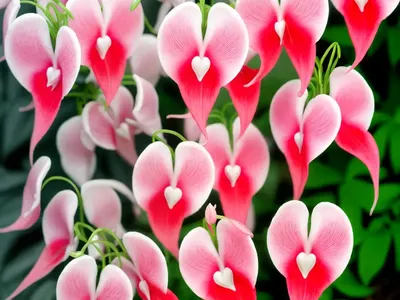
Known for its unique and elegant appearance, Dicentra formosa ‘Ivory Hearts’ is a herbaceous perennial plant native to the western regions of North America. This species belongs to the Papaveraceae family and is recognized for its distinct, dangling, heart-shaped flowers that bloom above lacy, blue-green foliage. The common name “Bleeding Heart” is derived from the appearance of its pink or white flowers, which, when in full bloom, resemble a string of lady’s dancing in the breeze.
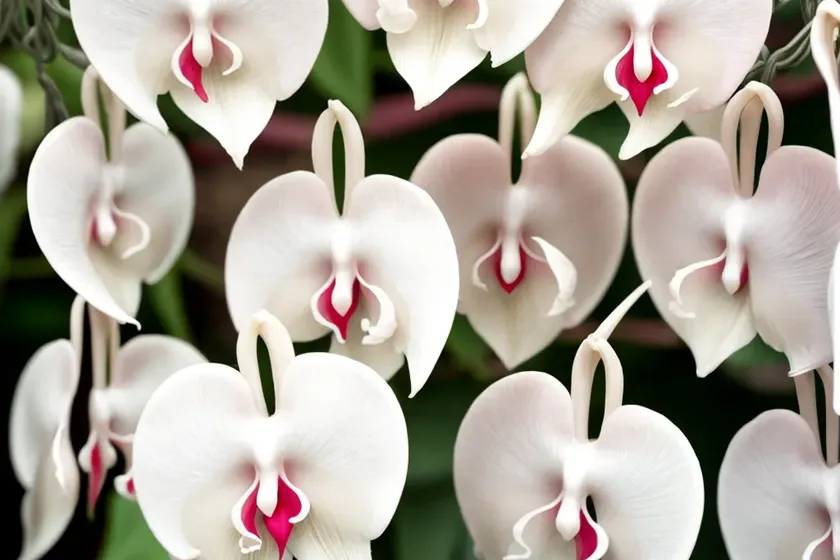
The ‘Ivory Hearts’ variety is particularly valued for its exceptionally pure white flowers, which add a touch of sophistication to any garden setting. This charming plant emerges in late spring and typically continues to bloom throughout the spring and early summer months, bringing visual delight to garden landscapes.
Key Takeaways – Dicentra formosa ‘Ivory Hearts’ (Pacific Bleeding Heart)
Before we delve into the specific cultural requirements and care tips, here are a few key takeaways about Dicentra formosa ‘Ivory Hearts’:
- Scientific Name: Dicentra formosa ‘Ivory Hearts’
- Common Name: Pacific Bleeding Heart
- Distinct Feature: Pure white, heart-shaped flowers
- Plant Type: Herbaceous perennial
- Blooming Season: Late spring to early summer
- Foliage: Blue-green, lacy leaves
- Family: Papaveraceae
Now, let’s explore the essential aspects of its cultivation, from the ideal growing conditions to its maintenance and care tips.
Culture
Cultivating Dicentra formosa ‘Ivory Hearts’ requires a good understanding of its specific cultural requirements. From the type of soil it prefers to its sunlight needs, each aspect plays a crucial role in the successful growth and development of this enchanting plant.
Uses
Before we delve into the specific cultural requirements and care tips, here are a few key takeaways about Dicentra formosa ‘Ivory Hearts’:
- Scientific Name: Dicentra formosa ‘Ivory Hearts’
- Common Name: Pacific Bleeding Heart
- Distinct Feature: Pure white, heart-shaped flowers
- Plant Type: Herbaceous perennial
- Blooming Season: Late spring to early summer
- Foliage: Blue-green, lacy leaves
- Family: Papaveraceae
Now, let’s explore the essential aspects of its cultivation, from the ideal growing conditions to its maintenance and care tips.
Culture
Cultivating Dicentra formosa ‘Ivory Hearts’ requires a good understanding of its specific cultural requirements. From the type of soil it prefers to its sunlight needs, each aspect plays a crucial role in the successful growth and development of this enchanting plant.
Uses
- Borders and Edges: The delicate and graceful appearance of Dicentra formosa ‘Ivory Hearts’ makes it a wonderful addition to borders, where its elegant foliage and charming flowers can create a soft and natural edge to a garden bed.
- Woodland Gardens: With its origin in wooded areas, this plant thrives in woodland garden settings and can be used to add a touch of wild beauty to shaded areas.
- Container Planting: Its compact size and lovely appearance make ‘Ivory Hearts’ an excellent choice for container gardening, allowing it to be showcased on patios, balconies, and in shaded courtyards.
Water
Proper watering is crucial for the health and vitality of Dicentra formosa ‘Ivory Hearts.’ Given its preference for moister conditions, consistent and adequate moisture levels are essential for its well-being. While it is not tolerant of waterlogged soils, it thrives in consistently moist, well-draining substrates.
- Watering Frequency: During the growing season, regular watering is required to maintain soil moisture, particularly during extended dry periods. However, it’s important to avoid over-watering, as this can lead to root rot and other moisture-related issues.
- Mulching: Applying a layer of organic mulch around the base of the plant can help retain soil moisture, reduce water evaporation, and provide insulation to the root system during temperature fluctuations.
Sunlight
The light requirements of Dicentra formosa ‘Ivory Hearts’ are a crucial consideration for its successful cultivation. As a shade-loving plant, it thrives in locations with filtered or partial shade, particularly in warmer climates. In regions with intense, direct sunlight, it benefits from protection during the hottest parts of the day.
- Ideal Light Conditions: Plant ‘Ivory Hearts’ in a location that receives dappled sunlight or partial shade, such as under the canopy of deciduous trees or in areas shielded from direct midday sun.
- Limiting Direct Sun Exposure: In warmer climates, protecting the plant from prolonged exposure to direct sunlight is essential, as it can cause foliage burn and stress the plant, affecting its overall health and vitality.
Soil
Understanding the soil preferences of Dicentra formosa ‘Ivory Hearts’ is vital for creating an optimal growing environment. The quality and composition of the soil directly impact the plant’s growth, development, and ability to thrive.
- Soil Type: Well-draining, fertile soils with high organic matter content are ideal for ‘Ivory Hearts.’ A slightly acidic to neutral pH level (pH 6.0-7.0) is preferred, and the soil should be loose and rich in nutrients.
- Organic Matter: Amending the planting site with organic matter, such as compost or well-rotted leaf mold, contributes to soil structure, moisture retention, and nutrient availability, promoting healthy growth.
- Moisture Retention: Ensuring the soil has good moisture-retention capabilities without becoming waterlogged is essential for the well-being of Dicentra formosa ‘Ivory Hearts.’
Fertilizer
Fertilizing Dicentra formosa ‘Ivory Hearts’ is essential for providing essential nutrients that support vigorous growth, healthy foliage, and abundant flowering. However, it’s important to apply fertilizers judiciously to prevent overfeeding, which can lead to adverse effects on the plant’s health.
- Fertilizer Type: Using a balanced, slow-release fertilizer with a formulation tailored for flowering perennials is suitable for ‘Ivory Hearts.’ This type of fertilizer provides a gradual release of nutrients, supporting sustained growth and blooming.
- Application Timing: It’s best to apply fertilizer in early spring as new growth emerges, and then again after the first wave of flowering has finished. Avoid excessive fertilization, especially during the hotter months, as this can negatively impact the plant.
Pruning
Proper pruning plays a vital role in the maintenance and health of Dicentra formosa ‘Ivory Hearts.’ Well-timed and well-executed pruning helps maintain the plant’s shape, encourages new growth, and prolongs the flowering period.
- Removing Spent Flowers: Deadheading the spent blooms not only encourages new flower production but also prevents the plant from directing energy into seed production, promoting a prolonged blooming period.
- Pruning After Flowering: After the initial flowering period, trimming back the foliage can help rejuvenate the plant, promoting fresh growth and a potential second flush of blooms later in the season.
Propagation
Propagating Dicentra formosa ‘Ivory Hearts’ allows enthusiasts to expand their collection and share the beauty of this charming plant with others. While it can be propagated from seeds, division is a more common and reliable method.
- Division: Dividing established clumps in early spring or late summer can be a successful method for propagating ‘Ivory Hearts.’ Using a sharp, sterilized tool, carefully separate the clumps into smaller sections, ensuring each division has healthy roots and shoots.
- Rooting Hormone: Applying a rooting hormone to the cut ends can support the development of strong, healthy root systems, improving the success rate of propagation.
- Transplanting: Plant the divisions in prepared soil, maintain adequate moisture, and provide protection from excessive sunlight until they are established in their new location.
Container Popularity
The compact size and appealing attributes of Dicentra formosa ‘Ivory Hearts’ make it an excellent candidate for container gardening. Its elegance and charm can grace balconies, terraces, and other outdoor living areas, bringing a touch of natural beauty to confined spaces.
- Container Selection: Choose a container that provides adequate room for the plant’s root system to grow, with drainage holes to prevent waterlogging.
- Potting Mix: Use a well-draining, high-quality potting mix rich in organic matter to promote healthy growth and prevent water-related issues.
- Maintenance: Regular watering and occasional feeding are essential for container-grown ‘Ivory Hearts.’ Additionally, monitoring and adjusting its position to ensure it receives the ideal light conditions are important for its well-being.
Common Diseases
Like all plants, Dicentra formosa ‘Ivory Hearts’ is susceptible to certain diseases, some of which can impact its growth and overall health. Understanding the prevalent diseases and their prevention measures is essential for safeguarding the plant.
- Fungal Diseases: Issues such as powdery mildew and leaf spot can affect ‘Ivory Hearts,’ particularly in humid and poorly ventilated conditions. Using preventive measures, such as spacing plants adequately and promoting air circulation, can help mitigate fungal diseases.
- Root Rots: Overly wet and poorly drained soil can lead to root rot, impacting the plant’s ability to take up water and nutrients. Ensuring proper soil drainage and avoiding waterlogging is crucial for preventing this issue.
- Viral Infections: While less common, viral diseases can impact the health and vigor of ‘Ivory Hearts.’ Preventing the introduction and spread of viruses through proper sanitation practices can help maintain a healthy plant population.
Disease Diagnosis
Diagnosing plant diseases is a crucial skill for gardeners and plant enthusiasts, as early detection and appropriate treatment can help mitigate the impact of diseases on plant health.
- Symptom Recognition: Being able to recognize the symptoms of common diseases, such as spots on leaves, wilting, or unusual discoloration, is essential for diagnosing issues promptly.
- Resource Utilization: Leveraging resources such as extension services, gardening forums, and botanical gardens can provide additional support and guidance in disease identification and management.
Common Pests
In addition to diseases, Dicentra formosa ‘Ivory Hearts’ may also be susceptible to pest infestations, which can affect its overall health and appearance. Being vigilant and proactive in pest management is essential for mitigating potential damage.
- Aphids: These small, sap-sucking insects can cluster on the undersides of leaves, impacting the plant’s vigor. Regularly inspecting the foliage and using methods such as blasting with water or introducing natural predators can help manage aphid populations.
- Slugs and Snails: These pests are particularly fond of the tender foliage of ‘Ivory Hearts’ and can cause extensive damage. Using barriers, such as copper tape or diatomaceous earth, and removing hiding spots can help reduce slug and snail activity.
- Spider Mites: These tiny arachnids can cause stippling and discoloration of leaves. Monitoring the undersides of leaves and utilizing insecticidal soap or horticultural oils can help manage spider mite infestations.
Botanist’s Tips
Drawing on my expertise as a plant scientist, I’ve compiled a set of valuable tips for cultivating and caring for Dicentra formosa ‘Ivory Hearts.’
- Observation: Regularly observing the plant, including its foliage and flowers, is essential for promptly identifying any signs of stress, disease, or pest infestations.
- Moisture Management: Ensuring consistent, adequate moisture without waterlogging is crucial for the health of ‘Ivory Hearts.’ Monitoring soil moisture levels and adjusting watering practices according to weather conditions is vital.
- Pruning Protocols: Adhering to appropriate pruning practices, including deadheading spent blooms and trimming back foliage post-flowering, can promote extended blooming and rejuvenate the plant.
Fun Facts
To further enhance your appreciation for Dicentra formosa ‘Ivory Hearts,’ here are some intriguing and delightful fun facts about this enchanting perennial:
- Symbolism: In the language of flowers, Bleeding Hearts are associated with romantic love and have been used to convey messages of deep affection and emotional vulnerability.
- Habitat: In its natural habitat, ‘Ivory Hearts’ can be found in woodland settings, where its delicate beauty thrives amidst dappled sunlight and rich, organic soils.
Links to External Resources
For additional information on Dicentra formosa ‘Ivory Hearts’ and related topics, I recommend exploring the following resources:
- Royal Horticultural Society – Dicentra formosa
- University of California Agriculture & Natural Resources – Plant Pest Diagnostic Tool
- American Phytopathological Society – Common Diseases of Dicentra
- USDA Natural Resources Conservation Service – Plants Database
- Montana Field Guide – Dicentra formosa
In conclusion, Dicentra formosa ‘Ivory Hearts,’ with its ethereal beauty and delicate charm, is a plant that captivates the hearts of gardeners and plant enthusiasts alike. By understanding its cultural requirements, embracing its uses, and effectively managing its maintenance, you can cultivate a thriving and enchanting display of ‘Ivory Hearts’ in your own garden. Remember, with the right care and attention, this remarkable perennial will grace your outdoor space with its timeless elegance and graceful allure.