Dicentra Eximia (Fringed Bleeding Heart)
As a plant scientist with a deep passion for exploring the wonders of the botanical world, I am delighted to share insights into the captivating Dicentra.
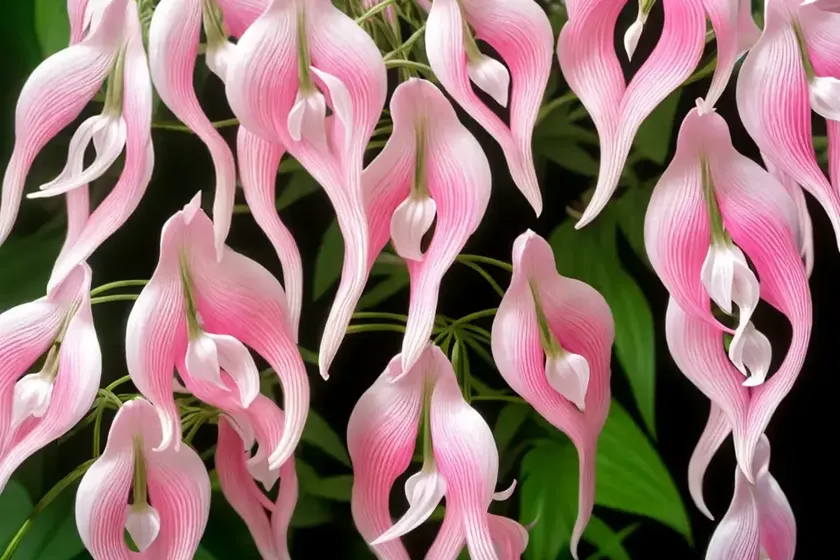
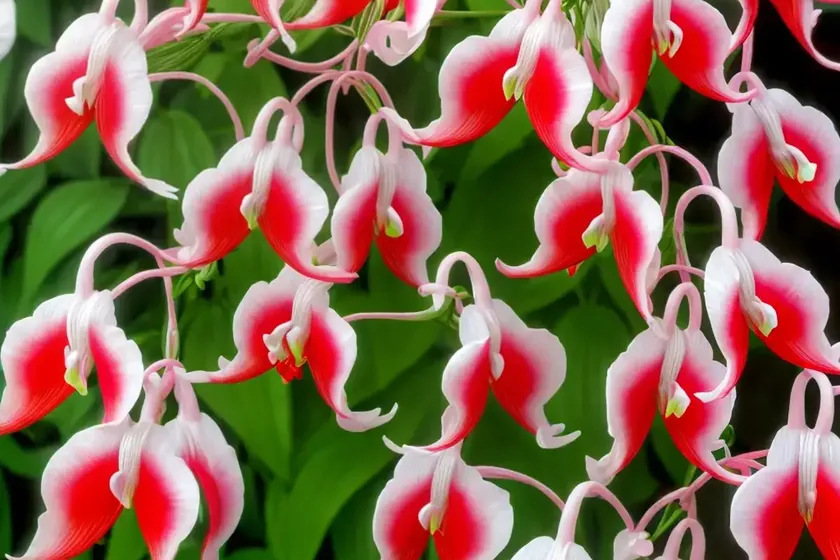
As a plant scientist with a deep passion for exploring the wonders of the botanical world, I am delighted to share insights into the captivating Dicentra eximia, commonly known as the Fringed Bleeding Heart. This enchanting perennial, with its delicate, heart-shaped blooms and graceful foliage, has captured the hearts of many gardeners and nature enthusiasts. Its charismatic presence in woodlands and shaded gardens adds an ethereal touch to natural landscapes, making it a plant of unparalleled charm and allure.
In this comprehensive guide, we will delve into the mesmerizing world of Dicentra eximia. From its cultural requirements and propagation techniques to its botanical characteristics and common pests, we will embark on a journey to unravel the secrets of this captivating woodland gem. Whether you are a seasoned gardener, an aspiring botanist, or simply an admirer of nature’s beauty, this exploration of the Fringed Bleeding Heart promises to be an enriching and delightful experience.
What is Dicentra eximia (Fringed Bleeding Heart)?
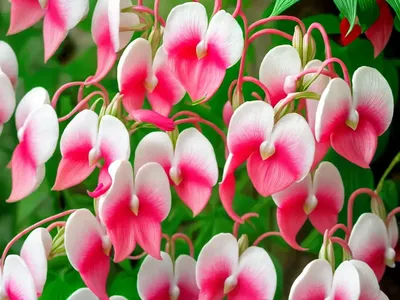
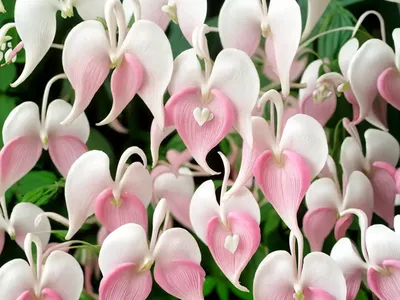
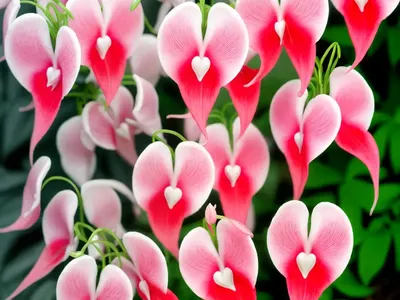
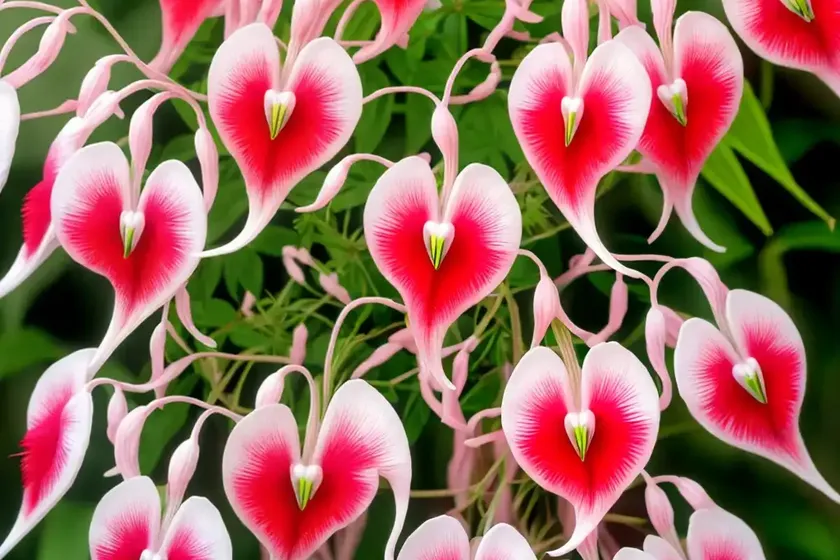
Dicentra eximia, also known as the Fringed Bleeding Heart, is a herbaceous perennial plant that belongs to the family Papaveraceae. Native to the eastern United States, this woodland species thrives in moist, shady environments, and is revered for its elegant, fern-like foliage and captivating heart-shaped flowers. The intricate blooms of the Fringed Bleeding Heart bear a resemblance to delicate, dainty hearts, each adorned with a unique fringe-like feature that enhances its ethereal beauty.
The genus name Dicentra is derived from the Greek words “di” and “kentron,” translating to “two spurs,” which alludes to the distinctive floral structure of the plant. The specific epithet eximia, on the other hand, signifies the exceptional nature of this species, highlighting its extraordinary qualities and enchanting allure. With its gracefully arching stems and captivating pendulous flowers, the Fringed Bleeding Heart emerges as a symbol of elegance and mystique in shaded woodland gardens.
Key Takeaways: Dicentra eximia (Fringed Bleeding Heart)
Before delving into the intricacies of Dicentra eximia culture, propagation, and maintenance, let’s gain a comprehensive overview of the key takeaways associated with this enchanting woodland perennial.
- Scientific Name: Dicentra eximia
- Common Names: Fringed Bleeding Heart, Wild Bleeding Heart, Eastern Bleeding Heart
- Plant Type: Herbaceous perennial
- Native Habitat: Eastern United States
- Growth Habit: Clumping, mounding
- Flower Characteristics: Pendulous, heart-shaped blooms with distinctive fringed edges
- Foliage: Fern-like, finely divided
- Preferred Growing Conditions: Partial to full shade, moist, well-drained soil
- Hardiness Zones: 3 to 9
- Landscape Uses: Woodland gardens, shaded borders, naturalized landscapes
- Special Features: Attracts pollinators, deer-resistant, low maintenance
- Cultural Attributes: Enchanting, elegant, ethereal
Now that we have gained an overview of the captivating attributes of Dicentra eximia, it’s time to delve deeper into its cultural requirements, uses, and botanical characteristics that contribute to its allure in woodland and shaded garden settings.
Culture
Dicentra eximia is prized for its exceptional adaptability to woodland environments and shaded garden spaces. Understanding the cultural requirements of this enchanting perennial is essential for creating an optimal growing environment that fosters its graceful beauty and ensures its long-term vitality.
Uses
The Fringed Bleeding Heart is a versatile species that offers various uses in garden and landscape settings. Its appeal extends beyond its captivating visual charm, encompassing ecological benefits and medicinal uses.
Ecological Benefits
- Wildlife Attractant: The nectar-rich blooms of Dicentra eximia attract a diverse array of pollinators, including bees, butterflies, and hummingbirds, enhancing the biodiversity of woodland gardens and naturalized landscapes.
- Deer Resistance: The foliage of the Fringed Bleeding Heart exhibits resistance to deer browsing, making it a valuable addition to gardens in deer-prone areas.
Medicinal Uses
While primarily valued for its ornamental attributes, certain species within the genus Dicentra have historical uses in traditional medicine for treating various ailments. However, it’s important to note that the ingestion of plant material should be approached with caution and under the guidance of qualified healthcare professionals.
Water
As a woodland perennial, Dicentra eximia thrives in consistently moist soil conditions. Adequate watering is essential for sustaining its lush foliage and promoting the longevity of its exquisite blooms.
- Watering Guidelines:
- Soil Moisture: Keep the soil consistently moist, especially during periods of dry weather.
- Avoid Waterlogged Conditions: While the Fringed Bleeding Heart prefers moist soil, it is important to prevent waterlogging, as excessive moisture can lead to root rot and other detrimental issues.
Sunlight
The Fringed Bleeding Heart exhibits a preference for partial to full shade, making it an ideal candidate for shaded woodland gardens and understory plantings.
- Sunlight Requirements:
- Partial Shade: Thrives in dappled sunlight or filtered shade, particularly in the morning and late afternoon.
- Full Shade Tolerance: Displays excellent adaptability to full shade conditions, making it an invaluable addition to shaded landscapes.
Fertilizer
While Dicentra eximia is relatively low-maintenance, strategic fertilization can support its overall vitality and floral abundance.
- Fertilization Tips:
- Organic Amendments: Incorporate well-rotted compost or organic matter into the soil during planting to enhance soil fertility and structure.
- Minimal Fertilization: Once established, provide a balanced, slow-release fertilizer in spring to support healthy growth and blooming.
Soil
The soil composition plays a critical role in providing an optimal growing environment for the Fringed Bleeding Heart. Understanding the soil preferences of Dicentra eximia is essential for creating a thriving habitat for this woodland gem.
- Soil Requirements:
- Moisture Retention: Well-drained, moisture-retentive soil is ideal for cultivating Dicentra eximia.
- Organic Content: Enrich the soil with organic matter, such as compost or leaf mold, to improve its structure and fertility.
Pruning
Pruning and maintenance practices are integral to sustaining the aesthetic appeal and longevity of Dicentra eximia. Careful attention to pruning techniques can promote vigorous growth and enhance the floral display of the Fringed Bleeding Heart.
- Pruning Guidelines:
- Spring Cleanup: Remove any damaged or unsightly foliage in early spring to encourage the emergence of new growth.
- Deadheading Flowers: Regularly deadhead spent blooms to prolong the flowering period and maintain a tidy appearance.
Propagation
The propagation of Dicentra eximia allows for the expansion of its enchanting presence in woodland landscapes and provides an opportunity for gardeners to share its beauty with others.
- Propagation Methods:
- Division: Divide mature clumps of Dicentra eximia in early spring to create new plants and rejuvenate the existing ones.
- Seed Propagation: Sow fresh seeds in a prepared seedbed or containers in autumn for natural stratification and germination in the following spring.
Container Popularity
While Dicentra eximia excels in shaded garden borders and woodland settings, its graceful allure also makes it a sought-after candidate for container gardening in shaded patios and outdoor living spaces.
- Container Gardening Tips:
- Shade-Tolerant Containers: Select shaded containers with ample drainage holes to accommodate the cultural preferences of the Fringed Bleeding Heart.
- Moisture Management: Monitor soil moisture regularly and ensure consistent watering, particularly during warm periods.
Common Diseases
While generally resilient, Dicentra eximia may be susceptible to certain diseases and environmental stressors that can affect its health and vigor.
Disease Susceptibility
- Fungal Diseases: Fusarium wilt and damping-off can pose threats to the root health of Dicentra eximia, especially in poorly drained soil or waterlogged conditions.
Disease Diagnosis
Prompt diagnosis of potential diseases is essential for implementing targeted management strategies and preserving the vitality of Dicentra eximia.
- Symptoms to Monitor:
- Wilting Foliage: Sudden wilting or decline of foliage may indicate the presence of root diseases, such as Fusarium wilt.
- Stunted Growth: Slow growth and yellowing foliage can be indicative of nutrient deficiencies or root health issues.
Common Pests
While relatively resistant to pest infestations, Dicentra eximia may encounter occasional challenges from garden pests that target its foliage and tender shoots.
Pest Threats
- Slugs and Snails: These mollusks are known to feed on the foliage of Dicentra eximia, causing unsightly damage and compromising the plant’s aesthetic appeal.
Botanist’s Tips
As a plant scientist with a profound appreciation for the captivating allure of Dicentra eximia, I offer the following insights and tips for cultivating and caring for the Fringed Bleeding Heart.
- Enhancing Moisture Retention: Mulch the soil around Dicentra eximia with a layer of organic mulch, such as shredded bark or leaf mold, to conserve soil moisture and suppress weed growth.
- Companion Planting: Pair the Fringed Bleeding Heart with other shade-loving perennials, such as ferns, hostas, and epimedium, to create harmonious woodland garden landscapes.
- Protecting Against Pest Infestations: Employ natural pest control methods, such as copper barriers or diatomaceous earth, to deter slugs and snails and protect the foliage of Dicentra eximia.
Fun Facts
Unveiling the enchanting and intriguing aspects of Dicentra eximia adds a layer of fascination to its already compelling presence in shaded gardens and woodland landscapes.
- Symbolism: In the language of flowers, the Bleeding Heart is often associated with romantic and sentimental symbolism, evoking emotions of love and compassion.
- Historical Significance: Certain species within the genus Dicentra have historical uses in traditional medicine and folklore, adding a layer of cultural significance to the genus.
Links to External Resources
For further exploration of Dicentra eximia (Fringed Bleeding Heart), I recommend the following external resources:
- Royal Horticultural Society: Dicentra eximia
- University of Maryland Extension: Bleeding Hearts in the Landscape
By delving into the captivating allure and cultural nuances of Dicentra eximia (Fringed Bleeding Heart), we have unraveled the enchanting story of this woodland perennial. From its graceful pendulous blooms to its affinity for shaded environments, this charismatic species holds a timeless appeal in the realm of woodland gardening and naturalized landscapes. Embracing the ethereal beauty and enduring charm of the Fringed Bleeding Heart, we honor the enchanting complexity and captivating elegance of this woodland gem.