All About Dianthus ‘Sugar Plum’ (Pink)
Dianthus ‘Sugar Plum’ is a delightful perennial plant that belongs to the Dianthus genus, which encompasses over 300 species of flowering plants. This captivating plant is known for its spectacular, fragrant flowers that come in various shades of pink, making it a popular choice for gardens and containers.
In this comprehensive guide, we will delve into the various aspects of Dianthus ‘Sugar Plum’ including its culture, uses, water and sunlight requirements, fertilizer needs, soil preferences, pruning techniques, propagation methods, common diseases and pests, and much more.
What is Dianthus ‘Sugar Plum’ (Pink)?
Also known as Pink Dianthus ‘Sugar Plum’, this charming plant is a part of the Dianthus genus, which is derived from the Greek words “dios,” meaning divine, and “anthos,” meaning flower. This aptly describes the divine beauty of the Dianthus flowers.
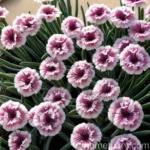
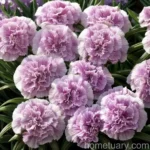
Dianthus ‘Sugar Plum’ is a perennial plant that produces stunning pink blossoms with a delightful fragrance. It is characterized by its compact growth habit and an abundance of small, vibrant flowers. The plant is well-suited for borders, rock gardens, and containers, and it attracts pollinators, such as butterflies, due to its rich nectar content and enticing fragrance.
Key Takeaways – Dianthus ‘Sugar Plum’ (Pink)
Before we delve into the specifics of caring for Dianthus ‘Sugar Plum’, let’s explore some of the key takeaways associated with this captivating plant.
Culture
Dianthus ‘Sugar Plum’ is a versatile plant that can thrive in various settings. It is well-suited for both garden beds and containers, making it a popular choice for landscaping and ornamental purposes.
Uses
This delightful plant serves both aesthetic and functional purposes. It adds color and fragrance to garden beds and containers, while also attracting pollinators, such as butterflies and bees, due to its nectar-rich flowers.
Water
Dianthus ‘Sugar Plum’ has moderate water needs and prefers well-drained soil. Overwatering should be avoided, as it can lead to root rot and other moisture-related issues.
Sunlight
This perennial plant thrives in full sunlight. It requires at least 6-8 hours of direct sunlight per day to ensure healthy growth and abundant flowering.
Fertilizer
A well-balanced fertilizer can help promote the growth and blooming of Dianthus ‘Sugar Plum’. A slow-release, balanced fertilizer applied in early spring can provide the necessary nutrients for healthy growth and abundant blooms.
Soil
Dianthus ‘Sugar Plum’ thrives in well-drained, moderately fertile soil. It prefers slightly alkaline soil with a pH range of 6.75 to 7.5.
Pruning
Regular deadheading and light pruning can help promote continuous flowering and maintain the plant’s compact growth habit. Pruning faded flowers also prevents seed formation, allowing the plant to focus its energy on producing new flowers.
Propagation
Dianthus ‘Sugar Plum’ can be propagated through division, seeds, or cuttings. Each propagation method has its own set of requirements and benefits, allowing gardeners to choose the most suitable approach based on their preferences and resources.
Container Popularity
The compact growth habit and vibrant flowers of Dianthus ‘Sugar Plum’ make it an excellent choice for container gardening. It can be grown in various container sizes, providing a versatile option for adding color and fragrance to patios and balconies.
Common Diseases
While Dianthus ‘Sugar Plum’ is generally resilient, it may be susceptible to certain diseases such as powdery mildew and rust. Proper care and maintenance can help prevent and address these issues effectively.
Disease Diagnosis
Early detection and proper diagnosis of plant diseases are crucial for effective management. By being aware of common disease symptoms, gardeners can take the necessary steps to protect their Dianthus ‘Sugar Plum’ plants and preserve their health and vigor.
Common Pests
Dianthus ‘Sugar Plum’ may be vulnerable to pests such as aphids and spider mites, which can affect the plant’s growth and flowering. Implementing pest control measures can help prevent infestations and minimize damage.
Botanist’s Tips
Expert insights and guidance from botanists can provide valuable recommendations for cultivating and caring for Dianthus ‘Sugar Plum’, ensuring optimal growth and blooming.
Fun Facts
Exploring the intriguing and captivating aspects of Dianthus ‘Sugar Plum’ can add an element of fascination and wonder to the gardening experience, deepening the appreciation for this charming perennial plant.
Links to External Resources
Exploring additional resources can provide further insights and information on the cultivation, care, and use of Dianthus ‘Sugar Plum’, enriching the overall understanding of this delightful plant.
Now that we have highlighted the key takeaways related to Dianthus ‘Sugar Plum’, let’s delve deeper into each aspect to gain a comprehensive understanding of this charming plant.
Dianthus ‘Sugar Plum’ Care
Caring for Dianthus ‘Sugar Plum’ involves attention to various factors such as water, sunlight, soil, and fertilization, along with specific practices such as pruning and propagation. By providing the appropriate care and maintenance, gardeners can ensure that their Dianthus ‘Sugar Plum’ plants thrive and produce an abundance of colorful, fragrant flowers.
Pink Dianthus ‘Sugar Plum’ Varieties
Dianthus ‘Sugar Plum’ is available in various cultivars and varieties, each offering unique characteristics in terms of flower color, growth habit, and fragrance. Exploring different varieties can provide gardeners with a diverse range of options for adding color and beauty to their gardens and landscapes.
How to Grow Dianthus ‘Sugar Plum’
Growing Dianthus ‘Sugar Plum’ involves creating the ideal environment for its optimal development. By understanding its growth requirements and preferences, gardeners can foster healthy, vibrant plants that showcase their inherent beauty and charm.
Dianthus ‘Sugar Plum’ Planting Tips
Proper planting is essential for establishing healthy, vigorous Dianthus ‘Sugar Plum’ plants. From site selection to soil preparation, incorporating effective planting tips can contribute to successful growth and abundant flowering.
Popular Dianthus ‘Sugar Plum’ Cultivars
Exploring popular cultivars of Dianthus ‘Sugar Plum’ can provide insights into the diverse range of options available, allowing gardeners to select the most suitable varieties for their specific preferences and landscaping needs.
Dianthus ‘Sugar Plum’ Flower Color
The captivating flower color of Dianthus ‘Sugar Plum’ adds a vibrant and enchanting touch to garden beds, borders, and containers. Understanding the nuances of flower color can enhance the overall aesthetic appeal of the plant and its surroundings.
Dianthus ‘Sugar Plum’ Perennial Plant
As a perennial plant, Dianthus ‘Sugar Plum’ offers the advantage of returning year after year, providing a reliable and enduring source of beauty and fragrance in the garden.
Dianthus ‘Sugar Plum’ Growth Habits
The growth habits and characteristics of Dianthus ‘Sugar Plum’ contribute to its overall appeal and suitability for various landscaping and gardening applications. Understanding its growth habits is essential for effective care and maintenance.
Dianthus ‘Sugar Plum’ Disease Resistance
Assessing the disease resistance of Dianthus ‘Sugar Plum’ can offer valuable insights into its overall resilience and robustness, allowing gardeners to take proactive measures to protect the plant from potential diseases.
Dianthus ‘Sugar Plum’ Watering Needs
Proper watering is essential for the health and vitality of Dianthus ‘Sugar Plum’. By understanding its specific watering needs and implementing appropriate watering practices, gardeners can ensure consistent growth and flowering.
Dianthus ‘Sugar Plum’ Sunlight Requirements
Sunlight plays a critical role in the growth and flowering of Dianthus ‘Sugar Plum’. By providing the requisite amount of sunlight, gardeners can foster strong, vigorous plants that produce an abundance of colorful blossoms.
Dianthus ‘Sugar Plum’ Soil Preferences
The soil preferences of Dianthus ‘Sugar Plum’ influence its overall health and performance. By catering to its specific soil requirements, gardeners can create an optimal growing environment that promotes robust growth and flowering.
Dianthus ‘Sugar Plum’ Foliage Characteristics
The foliage characteristics of Dianthus ‘Sugar Plum’ contribute to the plant’s visual appeal and overall aesthetic value. Understanding the nuances of its foliage can enrich the gardening experience and appreciation of this charming perennial plant.
Dianthus ‘Sugar Plum’ Pruning Techniques
Applying appropriate pruning techniques is essential for maintaining the health and vigor of Dianthus ‘Sugar Plum’ plants. By understanding the nuances of pruning, gardeners can promote continuous flowering and prevent the spread of diseases.
Dianthus ‘Sugar Plum’ Companion Plants
Selecting suitable companion plants to grow alongside Dianthus ‘Sugar Plum’ can enhance the overall visual impact and ecological harmony of the garden, creating an enchanting and diverse landscape.
Dianthus ‘Sugar Plum’ Container Gardening
Dianthus ‘Sugar Plum’ is well-suited for container gardening, offering a versatile and vibrant option for adding color and fragrance to patios, balconies, and other outdoor spaces.
Dianthus ‘Sugar Plum’ Propagation Methods
The various propagation methods available for Dianthus ‘Sugar Plum’, including division, seeds, and cuttings, offer gardeners the flexibility to propagate new plants and expand their Dianthus collection.
Dianthus ‘Sugar Plum’ Flower Fragrance
The delightful fragrance of Dianthus ‘Sugar Plum’ adds an extra sensory dimension to the garden, creating an enchanting and inviting atmosphere.
Dianthus ‘Sugar Plum’ Cutting Care
Caring for cuttings of Dianthus ‘Sugar Plum’ involves specific practices to ensure successful rooting and establishment, providing an effective approach for propagating new plants.
Dianthus ‘Sugar Plum’ Winter Protection
Implementing appropriate winter protection measures is essential for safeguarding Dianthus ‘Sugar Plum’ plants from the harsh elements and ensuring their survival and vigor during the colder months.
Dianthus ‘Sugar Plum’ Flowering Season
Understanding the flowering season of Dianthus ‘Sugar Plum’ allows gardeners to anticipate and appreciate the vibrant display of blossoms, enhancing the overall gardening experience.
Dianthus ‘Sugar Plum’ Pollinator-Friendly
The nectar-rich flowers of Dianthus ‘Sugar Plum’ make it particularly attractive to pollinators such as butterflies, contributing to the ecological balance and biodiversity of the garden.
Dianthus ‘Sugar Plum’ Attracting Butterflies
Creating an environment that attracts butterflies can be achieved by including plants like Dianthus ‘Sugar Plum’, which offer nectar-rich flowers and contribute to the overall appeal of the garden.
Dianthus ‘Sugar Plum’ Garden Design Ideas
Incorporating Dianthus ‘Sugar Plum’ into garden designs can enhance the visual aesthetics and overall appeal of the outdoor space, providing a charming and captivating focal point.
Dianthus ‘Sugar Plum’ Low-Maintenance Plant
The low-maintenance nature of Dianthus ‘Sugar Plum’ makes it an ideal choice for gardeners seeking an easy-to-care-for plant that offers enduring beauty and fragrance.
Dianthus ‘Sugar Plum’ Drought-Tolerant
The drought-tolerant characteristics of Dianthus ‘Sugar Plum’ make it resilient and adaptable to varying environmental conditions, providing a reliable and enduring source of color and beauty.
Dianthus ‘Sugar Plum’ Pest Control
Implementing effective pest control measures is essential for protecting Dianthus ‘Sugar Plum’ plants from potential infestations and minimizing damage to their growth and flowering.
Dianthus ‘Sugar Plum’ Deer-Resistant
The deer-resistant nature of Dianthus ‘Sugar Plum’ makes it an ideal choice for gardens located in areas where deer may pose a threat to plantings.
Dianthus ‘Sugar Plum’ Fragrant Flowers
The fragrant flowers of Dianthus ‘Sugar Plum’ add an enchanting and sensory dimension to the garden, creating an inviting and captivating atmosphere.
Dianthus ‘Sugar Plum’ Border Plant
As a border plant, Dianthus ‘Sugar Plum’ offers a charming and colorful delineation for garden beds and pathways, enhancing the overall visual impact of the landscape.
Dianthus ‘Sugar Plum’ Rock Garden
Incorporating Dianthus ‘Sugar Plum’ into rock gardens can enhance the rugged beauty and natural appeal of the landscape, adding vibrant color and fragrance to the rocky terrain.
Dianthus ‘Sugar Plum’ Flower Arrangements
The vibrant and fragrant flowers of Dianthus ‘Sugar Plum’ provide an excellent option for creating captivating and delightful flower arrangements, adding beauty and charm to indoor spaces.
Dianthus ‘Sugar Plum’ Cut Flower
The enduring and enchanting beauty of Dianthus ‘Sugar Plum’ makes it an excellent choice for cut flower arrangements, allowing gardeners to showcase its colorful blossoms throughout the home.
Dianthus ‘Sugar Plum’ Ground Cover
The compact growth habit and lush foliage of Dianthus ‘Sugar Plum’ make it an effective ground cover, providing a vibrant and aromatic carpet of foliage and flowers.
Dianthus ‘Sugar Plum’ Landscape Plant
Incorporating Dianthus ‘Sugar Plum’ into the landscape offers an engaging and colorful addition to outdoor spaces, contributing to the overall visual appeal and ecological balance.
Dianthus ‘Sugar Plum’ Summer Blooms
The summer blooms of Dianthus ‘Sugar Plum’ add a burst of vibrant color and fragrance to the garden, enhancing the seasonal beauty and allure of the outdoor space.
Dianthus ‘Sugar Plum’ Winter Care Tips
Providing appropriate winter care is essential for ensuring the survival and vigor of Dianthus ‘Sugar Plum’ plants during the colder months, safeguarding their health and readiness for the following growing season.
Dianthus ‘Sugar Plum’ Insect Problems
Identifying and addressing potential insect problems is crucial for protecting Dianthus ‘Sugar Plum’ plants from infestations and maintaining their overall health and vigor.
Dianthus ‘Sugar Plum’ Leaf Diseases
Understanding common leaf diseases and their symptoms can enable gardeners to promptly diagnose and address potential issues affecting the health and appearance of Dianthus ‘Sugar Plum’ foliage.
Dianthus ‘Sugar Plum’ Companion Planting
Strategic companion planting alongside Dianthus ‘Sugar Plum’ can enhance the overall ecological balance and visual appeal of the garden, creating a harmonious and vibrant landscape.
Dianthus ‘Sugar Plum’ Border Flowers
As border flowers, Dianthus ‘Sugar Plum’ adds an enchanting and colorful delineation to garden beds and pathways, enriching the visual impact of the outdoor space.
Dianthus ‘Sugar Plum’ Garden Maintenance
Implementing effective garden maintenance practices is essential for ensuring the long-term health and beauty of Dianthus ‘Sugar Plum’ plants, preserving their vigor and vitality.
Dianthus ‘Sugar Plum’ Potting Soil Needs
Selecting the appropriate potting soil for Dianthus ‘Sugar Plum’ plants is essential for creating an optimal growing environment in containers, promoting healthy growth and flowering.
Dianthus ‘Sugar Plum’ Cutting Garden Plant
Incorporating Dianthus ‘Sugar Plum’ into a cutting garden provides a delightful and colorful source of blooms for creating captivating flower arrangements and bouquets.
Dianthus ‘Sugar Plum’ Flower Cluster Size
The size and abundance of flower clusters exhibited by Dianthus ‘Sugar Plum’ contribute to its overall visual impact and enchanting appeal, adding an element of vibrancy and charm to the garden.
Dianthus ‘Sugar Plum’ Mixed Perennial Beds
Incorporating Dianthus ‘Sugar Plum’ into mixed perennial beds offers an engaging and vibrant addition to the landscape, enhancing the overall diversity and charm of the garden.
Dianthus ‘Sugar Plum’ Partial Shade Tolerance
Assessing the partial shade tolerance of Dianthus ‘Sugar Plum’ can provide valuable insights into its adaptability to varying light conditions, offering options for placement within the garden.
Dianthus ‘Sugar Plum’ Fall Pruning Tips
Applying appropriate fall pruning tips to Dianthus ‘Sugar Plum’ plants supports their overall health and readiness for the winter season, ensuring robust growth and flowering in the following year.
Dianthus ‘Sugar Plum’ Container Plant Ideas
Incorporating Dianthus ‘Sugar Plum’ into container plantings provides a versatile and colorful option for enhancing patios, balconies, and other outdoor spaces, adding vibrant beauty and fragrance.
Dianthus ‘Sugar Plum’ Ground Cover Plant
Using Dianthus ‘Sugar Plum’ as a ground cover plant offers an effective and enchanting option for creating lush and colorful expanses of foliage and flowers within the landscape.
As we explore the diverse aspects of Dianthus ‘Sugar Plum’, we gain valuable insights into its cultivation, care, and utilization within the garden and landscape. By incorporating these practices and considerations into our gardening endeavors, we can foster the health and beauty of Dianthus ‘Sugar Plum’ while creating enchanting and vibrant outdoor spaces.
For additional insights and information on Dianthus ‘Sugar Plum’ and related gardening topics, I have curated a selection of external resources that offer valuable guidance and inspiration:
External Resources
- American Horticultural Society
- Royal Horticultural Society
- University of Florida IFAS Extension
- Missouri Botanical Garden
- The Spruce – Dianthus Growing Tips
By exploring these resources, gardeners can access a wealth of information and expert guidance on Dianthus ‘Sugar Plum’ and related gardening topics, empowering them to cultivate thriving, vibrant gardens and landscapes.
In conclusion, Dianthus ‘Sugar Plum’ stands as a captivating and delightful perennial plant that offers a wealth of beauty and charm to gardens and landscapes. Through an understanding of its culture, care, and uses, as well as the insights and guidance provided by external resources, gardeners can cultivate robust, vibrant Dianthus ‘Sugar Plum’ plants that adorn outdoor spaces with their colorful blossoms and enchanting fragrance. As we embrace the alluring appeal of Dianthus ‘Sugar Plum’, we enrich our gardening experiences and create enduring beauty within our natural surroundings.
The author is a plant scientist sharing knowledge and insights based on years of experience and expertise in botany and horticulture.
Disclaimer: This content is for informational purposes only and should not be considered as professional advice. Always consult with a qualified expert or horticulturist for specific gardening recommendations and practices.