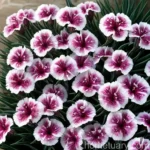
Dianthus ‘Romance’ (Pink): A Delightful Addition to Your Garden
As a plant scientist with a passion for ornamental plants, I am excited to delve into the world of Dianthus ‘Romance’ (Pink). This delightful variety of Dianthus, known for its charming pink blooms and easy maintenance, has gained popularity among gardeners and landscape enthusiasts. In this comprehensive guide, we will explore the cultural requirements, uses, propagation techniques, common diseases, and other essential aspects of growing and caring for Dianthus ‘Romance’. Whether you are a seasoned gardener or a novice plant enthusiast, this article aims to provide you with valuable insights and practical tips for incorporating this beautiful perennial into your outdoor space.
What is Dianthus ‘Romance’ (Pink)?
Dianthus ‘Romance’ (Pink) is a captivating cultivar of the Dianthus genus, renowned for its elegant pink flowers and compact growth habit. This perennial plant belongs to the Caryophyllaceae family and is cherished for its ornamental value, making it a popular choice for gardens, borders, and container displays. The delicate petals of the ‘Romance’ variety exude a subtle fragrance, adding to its allure and appeal in outdoor settings.
Key Takeaways – Dianthus ‘Romance’ (Pink)
Before we delve into the detailed aspects of caring for Dianthus ‘Romance’, let’s highlight some key takeaways about this enchanting plant variety:
- Plant Name: Dianthus ‘Romance’ (Pink)
- Plant Family: Caryophyllaceae
- Flower Color: Pink
- Plant Type: Perennial
- Fragrance: Delicate, subtle fragrance
- Growth Habit: Compact, mound-forming
- Uses: Ideal for gardens, borders, containers, and landscape plantings
- Water Requirements: Moderate
- Sunlight: Full sun to partial shade
- Soil Type: Well-draining, fertile soil
- Maintenance: Low maintenance
- Pruning: Regular deadheading for prolonged blooming
- Propagation: Easily propagated from seeds or cuttings
Now, let’s dive into the details of cultivating and nurturing Dianthus ‘Romance’ to ensure its optimal growth and blooming performance.
Culture
Uses
Dianthus ‘Romance’ (Pink) has a diverse range of uses in horticulture, making it a versatile addition to various outdoor settings. Some common uses of Dianthus ‘Romance’ include:
- Gardens: The vibrant pink blooms of Dianthus ‘Romance’ make it an ideal choice for adding color and charm to garden beds, borders, and rock gardens.
- Containers: Its compact growth habit and attractive flowers make Dianthus ‘Romance’ well-suited for container gardening, where it can be featured in pots, window boxes, and patio containers.
- Landscape Plantings: This cultivar can be incorporated into landscape designs to create eye-catching floral displays along pathways, edging, and mixed borders.
- Cut Flower: The delicate pink blossoms of Dianthus ‘Romance’ make it a popular choice for fresh-cut flower arrangements, adding a touch of elegance to floral compositions.
Water
Dianthus ‘Romance’ requires moderate levels of water to thrive, making it well-suited for gardens and landscapes with regular watering schedules. It is important to maintain consistent soil moisture, allowing the plant to establish strong root systems while preventing waterlogged conditions. During hot and dry periods, supplementary watering may be necessary to support healthy growth and abundant blooming. However, it is crucial to avoid overwatering, as excessive moisture can lead to root rot and other detrimental effects on the plant.
Sunlight
In terms of sunlight requirements, Dianthus ‘Romance’ thrives in full sun to partial shade conditions. When grown in regions with ample sunlight, the plant showcases its vibrant pink blossoms and maintains a robust, compact growth habit. However, it is also capable of tolerating partial shade, making it adaptable to a variety of outdoor environments. To promote optimal blooming and overall health, providing adequate sunlight exposure is essential for cultivating flourishing Dianthus ‘Romance’ plants.
Fertilizer
When it comes to fertilization, Dianthus ‘Romance’ benefits from a balanced application of a slow-release, granular fertilizer formulated for flowering plants. A fertilizer with a balanced NPK ratio, such as 10-10-10 or 20-20-20, can be applied in spring as new growth emerges, providing essential nutrients for strong, healthy development and prolific flowering. Additionally, a light application of fertilizer in midsummer can support the plant’s nutritional needs, ensuring continuous blooming and vibrant foliage throughout the growing season.
Soil
The ideal soil conditions for Dianthus ‘Romance’ involve well-draining, fertile soil with a slightly alkaline to neutral pH range. A loamy or sandy soil texture is preferred to prevent water stagnation and promote healthy root development. Amending the soil with organic matter, such as compost or well-rotted manure, enhances its fertility and improves moisture retention, creating an optimal growing environment for Dianthus ‘Romance’. Prior to planting, it is advisable to prepare the soil by incorporating organic amendments and ensuring proper drainage to establish an ideal foundation for the plant’s growth.
Pruning
Pruning plays a crucial role in maintaining the vitality and visual appeal of Dianthus ‘Romance’. Regular deadheading, which involves the removal of spent blossoms, prolongs the blooming period and encourages the plant to produce new flower buds. By snipping off fading blooms, gardeners can promote continuous flowering and prevent the formation of seed heads, redirecting the plant’s energy into the growth of fresh, vibrant flowers. Additionally, light pruning of straggly or overgrown stems can help maintain the plant’s compact form and tidy appearance, contributing to its overall aesthetic appeal in garden settings.
Propagation
Propagation of Dianthus ‘Romance’ can be achieved through various methods, including seed propagation and vegetative propagation through stem cuttings. Each approach offers gardeners the opportunity to expand their collection of Dianthus ‘Romance’ plants and introduce new specimens to their outdoor spaces. Let’s explore the two primary methods of propagating this charming pink cultivar:
Seed Propagation
- Seed Collection: Harvest mature seed capsules from existing Dianthus ‘Romance’ plants as the capsules begin to dry and split open, releasing the small seeds.
- Seed Sowing: Sow the collected seeds in well-prepared seed-starting trays, covering them lightly with a thin layer of soil. Maintain consistent moisture and provide indirect light to facilitate germination.
- Seedling Care: Once the seedlings have emerged and developed several sets of true leaves, they can be transplanted into individual pots or a designated garden area for further growth and establishment.
Vegetative Propagation
- Stem Cutting Preparation: Select healthy, non-flowering stems from the parent plant, ensuring each cutting is approximately 3-4 inches in length and possesses several sets of leaves.
- Rooting Medium: Dip the base of the cuttings in a rooting hormone powder to promote root development, then insert them into a well-draining rooting medium, such as perlite or a mix of peat and perlite.
- Rooting Process: Provide the cuttings with gentle bottom warmth and consistent moisture, maintaining a high humidity environment to support successful rooting.
- Transplanting: Once roots have developed, the rooted cuttings can be transplanted into individual pots or directly into the garden, where they will continue to grow and flourish as independent plants.
Container Popularity
Dianthus ‘Romance’ holds a prominent place in container gardening due to its compact growth habit, vibrant blossoms, and ease of maintenance. When cultivated in containers, this charming pink cultivar adds a captivating touch to outdoor spaces, balconies, and patios, enhancing the visual appeal of container displays. Its adaptability to container environments makes it a favored choice for individuals seeking to adorn their outdoor living areas with colorful and fragrant ornamentals.
Common Diseases and Pests
Common Diseases
While Dianthus ‘Romance’ generally exhibits good resistance to diseases, there are several common issues that gardeners should be mindful of to ensure the plant’s health and vitality.
Disease Diagnosis
- Powdery Mildew: A fungal infection characterized by the development of powdery, white patches on the plant’s foliage, particularly in conditions of high humidity and insufficient air circulation. To mitigate powdery mildew, it is important to provide proper spacing between plants, maintain adequate ventilation, and avoid overhead watering to reduce moisture on the leaves.
- Crown Rot: A fungal disease that affects the plant’s crown and root system, leading to wilting, yellowing foliage, and ultimately, plant death. Crown rot is often associated with overly wet and poorly-drained soil conditions, emphasizing the importance of well-draining soil to prevent this detrimental disease.
- Botrytis Blight: Also known as gray mold, botrytis blight manifests as brown lesions on the plant’s stems and flowers, accompanied by a fuzzy gray mold. Pruning and removing affected plant parts, improving air circulation, and avoiding overhead watering can help prevent the onset of botrytis blight in Dianthus ‘Romance’.
- Leaf Spot Diseases: Various fungal and bacterial pathogens can cause leaf spot diseases, leading to the development of discolored, spotted foliage. Implementing good sanitation practices, such as cleaning up plant debris and practicing proper watering techniques, can reduce the incidence of leaf spot diseases in Dianthus ‘Romance’.
Common Pests
In addition to diseases, Dianthus ‘Romance’ may also encounter pest infestations that can impact its overall vigor and appearance. Being aware of the following common pests can aid in early detection and effective pest management practices.
- Aphids: These small, soft-bodied insects feed on plant sap, leading to distorted growth and the formation of sticky honeydew on the leaves. Regular monitoring and the use of natural predators or insecticidal soap can help control aphid populations on Dianthus ‘Romance’.
- Thrips: Thrips are tiny, slender insects that can cause stippling and discoloration on the plant’s foliage, affecting its aesthetic appeal. Employing insecticidal treatments and maintaining optimal growing conditions can assist in managing thrips infestations.
- Spider Mites: These minuscule arachnids can inflict damage by piercing the plant’s cells and extracting sap, resulting in stippled, discolored foliage. Increasing humidity, washing the plants, and using horticultural oils can aid in controlling spider mite populations on Dianthus ‘Romance’.
Botanist’s Tips
As a plant scientist deeply familiar with Dianthus ‘Romance’ and its cultivation requirements, I am pleased to offer the following botanist’s tips for optimizing the growth and blooming performance of this charming perennial.
- Feeding Schedule: Establish a regular feeding schedule using a balanced, slow-release fertilizer to provide essential nutrients for robust growth and abundant flowering.
- Pruning Technique: Practice consistent deadheading to promote prolonged blooming and remove spent blossoms, encouraging the plant to produce new flower buds and preventing seed formation.
- Soil Amendment: Incorporate organic matter into the soil to enhance its fertility and improve drainage, creating an optimal growing medium for Dianthus ‘Romance’.
- Pest Monitoring: Routinely monitor the plant for signs of pest activity, such as distorted foliage or stippling, and promptly address any pest infestations through targeted management practices.
- Overwintering Care: Offer adequate protection during winter by mulching around the base of the plant to insulate the root system and safeguard it from extreme cold temperatures.
Fun Facts
- The genus name “Dianthus” is derived from the Greek words “dios” (divine) and “anthos” (flower), reflecting the plant’s association with divine or heavenly beauty.
- Dianthus flowers are often referred to as “pinks,” not because of their color, but due to the fringed or serrated edge of the flower petals, resembling the cut edges of cloth, known as “pinking.”
- Dianthus ‘Romance’ is classified as a herbaceous perennial, meaning it dies back to the ground at the end of the growing season, only to regrow from its roots the following spring.
- The delicate fragrance of Dianthus ‘Romance’ petals adds a delightful scent to outdoor spaces, making it an appealing choice for aromatic garden plantings.
Links to External Resources
For additional information and insights on Dianthus ‘Romance’ (Pink) plant care, varieties, and related topics, explore the following reputable resources:
- Royal Horticultural Society – Dianthus
- University of Florida IFAS Extension – Dianthus spp.
- Missouri Botanical Garden – Dianthus
- American Horticultural Society – Growing Dianthus
In conclusion, Dianthus ‘Romance’ (Pink) stands as a captivating and cherished addition to gardens, borders, and container displays, enchanting enthusiasts with its vibrant blossoms and easy-going nature. By incorporating the insights and recommendations shared in this guide, you can embark on a rewarding journey of nurturing and enjoying the beauty of Dianthus ‘Romance’ in your outdoor spaces. Whether you seek to create a charming flowerbed, a fragrant garden border, or an exquisite container arrangement, the allure and elegance of Dianthus ‘Romance’ are sure to captivate and delight both novice and seasoned plant enthusiasts alike.