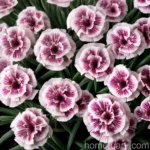
Dianthus ‘Raspberry Ruffles’ (Pink): A Complete Guide
Dianthus ‘Raspberry Ruffles’ is a delightful and charming perennial plant with stunning pink, fringed flowers that add a touch of elegance to any garden. Known for its long blooming period, intense fragrance, and vibrant color, this cultivar has gained popularity among gardeners and landscaping professionals alike. In this comprehensive guide, we will explore the various aspects of growing, caring for, and utilizing Dianthus ‘Raspberry Ruffles’ in garden landscapes.
What is Dianthus ‘Raspberry Ruffles’ (Pink)?
Dianthus ‘Raspberry Ruffles’ (Pink) is a member of the Dianthus genus, which includes over 300 species of flowering plants commonly known as “pinks” or “carnations.” This particular cultivar is prized for its striking pink flowers with serrated edges that resemble delicate ruffles, hence its name. With a compact and bushy growth habit, ‘Raspberry Ruffles’ is well-suited for borders, rock gardens, and containers.
Key Takeaways – Dianthus ‘Raspberry Ruffles’ (Pink)
Before delving into the specifics of cultivating and caring for Dianthus ‘Raspberry Ruffles’, let’s take a quick look at the key takeaways.
- Common Name: Dianthus ‘Raspberry Ruffles’ (Pink)
- Botanical Name: Dianthus ‘Raspberry Ruffles’
- Plant Type: Perennial
- Flower Color: Pink
- Blooming Period: Spring to early summer
- Fragrance: Intensely fragrant
- Growth Habit: Compact, mounded
- Uses: Borders, rock gardens, containers
- Hardiness Zones: 5 – 8
- Water Needs: Moderate
- Sunlight: Full sun
- Soil Type: Well-draining
- Height: 12 – 18 inches
- Spread: 12 – 18 inches
Now that we have a brief overview of Dianthus ‘Raspberry Ruffles’, let’s delve deeper into the various aspects of its cultivation and care.
Culture
Uses
Dianthus ‘Raspberry Ruffles’ serves multiple purposes in garden landscapes and outdoor spaces. Some common uses include:
-
Border Planting: The compact, mounded growth habit and vibrant pink flowers make ‘Raspberry Ruffles’ an excellent choice for border plantings, where it can create a stunning visual impact when planted in masses or clusters.
-
Rock Gardens: Its low-growing and drought-tolerant nature makes it an ideal choice for rock gardens, where it can thrive in well-drained soil and add color and texture to the landscape.
-
Containers: ‘Raspberry Ruffles’ can be cultivated in containers and planters, allowing for easy movement and placement in various outdoor settings such as patios, decks, or balconies.
Water
Dianthus ‘Raspberry Ruffles’ has moderate water needs and prefers well-drained soil to prevent waterlogging, which can lead to root rot. It is essential to maintain consistent soil moisture, especially during the growing and blooming periods, while ensuring that the soil does not become overly saturated.
Sunlight
For optimal growth and abundant flowering, Dianthus ‘Raspberry Ruffles’ requires full sunlight, defined as at least six to eight hours of direct sunlight per day. Placing the plant in a location with ample sunlight exposure is crucial for promoting healthy growth and prolific flowering.
Fertilizer
When it comes to fertilizing Dianthus ‘Raspberry Ruffles’, a balanced, slow-release fertilizer can be applied in early spring to provide essential nutrients for healthy growth and abundant blooms. Additionally, incorporating well-rotted organic matter into the soil during planting or as a top dressing can further enhance the plant’s vigor and flowering capacity.
Soil
Well-draining, slightly alkaline soil with good fertility is ideal for cultivating Dianthus ‘Raspberry Ruffles’. Amending the soil with organic matter, such as compost or well-rotted manure, can improve soil structure and nutrient content, creating an optimal growing environment for the plant.
Pruning
Proper pruning plays a crucial role in maintaining the health, appearance, and longevity of Dianthus ‘Raspberry Ruffles’. Regular deadheading, which involves the removal of spent flowers, can encourage continuous blooming and prevent self-seeding. Additionally, light pruning after the blooming period can help maintain the plant’s shape and overall vigor.
Propagation
Dianthus ‘Raspberry Ruffles’ can be propagated through various methods, including division, cuttings, and seed. Each method offers unique advantages and is suited to different circumstances and preferences. Let’s explore each propagation method in more detail:
-
Division: Dividing mature clumps of Dianthus ‘Raspberry Ruffles’ in early spring or early autumn allows for the creation of new plants with established roots, facilitating rapid establishment and growth.
-
Cuttings: Taking softwood or semi-hardwood cuttings from healthy, vigorous plants in late spring or early summer provides a reliable method for producing genetic replicas of the parent plant.
-
Seed: Sowing seeds indoors in early spring or directly in the garden after the last frost date can yield new plants with diverse characteristics, offering an opportunity to select for desired traits and features.
Container Popularity
Dianthus ‘Raspberry Ruffles’ is well-suited for container cultivation, offering gardeners the flexibility to create vibrant and fragrant displays in various outdoor settings. Its compact growth habit and striking pink flowers make it an excellent choice for container gardens on patios, balconies, or other confined spaces.
Container Common Diseases
Despite its overall resilience, Dianthus ‘Raspberry Ruffles’ may be susceptible to certain diseases that can impact its health and appearance. Understanding the common diseases that affect this plant is essential for implementing effective preventive measures and management strategies.
Disease Diagnosis
Some common diseases that may affect Dianthus ‘Raspberry Ruffles’ include:
-
Powdery Mildew: A fungal disease characterized by the presence of white, powdery patches on the foliage, powdery mildew can compromise the plant’s health and aesthetics if left unchecked.
-
Leaf Spot: Caused by various fungal pathogens, leaf spot manifests as dark, irregular spots on the leaves, potentially leading to leaf damage and defoliation over time.
-
Crown Rot: Excessive soil moisture and poor drainage can contribute to the development of crown rot, which can cause wilting, yellowing, and eventual rotting of the plant’s crown and root system.
Common Pests
In addition to diseases, Dianthus ‘Raspberry Ruffles’ may also be vulnerable to attacks from various pests that can diminish its vitality and beauty. Being able to identify and address common pests is crucial for maintaining the plant’s health and vigor.
Botanist’s Tips
As a botanist specializing in ornamental plants, I offer the following tips for successfully cultivating and caring for Dianthus ‘Raspberry Ruffles’:
-
Regular Monitoring: Conduct regular inspections of the plant for signs of disease, pest infestations, or nutrient deficiencies, enabling early intervention and effective management.
-
Prudent Watering: Avoid overwatering the plant, particularly during periods of dormancy or reduced growth, as this can lead to root rot and other moisture-related issues.
-
Nutrient Management: Incorporate a balanced, slow-release fertilizer into the soil in spring to provide essential nutrients for healthy growth and flowering, complemented by occasional applications of organic matter.
-
Pruning Practices: Practice regular deadheading and light pruning to promote continuous blooming and maintain the plant’s compact, bushy form, enhancing its ornamental value in the landscape.
Fun Facts
-
The pink flowers of Dianthus ‘Raspberry Ruffles’ are not only visually captivating but also emit a delightful, spicy fragrance, adding an olfactory dimension to its ornamental appeal.
-
The name “Dianthus” is derived from the Greek words “dios,” meaning divine, and “anthos,” meaning flower, emphasizing the divine beauty and significance attributed to these charming blooms.
-
Dianthus species have been cultivated for ornamental purposes for centuries, with a rich cultural and historical association, making them a timeless choice for gardens and floral arrangements.
Links to External Resources
To further enrich your knowledge and understanding of Dianthus ‘Raspberry Ruffles’ and related topics, I recommend exploring the following external resources:
- Royal Horticultural Society – Dianthus
- University of Florida IFAS Extension – Dianthus Diseases
- Missouri Botanical Garden – Dianthus Care
- American Dianthus Society
In conclusion, Dianthus ‘Raspberry Ruffles’ (Pink) stands out as a versatile, visually appealing, and fragrant plant that holds immense landscape and ornamental value. By understanding its specific cultural requirements, propagation methods, and potential challenges, gardeners can successfully cultivate and enjoy the captivating beauty of this delightful perennial cultivar. Whether used as a border plant, a rock garden specimen, or a stunning container display, ‘Raspberry Ruffles’ is sure to capture the attention and admiration of all who encounter its charming pink flowers and delightful fragrance.