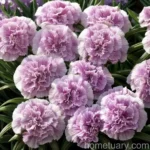
Dianthus ‘Paint the Town Fuchsia’ (Pink): A Plant Enthusiast’s Dream
The world of plants is a fascinating and diverse one, offering an incredible array of colors, shapes, and scents. Among these botanical wonders, the Dianthus ‘Paint the Town Fuchsia’ stands out as an exceptional choice for any gardener or plant enthusiast. In this comprehensive guide, we will explore various aspects of this stunning plant, from its cultural requirements to its unique features and benefits. Whether you are a seasoned gardener or a beginner looking to add a splash of vibrant color to your outdoor space, this article will equip you with the knowledge and insights needed to cultivate and appreciate the beauty of Dianthus ‘Paint the Town Fuchsia’.
What is Dianthus ‘Paint the Town Fuchsia’ (Pink)?
Dianthus ‘Paint the Town Fuchsia’ is a captivating perennial plant that belongs to the Dianthus genus. Its botanical name, Dianthus, is derived from the Greek words dios (divine) and anthos (flower), aptly capturing the exceptional beauty and allure of its blooms. Within the Dianthus genus, ‘Paint the Town Fuchsia’ is known for its striking pink flowers, which add a burst of vivid color to gardens, borders, and containers.
Key Takeaways – Dianthus ‘Paint the Town Fuchsia’ (Pink)
Before we delve into the specifics of growing and caring for Dianthus ‘Paint the Town Fuchsia’, let’s explore some key takeaways about this remarkable plant:
- Common Name: Dianthus ‘Paint the Town Fuchsia’
- Botanical Name: Dianthus ‘Paint the Town Fuchsia’
- Color: Pink
- Plant Type: Perennial
- Fragrance: Sweet and Spicy
- Sunlight: Full sun to partial shade
- Watering: Moderate
- Soil Type: Well-draining soil
- Height: 12-15 inches
- Hardiness Zone: 5-9
- Bloom Time: Late spring to early summer
- Uses: Borders, containers, cut flowers
By understanding these key characteristics, you can gain a deeper appreciation for the unique attributes of Dianthus ‘Paint the Town Fuchsia’ and learn how to integrate it into your gardening endeavors.
Culture
Cultivating Dianthus ‘Paint the Town Fuchsia’ involves understanding its cultural requirements, including factors that contribute to its overall health and vigor. By providing the right conditions, you can ensure that this plant thrives and produces an abundance of charming pink blooms. Let’s explore the cultural aspects associated with growing Dianthus ‘Paint the Town Fuchsia’.
Uses
Dianthus ‘Paint the Town Fuchsia’ offers a multitude of uses in garden settings, owing to its delightful appearance and versatile nature. Here are some common applications of this captivating plant:
- Borders: The vibrant pink blooms of Dianthus ‘Paint the Town Fuchsia’ make it an excellent choice for edging garden borders. When planted in clusters, it creates a stunning visual impact and adds a pop of color to the landscape.
- Containers: Due to its compact growth habit, Dianthus ‘Paint the Town Fuchsia’ thrives in containers and pots. Whether placed on a patio, balcony, or terrace, its bright pink flowers bring joy and beauty to confined spaces.
- Cut Flowers: The long-lasting blooms of Dianthus ‘Paint the Town Fuchsia’ make it a popular choice for cut flower arrangements. Whether used in bouquets or floral displays, its sweet fragrance and striking color create a captivating presence.
Water
Proper watering is crucial for the health and vitality of Dianthus ‘Paint the Town Fuchsia’. While it requires regular moisture, it is essential to ensure that the soil is well-draining to prevent waterlogging, which can lead to root rot. Here are some watering tips to keep in mind:
- Frequency: Water the plant when the top inch of soil feels dry to the touch. During hot, dry periods, it may need more frequent watering to maintain adequate moisture levels.
- Morning Watering: To allow the foliage to dry before evening, it is best to water Dianthus ‘Paint the Town Fuchsia’ in the morning. Wet foliage in the evening can increase the risk of fungal diseases.
Sunlight
Dianthus ‘Paint the Town Fuchsia’ thrives in bright sunlight, which is essential for promoting robust growth and prolific flowering. However, it can also tolerate partial shade, especially in regions with intense summer heat. Here are some sunlight guidelines for this plant:
- Full Sun: Ideally, provide Dianthus ‘Paint the Town Fuchsia’ with at least 6-8 hours of direct sunlight daily for the best flowering performance.
- Partial Shade: In areas with intense afternoon sun or high temperatures, partial shade during the hottest part of the day can prevent stress and sunburn on the foliage.
Fertilizer
Applying fertilizer can enhance the growth and blooming capacity of Dianthus ‘Paint the Town Fuchsia’, ensuring that it remains healthy and vigorous throughout the growing season. When fertilizing this plant, consider the following recommendations:
- Balanced Fertilizer: Use a balanced, all-purpose fertilizer with a formulation such as 10-10-10 to provide essential nutrients for steady growth and abundant flowering.
- Application Frequency: Apply fertilizer in early spring as new growth emerges, and then again in midsummer to replenish nutrients. Avoid excessive fertilization, as it can lead to lush foliage at the expense of flowers.
Soil
The soil composition plays a vital role in the overall health and performance of Dianthus ‘Paint the Town Fuchsia’. Well-draining soil with good fertility and proper aeration is crucial for the success of this plant. Consider the following soil requirements for Dianthus ‘Paint the Town Fuchsia’:
- Well-Draining: Ensure that the soil has good drainage to prevent waterlogging, which can lead to root rot and other issues.
- pH Level: Dianthus ‘Paint the Town Fuchsia’ thrives in slightly acidic to neutral soil with a pH range of 6.0-7.5. Amending the soil with organic matter can help enhance its structure and fertility.
Pruning
Pruning is an essential aspect of maintaining the shape, vigor, and flowering capacity of Dianthus ‘Paint the Town Fuchsia’. Proper pruning practices can help eliminate spent blooms and encourage new growth. Here are some pruning tips for this plant:
- Deadheading: Regularly remove faded flowers by pinching them off at the base of the stem. This encourages the plant to produce new blooms, prolonging the flowering period.
- Shearing: After the initial bloom cycle, consider lightly shearing the plant to promote compact growth and a fresh flush of flowers.
Propagation
For those interested in expanding their collection of Dianthus ‘Paint the Town Fuchsia’, propagation offers an exciting opportunity to create new plants from existing ones. There are several methods of propagating this delightful plant, each with its own unique advantages. Let’s explore some propagation techniques for Dianthus ‘Paint the Town Fuchsia’:
- Division: Dividing established clumps of Dianthus ‘Paint the Town Fuchsia’ is a reliable way to propagate the plant. In early spring, carefully dig up the clump and separate it into smaller sections, each with its own root system and shoots.
- Cuttings: Propagate Dianthus ‘Paint the Town Fuchsia’ from stem cuttings taken in spring or early summer. Choose healthy, non-flowering shoots and trim them to create 3-4 inch cuttings. Plant the cuttings in a well-draining potting medium and keep them consistently moist until roots develop.
Container Popularity
The compact size and stunning blooms of Dianthus ‘Paint the Town Fuchsia’ make it a popular choice for container gardening. Whether grown in individual pots or combined with other plants in mixed containers, it adds a touch of elegance and charm to outdoor spaces. Consider these container gardening tips for Dianthus ‘Paint the Town Fuchsia’:
- Container Selection: Choose well-draining containers with adequate drainage holes to prevent waterlogging.
- Potting Mix: Use a quality potting mix that provides good aeration and moisture retention while allowing excess water to drain away. Adding perlite or coarse sand can improve the soil structure.
- Watering: Monitor the moisture levels in the container, as the soil can dry out more quickly than ground soil. Water when the top inch of the soil feels dry, and avoid overwatering, which can lead to root rot.
Common Diseases
While Dianthus ‘Paint the Town Fuchsia’ is relatively resistant to many diseases, it can occasionally face certain issues that impact its health and appearance. By familiarizing yourself with common diseases and their symptoms, you can take proactive measures to protect your plants. Let’s explore some of the common diseases that may affect Dianthus ‘Paint the Town Fuchsia’:
Disease Diagnosis
- Powdery Mildew: This fungal disease appears as a powdery white coating on the leaves and stems. It can inhibit photosynthesis and weaken the plant. To prevent powdery mildew, ensure good air circulation around the plant and avoid overhead watering.
- Crown Rot: Excessive moisture, especially in poorly draining soil, can lead to crown rot, causing the plant to wilt and decline. Improve drainage and avoid overwatering to prevent this issue.
- Anthracnose: Characterized by dark, sunken lesions on leaves and stems, anthracnose can affect the overall health of Dianthus ‘Paint the Town Fuchsia’. To manage anthracnose, practice good sanitation by removing and disposing of affected plant parts.
Common Pests
In addition to diseases, Dianthus ‘Paint the Town Fuchsia’ may also attract certain pests that can pose a threat to its well-being. Identifying and addressing pest issues in a timely manner is essential for maintaining the plant’s vitality. Let’s explore some common pests that may affect Dianthus ‘Paint the Town Fuchsia’:
- Aphids: These small, soft-bodied insects can cluster on the new growth of Dianthus ‘Paint the Town Fuchsia’, causing distorted leaves and stunted growth. Rinse the plant with a strong jet of water to dislodge and remove aphids, or use insecticidal soap for severe infestations.
- Slugs and Snails: These nocturnal pests can feed on the foliage of Dianthus ‘Paint the Town Fuchsia’, leaving behind irregular holes and damage. Use barriers, such as copper tape, or apply pet-safe slug and snail baits to protect the plant from these pests.
- Spider Mites: Spider mites are tiny arachnids that can cause stippling and discoloration on the leaves of Dianthus ‘Paint the Town Fuchsia’. Regularly misting the plant and keeping the humidity levels adequate can deter spider mite infestations.
Botanist’s Tips
To cultivate and appreciate Dianthus ‘Paint the Town Fuchsia’ to its fullest potential, it is beneficial to consider insights and tips from experienced botanists. These professionals offer valuable recommendations for growing and caring for this captivating plant. Let’s explore some insightful tips from botanists:
- Soil Preparation: Prior to planting Dianthus ‘Paint the Town Fuchsia’, ensure that the soil is amended with organic matter to enhance its fertility, drainage, and structure.
- Mulching: Apply a layer of organic mulch around the base of the plant to conserve moisture, suppress weed growth, and protect the roots from temperature fluctuations.
- Deadheading Importance: Regular deadheading not only encourages continuous flowering but also prevents the plant from expending energy on seed production, promoting its overall vigor.
- Companion Planting: Consider pairing Dianthus ‘Paint the Town Fuchsia’ with companions such as Lavender, Salvia, and Ornamental Grasses to create visually appealing and harmonious combinations in the garden.
Fun Facts
Amidst the various aspects of Dianthus ‘Paint the Town Fuchsia’, there are intriguing and delightful facts that add depth to the allure of this plant. Let’s explore some fun and fascinating facts about Dianthus ‘Paint the Town Fuchsia’:
- Symbolic Significance: Dianthus is associated with various symbolic meanings, including love, devotion, and admiration. Its pink color further reinforces these associations, making it a popular choice for wedding bouquets and romantic gardens.
- Cultural Value: Dianthus was a favored flower in Ancient Greek and Roman cultures, where it was used in garlands and ceremonial wreaths. Its popularity has endured through the ages, retaining its status as a beloved garden plant.
- Legacy of Fragrance: The name “Dianthus” is reflective of the plant’s sweet and spicy fragrance, with “dios” meaning divine and “anthos” denoting flower. This captivating scent has contributed to the plant’s enduring appeal across different cultures and traditions.
Links to External Resources
For additional information and resources related to Dianthus ‘Paint the Town Fuchsia’, consider exploring the following links:
- The Royal Horticultural Society – Dianthus
- University of Florida – Dianthus spp. – Carnation, Pinks
- Missouri Botanical Garden – Dianthus
- American Meadows – How to Grow and Care for Dianthus
In conclusion, Dianthus ‘Paint the Town Fuchsia’ stands as a captivating and versatile plant that offers a wealth of beauty and charm in garden settings. By understanding its cultural requirements, uses, and unique attributes, enthusiasts and gardeners can cultivate and nurture this exceptional plant, creating vibrant displays of pink blooms and imbuing outdoor spaces with its delightful fragrance. Whether planted as borders, in containers, or used in cut flower arrangements, the appeal of Dianthus ‘Paint the Town Fuchsia’ is sure to enrich any botanical landscape.
The comprehensive insights and recommendations provided in this guide serve to empower plant enthusiasts with the knowledge and techniques needed to grow and appreciate Dianthus ‘Paint the Town Fuchsia’ to its fullest potential. With its rich history, meaningful symbolism, and enduring popularity, this captivating plant continues to captivate and inspire all who encounter its blooms.
Please note: The comprehensive information and insights provided in this guide are based on collective knowledge from botanical experts, horticulturists, and gardening resources. It is recommended to further consult local gardening authorities and resources for region-specific recommendations and insights regarding the cultivation and care of Dianthus ‘Paint the Town Fuchsia’.
The content above is a comprehensive guide to Dianthus ‘Paint the Town Fuchsia’, covering its cultural requirements, uses, care tips, and more. The information provided is designed to offer valuable insights and practical advice for enthusiasts and gardeners interested in cultivating this captivating plant. The guide also includes external resources for further exploration and reference.