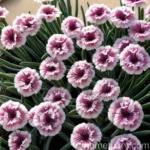
Plant Name: Dianthus deltoides ‘Arctic Fire’ (Maiden Pink)
What is plant: Dianthus deltoides ‘Arctic Fire’ (Maiden Pink)?
Dianthus deltoides ‘Arctic Fire’ is a beautiful flowering plant known for its attractive, vibrant pink flowers and low-growing habit. It is a cultivar of the Dianthus deltoides species, also commonly referred to as Maiden Pink. This plant belongs to the Caryophyllaceae family, which includes a wide range of flowering plants, and it is native to Europe and Asia. The ‘Arctic Fire’ cultivar is particularly popular in gardens and landscapes due to its stunning blooms and ease of care.
Key Takeaways – Dianthus deltoides ‘Arctic Fire’ (Maiden Pink)
- Common Name: Maiden Pink
- Scientific Name: Dianthus deltoides ‘Arctic Fire’
- Plant Type: Perennial
- Flower Color: Bright Pink
- Sunlight: Full sun to partial shade
- Soil: Well-draining, fertile soil
- Water: Moderate watering
- Hardiness Zone: 3-9
- Growth Habit: Low-growing, mat-forming
Culture
Uses
Dianthus deltoides ‘Arctic Fire’ is primarily used for ornamental purposes, adding vibrant color and visual interest to garden beds, borders, and rock gardens. Its low-growing habit makes it an excellent choice for ground cover and edging. Additionally, the flowers of ‘Arctic Fire’ are often used in cut flower arrangements to bring a touch of elegance indoors.
Water
Proper watering is essential for the health and vitality of Dianthus deltoides ‘Arctic Fire’. While it is important to keep the soil consistently moist, it is equally crucial to ensure good drainage to prevent waterlogging, which can lead to root rot. As a general guideline, watering the plant deeply once a week should be sufficient, adjusting the frequency based on the moisture levels in the soil.
Sunlight
This plant thrives in full sun to partial shade. When grown in a location with ample sunlight, ‘Arctic Fire’ displays its vibrant blooms to their fullest potential. However, it can also tolerate some shade, making it a versatile choice for various garden settings.
Fertilizer
To promote healthy growth and abundant flowering, Dianthus deltoides ‘Arctic Fire’ benefits from regular fertilization. A balanced, slow-release fertilizer applied in early spring and again in midsummer can provide the necessary nutrients for the plant to flourish. Additionally, incorporating organic matter into the soil during planting or as a top dressing can further enhance the plant’s vigor.
Soil
The ideal soil for Dianthus deltoides ‘Arctic Fire’ is well-draining and fertile, with a slightly alkaline to neutral pH. Amending the soil with organic matter, such as compost or well-rotted manure, can improve its texture and nutrient content. Good soil preparation is key to establishing a healthy foundation for the plant to thrive.
Pruning
Regular deadheading of spent flowers can extend the blooming period of Dianthus deltoides ‘Arctic Fire’ and encourage the development of new blooms. Additionally, light shearing after the initial flowering phase can help maintain a compact and tidy appearance. It is important to use clean, sharp tools when pruning to minimize the risk of damage or disease transmission.
Propagation
Dianthus deltoides ‘Arctic Fire’ can be propagated through various methods, including division, cuttings, and seed sowing. Division is a common and effective way to increase the number of plants, and it is typically done in early spring or early fall. Taking softwood or semi-hardwood cuttings in the summer months can also yield successful results. Seed propagation is another option, and it allows for the creation of new cultivars and variations within the species.
Container Popularity
The low-growing and compact nature of Dianthus deltoides ‘Arctic Fire’ makes it well-suited for container cultivation. It is often featured in outdoor planters, window boxes, and container gardens, where its vibrant blooms can add a splash of color to patios, balconies, and other outdoor spaces.
Common Diseases
Disease diagnosis
Dianthus deltoides ‘Arctic Fire’ is generally resilient against many common plant diseases when provided with proper growing conditions and care. However, it may occasionally be susceptible to issues such as powdery mildew, botrytis blight, and root rot. Regular inspection of the plant for any signs of discoloration, wilting, or unusual growth can help identify and address potential diseases early on.
Common Pests
This cultivar of Dianthus deltoides may attract certain pests, including aphids, spider mites, and thrips. Vigilant monitoring of the plant and the use of natural predators or organic pest control methods, when necessary, can help manage pest pressures effectively.
Botanist’s Tips
Fun facts
- The genus name “Dianthus” is derived from the Greek words “dios,” meaning divine, and “anthos,” meaning flower.
- Dianthus deltoides ‘Arctic Fire’ is an excellent choice for pollinator gardens, attracting bees, butterflies, and other beneficial insects with its nectar-rich flowers.
- In some cultures, Dianthus flowers carry symbolic meanings of love, admiration, and affection, often making them a popular choice for romantic gestures and gifts.
Links to External Resources
For further information on Dianthus deltoides ‘Arctic Fire’ (Maiden Pink), the following external resources are available:
– The Royal Horticultural Society
– Missouri Botanical Garden
– American Society for the Prevention of Cruelty to Animals
– The Plant List