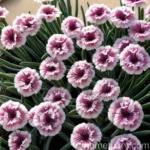
Dianthus Constant Beauty ‘Crush Pink’ (Pink) – A Complete Guide
Dianthus Constant Beauty ‘Crush Pink’, commonly known as Pink Dianthus, is a stunning flowering perennial that has gained widespread popularity among gardeners and horticulturists. With its delicate pink blooms and appealing fragrance, it has become a favorite for both professional landscapers and home gardeners. In this comprehensive guide, we will delve into the various aspects of cultivating and caring for the Dianthus Constant Beauty ‘Crush Pink’, aiming to provide expert insights and practical tips for ensuring its successful growth and maintenance.
What is Dianthus Constant Beauty ‘Crush Pink’ (Pink)?
Dianthus Constant Beauty ‘Crush Pink’ is a member of the Dianthus genus, which encompasses over 300 species of flowering plants in the family Caryophyllaceae. This particular variety is celebrated for its compact growth habit, profusion of bright pink flowers, and its remarkable resilience against various environmental conditions. As a perennial plant, it re-emerges each spring from its underground roots and continues to bloom throughout the summer season, adding an exquisite touch to garden landscapes and containers.

Key Takeaways – Dianthus Constant Beauty ‘Crush Pink’ (Pink)
Before we delve into the details of cultivating and caring for the Dianthus Constant Beauty ‘Crush Pink’, let’s take a quick look at the key takeaways for this charming plant:
- Common Name: Dianthus Constant Beauty ‘Crush Pink’
- Genus: Dianthus
- Scientific Name: Dianthus Constant Beauty ‘Crush Pink’
- Type: Perennial
- Color: Pink
- Growth Habit: Compact and Bushy
- Blooming Season: Spring to Summer
- Fragrance: Pleasant and Sweet
- Hardiness Zones: 5 to 9
- Uses: Borders, Rock Gardens, Containers
Now, let’s explore the essential aspects of culture, uses, water, sunlight, fertilizer, soil, pruning, propagation, container gardening, and the common diseases and pests associated with Dianthus Constant Beauty ‘Crush Pink’.
Culture
The culture of Dianthus Constant Beauty ‘Crush Pink’ encompasses the environmental conditions and care practices essential for its optimal growth and development. This includes considerations such as sunlight exposure, water requirements, soil preferences, and fertilization.
Uses
Dianthus Constant Beauty ‘Crush Pink’ serves various purposes in garden landscapes and horticultural designs. Its common uses include:
- Border Plant: The compact growth habit and abundant flowering make it an excellent choice for border plantings, adding vibrant color and texture to garden edges.
- Rock Gardens: Its tolerance to well-drained soil and sunny conditions makes it a favorable addition to rock gardens, where it can thrive alongside other alpine and low-growing plants.
- Container Planting: Its adaptability to container cultivation makes it an ideal candidate for potted arrangements, balcony gardens, and window boxes.
Water
The water requirements of Dianthus Constant Beauty ‘Crush Pink’ are essential to ensure its healthy growth and sustained flowering. While the plant exhibits some drought tolerance once established, it thrives best in moderately moist soil conditions. During the active growing season, it is crucial to provide regular and consistent watering, allowing the soil to dry partially between waterings.
Sunlight
In terms of sunlight exposure, Dianthus Constant Beauty ‘Crush Pink’ thrives in full sun to partial shade conditions. Adequate sunlight is necessary for promoting abundant blooming and maintaining the plant’s compact growth habit. Therefore, it is advisable to position it in a location that receives at least 6 hours of direct sunlight each day, especially during the peak growing season.
Fertilizer
Proper fertilization is key to ensuring the vigor and flowering capacity of Dianthus Constant Beauty ‘Crush Pink’. A balanced, slow-release fertilizer designed for flowering perennials can be applied in early spring, as new growth begins to emerge. Additionally, a light application of fertilizer in mid-summer can help sustain its blooming performance throughout the season.
Soil
The ideal soil for Dianthus Constant Beauty ‘Crush Pink’ is well-drained and moderately fertile. It thrives in neutral to slightly alkaline soil pH levels and can tolerate sandy or loamy textures. Ensuring good drainage is crucial, as waterlogging can lead to root rot and other detrimental conditions.
Pruning
Regular pruning is beneficial for maintaining the attractive appearance and longevity of Dianthus Constant Beauty ‘Crush Pink’. This can involve the removal of spent flowers to encourage continuous blooming, as well as the occasional trimming of straggly or dead stems. Furthermore, a light shearing in late summer can help maintain its compact form and rejuvenate the plant for the following growing season.
Propagation
Dianthus Constant Beauty ‘Crush Pink’ can be propagated through various methods, including:
- Division: Dividing mature clumps in early spring or fall, and replanting the divided sections in prepared soil, provides a straightforward means of propagation.
- Cuttings: Taking stem cuttings from healthy, non-flowering shoots and rooting them in a suitable propagation medium, such as perlite or a well-draining mix, can yield new plants with identical traits.
Container Popularity
The compact growth habit and ornamental appeal of Dianthus Constant Beauty ‘Crush Pink’ make it a popular choice for container gardening. Its adaptability to confined spaces and its ability to thrive in container environments make it an attractive option for urban and small-space gardens. When grown in containers, ensure adequate drainage and regular watering to maintain its vigor and flowering performance.
Common Diseases
Understanding the common diseases that affect Dianthus Constant Beauty ‘Crush Pink’ is crucial for implementing preventive measures and timely interventions to safeguard its health and vitality. Some of the prevalent diseases include:
- Powdery Mildew: Characterized by a powdery white residue on foliage, this fungal disease can affect the overall vigor and aesthetic appeal of the plant.
- Crown Rot: Excessive soil moisture and poor drainage can lead to the development of crown rot, causing wilting and decline in affected plants.
- Fungal Leaf Spots: Various fungi can cause unsightly spots on the leaves, leading to aesthetic damage and potential weakening of the plant.
Disease Diagnosis
Early diagnosis of diseases is essential for instituting appropriate control measures and preventing the spread of pathogens. Regular inspection of the foliage, stems, and the base of the plant can help identify any signs of disease development. Additionally, monitoring changes in plant vigor, leaf discoloration, and unusual growth patterns can signal potential health issues that require attention.
Common Pests
Dianthus Constant Beauty ‘Crush Pink’ might encounter various pests, with some of the common ones including:
- Aphids: These small, sap-sucking insects can cluster on the tender shoots and flower buds, causing distortion and weakening of the plant.
- Spider Mites: Infestations of spider mites can lead to stippled and discolored foliage, affecting the overall health of the plant.
- Thrips: These tiny insects feed on flower buds and young foliage, potentially causing aesthetic damage and affecting the plant’s ability to bloom.
Botanist’s Tips
As a botanist, it is essential to share valuable tips and insights for the successful cultivation and care of Dianthus Constant Beauty ‘Crush Pink’. Here are some expert recommendations:
- Mulching: Applying a layer of organic mulch around the base of the plant can help conserve moisture, inhibit weed growth, and provide a steady supply of nutrients as it decomposes.
- Deadheading: Regular removal of spent flowers not only promotes continuous blooming but also prevents the plant from expending energy on seed production, thereby channeling its resources into new growth and flower production.
- Companion Planting: Pairing Dianthus Constant Beauty ‘Crush Pink’ with compatible companion plants, such as lavender, catmint, and ornamental grasses, can enhance the visual appeal of garden landscapes and provide ecological benefits.
Fun Facts
Discover some fascinating and lesser-known facts about Dianthus Constant Beauty ‘Crush Pink’:
- Cultural Significance: In Victorian times, Dianthus flowers were associated with affection and were often exchanged as tokens of admiration and love.
- Historical Uses: The petals of certain Dianthus species were utilized in traditional medicine and culinary practices for their aromatic and flavor-enhancing properties.
- Symbolism: Dianthus flowers have been linked to symbolism, representing concepts such as purity, admiration, and fascination in various cultural contexts.
With its captivating beauty and remarkable attributes, Dianthus Constant Beauty ‘Crush Pink’ continues to captivate the hearts of gardening enthusiasts and plant aficionados around the globe.
Links to External Resources
For additional information and resources on Dianthus Constant Beauty ‘Crush Pink’, explore the following links:
- Royal Horticultural Society – Dianthus
- University of Florida IFAS Extension – Dianthus Production Guide
- Missouri Botanical Garden – Dianthus
In conclusion, the allure and charm of Dianthus Constant Beauty ‘Crush Pink’ make it not only a visually captivating addition to gardens but also a resilient and rewarding plant to cultivate. With the insights and information presented in this guide, gardeners and plant enthusiasts can embark on a journey of nurturing and experiencing the timeless beauty of this beloved Pink Dianthus variety.