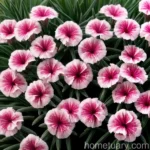
Dianthus chinensis ‘Velvet ‘n Lace’ (Chinese Pink) – A Charming Addition to Your Garden
Dianthus chinensis ‘Velvet ‘n Lace’, commonly known as Chinese Pink, is a delightful and versatile flowering plant that is a favorite of many gardeners. Its attractive blooms, low maintenance requirements, and adaptability to various growing conditions make it a popular choice for both beginner and experienced gardeners.
In this comprehensive guide, we will explore the key characteristics of Dianthus chinensis ‘Velvet ‘n Lace’, its cultural requirements, uses in landscaping, common diseases and pests, as well as valuable tips for successful cultivation. Whether you are planning to incorporate this charming plant into your garden or are already enjoying its beauty, this article will provide you with valuable insights and practical advice for the optimal care and maintenance of Chinese Pink.
What is Dianthus chinensis ‘Velvet ‘n Lace’?
Dianthus chinensis ‘Velvet ‘n Lace’ is a variety of Dianthus chinensis, a species of flowering plant in the family Caryophyllaceae. This particular cultivar is known for its striking and fragrant blooms, which make it a sought-after addition to gardens and landscapes. It is characterized by its compact growth habit, making it a versatile option for various planting arrangements.
The distinctive features of Dianthus chinensis ‘Velvet ‘n Lace’ include:
- Flower Color: The flowers of ‘Velvet ‘n Lace’ are known for their vibrant hues, ranging from various shades of pink to white, adorned with contrasting markings and patterns, adding visual interest to the plant.
- Bloom Time: This cultivar typically produces an abundance of flowers during the spring and summer months, enhancing the overall appeal of the garden with its prolonged blooming period.
- Growth Habit: ‘Velvet ‘n Lace’ exhibits a bushy and compact growth habit, with a mature height and spread that makes it suitable for edging, borders, and container plantings.
As we delve deeper into the specifics of Dianthus chinensis ‘Velvet ‘n Lace’, we will explore the cultural requirements, uses, and maintenance practices that contribute to the successful cultivation of this charming plant.
Key Takeaways – Dianthus chinensis ‘Velvet ‘n Lace’ (Chinese Pink)
Culture
Uses
Dianthus chinensis ‘Velvet ‘n Lace’ is a versatile plant that can be used in various capacities within the garden and landscape. Some common uses include:
- Borders and Edging: The compact growth habit and colorful blooms of ‘Velvet ‘n Lace’ make it an ideal candidate for border plantings and edging along walkways and garden beds.
- Container Planting: The adaptability of this cultivar to container gardening makes it suitable for adding a pop of color to patios, balconies, and other small outdoor spaces.
- Mixed Planters: When combined with other annuals or perennials, ‘Velvet ‘n Lace’ can contribute to the visual appeal of mixed planters and hanging baskets.
- Rock Gardens: Its drought tolerance and low maintenance requirements make ‘Velvet ‘n Lace’ well-suited for rock gardens, where it can thrive in well-drained, rocky soils.
Water
Proper watering is essential for maintaining the health and vigor of Dianthus chinensis ‘Velvet ‘n Lace’. While this cultivar exhibits good drought tolerance once established, it thrives when provided with consistent moisture, particularly during periods of active growth and flowering.
- Watering Frequency: Water ‘Velvet ‘n Lace’ thoroughly when the top inch of soil is dry, providing enough moisture to reach the root zone without leading to waterlogged conditions.
- Morning Watering: To minimize the risk of fungal diseases, such as root rot and powdery mildew, it is advisable to water ‘Velvet ‘n Lace’ in the morning, allowing excess moisture to evaporate throughout the day.
Sunlight
As with many flowering plants, adequate sunlight is crucial for the overall performance of Dianthus chinensis ‘Velvet ‘n Lace’. Providing the appropriate level of sunlight ensures robust growth and abundant flowering.
- Sun Exposure: ‘Velvet ‘n Lace’ thrives in full sun to partial shade, with at least 6 hours of direct sunlight per day being ideal for promoting prolific blooming and healthy foliage.
- Shade Tolerance: While this cultivar prefers ample sunlight, it can tolerate partial shade, especially in regions with intense afternoon sun or during the peak of summer.
Fertilizer
Proper fertilization can enhance the blooming potential and overall vitality of Dianthus chinensis ‘Velvet ‘n Lace’, supporting healthy growth and long-lasting flowers.
- Fertilizer Type: Use a balanced, all-purpose fertilizer, such as a 10-10-10 formulation, or a specialized bloom-boosting fertilizer, during the active growing season to provide essential nutrients for robust flowering.
- Application Frequency: Apply fertilizer to ‘Velvet ‘n Lace’ every 4-6 weeks, following the manufacturer’s instructions for dilution and application rates to avoid the risk of over-fertilization.
Soil
The selection of suitable soil and proper preparation are essential for promoting healthy growth and flowering in Dianthus chinensis ‘Velvet ‘n Lace’.
- Well-Drained Soil: ‘Velvet ‘n Lace’ thrives in well-drained, fertile soils with a slightly acidic to neutral pH level, ensuring that excess moisture does not accumulate around the roots.
- Soil Amendments: Incorporating organic matter, such as compost or well-rotted manure, into the planting site can improve soil texture and fertility, creating an optimal growing environment for ‘Velvet ‘n Lace’.
Pruning
Regular pruning and deadheading are essential practices for maintaining the appearance and vigor of Dianthus chinensis ‘Velvet ‘n Lace’.
- Deadheading: Remove spent flowers promptly to encourage continuous blooming and prevent the formation of seed heads, redirecting the plant’s energy into the production of new flowers.
- Pruning: Trim back any leggy or overgrown stems of ‘Velvet ‘n Lace’ to maintain a compact and tidy appearance, particularly after the peak flowering period or as needed throughout the growing season.
Propagation
The propagation of Dianthus chinensis ‘Velvet ‘n Lace’ allows gardeners to expand their plantings or share the beauty of this cultivar with others through the following methods:
- Division: Divide mature clumps of ‘Velvet ‘n Lace’ every 2-3 years in the early spring or fall, carefully separating the root sections and replanting them in prepared soil to establish new plants.
- Cuttings: Propagate ‘Velvet ‘n Lace’ from stem cuttings taken in the spring or early summer, rooting them in a well-draining medium and providing the necessary warmth and moisture for successful establishment.
Container Popularity
The compact growth habit and vibrant blooms of Dianthus chinensis ‘Velvet ‘n Lace’ make it a popular choice for container gardening, offering numerous possibilities for creative arrangements and versatile displays.
- Container Selection: Choose well-draining containers of appropriate size for ‘Velvet ‘n Lace’, ensuring adequate space for root growth and providing stability to prevent tipping.
- Mixing and Matching: Combine ‘Velvet ‘n Lace’ with complimentary plants, such as trailing annuals or compact perennials, to create eye-catching container compositions for patios, decks, and other outdoor areas.
Common Diseases and Pests
Disease Diagnosis
Like many ornamental plants, Dianthus chinensis ‘Velvet ‘n Lace’ is susceptible to certain diseases. Understanding the symptoms and preventive measures is crucial for maintaining the health and vitality of this cultivar.
- Powdery Mildew: Look for a powdery white coating on the foliage of ‘Velvet ‘n Lace’, particularly during periods of high humidity, and address this fungal disease promptly with appropriate treatments to prevent its spread.
- Root Rot: Monitor the soil moisture levels and drainage of ‘Velvet ‘n Lace’, as overly wet conditions can lead to root rot, causing wilting, yellowing foliage, and eventual decline in the plant’s overall health.
- Botrytis Blight: Maintain good air circulation around ‘Velvet ‘n Lace’ to prevent the development of botrytis blight, a fungal disease that can affect the flowers and foliage, leading to browning and decay.
Common Pests
Several pests may pose a threat to the well-being of Dianthus chinensis ‘Velvet ‘n Lace’, requiring vigilance and appropriate management strategies to minimize their impact.
- Aphids: Keep an eye out for clusters of small, soft-bodied insects on the stems and undersides of the leaves of ‘Velvet ‘n Lace’, and employ measures such as insecticidal soaps or horticultural oils to control aphid populations.
- Spider Mites: Look for stippling and fine webbing on the foliage of ‘Velvet ‘n Lace’, indicating the presence of spider mites, which can be addressed through regular sprays of water to dislodge the pests and the application of miticides if necessary.
Botanist’s Tips
Cultural Recommendations
Incorporating Dianthus chinensis ‘Velvet ‘n Lace’ into your garden or landscape can be a rewarding experience, provided that the plant’s cultural requirements are met. Here are some botanist-recommended tips for successful cultivation:
- Good Drainage: Ensure that the planting site or containers offer excellent drainage, preventing waterlogging and promoting healthy root development for ‘Velvet ‘n Lace’.
- Regular Monitoring: Monitor the plant for signs of pests, diseases, or nutrient deficiencies, addressing any issues promptly to maintain the plant’s vigor and appearance.
- Pruning Consistency: Consistent deadheading and occasional pruning help to keep ‘Velvet ‘n Lace’ looking its best, while also encouraging continuous blooming and healthy growth.
Fun Facts
Discover some interesting and noteworthy facts about Dianthus chinensis ‘Velvet ‘n Lace’ that showcase its unique attributes and contributions to the garden:
- Fragrant Flowers: The blooms of ‘Velvet ‘n Lace’ exhibit a pleasant and delicate fragrance, adding an extra sensory dimension to its appeal.
- Butterfly Magnet: The colorful flowers of this cultivar have a strong allure for butterflies, contributing to the creation of a vibrant and inviting garden habitat.
- Cut Flower Potential: ‘Velvet ‘n Lace’ makes an excellent cut flower, allowing gardeners to enjoy its beauty indoors while also prolonging the longevity of the blooms in the garden.
Links to External Resources
For further information on Dianthus chinensis ‘Velvet ‘n Lace’, as well as additional insights into its cultivation, uses, and care, consider exploring the following external resources:
- Royal Horticultural Society – Dianthus chinensis
- University of Florida IFAS Extension – Dianthus Production Guide
- Missouri Botanical Garden – Dianthus chinensis
In conclusion, the allure of Dianthus chinensis ‘Velvet ‘n Lace’ as a charming and versatile garden plant is undeniable. By understanding its cultural requirements, uses in landscaping, potential issues, and best practices for maintenance, gardeners can cultivate and enjoy the enduring beauty of this cultivar in their outdoor spaces. Whether incorporated into borders, containers, or mixed plantings, ‘Velvet ‘n Lace’ adds a touch of elegance and color, enriching the visual tapestry of the garden and delighting all who encounter its delightful blooms.