Devil’s Backbone Plant (Pedilanthus tithymaloides): A Complete Guide
With its distinctive zigzagging stems and lush green leaves, the Devil’s Backbone plant (Pedilanthus tithymaloides) is a unique and eye-catching addition to any indoor or outdoor space. This resilient and low-maintenance plant is known for its striking appearance and adaptability, making it a popular choice for both novice and experienced plant enthusiasts.
In this comprehensive guide, we will explore the various aspects of Devil’s Backbone plant care, including its cultural preferences, propagation techniques, common uses, and tips for maintaining its health and vitality. Whether you are a seasoned gardener or a first-time plant owner, this guide will equip you with the knowledge and skills needed to cultivate and appreciate the beauty of the Devil’s Backbone plant.
What is the Devil’s Backbone Plant (Pedilanthus tithymaloides)?
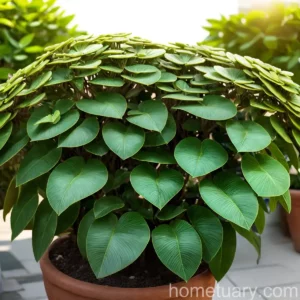
The Devil’s Backbone plant, scientifically known as Pedilanthus tithymaloides, is a member of the Euphorbiaceae family. This striking succulent shrub is native to Mexico and Central America and is characterized by its distinctive appearance, featuring thick, fleshy stems that grow in a zigzag pattern, giving it a unique architectural quality. The plant is also known by several other common names, including Jacob’s Ladder, Zigzag Plant, and Red Bird Cactus, although it is not a true cactus.
The Devil’s Backbone plant is well-suited to both indoor and outdoor environments and can thrive in a variety of conditions, making it a versatile and attractive choice for plant enthusiasts. Its adaptability, resilience, and striking visual appeal have contributed to its growing popularity among plant lovers around the world.
Cultivation of Devil’s Backbone Plant (Pedilanthus tithymaloides)
Water
Proper watering is essential for the health and vitality of Devil’s Backbone plants. While these plants are relatively low-maintenance, they do require regular watering to thrive. It is important to strike a balance, as overwatering can lead to root rot, while underwatering can cause the plant to become dehydrated and wilt.
Key Takeaways – Devil’s Backbone Plant Watering:
– Water the plant when the top inch of the soil feels dry to the touch.
– Allow excess water to drain from the pot to prevent waterlogged soil.
– During the winter months, reduce watering frequency to prevent waterlogging in cooler conditions.
Sunlight
Devil’s Backbone plants thrive in bright, indirect sunlight, making them well-suited for placement near windows or in well-lit indoor environments. When grown outdoors, they should be positioned in locations that receive partial shade, especially during the hottest parts of the day. While the plant can tolerate some direct sunlight, prolonged exposure to intense sunlight may lead to leaf scorching and discoloration.
Key Takeaways – Devil’s Backbone Plant Sunlight Requirements:
– Place the plant in a location that receives bright, indirect sunlight for optimal growth.
– Protect the plant from harsh, direct sunlight, especially during the peak hours of the day.
– Rotate the plant periodically to ensure even exposure to light and promote balanced growth.
Soil
The Devil’s Backbone plant thrives in well-draining, porous soil that allows for adequate airflow and moisture retention. A good quality cactus or succulent mix provides the ideal growing medium for these plants, ensuring that excess water can easily drain away from the roots while still retaining sufficient moisture to support healthy growth.
Key Takeaways – Devil’s Backbone Plant Soil Preferences:
– Choose a well-draining cactus or succulent mix for optimal soil conditions.
– Consider adding perlite or coarse sand to enhance drainage and aeration.
– Repot the plant every 2-3 years to refresh the soil and provide ample space for root growth.
Fertilizer
While Devil’s Backbone plants are not heavy feeders, they can benefit from occasional fertilization during the active growing season. A balanced, water-soluble fertilizer formulated for cacti and succulents can be applied at half-strength every 4-6 weeks during the spring and summer months to provide the plant with essential nutrients for robust growth.
Key Takeaways – Devil’s Backbone Plant Fertilization:
– Use a balanced, water-soluble fertilizer specifically designed for cacti and succulents.
– Apply fertilizer at half-strength every 4-6 weeks during the active growing season.
– Refrain from fertilizing during the winter months when the plant is in a period of dormancy.
Pruning
Pruning is generally not necessary for Devil’s Backbone plants, as they naturally maintain a compact and tidy growth habit. However, occasional trimming may be performed to remove any damaged or dead stems, as well as to shape the plant and encourage bushier growth. It is important to use clean, sharp pruning shears to minimize stress and damage to the plant.
Key Takeaways – Devil’s Backbone Plant Pruning:
– Trim any damaged or dead stems to maintain the overall health and appearance of the plant.
– Shape the plant as desired by selectively removing stems to encourage branching and fullness.
– Disinfect pruning tools before and after use to prevent the spread of disease and pathogens.
Propagation of Devil’s Backbone Plant (Pedilanthus tithymaloides)
Devil’s Backbone plants can be easily propagated through stem cuttings, making it a simple and rewarding process for expanding your plant collection or sharing with fellow enthusiasts. The following steps outline a basic approach to propagating Devil’s Backbone plants from cuttings.
Key Takeaways – Devil’s Backbone Plant Propagation:
– Select a healthy, mature stem and cut it into sections approximately 4-6 inches in length.
– Allow the cuttings to air dry for a few days to form calluses at the wound sites.
– Plant the cuttings in a well-draining, moist propagation medium, such as a mix of perlite and peat moss.
– Place the cuttings in a warm, brightly lit location and mist them periodically to maintain humidity.
– Rooting typically occurs within a few weeks, at which point the cuttings can be transplanted into individual pots for continued growth.
Container Gardening with Devil’s Backbone Plant
The Devil’s Backbone plant is well-suited for container gardening, allowing plant enthusiasts to enjoy its unique beauty in a variety of indoor and outdoor settings. When selecting a container for the plant, it is important to consider factors such as size, drainage, and aesthetics to provide an optimal growing environment.
Key Takeaways – Devil’s Backbone Plant Container Gardening:
– Choose a container with adequate drainage holes to prevent waterlogging and promote healthy root development.
– Select a pot that provides sufficient space for the plant to grow and expand its root system.
– Consider the aesthetic appeal of the container, as it can enhance the overall visual impact of the plant in its environment.
Common Uses of Devil’s Backbone Plant
Beyond its ornamental value, the Devil’s Backbone plant has several potential uses that make it a versatile addition to gardens, landscapes, and indoor spaces.
Key Takeaways – Devil’s Backbone Plant Uses:
– Ornamental plant for indoor and outdoor environments.
– Drought-tolerant landscaping feature.
– Suitable for xeriscaping and water-conserving garden designs.
– Can be used as a focal point in container gardens and succulent arrangements.
– Adds a unique architectural element to botanical displays and public gardens.
Common Diseases and Pests
Like all plants, Devil’s Backbone plants are susceptible to certain diseases and pest infestations that can affect their health and appearance. Recognizing the signs of common issues and taking proactive measures is essential for maintaining the vigor and vitality of these plants.
Disease Diagnosis
Devil’s Backbone plants may be vulnerable to fungal infections, root rot, and stem rot if they are exposed to excessive moisture and poor air circulation. Symptoms of disease may include wilting, discoloration, and visible signs of decay on the stems or leaves.
Key Takeaways – Devil’s Backbone Plant Disease Diagnosis:
– Monitor the plant for any signs of wilting, discoloration, or unusual growth patterns.
– Inspect the stems and leaves for signs of decay, mold, or fungal growth.
– Address any underlying moisture issues and improve air circulation to prevent the onset of disease.
Common Pests
Pests such as aphids, mealybugs, and spider mites can pose a threat to the health of Devil’s Backbone plants, particularly when grown indoors or in close proximity to other plants. Regular inspection and prompt intervention are essential for managing pest infestations and minimizing their impact on the plant.
Key Takeaways – Devil’s Backbone Plant Common Pests:
– Check the plant regularly for signs of pests, including small insects, webbing, or sticky residue on the leaves.
– Use a gentle stream of water to dislodge pests from the plant, or treat infestations with insecticidal soap or neem oil.
– Isolate any affected plants to prevent the spread of pests to other nearby plants.
Botanist’s Tips for Successful Devil’s Backbone Plant Care
To ensure the optimal health and beauty of Devil’s Backbone plants, consider the following tips and recommendations from experienced botanists and plant enthusiasts:
Key Tips for Devil’s Backbone Plant Care:
– Maintain a consistent watering schedule and avoid overwatering the plant.
– Provide ample bright, indirect sunlight to support healthy growth and vibrant foliage.
– Use well-draining soil and containers with adequate drainage to prevent waterlogging.
– Monitor the plant regularly for signs of pests and diseases, and take prompt action to address any issues.
– Rotate the plant periodically to ensure even exposure to light and encourage balanced growth.
– Avoid placing the plant in locations with extreme temperature fluctuations or drafts, as this can stress the plant.
Fun Facts About Devil’s Backbone Plant
- The Devil’s Backbone plant is known for its distinctive zigzag growth habit, which gives it a visually striking and unusual appearance.
- In its native habitat, this plant is often found in arid and semi-arid regions, where it has adapted to thrive in dry and challenging conditions.
- While the plant’s stems are primarily green, they may develop reddish or pinkish hues in response to changes in light exposure and environmental conditions.
Links to External Resources
For further information on Devil’s Backbone plant care, propagation, and cultivation, explore the following external resources:
- Devil’s Backbone Plant Care Guide
- Propagation Techniques for Pedilanthus tithymaloides
- Caring for Succulents and Cacti
- Pest and Disease Management for Indoor Plants
Conclusion
The Devil’s Backbone plant (Pedilanthus tithymaloides) is a captivating and resilient plant that offers a host of unique features and cultivation opportunities for plant enthusiasts. With its striking appearance, low-maintenance requirements, and versatile uses, this distinctive plant has earned its place as a popular choice for indoor and outdoor gardens, landscapes, and botanical displays. By understanding its cultural preferences, propagation techniques, and common uses, plant enthusiasts can cultivate and appreciate the distinctive beauty of the Devil’s Backbone plant while maintaining its health and vitality for years to come.