Cyperus Plants (Cyperus Alternifolius)
Plants play a crucial role in our lives, not only by providing oxygen and food but also by enhancing the aesthetic appeal of our surroundings. One plant.
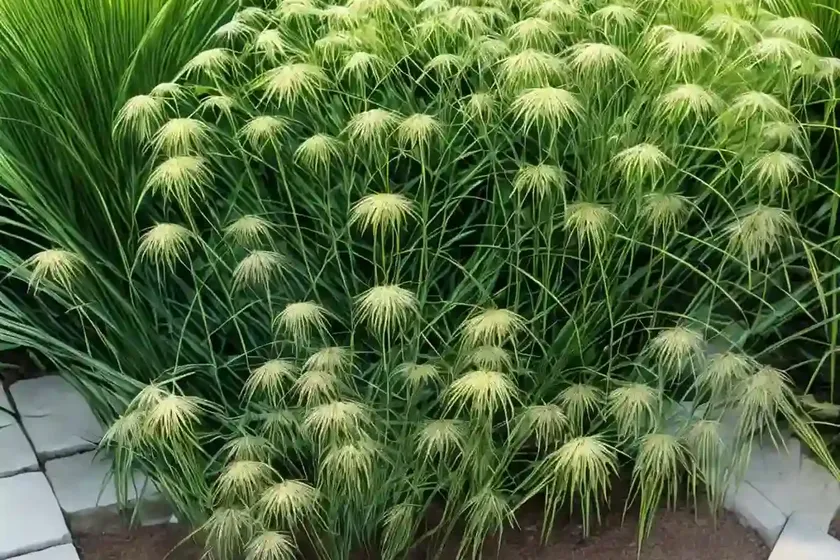
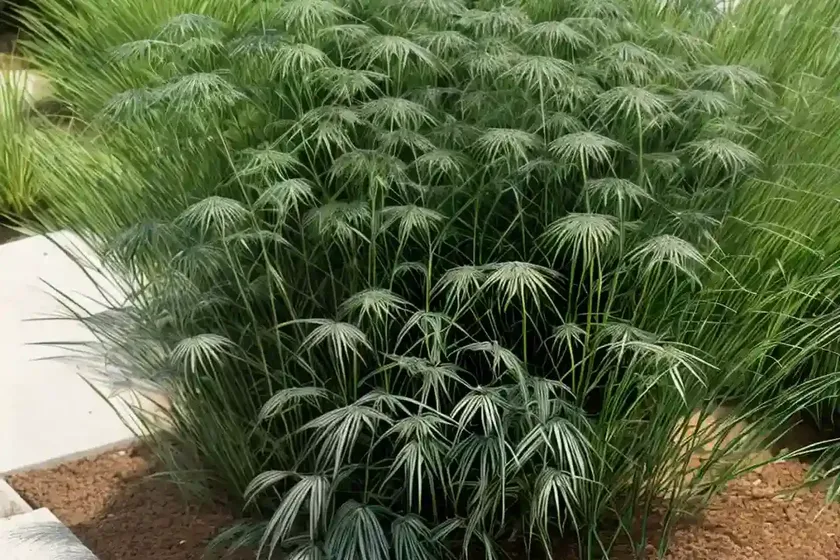
Plants play a crucial role in our lives, not only by providing oxygen and food but also by enhancing the aesthetic appeal of our surroundings. One plant that has caught the attention of gardening enthusiasts and nature lovers alike is the Cyperus alternifolius. Also commonly known as Cyperus plants, this unique species offers a blend of beauty, versatility, and practicality. In this comprehensive guide, we will explore the various aspects of Cyperus alternifolius, including its cultural needs, uses, maintenance tips, and botanical significance.
What is Cyperus alternifolius?
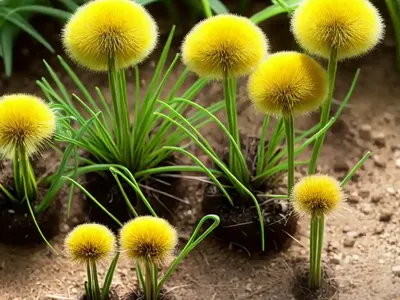
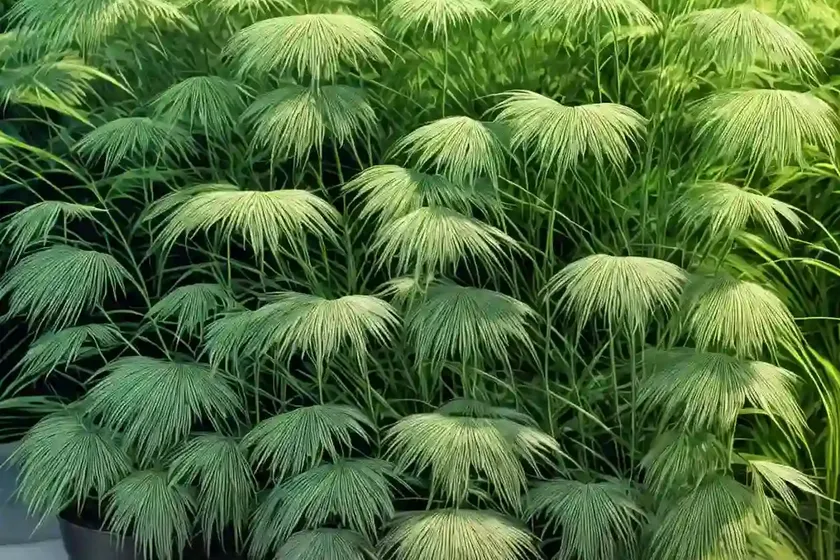
Before delving into the specifics of caring for Cyperus alternifolius, it’s essential to understand the plant itself. Cyperus alternifolius, a member of the Cyperaceae family, is a species of sedge that is native to Madagascar, as well as other tropical and subtropical regions. Its unique appearance and low-maintenance nature have garnered significant attention from horticulturists and landscape designers. The plant is characterized by its umbrella-like clusters of greenery atop long, slender stems, giving it a distinctive and ornamental appeal.
Key Takeaways – Cyperus Plants (Cyperus alternifolius)
Culture
- Native to Madagascar and other tropical and subtropical regions
- Belongs to the Cyperaceae family
- Characterized by umbrella-like clusters of greenery atop long, slender stems
Uses
- Ornamental plant for landscaping and interior décor
- Water garden and bog plant
- Natural filtration in aquatic environments
Now that we have a basic understanding of Cyperus alternifolius, let’s explore the essential factors to consider when caring for this unique plant.
Care Requirements for Cyperus alternifolius
Cyperus plants have specific cultural needs that must be met to ensure their optimal growth and health. From water and sunlight requirements to soil preferences and pruning techniques, every aspect of care plays a crucial role in nurturing these plants.
Water
Cyperus alternifolius is a water-loving plant and thrives in consistently moist soil. Whether cultivated in a garden or a container, ensuring an adequate and consistent water supply is vital for the plant’s well-being. However, it’s important to strike a balance, as excessive waterlogging can lead to root rot and other complications.
Sunlight
In its natural habitat, Cyperus alternifolius thrives in environments with partial shade to full sun exposure. When cultivated as a houseplant or in an indoor garden, it’s important to provide ample indirect sunlight to promote healthy growth and vibrant foliage.
Fertilizer
Fertilizing Cyperus alternifolius can support its growth and overall vigor. A balanced, water-soluble fertilizer can be applied during the growing season to provide essential nutrients. Care should be taken to follow the recommended dosage to avoid over-fertilization, which can harm the plant.
Soil
The ideal growing medium for Cyperus alternifolius is one that is rich in organic matter and retains moisture well. A mix of peat moss, loam, and coarse sand can provide the proper balance of nutrients, aeration, and moisture retention. Additionally, the soil should have a slightly acidic to neutral pH range.
Pruning
The unique foliage of Cyperus alternifolius can benefit from occasional pruning to maintain its shape and prevent overgrowth. Trimming dead or yellowing foliage and controlling the plant’s height can help in promoting a tidy and attractive appearance.
Propagation
Cyperus alternifolius can be propagated through division, typically during the plant’s active growth phase. By carefully separating the root ball into smaller sections and replanting them in suitable growing conditions, new plants can be established and nurtured.
Container Popularity
The adaptability of Cyperus alternifolius to container cultivation has made it a popular choice for indoor and outdoor plant enthusiasts. Its graceful form and low maintenance requirements make it an ideal addition to container gardens, water features, and decorative arrangements.
Common Diseases
While Cyperus alternifolius is generally resilient, it can be susceptible to certain diseases under unfavorable conditions. Pythium root rot and leaf spots are among the common ailments that can affect these plants when exposed to excessive moisture and poor air circulation.
Disease Diagnosis
Prompt diagnosis and treatment of any potential diseases are essential for maintaining the health of Cyperus alternifolius. Regular inspection of the foliage, stems, and root system can help in identifying early signs of disease, enabling timely intervention and preventive measures.
Common Pests
Aphids, scale insects, and mealybugs are some of the common pests that may pose a threat to Cyperus alternifolius. Monitoring the plant for any signs of infestation and taking appropriate pest control measures can help in mitigating potential damage.
Botanist’s Tips
- Maintain consistent soil moisture, avoiding waterlogging or extended periods of dryness
- Provide ample indirect sunlight for healthy foliage growth
- Use a well-draining soil mix with adequate organic content
- Regularly inspect the plant for signs of disease or pest infestation
- Prune the plant as needed to maintain its shape and prevent overcrowding
Fun Facts
- Cyperus alternifolius is also known as umbrella papyrus or umbrella sedge due to its distinct foliage arrangement.
- In its natural habitat, Cyperus alternifolius serves as a vital component of wetland ecosystems, contributing to water purification and habitat support for various species.
Now that we’ve covered the essential care requirements and factors associated with Cyperus alternifolius, let’s delve into its propagation, uses, and additional resources for further exploration.
Propagation of Cyperus alternifolius
Cyperus alternifolius can be propagated through division, offering a straightforward and efficient method for creating new plants. When carried out during the plant’s active growth phase, division can yield healthy and robust specimens that can be incorporated into various environments.
Division Technique
To propagate Cyperus alternifolius through division, the following steps can be followed:
- Carefully remove the plant from its container or growing site.
- Gently separate the root ball into smaller sections, ensuring that each division has a sufficient root system and healthy growth.
- Replant the divisions in suitable containers or areas with the appropriate growing conditions, ensuring adequate soil moisture and sunlight.
By following these steps and providing optimal care, the propagated divisions can establish themselves and flourish, further enriching the landscape with their vibrant foliage.
Uses of Cyperus alternifolius
The versatility of Cyperus alternifolius extends beyond its ornamental appeal, offering a range of practical and aesthetic uses in various settings. From water gardens and interior décor to natural filtration and landscape focal points, the plant’s adaptability makes it a valuable addition to diverse environments.
Ornamental Plant for Landscaping
Cyperus alternifolius serves as an excellent ornamental specimen in landscaping projects, contributing its unique form and lush greenery to outdoor spaces. Whether featured as a standalone focal point or incorporated into mixed plantings, it adds an element of elegance and natural beauty to the surroundings.
Water Garden and Bog Plant
The water-loving nature of Cyperus alternifolius makes it an ideal choice for water gardens and bog habitats. Its graceful foliage and suitability for wet environments allow it to thrive alongside aquatic plants, creating harmonious and visually captivating displays.
Natural Filtration in Aquatic Environments
In aquatic environments such as ponds and water features, Cyperus alternifolius plays a beneficial role in natural filtration. Its root system aids in nutrient uptake and water purification, contributing to the overall health and balance of the ecosystem.
Interior Décor and Container Gardens
As a low-maintenance and visually appealing plant, Cyperus alternifolius is well-suited for interior décor and container gardens. Its graceful form and adaptability to indoor environments make it a popular choice for enhancing living spaces and adding a touch of greenery to interior settings.
Landscape Focal Point
Whether grown in groups or as individual specimens, Cyperus alternifolius can serve as a striking focal point in landscape designs. Its architectural presence and distinctive foliage make it an attractive feature in gardens, parks, and public spaces, drawing attention and adding interest to the surroundings.
Cyperus alternifolius: Additional Considerations and Resources
In addition to its care requirements, propagation techniques, and uses, there are several other aspects to consider when incorporating Cyperus alternifolius into various settings. From companion plants and landscaping ideas to its cultural significance and health benefits, the plant offers a diverse range of attributes and applications.
Companion Plants
When selecting companion plants for Cyperus alternifolius, it’s beneficial to consider species that share similar moisture and light requirements. Plants such as Calathea, Arrowhead Plant (Syngonium), and certain ferns can complement Cyperus alternifolius and thrive alongside it in suitable growing conditions.
Landscaping Ideas
Including Cyperus alternifolius in landscaping projects opens up possibilities for creating visually appealing arrangements and naturalistic settings. Whether incorporated into water features, alongside other ornamental grasses, or as a standalone feature, the plant can contribute to diverse landscaping themes and concepts.
Cultural Significance
Cyperus alternifolius holds cultural significance in various regions, often being associated with symbolism, traditional medicinal uses, and spiritual practices. Exploring the historical and cultural dimensions of the plant can offer insights into its broader relevance and its role in different contexts.
Health Benefits
Beyond its aesthetic appeal, Cyperus alternifolius has potential health benefits, including air purification and stress reduction in indoor environments. Its ability to improve air quality and contribute to a calming atmosphere adds to its value as a houseplant and interior décor element.
By considering these aspects and exploring additional resources, individuals can gain a deeper understanding of Cyperus alternifolius and its potential contributions to diverse settings and applications.
External Resources for Further Exploration
To further enhance your knowledge of Cyperus alternifolius and its various aspects, the following external resources offer valuable insights, guidance, and practical information:
- Royal Horticultural Society: Cyperus alternifolius
- Missouri Botanical Garden: Cyperus alternifolius
- The Spruce: How to Grow Cyperus
These resources provide a comprehensive exploration of Cyperus alternifolius, offering practical tips, research-based insights, and expert recommendations for care, cultivation, and utilization of the plant.
In conclusion, Cyperus alternifolius, with its unique characteristics and adaptability, presents a compelling addition to gardens, interior spaces, and aquatic environments. By understanding its care requirements, propagation techniques, uses, and broader significance, individuals can effectively incorporate this versatile plant into diverse settings, enriching their surroundings with its ornamental beauty and practical benefits. Whether as a water garden feature, interior décor element, or component of naturalistic landscapes, Cyperus alternifolius stands as a testament to the captivating allure and functionality of plant life.