Delphinium Tricorne (Dwarf Larkspur)
Delphinium tricorne, commonly known as Dwarf Larkspur, is a stunning perennial plant that belongs to the genus Delphinium. This beautiful wildflower is.
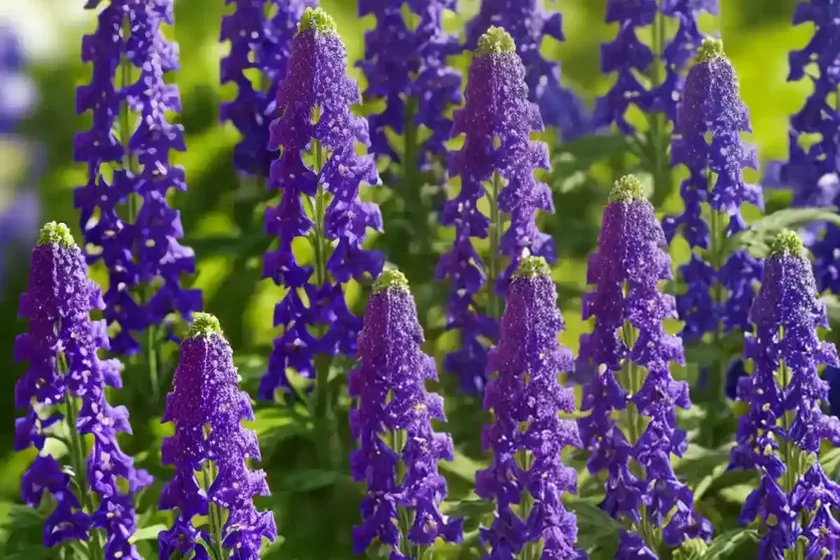
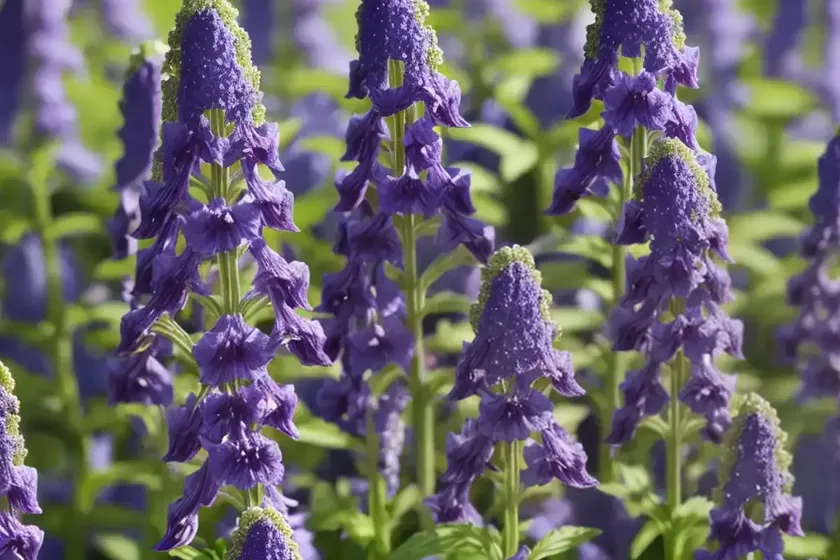
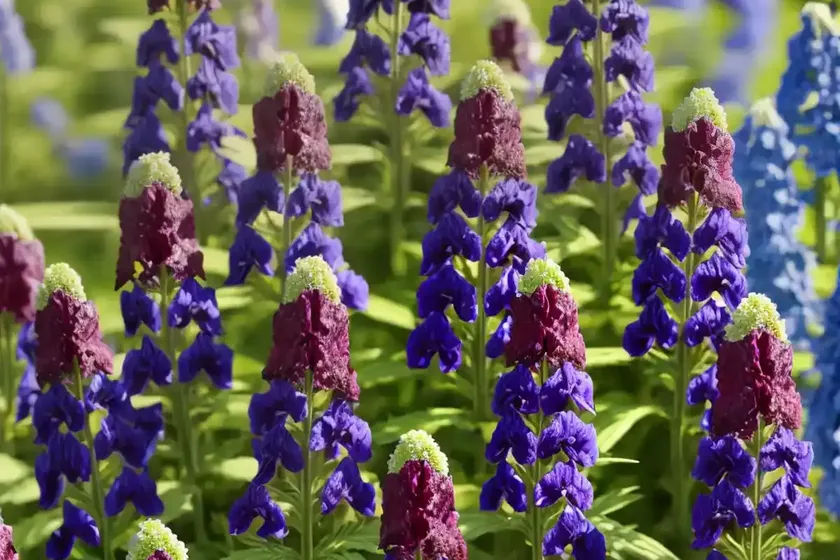
Delphinium tricorne, commonly known as Dwarf Larkspur, is a stunning perennial plant that belongs to the genus Delphinium. This beautiful wildflower is native to the woodlands of eastern North America and is known for its elegant, colorful blooms and its attractive foliage. In this comprehensive guide, we will delve into the various aspects of caring for and cultivating Delphinium tricorne. From its ideal growing conditions to common diseases and pests, this guide will equip you with all the essential knowledge needed to cultivate and nurture this delightful plant successfully.
What is Delphinium Tricorne (Dwarf Larkspur)?
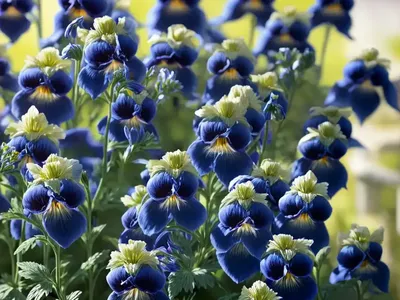
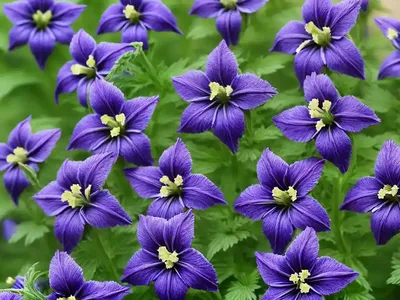
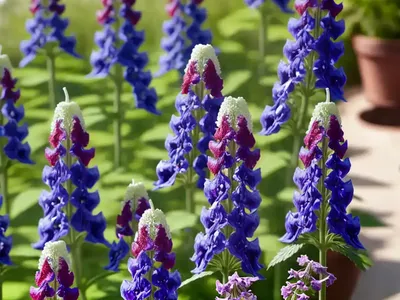
Delphinium tricorne, also known as Dwarf Larkspur, is a species of herbaceous perennial plant in the buttercup family, Ranunculaceae. It is characterized by its vibrant, spurred flowers that bloom in shades of blue, purple, and white. This plant typically grows to a height of 1 to 2 feet and is adorned with distinctive, deeply cut palmate leaves. Delphinium tricorne is an excellent choice for woodland gardens, shaded borders, and naturalized landscapes, adding a touch of elegance and charm to any outdoor space.
Key Takeaways – Delphinium Tricorne (Dwarf Larkspur)
Before diving into the specifics of cultivating and caring for Delphinium tricorne, let’s explore some key takeaways about this enchanting plant:
- Scientific Name: Delphinium tricorne
- Common Name: Dwarf Larkspur
- Plant Type: Herbaceous Perennial
- Mature Height: 1 to 2 Feet
- Bloom Time: Late Spring to Early Summer
- Preferred Growing Zones: 3 to 8
- Ideal Light Conditions: Partial Shade to Full Shade
- Soil Preferences: Moist, Well-Drained Soil
- Attracts: Pollinators, Such as Bees and Butterflies
Now that we have a basic understanding of Delphinium tricorne, let’s explore in detail the various aspects of cultivating and caring for this captivating plant.
Cultivation
Sunlight
Partial Shade to Full Shade: Delphinium tricorne thrives in environments with partial shade to full shade. It is well-suited for woodland gardens and shaded borders where it can receive dappled sunlight or filtered light.
Water
Moist Soil: Proper moisture is crucial for the health and vitality of Delphinium tricorne. While it prefers moist soil, it is essential to ensure that the soil is well-drained to prevent waterlogging, which can be detrimental to the plant’s roots.
Soil
Well-Drained, Humus-Rich Soil: This plant flourishes in well-drained, humus-rich soil. A slightly acidic to neutral soil pH is ideal for promoting healthy growth and abundant flowering. Amending the soil with organic matter, such as compost or leaf mold, can significantly enhance its quality and fertility.
Fertilizer
Balanced Fertilization: Delphinium tricorne benefits from a balanced, slow-release fertilizer applied in early spring. Look for a fertilizer with a balanced NPK ratio to provide essential nutrients for strong, vigorous growth and prolific flowering.
Uses
Ornamental Use
Delphinium tricorne is primarily cultivated for its ornamental value, adorning gardens and naturalized landscapes with its captivating blooms and lush foliage. Its graceful appearance makes it a sought-after addition to shade gardens, woodland settings, and under the canopies of trees.
Wildlife Attraction
The colorful blooms of Delphinium tricorne serve as a magnet for pollinators, including bees and butterflies, enhancing the ecological diversity of the surrounding environment. By planting this species, you can contribute to the sustenance and well-being of important pollinating insects.
Pruning
Deadheading
Regular deadheading, the removal of spent blooms, is essential for prolonging the flowering period of Delphinium tricorne and encouraging the production of new flower buds. This practice also promotes a tidy and well-groomed appearance for the plant.
Cutting Back
After the blooming period, cutting back the spent flower stems to ground level can help maintain the plant’s vigor and prevent self-seeding, ensuring a more controlled growth habit in the garden.
Propagation
Division
Delphinium tricorne can be propagated through division, which involves separating the plant’s crowns and roots into smaller sections for replanting. This method is best carried out in early spring or early fall when the plant is not actively flowering.
Seeds
Collecting seeds from mature seedpods and sowing them in prepared seedbeds is another effective means of propagating Delphinium tricorne. It is important to stratify the seeds by exposing them to a period of cold, mimicking their natural dormancy requirements, before sowing them in the desired location.
Container Cultivation
With its preference for partial to full shade and consistently moist soil, Delphinium tricorne can thrive in containers, adding a touch of natural beauty to shaded patios, balconies, and outdoor living spaces. When cultivating this plant in containers, it is essential to choose a well-draining potting mix and provide adequate water and moisture retention.
Popularity
Delphinium tricorne has garnered popularity among gardeners and landscaping enthusiasts for its delicate, yet vibrant, floral display in shaded outdoor settings. Its suitability for naturalizing and its value in supporting pollinators further enhance its appeal and desirability.
Common Diseases
Powdery Mildew
Delphinium tricorne is susceptible to powdery mildew, a fungal disease characterized by the powdery white growth on leaves and stems. To prevent powdery mildew, ensure good air circulation and avoid overhead watering, which can create a conducive environment for fungal development.
Crown Rot
Poorly draining soil and waterlogged conditions can lead to crown rot in Delphinium tricorne, resulting in the decay of the plant’s crown and roots. It is imperative to provide well-drained soil and avoid overwatering to mitigate the risk of crown rot.
Disease Diagnosis
Symptoms:
- White powdery patches on leaves and stems
- Wilted, discolored foliage
- Rotting at the base of the plant
Preventive Measures:
- Improve air circulation
- Avoid overhead watering
- Provide well-drained soil
Common Pests
Aphids
Aphids are a common pest that can afflict Delphinium tricorne, feeding on the plant’s sap and causing leaf curling, distortion, and stunted growth. Introducing natural predators, such as ladybugs, and using insecticidal soap can help control aphid infestations.
Slugs and Snails
In moist, shaded environments, slugs and snails can pose a threat to Delphinium tricorne, causing damage to its foliage and flowers. Employing physical barriers, such as copper tape, and using organic slug and snail baits can effectively manage these pests.
Botanist’s Tips
As a plant scientist, I recommend the following tips for successful cultivation and care of Delphinium tricorne:
- Ensure Adequate Moisture: Maintain consistently moist soil to support healthy growth and flowering.
- Provide Partial to Full Shade: Position the plant in a location that receives partial to full shade to mimic its native woodland habitat.
- Practice Vigilant Pest and Disease Monitoring: Regularly inspect the plant for signs of pests and diseases, taking prompt action to address any issues that arise.
Fun Facts
- The genus name “Delphinium” is derived from the Greek word “delphis,” meaning dolphin, referring to the shape of the plant’s nectary.
- Delphinium tricorne holds cultural significance among Native American tribes, who utilized it for various traditional and medicinal purposes.
Links to External Resources
For additional information on Delphinium tricorne and its cultivation, I recommend exploring the following resources:
- Royal Horticultural Society: Delphinium tricorne
- Missouri Botanical Garden: Delphinium tricorne
- University of Wisconsin-Madison: Growing Delphiniums
- North Carolina State University: Delphinium Diseases
- The American Phytopathological Society: Powdery Mildew of Delphinium
By leveraging these resources, enthusiasts can delve deeper into the world of Delphinium tricorne, gaining valuable insights into its cultivation, characteristics, and maintenance.
In conclusion, Delphinium tricorne, or Dwarf Larkspur, is a captivating plant that offers an array of ornamental, ecological, and cultural benefits. By understanding its specific growing requirements and implementing appropriate care practices, gardeners and nature enthusiasts can foster the thriving presence of this charming perennial, enhancing the beauty and diversity of their outdoor spaces.
Remember, successful cultivation of Delphinium tricorne not only brings visual delight but also contributes to the ecological harmony of the natural world. With the knowledge and guidance provided in this comprehensive plant care guide, enthusiasts can embark on a rewarding journey of nurturing and cherishing the enchanting presence of Dwarf Larkspur in their gardens and landscapes.