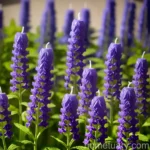
Delphinium ‘Spindrift’ (Candle Larkspur): A Fascinating Addition to Your Garden
Delphinium ‘Spindrift’, commonly known as Candle Larkspur, is a spectacular flowering plant that captivates with its stunning blooms and graceful stature. Cultivated for its elegant spikes of blue blossoms and lush foliage, this plant has gained popularity among gardeners for its ornamental value and versatility. In this comprehensive guide, we will delve into the various aspects of Delphinium ‘Spindrift’, from its cultural requirements and propagation to its maintenance, common diseases, and pest control. Whether you are a seasoned horticulturist or an amateur gardener, join us on a journey to discover the beauty and intricacies of cultivating this enchanting plant.
What is Delphinium ‘Spindrift’ (Candle Larkspur)?
Delphinium, a genus within the Ranunculaceae family, comprises over 300 species of herbaceous perennials known for their showy, elongated flower spikes. ‘Spindrift’ is a specific variety of Delphinium, commonly referred to as Candle Larkspur, characterized by its vibrant, spiky blooms and vigorous growth habit. This cultivar is renowned for its towering presence in gardens, making it a striking addition to flower beds, borders, and cottage-style landscapes.
Key Takeaways – Delphinium ‘Spindrift’ (Candle Larkspur)
Before delving deeper into the specifics of growing and caring for Delphinium ‘Spindrift’ (Candle Larkspur), let’s explore some key takeaways about this captivating plant:
- Genus and Species: Delphinium ‘Spindrift’ (Candle Larkspur)
- Common Name: Candle Larkspur
- Plant Type: Herbaceous Perennial
- Blooms: Spiky, elongated clusters of blue flowers
- Foliage: Lush, deeply lobed green leaves
- Height: Can reach up to 4-6 feet, depending on the variety
- Growing Zones: Thrives in USDA Hardiness Zones 3-7
- Uses: Ornamental, cut flowers, pollinator attractant
With these essential details in mind, let’s embark on a comprehensive exploration of the culture, uses, maintenance, and more aspects of cultivating Delphinium ‘Spindrift’.
Culture
Water
Due to their preference for consistently moist soil, Delphinium ‘Spindrift’ plants require regular watering, especially during dry periods and prolonged periods of heat. Adequate moisture is crucial for maintaining healthy growth and promoting robust flowering. Be mindful of not allowing the soil to become waterlogged, as excessive moisture can lead to root rot and other issues. When watering, aim to keep the soil evenly moist but not waterlogged, and provide supplementary irrigation during dry spells to ensure the plant’s vitality.
Sunlight
Candle Larkspur thrives in full sunlight to partial shade. However, to encourage vigorous growth and prolific blooming, it is best to plant them in locations where they receive ample sunlight, particularly in the morning. In regions with intense summer heat, providing some afternoon shade can prevent the plants from becoming stressed. Adequate sunlight exposure is critical for the development of sturdy stems and vibrant flowers, making it essential to select an appropriate site with the right balance of light for optimal growth.
Fertilizer
To support the vigorous growth and abundant flowering of Delphinium ‘Spindrift’, regular fertilization is essential. Opt for a balanced, water-soluble fertilizer or a slow-release granular fertilizer formulated for flowering perennials. Apply the fertilizer in spring as new growth emerges, ensuring even distribution around the base of the plants. A second application can be made in early summer to sustain the plant’s nutrient requirements throughout the growing season. Remember to follow the recommended dosage provided on the fertilizer packaging to prevent overfeeding and potential damage to the plants.
Soil
Delphinium ‘Spindrift’ thrives in well-draining, fertile soil with a slightly alkaline to neutral pH. Loamy, humus-rich soils are particularly well-suited for cultivating these plants, providing the optimal growing medium for their deep root systems. Before planting, ensure the soil is adequately amended with organic matter such as compost or well-rotted manure to improve its structure and fertility. Additionally, proper soil preparation is crucial for promoting healthy establishment and robust growth, making it essential to create an ideal planting environment tailored to the needs of Delphinium ‘Spindrift’.
Pruning
Pruning is an essential aspect of maintaining the health and attractiveness of Delphinium ‘Spindrift’. Regular deadheading, the removal of spent blooms, is crucial for encouraging continuous flowering and preventing the plant from expending energy on seed production. Additionally, as the flowering season nears its end, cutting back the stems to the base of the plant can promote tidier growth and new foliage. It is important to exercise caution when handling Delphiniums, as all parts of the plant are toxic if ingested, and contact with the sap may cause skin irritation.
Propagation
Delphinium ‘Spindrift’ can be propagated through various methods, including division, seed sowing, and stem cuttings. Division, carried out in early spring, involves carefully dividing the plant into multiple sections, each containing viable roots and growing points. Seed propagation can be a rewarding process, though it requires patience and attention to specific germination requirements. Stem cuttings offer a reliable means of propagating true-to-type specimens, enabling you to produce new plants from healthy, disease-free cuttings taken during the growing season.
Container Popularity
While Delphinium ‘Spindrift’ is commonly grown in garden beds and borders, it can also thrive in containers, adding vertical interest and vibrant color to patio areas, balconies, and other outdoor spaces. When planting in containers, select large, sturdy pots to accommodate the plant’s robust growth and provide ample room for its root system. Ensure the containers have drainage holes to prevent waterlogging and use a high-quality potting mix amended with organic matter to promote optimal growth. Container-grown Delphiniums benefit from regular watering, fertilization, and vigilant monitoring of their moisture levels and overall health.
Common Diseases
Disease Diagnosis
Delphinium ‘Spindrift’, like other members of the Delphinium genus, is susceptible to several fungal diseases and other issues that can impact its health and vigor. Common diseases that may affect Candle Larkspur include:
- Powdery Mildew: A fungal disease characterized by white, powdery growth on the leaves, stems, and flowers, often favored by humid conditions and poor air circulation.
- Botrytis Blight: This fungal infection causes brown spotting, necrosis of plant tissues, and a fuzzy gray mold, particularly in damp, cool conditions.
- Crown Rot: Excessive soil moisture and poor drainage can lead to crown rot, manifesting as yellowing, wilting, and eventual dieback at the base of the plant.
It is vital to monitor the plants regularly for signs of disease and promptly address any issues to prevent the spread of infections and minimize damage to the plants.
Common Pests
Delphinium ‘Spindrift’ may also fall prey to various pests that can compromise its growth and ornamental value. Common pests that can afflict Candle Larkspur include:
- Aphids: These sap-feeding insects can colonize the tender new growth, causing distortion of the leaves and excretion of sticky honeydew.
- Snails and Slugs: These mollusks can feed on the foliage and flowers, leaving behind characteristic chew marks and slime trails.
- Thrips: Thrips can cause stippling and silvering of the foliage, affecting the plant’s overall aesthetics and vigor.
Implementing proactive pest management measures, such as monitoring for early signs of infestations and employing appropriate control methods, can help safeguard Delphinium ‘Spindrift’ from potential pest-related damage.
Botanist’s Tips
To enhance your success in cultivating and caring for Delphinium ‘Spindrift’ (Candle Larkspur), keep the following botanist’s tips in mind:
- Mulching: Apply a layer of organic mulch around the base of the plants to conserve moisture, suppress weed growth, and protect the root system, enhancing their overall health and vigor.
- Staking: Tall varieties of Delphinium ‘Spindrift’ may benefit from staking to provide support and prevent the stems from bending or breaking under the weight of the flower spikes.
- Air Circulation: Ensure proper spacing between plants to promote adequate air circulation, reducing the risk of fungal diseases and fostering overall plant health.
Fun Facts
Uncover some intriguing fun facts about Delphinium ‘Spindrift’ and Candle Larkspur to enrich your appreciation for these enchanting plants:
- Symbolism: Delphiniums are often associated with strong attachments and unity, making them a popular choice for wedding bouquets and floral arrangements with symbolic significance.
- Medicinal Uses: In traditional herbal medicine, certain species of Delphinium were utilized for their purported medicinal properties, though caution is advised due to their toxic nature.
- Myth and Legend: Delphiniums have been woven into mythology and folklore, with various stories and beliefs surrounding their origins and symbolic meanings in different cultures.
Links to External Resources
Curious to explore more resources and information on growing and caring for Delphinium ‘Spindrift’ (Candle Larkspur)? Check out the following links for in-depth insights and practical guidance:
- Royal Horticultural Society – Delphiniums
- University of California Integrated Pest Management – Delphinium Diseases
- The American Delphinium Society
- Missouri Botanical Garden – Delphinium Care
With these valuable resources at your disposal, you can further enrich your knowledge and expertise in cultivating Delphinium ‘Spindrift’ and develop successful strategies for nurturing these captivating plants in your garden.
By compiling this in-depth guide, my aim has been to provide a comprehensive overview of the enchanting Delphinium ‘Spindrift’ (Candle Larkspur), offering valuable insights into its cultivation, maintenance, and unique characteristics. Whether you are drawn to its striking flowers, its ornamental value, or its rich symbolism and folklore, cultivating Delphinium ‘Spindrift’ is a rewarding endeavor that can infuse your garden with grace and vibrancy. As you embark on your journey of growing and caring for these captivating plants, may this guide serve as a source of inspiration and practical knowledge, empowering you to foster the health and beauty of Delphinium ‘Spindrift’ in your own horticultural pursuits. Happy gardening!