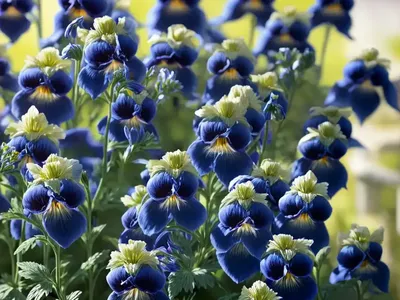
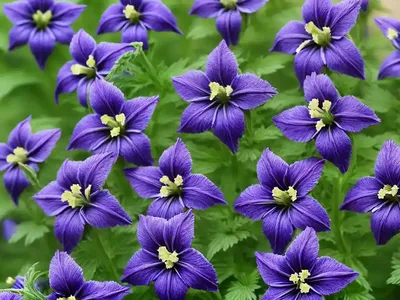
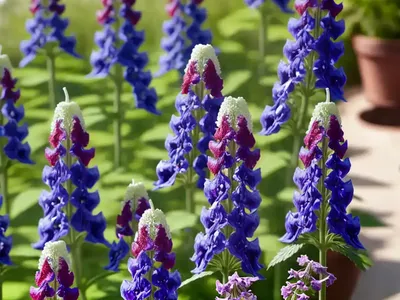
Delphinium King Arthur Group (Candle Larkspur)
Delphiniums, known for their tall, elegant spires of colorful blooms, are a favorite among gardeners and plant enthusiasts. One particularly stunning.
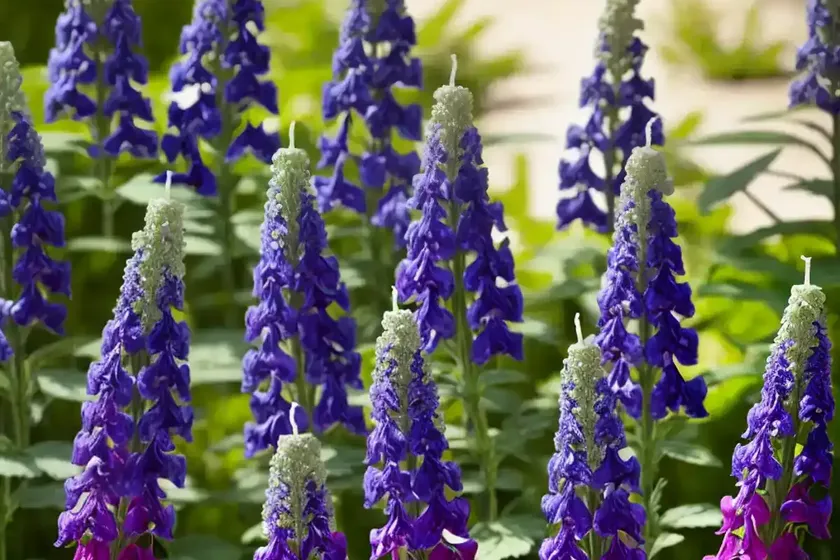
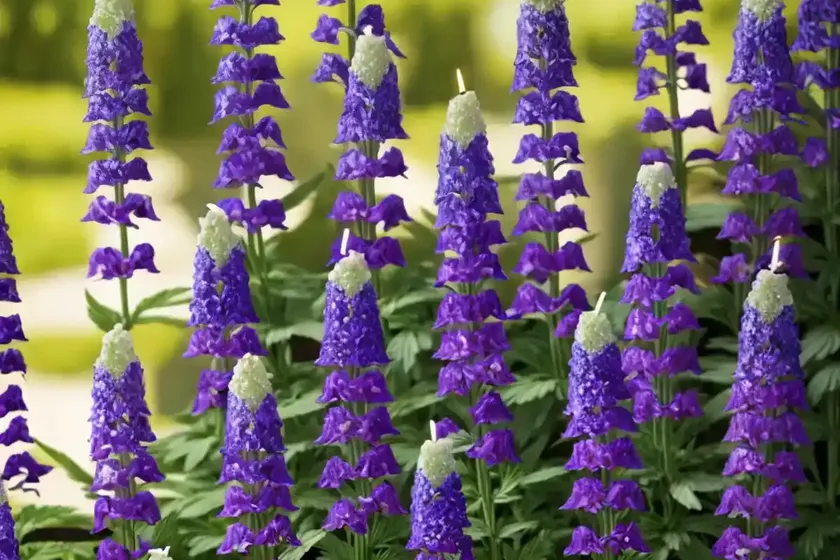
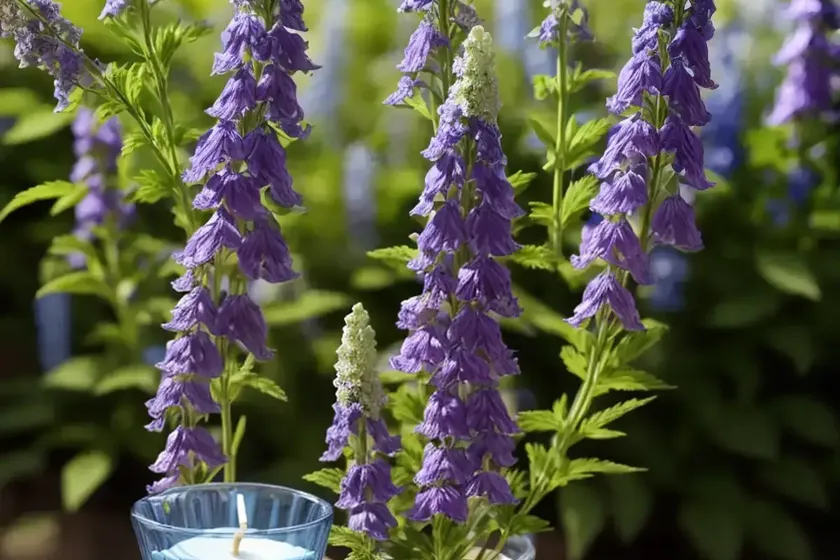
Delphiniums, known for their tall, elegant spires of colorful blooms, are a favorite among gardeners and plant enthusiasts. One particularly stunning variety is the Delphinium King Arthur Group, also known as Candle Larkspur. This plant is cherished for its vibrant flowers and ornamental value. In this comprehensive guide, we will delve into the characteristics, cultivation, and practical uses of the Delphinium King Arthur Group, covering everything from its cultural requirements to propagation, common pests, and diseases.
What is Delphinium King Arthur Group (Candle Larkspur)?
The Delphinium King Arthur Group, also referred to as Candle Larkspur, is a perennial flowering plant belonging to the buttercup family, Ranunculaceae. Known for its sturdy stems and showy flower spikes, this plant adds vertical interest and striking colors to garden landscapes. The term “Candle Larkspur” originates from the slender, candle-like appearance of the flower spikes and the resemblance of the plants to the larkspur genus.
Key Takeaways
Let’s start by summarizing the key takeaways of the Delphinium King Arthur Group:
- Plant Name: Delphinium King Arthur Group (Candle Larkspur)
- Other Names: King Arthur Delphinium, Candle Larkspur plants
- Family: Ranunculaceae
- Hardiness Zones: 3-7
- Water: Regular watering, soil moisture is crucial
- Sunlight: Full to partial sun
- Soil: Rich, well-drained
- Fertilizer: Balanced, slow-release fertilizer
- Pruning: Deadhead for prolonged blooming
- Propagation: Division, seeds
- Container Gardening: Feasible
- Popularity: Valued for cut flowers and garden ornamentation
- Common Diseases: Mildew, crown rot
- Common Pests: Aphids, leaf miners
- Unique Features: Colorful blooms, vertical growth habit
- Historical Significance: Symbolism and folklore surrounding the plant
Now, let’s explore each of these aspects in detail, from the cultural requirements to practical uses and the plant’s historical significance.
Culture
Water
Delphiniums, including the King Arthur Group, require consistent moisture to thrive. However, they are susceptible to root rot if the soil becomes waterlogged. Therefore, it’s crucial to strike a balance and ensure that the soil remains moist but well-drained. This can be achieved through regular watering, especially during dry periods. Mulching can also help retain soil moisture and regulate the temperature around the plants’ root systems.
Sunlight
In terms of sunlight preferences, Delphinium King Arthur Group plants favor full to partial sun exposure. While they benefit from direct sunlight, especially during the morning hours, they can also thrive in partially shaded areas. Adequate sunlight is crucial for healthy growth and abundant flowering. Therefore, it’s recommended to plant them in locations that receive at least 6-8 hours of sunlight per day.
Fertilizer
When it comes to fertilization, Delphiniums generally respond well to balanced, slow-release fertilizers. These should be applied in early spring as new growth emerges. However, it’s essential to avoid over-fertilization, as excessive nitrogen levels can lead to weak stems and an increased susceptibility to pests and diseases. Regular monitoring of the plant’s growth and visual cues can help determine the need for fertilization.
Soil
The Delphinium King Arthur Group thrives in rich, well-drained soil. Amending the soil with organic matter, such as compost, can improve its fertility and drainage capabilities. Additionally, maintaining a slightly acidic to neutral pH (6.5-7.5) is ideal for optimal growth and flowering. Prior to planting, it is advisable to conduct a soil test to assess its composition and pH level, making any necessary amendments accordingly.
Pruning
Pruning is an essential aspect of Delphinium care, particularly for prolonging the plant’s blooming period. Deadheading, or the removal of spent flowers, prevents the formation of seeds, encouraging the plant to continue producing blossoms. Moreover, it helps maintain the plant’s tidy appearance and reduces the risk of diseases. However, caution should be exercised when handling the plant, as all parts of the Delphinium genus are toxic if ingested.
Uses
Ornamental Value
The Delphinium King Arthur Group is highly valued for its ornamental qualities. Its tall, colorful flower spikes make it an excellent choice for adding vertical interest to garden landscapes. Whether grown in mixed borders, cottage gardens, or perennial beds, these plants create a striking visual impact and complement a wide range of companion plants. Additionally, the cut flowers of Delphiniums, including those from the King Arthur Group, are popular in floral arrangements and bouquets, adding a touch of elegance and vibrancy.
Container Cultivation
While traditionally grown in garden beds, Delphiniums, including the King Arthur Group, can also thrive in containers. This makes them suitable for patio gardens, balcony displays, or any setting where space is limited. When cultivating Delphiniums in containers, it’s important to use well-draining potting mix and ensure that the pots receive sufficient sunlight. Regular watering and fertilization are crucial for the health and vigor of container-grown plants.
Propagation
Division
Propagation of the Delphinium King Arthur Group can be achieved through division, particularly during the plant’s dormant season. This typically involves lifting the plant from the ground, carefully dividing its crown and root system, and replanting the divided sections in suitable locations. Division not only allows for the multiplication of plants but also enables the rejuvenation of older specimens, promoting vigorous growth and flowering.
Seeds
Another method of propagation is through seeds. The collected seeds can be sown directly into the garden soil or started indoors and later transplanted into the garden. It’s important to note that Delphinium seeds require light for germination, so they should be surface sown and lightly covered with a thin layer of soil. Additionally, maintaining consistent moisture and providing the seeds with a period of cold stratification can aid in successful germination.
Common Diseases
Mildew
Powdery mildew, a common fungal disease, can affect Delphiniums, including the King Arthur Group. This disease manifests as a powdery white coating on the leaves and stems, reducing the plant’s vigor and aesthetics. To mitigate the risk of powdery mildew, it’s advisable to provide adequate air circulation around the plants, avoid overhead watering, and remove any affected plant material promptly. Fungicidal treatments may be necessary in severe cases.
Crown Rot
Crown rot, often caused by overly wet soil and poor drainage, can pose a threat to Delphiniums. This condition results in the decay of the plant’s crown and root system, leading to wilting and eventual death. Preventive measures include ensuring proper soil drainage, avoiding waterlogged conditions, and maintaining optimal watering practices. In cases where crown rot is suspected, it’s important to act promptly to salvage the affected plants.
Common Pests
Aphids
Aphids, small sap-sucking insects, can infest Delphinium plants and cause damage by feeding on the tender new growth. Their presence can result in distorted leaves, stunted growth, and the transmission of viral diseases. Biological control methods, such as introducing natural predators like ladybugs, can help manage aphid populations. Additionally, spraying plants with a strong stream of water can dislodge aphids and reduce their numbers.
Leaf Miners
Leaf miners are another potential pest that can affect Delphiniums, including those of the King Arthur Group. These insects create noticeable tunnels or trails within the leaves as they feed, compromising the plant’s photosynthetic capacity. Monitoring the undersides of leaves for eggs and larvae, as well as promptly removing infested plant material, can aid in controlling leaf miner populations and minimizing damage.
Botanist’s Tips
Soil Requirements
When preparing the soil for Delphinium King Arthur Group plants, it’s important to ensure that it is not only rich and well-drained but also sufficiently aerated. Soil aeration can be enhanced by incorporating organic matter, such as compost or well-rotted manure, into the planting area. This not only improves soil structure and fertility but also promotes beneficial microbial activity, contributing to overall plant health.
Sunlight Preferences
While Delphiniums thrive in full to partial sun, it’s essential to consider the intensity of sunlight, especially in regions with hot summers. In warmer climates, providing afternoon shade or dappled sunlight can help protect the plants from excessive heat and reduce the risk of sunscald. Moreover, consistent moisture levels, particularly during periods of prolonged heat, are crucial for the well-being of Delphiniums.
Fun Facts
- The vibrant blooms of Delphiniums, including those of the King Arthur Group, are popular choices for adorning summer weddings and events, adding a touch of sophistication and color to floral arrangements.
- Delphinium flowers are known for their association with the month of July, often symbolizing an open heart and a passionate nature.
- The genus name “Delphinium” is derived from the Greek word “delphis,” meaning dolphin, referring to the shape of the nectary, which resembles a dolphin’s nose.
Links to External Resources
For additional information on Delphinium King Arthur Group and related topics, you may find the following resources helpful:
- Royal Horticultural Society – Growing Delphiniums
- University of Illinois Extension – Delphiniums for the Home Garden
- American Delphinium Society
- Missouri Botanical Garden – Delphinium Plant Care
- Gardening Know How – Delphinium Care
This detailed guide provides insights into the cultivation, uses, and distinctive qualities of the Delphinium King Arthur Group, shedding light on its cultural and historical significance, while also offering practical tips for successful cultivation and management. Whether you’re a seasoned gardener or a beginner looking to enhance your green space, the stunning beauty of this plant, paired with its versatile applications, undoubtedly makes it a valuable addition to any garden landscape.