Delphinium Grandiflorum ‘Summer Nights’)
Delphinium grandiflorum, commonly known as ‘Summer Nights’, is a stunning perennial that is prized for its vibrant and striking flowers. This plant has.
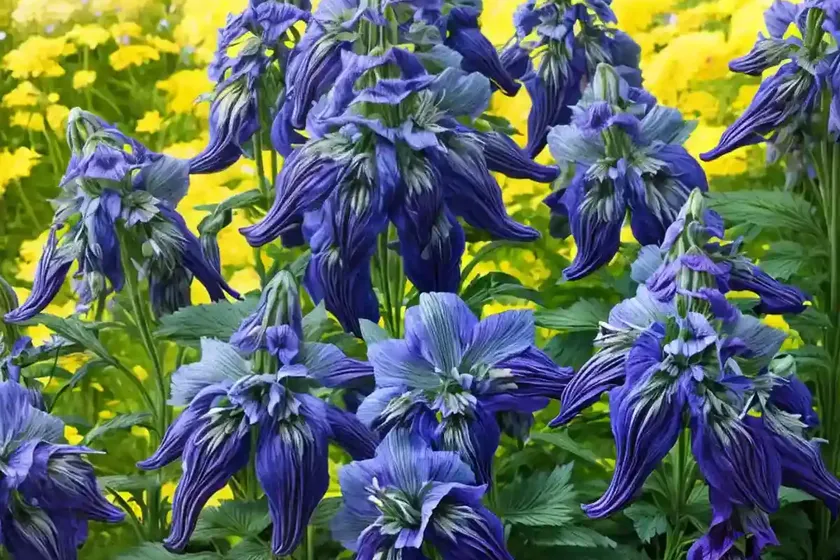
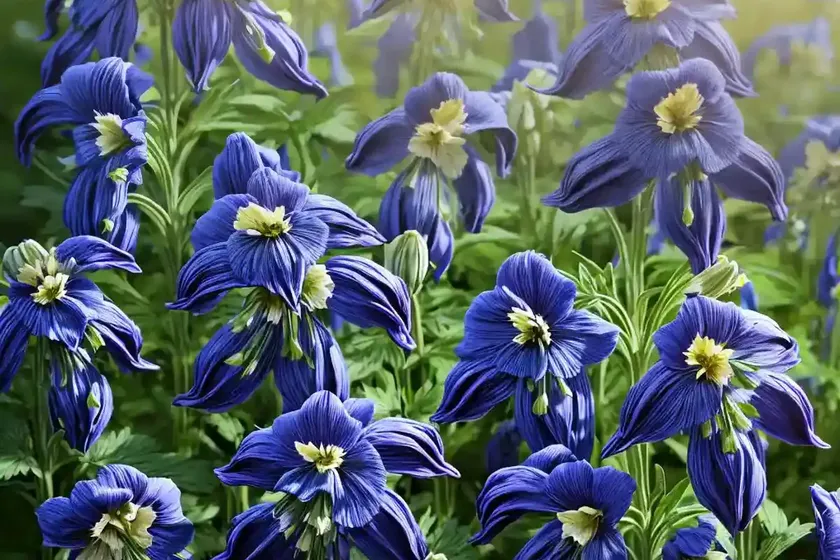
Delphinium grandiflorum, commonly known as ‘Summer Nights’, is a stunning perennial that is prized for its vibrant and striking flowers. This plant has gained popularity among gardeners for its beautiful colors and ornamental value. In this comprehensive guide, we will explore all aspects of caring for Delphinium grandiflorum ‘Summer Nights’, including its culture, uses, water and sunlight requirements, fertilizer, soil, pruning, propagation, container gardening, common diseases, pests, and botanist’s tips. Whether you are a seasoned gardener or just starting, this guide will provide you with valuable insights into nurturing this exquisite plant.
What is Delphinium grandiflorum ‘Summer Nights’?
Delphinium grandiflorum ‘Summer Nights’ is a cultivar of the species Delphinium grandiflorum, which is part of the Ranunculaceae family. This herbaceous perennial is native to eastern Asia, including China, Japan, and Korea. Its common names include Siberian Larkspur and Chinese Delphinium.
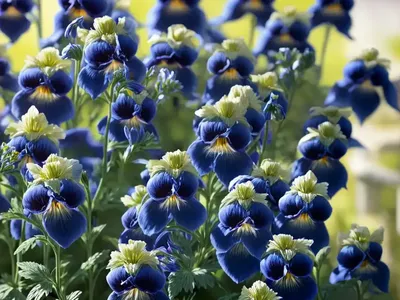
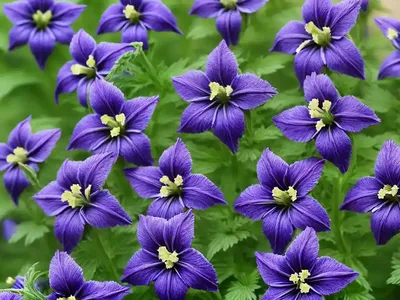
The ‘Summer Nights’ cultivar is known for its deep, rich blue flowers that add a pop of color to any garden. The plant typically reaches a height of around 1 to 2 feet, making it an ideal choice for borders, container gardening, and landscape design. The stunning flowers bloom in the summer, providing a vibrant display that is sure to catch the eye.
Key Takeaways for Delphinium grandiflorum ‘Summer Nights’
- Scientific Name: Delphinium grandiflorum ‘Summer Nights’
- Family: Ranunculaceae
- Common Names: Siberian Larkspur, Chinese Delphinium
- Flower Color: Deep blue
- Height: 1-2 feet
- Blooming Season: Summer
Now that we have an overview of what Delphinium grandiflorum ‘Summer Nights’ is, let’s dive into the specific aspects of caring for this captivating plant.
Culture
Understanding the cultural requirements of Delphinium grandiflorum ‘Summer Nights’ is essential for its successful cultivation. Proper attention to its cultural needs will ensure that the plant thrives and produces an abundance of beautiful blooms.
Uses
Delphinium grandiflorum ‘Summer Nights’ has several important uses in the garden, including:
- Ornamental Value: The striking blue flowers of ‘Summer Nights’ make it a highly sought-after ornamental plant, perfect for adding visual interest to flower beds, borders, and containers.
- Attracting Pollinators: The nectar-rich flowers of Delphinium grandiflorum ‘Summer Nights’ attract bees, butterflies, and other beneficial pollinators, contributing to overall garden health.
- Landscape Design: The compact growth habit and vibrant blooms of ‘Summer Nights’ make it an excellent choice for designing stunning landscape borders and arrangements.
Understanding the potential uses of the plant allows gardeners to maximize its impact within their garden spaces.
Water
Proper watering is essential for the health and vitality of Delphinium grandiflorum ‘Summer Nights’. While the plant requires consistent moisture, good drainage is crucial to prevent waterlogging, which can lead to root rot and other issues. Here are some key considerations for watering ‘Summer Nights’:
- Regular Watering: During the active growing season, ensure that the plant receives regular watering, especially during dry periods. Aim to keep the soil consistently moist but not waterlogged.
- Mulching: Applying a layer of organic mulch around the base of the plant can help retain soil moisture and reduce water evaporation.
By providing adequate and consistent moisture, gardeners can promote healthy growth and prolific flowering in Delphinium grandiflorum ‘Summer Nights’.
Sunlight
Proper sunlight exposure is crucial for the growth and blooming of Delphinium grandiflorum ‘Summer Nights’. This plant thrives in full sun to partial shade, and the following guidelines will help optimize its sunlight requirements:
- Full Sun: ‘Summer Nights’ performs best in locations that receive at least 6-8 hours of direct sunlight daily. This ensures robust growth and vibrant flower production.
- Partial Shade: In hotter climates, providing some afternoon shade can help protect the plant from excessive heat and prolong the lifespan of the flowers.
By positioning ‘Summer Nights’ in an optimal sunlight location, gardeners can witness its full potential in the garden.
Fertilizer
Applying the right type and amount of fertilizer is essential for promoting healthy growth and prolific flowering in Delphinium grandiflorum ‘Summer Nights’. Here are some key fertilizer considerations for this plant:
- Balanced Fertilizer: Use a balanced, slow-release fertilizer with equal N-P-K (nitrogen, phosphorus, potassium) ratio to support overall plant health and flower production.
- Application Time: Apply the fertilizer in early spring as new growth emerges, and then again in late spring to early summer to support flowering.
By providing the plant with the necessary nutrients through proper fertilization, gardeners can encourage vigorous growth and abundant blooms.
Soil
The soil composition and quality play a crucial role in the overall health and vitality of Delphinium grandiflorum ‘Summer Nights’. Understanding the soil requirements and making necessary amendments will create an optimal growing environment for the plant.
Pruning
Pruning is an essential aspect of caring for Delphinium grandiflorum ‘Summer Nights’, as it helps maintain plant health, promote new growth, and extend the blooming period. Here are some key considerations for pruning this plant:
- Deadheading: Regular removal of spent flowers (deadheading) can prolong the blooming season and prevent the plant from expending energy on seed production.
- Stem Pruning: After the initial summer bloom, cutting back the stems can encourage a second flush of flowers and improve overall plant appearance.
By incorporating proper pruning practices, gardeners can ensure that ‘Summer Nights’ remains healthy and continues to produce an abundance of blooms.
Propagation
For gardeners interested in propagating Delphinium grandiflorum ‘Summer Nights’ to expand their plant collection or share with others, several methods can be used, including:
- Seed Propagation: Collecting and sowing seeds in a well-prepared seed-starting mix is a viable way to propagate ‘Summer Nights’. Starting seeds indoors and then transplanting the seedlings into the garden can yield successful results.
- Division: Dividing established clumps of Delphinium grandiflorum ‘Summer Nights’ in the early spring can create new plants and rejuvenate existing ones.
Understanding the propagation techniques allows gardeners to propagate this desirable plant effectively.
Container Gardening
Delphinium grandiflorum ‘Summer Nights’ can also be grown in containers, providing an opportunity for gardeners with limited space to enjoy this stunning plant. When cultivating ‘Summer Nights’ in containers, consider the following:
- Container Size: Select a large enough container to accommodate the plant’s root system and provide stability.
- Drainage: Ensure that the container has adequate drainage holes to prevent waterlogging.
- Soil: Use a high-quality, well-draining potting mix to support healthy growth.
By employing the appropriate container gardening practices, gardeners can successfully cultivate ‘Summer Nights’ in containers, adding beauty and elegance to their outdoor spaces.
Popularity
Delphinium grandiflorum ‘Summer Nights’ has gained popularity among gardeners for several reasons, including its stunning blue flowers, compact growth habit, and versatility in garden design. As a sought-after perennial, it has become a favorite choice for adding vibrant color and visual interest to various garden settings.
Common Diseases
While Delphinium grandiflorum ‘Summer Nights’ is a resilient plant, it is susceptible to certain diseases that can affect its overall health and appearance. Some common diseases that may impact this plant include:
- Powdery Mildew: A fungal disease that presents as a powdery white coating on the leaves and can affect overall plant vigor.
- Crown Rot: Excessive moisture or poor drainage can lead to crown rot, causing the plant to wilt and decline.
Implementing preventative measures and early intervention can help manage and mitigate the impact of these diseases on ‘Summer Nights’.
Disease Diagnosis
Diagnosing diseases in Delphinium grandiflorum ‘Summer Nights’ involves carefully observing the plant for abnormal symptoms and signs of distress. Some key steps in disease diagnosis include:
- Visual Inspection: Regularly inspect the plant for any unusual spots, discoloration, or abnormal growth patterns.
- Leaf and Stem Examination: Pay attention to the condition of the leaves and stems, as certain diseases may manifest as physical abnormalities.
Proper disease diagnosis enables gardeners to take timely action to address any health issues affecting ‘Summer Nights’.
Common Pests
In addition to diseases, ‘Summer Nights’ may also be susceptible to pest infestations that can compromise its growth and vitality. Some common pests that may affect this plant include:
- Aphids: These small, soft-bodied insects can cluster on the tender new growth of the plant, damaging the foliage and extracting plant juices.
- Slugs and Snails: These mollusks can feed on the leaves and stems of ‘Summer Nights’, leading to unsightly damage.
Deploying effective pest management strategies can help protect the plant from pest-related issues and ensure its overall well-being.
Botanist’s Tips
As a plant enthusiast and botanist, I have gathered some valuable tips for growing and caring for Delphinium grandiflorum ‘Summer Nights’. These insights are based on years of experience and a deep understanding of the plant’s unique characteristics:
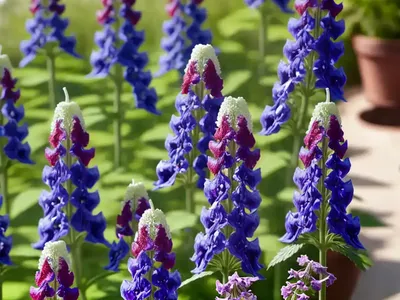
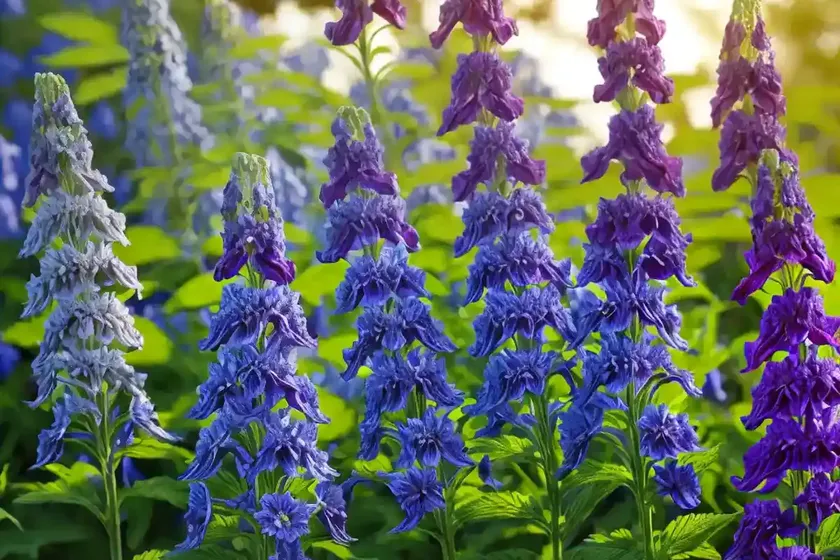
- Supportive Structure: Given the tall growth habit of ‘Summer Nights’, providing support, such as stakes or trellises, can help prevent bending and breakage, especially in windy conditions.
- Companion Planting: Pairing ‘Summer Nights’ with low-growing, supportive plants can help create visually appealing combinations and provide additional support for the tall stems.
By incorporating these botanist’s tips, gardeners can enhance the overall success and visual impact of cultivating Delphinium grandiflorum ‘Summer Nights’ in their gardens.
Fun Facts
Delphinium grandiflorum ‘Summer Nights’ is not only a stunning addition to the garden but also holds some captivating characteristics and historical significance:
- Symbolism: In the language of flowers, delphiniums are often associated with an open heart and ardent attachment, making them a meaningful choice for bouquets and arrangements.
- Folklore: According to folklore, delphiniums were believed to have protective properties and were often planted near homes to ward off evil spirits.
Discovering these fun facts adds a layer of intrigue and enchantment to the presence of ‘Summer Nights’ in the garden.
Links to External Resources
For additional information and resources on Delphinium grandiflorum ‘Summer Nights’, I recommend exploring the following links:
- Royal Horticultural Society – Delphinium grandiflorum
- The American Phytopathological Society – Common Diseases of Delphinium
- Better Homes & Gardens – Delphinium Care Guide
- University of California Agriculture and Natural Resources – Integrated Pest Management for Delphinium
These external resources offer in-depth insights, tips, and guidance on various aspects of caring for and growing Delphinium grandiflorum ‘Summer Nights’.
Wrapping Up
In conclusion, Delphinium grandiflorum ‘Summer Nights’ is a stunning perennial that captures the hearts and imaginations of gardeners with its striking blue flowers and ornamental value. By delving into its culture, uses, water and sunlight requirements, fertilizer, soil, pruning, propagation, container gardening, common diseases, pests, and botanist’s tips, we have gained a comprehensive understanding of how to care for this exceptional plant. Incorporating these insights will empower gardeners to cultivate and enjoy the beauty of ‘Summer Nights’ in their garden spaces, creating a captivating display of color and elegance.
As you embark on your journey of nurturing Delphinium grandiflorum ‘Summer Nights’, remember to cherish its unique traits, stay attentive to its needs, and celebrate the abundant beauty it brings to your garden. Happy gardening!