Delphinium Grandiflorum ‘Summer Cloud’)
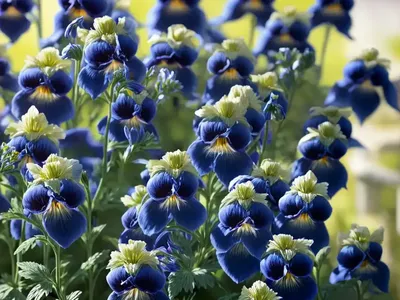
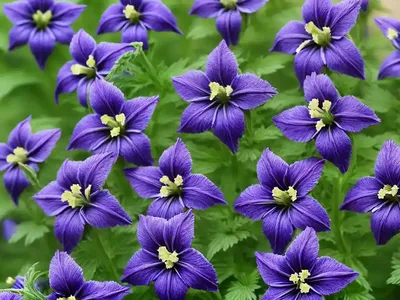
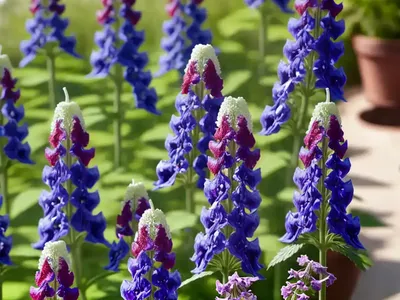
Delphinium grandiflorum ‘Summer Cloud’ is a delightful perennial plant that is revered for its beautiful, cloud-like clusters of flowers. With its airy.
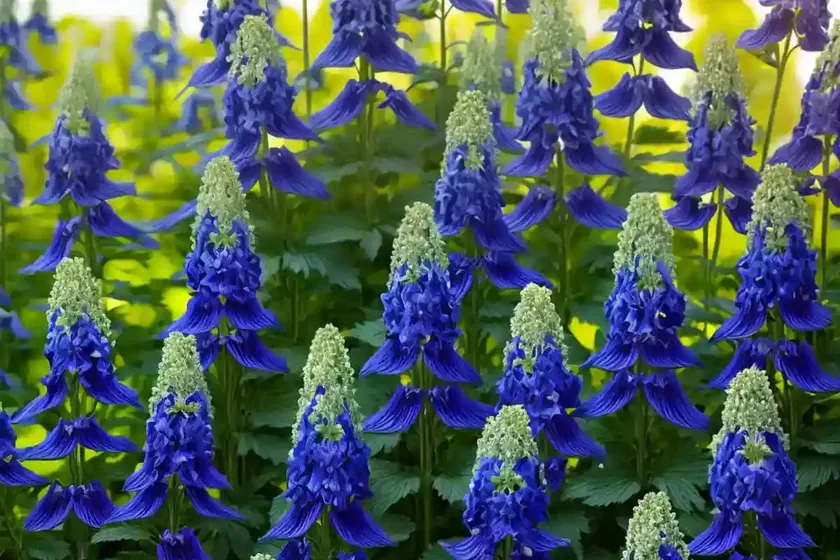
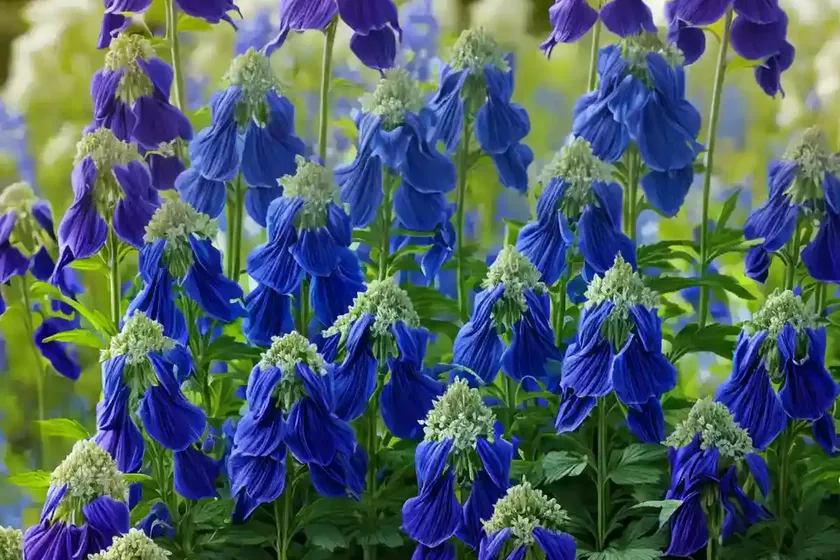
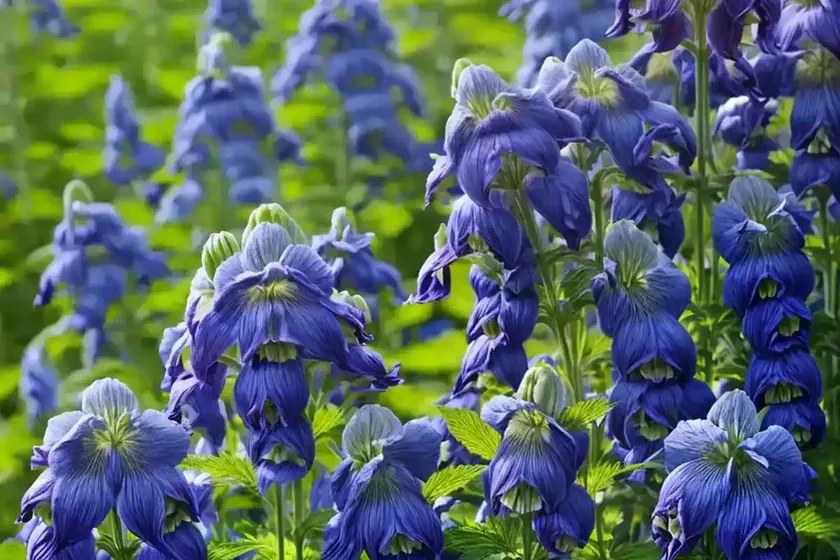
Delphinium grandiflorum ‘Summer Cloud’ is a delightful perennial plant that is revered for its beautiful, cloud-like clusters of flowers. With its airy appearance and striking coloration, it’s no wonder that it has become a favorite among gardeners and landscapers alike. In this in-depth guide, we will explore the nuances of caring for this captivating plant, from its cultural requirements to its propagation methods. Whether you are a seasoned gardener or a newcomer to the world of horticulture, you’ll find valuable insights to help you cultivate and appreciate this stunning perennial.
What is Delphinium Grandiflorum ‘Summer Cloud’?
Delphinium grandiflorum, commonly known as the Chinese Delphinium, is a species of flowering plant in the buttercup family Ranunculaceae. ‘Summer Cloud’ is a cultivar of this species, prized for its compact size and prolific blooms. This herbaceous perennial is native to eastern Asia, including Japan, Siberia, and China, where it can be found in meadows, woodland edges, and scrubland.
Key Takeaways
- Scientific Name: Delphinium grandiflorum ‘Summer Cloud’
- Common Names: Chinese Delphinium, ‘Summer Cloud’
- Family: Ranunculaceae
- Native Habitat: Eastern Asia
- Cultivar Type: Herbaceous Perennial
- Characteristics: Compact size, Cloud-like clusters of flowers
- Foliage: Deeply lobed, Palmate leaves
- Blooming Season: Late spring to early summer
- Hardiness Zone: 3 to 7
- Height: 12 to 18 inches
- Spread: 12 to 18 inches
- Sun Exposure: Full sun to part shade
- Soil Preference: Well-drained, fertile soil
- Watering Needs: Moderate to high
Now that we have a basic understanding of the plant, let’s delve deeper into its specific cultural requirements, potential uses, and tips for successful cultivation.
Culture
Uses
Delphinium grandiflorum ‘Summer Cloud’ is primarily grown for ornamental purposes. Its stunning, cloud-like clusters of flowers make it a favored choice for adding texture and color to perennial borders, cottage gardens, and pollinator-friendly landscapes. Its relatively compact size also makes it suitable for container gardening, allowing individuals with limited space to enjoy its beauty on balconies or terraces.
Apart from its ornamental value, Delphinium grandiflorum has also been recognized in traditional medicine for its potential medicinal properties, although it is essential to exercise caution and seek guidance from a qualified herbalist or healthcare professional before using it for therapeutic purposes.
Water
Proper watering is crucial for the health and vitality of Delphinium grandiflorum ‘Summer Cloud’. While it appreciates consistently moist soil, it’s essential to ensure that the roots are not sitting in stagnant water. Overly wet conditions can lead to root rot and other detrimental issues. On the other hand, prolonged periods of drought can result in stunted growth and reduced flowering.
Watering Tips:
– Consistent Moisture: Maintain even soil moisture, especially during periods of active growth and flowering.
– Avoid Overhead Watering: To help prevent foliar diseases, aim to water the base of the plant rather than sprinkling the foliage.
Sunlight
In its natural habitat, Delphinium grandiflorum often grows in areas with partial shade, where it receives dappled sunlight throughout the day. However, in cultivation, it generally thrives in full sun to part shade. Adequate sunlight is essential for promoting robust growth and abundant flowering. When grown in excessively shady conditions, the plant may become leggy and produce fewer blooms.
Sunlight Guidelines:
– Full Sun: Provide at least 6 to 8 hours of direct sunlight daily for optimal flowering.
– Part Shade: If garden conditions are predominantly sunny, some afternoon shade can be beneficial, especially in regions with intense summer heat.
Fertilizer
Like many perennial plants, Delphinium grandiflorum ‘Summer Cloud’ benefits from periodic fertilization to support its growth and flowering. A balanced, water-soluble fertilizer can help provide the essential nutrients it needs to thrive. Incorporating organic matter into the soil at the time of planting can also contribute to the plant’s long-term vigor.
Fertilizing Recommendations:
– Early Spring: Apply a slow-release or balanced liquid fertilizer as new growth emerges.
– Midseason: If the plant shows signs of nutrient deficiency, consider a light application of fertilizer to support ongoing growth and blooming.
Soil
Ideal Soil Conditions
Delphinium grandiflorum ‘Summer Cloud’ flourishes in well-drained, fertile soil with a slightly acidic to neutral pH. It’s essential to avoid heavy, waterlogged soils, as they can lead to root rot and other moisture-related issues. Amending the soil with organic matter, such as compost or well-rotted manure, can help improve its overall texture and nutrient content.
Soil Preferences:
– Well-Drained: Ensure that the soil allows excess water to drain freely to prevent waterlogging.
– Fertile: Rich in organic matter and nutrients to support vigorous growth and flowering.
– pH Range: Slightly acidic to neutral (pH 6.0 to 7.0)
Pruning
Pruning plays a vital role in maintaining the overall health and appearance of Delphinium grandiflorum ‘Summer Cloud’. By removing spent flower spikes and any dead or diseased foliage, you can encourage the plant to produce a second flush of blooms and minimize the risk of pest and disease issues. Additionally, providing adequate air circulation through selective pruning can help prevent the development of fungal diseases.
Pruning Guidelines:
– Deadheading: Remove spent flower spikes to promote continuous blooming and prevent self-seeding.
– Fall Cleanup: Cut back the foliage to ground level in late fall or early winter to prepare the plant for dormancy and reduce overwintering pests and diseases.
Propagation
Methods of Propagation
Delphinium grandiflorum ‘Summer Cloud’ can be propagated by various methods, including division, seed sowing, and stem cuttings. Each approach has its own set of advantages and considerations, allowing gardeners to choose the most suitable technique based on their preferences and the resources available.
Propagation Methods:
1. Division: Divide mature plants in early spring or fall to create new individuals and rejuvenate older clumps.
2. Seed Sowing: Collect seeds from mature flower spikes and sow them in a prepared seedbed in late summer or early fall for natural stratification over the winter.
3. Stem Cuttings: Take 3- to 4-inch stem cuttings from healthy, actively growing plants in late spring or early summer, and root them in a well-draining medium.
Container Popularity
Delphinium grandiflorum ‘Summer Cloud’ is well-suited for container gardening, particularly for individuals who are limited on space or wish to showcase its beauty on patios, decks, or balconies. When planting in containers, it’s crucial to select a spacious, well-draining pot to accommodate the plant’s root system and provide room for growth.
Container Gardening Considerations:
– Container Size: Choose a pot with a diameter of at least 12 to 18 inches to allow ample space for root development and stability.
– Drainage Holes: Ensure that the container has adequate drainage to prevent waterlogging and root rot.
Common Diseases and Pest Issues
While Delphinium grandiflorum ‘Summer Cloud’ is generally a resilient plant, it can be susceptible to certain diseases and pest infestations. Understanding the common issues that may arise and implementing proactive measures can help safeguard the plant’s health and vitality.
Disease Diagnosis
Delphinium grandiflorum ‘Summer Cloud’ may be prone to several fungal diseases, including powdery mildew, crown rot, and botrytis blight. Identifying the symptoms and addressing them promptly is crucial in preventing the spread of these issues and minimizing their impact on the plant.
Common Diseases:
– Powdery Mildew: White powdery patches on the foliage, often seen during periods of high humidity.
– Crown Rot: Dark, water-soaked lesions at the crown of the plant, leading to wilting and collapse.
– Botrytis Blight: Gray mold on flowers and foliage, often exacerbated by prolonged wet conditions.
Common Pests
Several insect pests may pose a threat to Delphinium grandiflorum ‘Summer Cloud’, including aphids, thrips, and spider mites. Regular monitoring and proactive pest management can help prevent significant infestations and minimize potential damage to the plant.
Notable Pests:
– Aphids: Small, soft-bodied insects that congregate on tender new growth and flower buds, causing distortion and stunted growth.
– Thrips: Minute, slender insects that feed on flower petals and buds, resulting in browning and distortion.
– Spider Mites: Tiny arachnids that cause stippling and webbing on the underside of leaves, leading to diminished plant vigor.
Botanist’s Tips for Success
To ensure the successful cultivation of Delphinium grandiflorum ‘Summer Cloud’, consider implementing the following expert tips and best practices:
Provide Adequate Support:
Due to its tall and slender stature, Delphinium grandiflorum ‘Summer Cloud’ may benefit from staking or support to prevent stem breakage and maintain an upright habit, especially in exposed or windy locations.
Mulch Around Plants:
Applying a layer of organic mulch around the base of the plant can help conserve soil moisture, suppress weeds, and insulate the root zone against temperature fluctuations.
Monitor for Early Pests:
Regularly inspect the foliage and flower spikes for early signs of pest activity, such as distorted growth or discoloration, and take appropriate measures to address the issue promptly.
Rotate Planting Locations:
To minimize the risk of disease buildup in the soil, consider rotating the planting locations for Delphinium grandiflorum ‘Summer Cloud’ and other related species within the garden beds.
Avoid Overcrowding:
Provide adequate spacing between individual plants to ensure good air circulation and reduce the likelihood of foliar diseases, particularly in humid climates.
Fun Facts About Delphinium Grandiflorum ‘Summer Cloud’
- The genus name “Delphinium” is derived from the Greek word “delphis,” meaning dolphin, which is a reference to the shape of the nectary spur found on some species’ flowers.
- Delphiniums are known for their toxicity to humans and animals if ingested, due to the presence of alkaloids in their tissues.
- Single flowers of Delphinium grandiflorum ‘Summer Cloud’ can contain a large number of individual blossoms, contributing to their overall striking appearance.
Links to External Resources
- University of Vermont Plant and Soil Science: Delphinium Cultivation
- Royal Horticultural Society: Delphinium
- The American Phytopathological Society: Delphinium Diseases
In this comprehensive guide, we’ve explored the various facets of growing and caring for Delphinium grandiflorum ‘Summer Cloud’. From its cultural requirements to its potential uses and pest management strategies, we’ve covered the essentials for cultivating this captivating perennial plant. Whether you’re drawn to its cloud-like clusters of flowers or its iconic spires of vibrant color, ‘Summer Cloud’ holds its own as a charming addition to any garden or landscape. With the right combination of care and attention, you can experience the beauty and allure of this remarkable Delphinium cultivar.