Delphinium Grandiflorum ‘Summer Blues’)
Delphinium grandiflorum ‘Summer Blues’, also known as Summer Blues Delphinium, is a stunning perennial plant known for its vibrant and stately flowers..
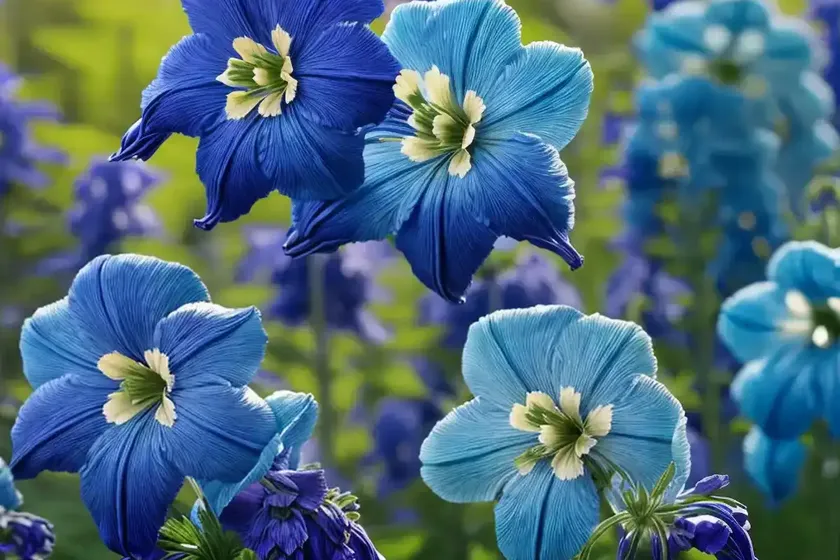
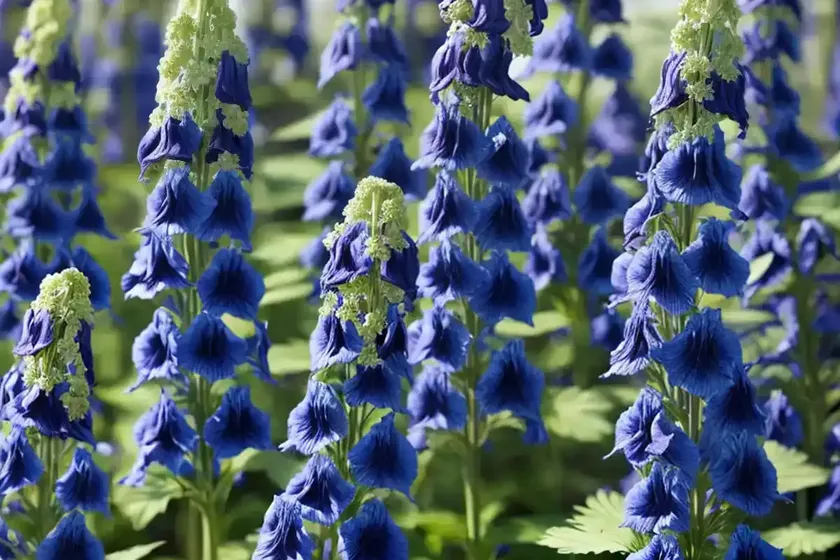
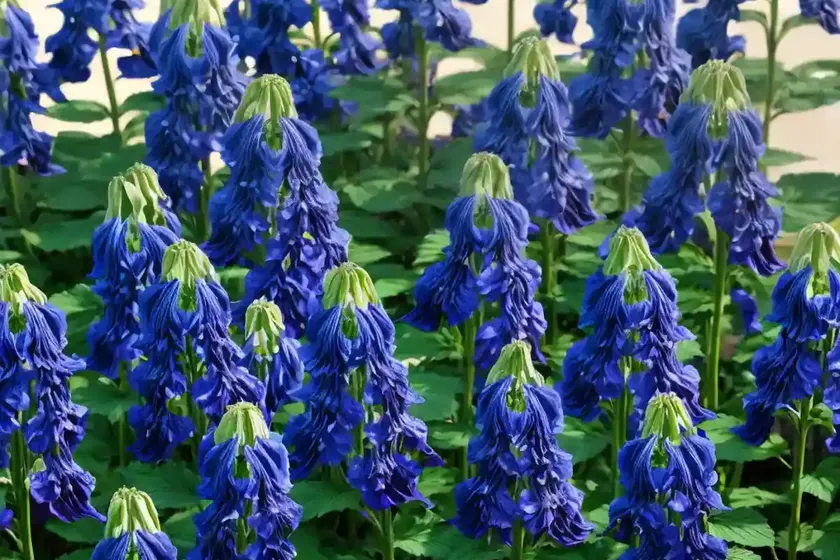
Delphinium grandiflorum ‘Summer Blues’, also known as Summer Blues Delphinium, is a stunning perennial plant known for its vibrant and stately flowers. This plant, a member of the buttercup family (Ranunculaceae), is prized by gardeners for its tall spikes of colorful blooms and its ability to attract pollinators like bees and butterflies.
In this comprehensive guide, we will delve into all aspects of Delphinium grandiflorum ‘Summer Blues’, including its culture, uses, care tips, and much more. By the end of this blog post, you will have a thorough understanding of how to cultivate and enjoy this beautiful plant in your garden.
What is Delphinium grandiflorum ‘Summer Blues’?
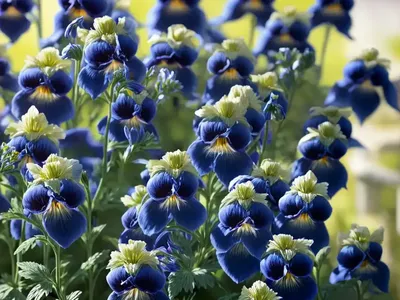
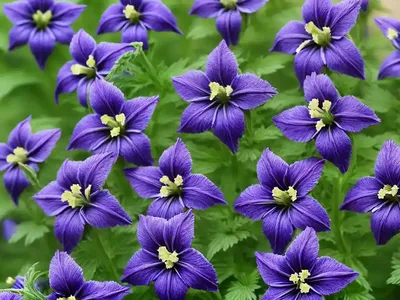
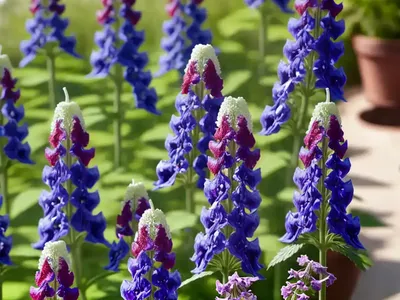
Delphinium grandiflorum ‘Summer Blues’ is a popular cultivar of Delphinium grandiflorum, which is native to East Asia. This herbaceous perennial is characterized by its deeply lobed, dark green leaves and its stunning, semi-double to double, deep blue flowers with contrasting white centers. The plant typically grows to a height of 12-18 inches and spreads to about 12-24 inches.
Key Takeaways
- Delphinium grandiflorum ‘Summer Blues’ is a perennial plant known for its tall spikes of vibrant, semi-double to double, deep blue flowers.
- This cultivar is a popular choice for attracting pollinators like bees and butterflies to the garden.
- It thrives in well-drained soil and prefers full sun to partial shade.
- Adequate watering, balanced fertilization, and occasional pruning are essential for its optimal growth and health.
Culture
Uses
Delphinium grandiflorum ‘Summer Blues’ is commonly used in garden borders, cottage gardens, and butterfly gardens. Its striking flowers make it an excellent choice for cut flower arrangements and floral designs.
Water
This plant has moderate water needs. It prefers consistently moist, but not waterlogged, soil. Water deeply when the top inch of soil becomes dry, especially during periods of drought or intense heat.
Sunlight
For optimal growth and bloom production, Delphinium grandiflorum ‘Summer Blues’ thrives in full sun to partial shade. It requires at least 6 hours of direct sunlight daily.
Fertilizer
A balanced, all-purpose fertilizer can be applied in early spring to promote healthy growth and abundant flowering. Follow the instructions on the fertilizer package for application rates and methods.
Soil
The plant thrives in well-drained, fertile soil with a slightly acidic to neutral pH. Amending the soil with organic matter like compost can improve its texture and nutrient content.
Pruning
Deadhead spent blooms regularly to prolong the flowering period and prevent self-seeding. Cut back the entire plant to ground level in autumn or early spring to promote fresh growth and maintain its vigor.
Propagation
Delphinium grandiflorum ‘Summer Blues’ can be propagated through division or by seed. Division should be carried out in early spring, while seed sowing can be done in late winter or early spring.
Division
To propagate through division, carefully dig up the plant in early spring and divide the crown and roots into sections. Replant the divisions in well-prepared soil and water thoroughly.
Seed Propagation
Sow the seeds in trays or pots filled with a well-draining seed starting mix. Keep the soil consistently moist and maintain a warm temperature of around 65-70°F. Once the seedlings have developed a few true leaves, they can be transplanted into the garden.
Container Popularity
Delphinium grandiflorum ‘Summer Blues’ is well-suited for container gardening, provided the container is large enough to accommodate its expansive root system. When grown in containers, it is essential to monitor the soil moisture levels closely, as containers tend to dry out more quickly than garden beds.
Container Common Diseases
The most common diseases that affect Delphinium grandiflorum ‘Summer Blues’ when grown in containers are:
- Powdery Mildew: This fungal disease manifests as a white, powdery coating on the leaves and can be treated with fungicidal sprays.
- Crown Rot: Overly wet conditions can lead to crown rot, causing the plant to wilt and die. Ensure proper drainage and avoid overwatering to prevent this disease.
Disease Diagnosis
Diseases such as powdery mildew and crown rot can be diagnosed by closely examining the plant for characteristic symptoms. If you suspect a disease, it is advisable to consult with a plant pathologist or horticulturist for accurate diagnosis and treatment recommendations.
Common Pests
The most common pests that can affect Delphinium grandiflorum ‘Summer Blues’ include:
- Aphids: These small, pear-shaped insects can cluster on the undersides of leaves and cause stunted growth and deformation of plant tissues. They can be controlled with insecticidal soaps or horticultural oils.
- Snails and Slugs: These pests can feed on the leaves and stems of the plant, leaving behind irregular holes and damage. Use physical barriers or baits to control their populations.
Botanist’s Tips
- When planting Delphinium grandiflorum ‘Summer Blues’, select a site with good air circulation to minimize the risk of foliar diseases.
- Avoid overhead watering to prevent fungal diseases, as wet foliage is more susceptible to infection.
Fun Facts
- Delphinium grandiflorum ‘Summer Blues’ is known for its historical significance in traditional medicine, where certain parts of the plant were used for their medicinal properties.
Links to External Resources
For further information on Delphinium grandiflorum ‘Summer Blues’, consider exploring the following resources:
With its captivating blooms, ease of cultivation, and beneficial role in garden ecosystems, Delphinium grandiflorum ‘Summer Blues’ is a valuable addition to any garden. By following the recommendations outlined in this guide, you can ensure that your Summer Blues Delphinium thrives and contributes to the beauty of your outdoor space. Whether planted in the ground or in containers, this stunning perennial is sure to enchant both you and the pollinators it attracts.