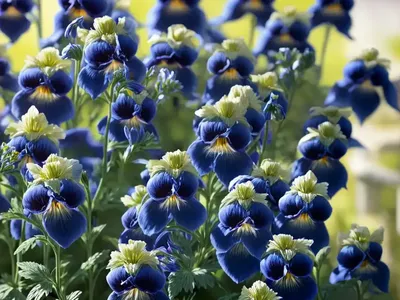
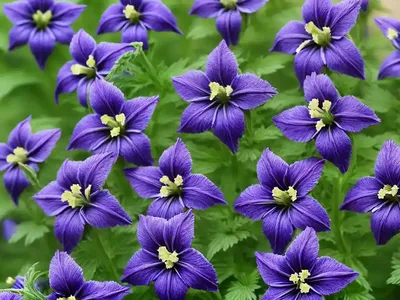
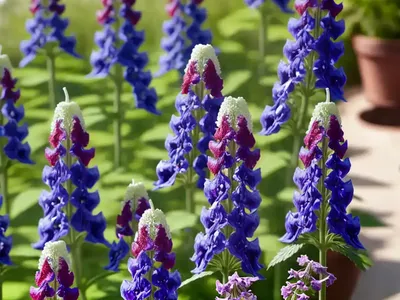
Delphinium Elatum Delphina� ‘Dark Blue White Bee’ (Dwarf Delphinium)
As a plant scientist, I am constantly fascinated by the diversity and beauty of the plant kingdom. From towering trees to delicate flowers, each plant.
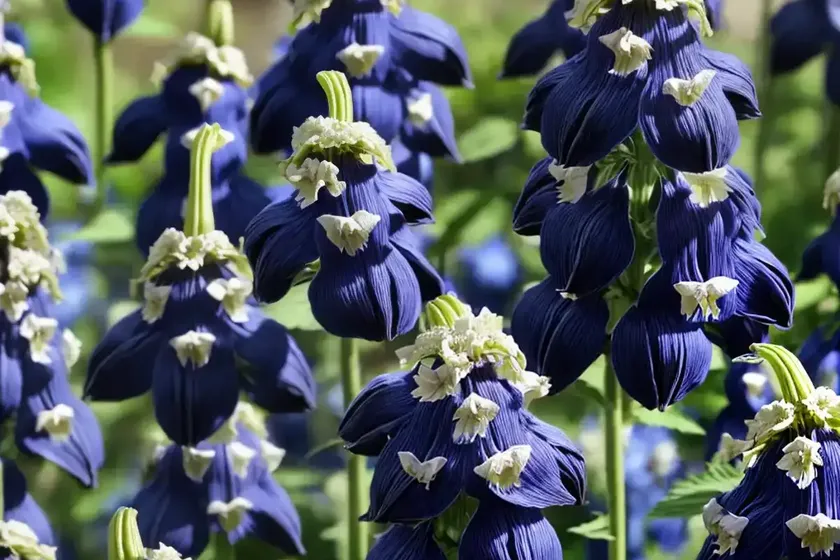
As a plant scientist, I am constantly fascinated by the diversity and beauty of the plant kingdom. From towering trees to delicate flowers, each plant species has its own unique characteristics and attributes that make it special. In this article, we will explore the enchanting world of Delphinium elatum Delphina� ‘Dark Blue White Bee’ (Dwarf Delphinium) and delve into its culture, uses, care requirements, and much more.
What is Delphinium elatum Delphina� ‘Dark Blue White Bee’ (Dwarf Delphinium)?
Delphinium elatum, commonly known as the tall or alpine delphinium, is a species of herbaceous perennial plants belonging to the Ranunculaceae family. The ‘Dark Blue White Bee’ variety is a stunning type of Delphinium elatum, characterized by its compact size and striking dark blue flowers adorned with white centers, resembling a bee.
Key Takeaways – Delphinium elatum Delphina� ‘Dark Blue White Bee’ (Dwarf Delphinium)
Before we delve deeper into the world of Dwarf Delphinium, here are some key takeaways about this enchanting plant:
- Plant Name: Delphinium elatum Delphina� ‘Dark Blue White Bee’ (Dwarf Delphinium)
- Scientific Name: Delphinium elatum
- Variety: Delphina� ‘Dark Blue White Bee’
- Common Name: Dwarf Delphinium
- Characteristics: Dark blue flowers with white centers, compact growth habit
- Versatility: Suitable for containers, borders, and cut flower arrangements
Now that we have an overview of this captivating plant, let’s explore its culture, uses, and care requirements in detail.
Culture
Understanding the cultural preferences and requirements of Delphinium elatum Delphina� ‘Dark Blue White Bee’ is crucial for ensuring its optimal growth and development.
Water
Dwarf Delphiniums thrive in moist, well-draining soil and require regular watering, especially during periods of prolonged dryness or heat. However, it is important to avoid waterlogging, as excessive moisture can lead to root rot and other detrimental conditions. A consistent watering schedule, ensuring that the soil remains evenly moist but not waterlogged, is key to promoting healthy growth and vibrant blooms.
Sunlight
Like many flowering plants, Dwarf Delphiniums flourish in full to partial sunlight. Adequate sunlight exposure is essential for stimulating robust growth and abundant flowering. When selecting a planting site or positioning containers, aim to provide the plant with at least 6-8 hours of sunlight per day for optimal performance.
Fertilizer
To support the growth and blooming potential of Delphinium elatum Delphina� ‘Dark Blue White Bee’, it is beneficial to provide periodic fertilization. A balanced, water-soluble fertilizer formulated for flowering plants can be applied during the growing season to supply essential nutrients and encourage healthy, vigorous growth. It is important to follow the manufacturer’s instructions and avoid over-fertilization, which can lead to excessive foliage growth at the expense of flower production.
Soil
The soil quality and composition play a significant role in the overall health and vitality of Dwarf Delphiniums. These plants thrive in rich, well-draining soil with a slightly acidic to neutral pH. Incorporating organic matter, such as compost or well-rotted manure, into the soil prior to planting can enhance its fertility and structure. Additionally, ensuring good drainage is essential for preventing waterlogged conditions, which can be detrimental to the plant’s root system.
Pruning
Proper pruning practices are instrumental in maintaining the health, shape, and flowering capacity of Delphinium elatum Delphina� ‘Dark Blue White Bee’. Regular deadheading, which involves removing spent blooms, can prolong the flowering period and promote the development of new flower buds. Additionally, selectively pruning damaged or diseased foliage can contribute to the overall aesthetics and vigor of the plant. However, it is crucial to exercise caution while pruning, as some parts of the plant may be toxic if ingested and contact with the sap may irritate the skin.
Propagation
Division
Propagation of Dwarf Delphiniums can be achieved through division, a process that involves separating and replanting existing clumps to generate new plants. This method is typically performed in early spring or autumn when the plant is dormant and involves carefully lifting the clump, dividing it into sections using a sharp, sterile tool, and replanting the divisions in suitable locations.
Seed Propagation
Delphinium elatum Delphina� ‘Dark Blue White Bee’ can also be propagated from seeds, offering the opportunity to grow new plants with unique variations. Sowing seeds in well-prepared seed trays or containers, providing ideal germination conditions, and nurturing the seedlings to establishment enables the expansion of the plant population.
Container Popularity
The compact size and captivating floral display of Dwarf Delphiniums make them popular choices for container gardening. Their ability to thrive in containers extends their appeal to gardeners with limited space or those seeking to create stunning floral arrangements on patios, balconies, or other confined areas.
Container Common Diseases
While container gardening offers various advantages, it is essential to be mindful of potential diseases that can affect plants, including Dwarf Delphiniums. Common container diseases that may impact these plants include:
-
Root Rot: Prolonged waterlogging and poor drainage in containers can predispose Dwarf Delphiniums to root rot, a condition caused by fungal pathogens that attack the plant’s roots, hindering its ability to absorb water and nutrients.
-
Powdery Mildew: This fungal disease can manifest as a powdery white coating on the leaves of Dwarf Delphiniums, compromising their health and aesthetics. It often occurs in conditions of high humidity and poor air circulation.
Disease Diagnosis
Timely and accurate diagnosis is crucial for managing and mitigating diseases that may affect Delphinium elatum Delphina� ‘Dark Blue White Bee’. When observing signs of disease, such as unusual discoloration, wilting, or deformities, it is essential to assess the symptoms and seek diagnosis to implement informed treatment measures.
Common Pests
Pests can pose a threat to the health and vitality of Dwarf Delphiniums, necessitating proactive pest management strategies. Some common pests that may target these plants include:
-
Aphids: These small, sap-feeding insects can gather on the tender new growth of Dwarf Delphiniums, causing distortion and stunted growth.
-
Snails and Slugs: These mollusks can feed on the foliage of Dwarf Delphiniums, leaving behind characteristic holes and damage.
-
Spider Mites: Infestations of spider mites can lead to the development of fine webbing on the leaves of Dwarf Delphiniums, accompanied by stippling and discoloration.
Botanist’s Tips
Incorporate the following botanist’s tips to promote the health and vitality of Delphinium elatum Delphina� ‘Dark Blue White Bee’ and enhance its ornamental value:
-
Mulching: Applying a layer of organic mulch, such as shredded bark or compost, around the base of Dwarf Delphiniums can help conserve soil moisture, suppress weed growth, and regulate soil temperature.
-
Support: As Dwarf Delphiniums produce tall flower spikes, providing suitable support, such as stakes or rings, can prevent stem breakage and maintain an upright, graceful growth habit.
-
Companion Planting: Pairing Dwarf Delphiniums with compatible companion plants, such as lavender, roses, and catmint, can create visually appealing combinations and benefit the overall ecosystem of the garden.
Fun Facts
Delphinium elatum Delphina� ‘Dark Blue White Bee’ possesses some intriguing and noteworthy attributes that contribute to its allure:
-
Butterfly Magnet: The vibrant blooms of Dwarf Delphiniums have the potential to attract and enthrall a variety of butterfly species, adding an enchanting dimension to the garden.
-
Cut Flower Elegance: The exquisite blooms of Delphinium elatum Delphina� ‘Dark Blue White Bee’ make striking additions to cut flower arrangements, infusing indoor spaces with natural beauty and elegance.
-
Hummingbird Haven: The nectar-rich flowers of Dwarf Delphiniums hold an irresistible allure for hummingbirds, inviting these delightful birds to visit and partake in their floral bounty.
Now that we have explored the culture, uses, and various aspects of caring for Delphinium elatum Delphina� ‘Dark Blue White Bee’, let’s delve into some external resources that provide additional information and insights into this captivating plant.
Links to External Resources
For further exploration and in-depth information about Dwarf Delphiniums, refer to the following external resources:
Books
-
“The Gardener’s Guide to Growing Delphiniums” by Trevor Kay
-
“Perennial Combinations: Stunning Combinations That Make Your Garden Look Fantastic Right from the Start” by C. Colston Burrell and Lucy Hardiman
Online Articles
By tapping into these valuable resources, you can expand your knowledge and appreciation for the captivating world of Delphinium elatum Delphina� ‘Dark Blue White Bee’ and embrace the enriching experiences it offers to gardeners and plant enthusiasts.
In conclusion, the enchanting allure of Dwarf Delphiniums, characterized by their compact size, striking dark blue flowers with white centers, and versatile uses, makes them prized additions to gardens, containers, and cut flower arrangements. By understanding and integrating the appropriate cultural practices, care requirements, and pest management strategies, you can foster the health and vibrancy of Delphinium elatum Delphina� ‘Dark Blue White Bee’ and revel in its captivating beauty.
Remember, exploring the botanical realm and nurturing the growth of enchanting plants such as Dwarf Delphiniums not only enriches our surroundings but also fosters a deeper connection to the natural world.
Keywords: Dwarf Delphinium Dark Blue White Bee, Delphinium elatum Dark Blue White Bee, Delphina Dark Blue White Bee Delphinium, Blue White Bee Delphinium elatum, Dark Blue White Bee Dwarf Delphinium, Delphinium elatum Delphina Dark Blue White Bee, Delphinium variety Dark Blue White Bee, ‘Dark Blue White Bee’ Dwarf Delphinium, Dwarf Delphina Dark Blue White Bee Delphinium, Delphinium elatum Dark Blue and White Bee, Delphina Dwarf Delphinium with White Bee, Dark Blue White Bee Delphina Delphinium, Blue and White Bee Dwarf Delphinium elatum, Dark Blue White Bee petite Delphinium, Delphinium elatum Delphina with Blue White Bee, Delphina Dark Blue White Bee Delphinium variety, Dwarf Delphinium Dark Blue White Bee features, Delphinium elatum Dark Blue White Bee characteristics, Delphina Dark Blue White Bee Dwarf Delphinium description, Blue White Bee Delphinium elatum growth habit, Dark Blue White Bee Dwarf Delphinium care tips, Delphinium elatum Delphina ‘Dark Blue White Bee’ pruning, Delphina Dark Blue White Bee Delphinium planting guide, Dwarf Delphinium Dark Blue White Bee watering requirements, Delphinium elatum Dark Blue and White Bee soil preference, Delphina Dwarf Delphinium with Blue White Bee sunlight needs, Dark Blue White Bee Delphina Delphinium pest control, Blue and White Bee Dwarf Delphinium elatum disease resistance, Dark Blue White Bee petite Delphinium companion plants, Delphinium elatum Delphina with Blue White Bee pollinators, Delphina Dark Blue White Bee Delphinium in garden borders, Dwarf Delphinium Dark Blue White Bee in containers, Delphinium elatum Dark Blue White Bee for cut flower arrangements, Delphina Dark Blue White Bee Dwarf Delphinium as groundcover, Blue White Bee Delphinium elatum in mixed perennial beds, Dark Blue White Bee Dwarf Delphinium in cottage gardens, Delphinium elatum Delphina ‘Dark Blue White Bee’ for small spaces, Delphina Dark Blue White Bee Delphinium in rock gardens, Dwarf Delphinium Dark Blue White Bee attracting butterflies, Delphinium elatum Dark Blue and White Bee attracting hummingbirds, Delphina Dwarf Delphinium with Blue White Bee deer resistant, Dark Blue White Bee Delphina Delphinium low maintenance plant, Blue and White Bee Dwarf Delphinium elatum winter hardiness, Dark Blue White Bee petite Delphinium for seasonal colors, Delphinium elatum Delphina with Blue White Bee for vertical interest, Delphina Dark Blue White Bee Delphinium in perennial borders, Dwarf Delphinium Dark Blue White Bee for small garden spaces, Delphinium elatum Dark Blue White Bee for cutting gardens, Delphina Dark Blue White Bee Dwarf Delphinium edging plant, Blue White Bee Delphinium elatum in sunny locations