Delosperma ‘Jewel of the Desert Amethyst’ (Ice Plant): The Epitome of Beauty and Resilience
Delosperma ‘Jewel of the Desert Amethyst’, more commonly known as Ice Plant, is a stunning succulent that has gained popularity for its dazzling display of jewel-toned flowers and its remarkable resilience to harsh environmental conditions. This plant is a member of the Aizoaceae family and is native to South Africa. Its low maintenance nature, coupled with its ability to thrive in hot and dry climates, makes it a coveted addition to gardens and landscaping projects around the world.
In this comprehensive guide, we will delve into the various aspects of the Delosperma ‘Jewel of the Desert Amethyst’ (Ice Plant), including its culture, uses, cultivation requirements, common diseases and pests, propagation methods, container gardening tips, and much more. Whether you are a seasoned gardener or a novice plant enthusiast, this guide will equip you with the knowledge and insights necessary to successfully grow and care for this remarkable species.
What is Delosperma ‘Jewel of the Desert Amethyst’ (Ice Plant)?
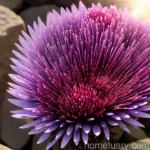
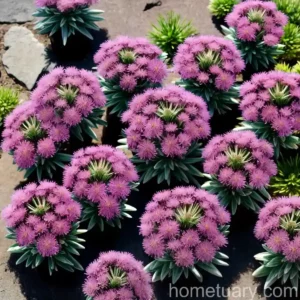
Delosperma ‘Jewel of the Desert Amethyst’ is a perennial succulent known for its evergreen, fleshy, and compact foliage accompanied by vibrant, daisy-like flowers. It belongs to the Delosperma genus, which comprises approximately 100 species of succulent plants. The ‘Jewel of the Desert Amethyst’ variety is particularly cherished for its stunning amethyst-purple flowers that create a mesmerizing carpet of color when in full bloom.
The Ice Plant derives its name from the glistening appearance of its foliage, which often gives the illusion of being covered in icy crystals or dewdrops. This characteristic adds a unique dimension to its aesthetic appeal, making it a sought-after choice for landscaping projects, rock gardens, and container plantings.
Key Takeaways – Delosperma ‘Jewel of the Desert Amethyst’ (Ice Plant)
Before we delve into the details of cultivating and caring for the Delosperma ‘Jewel of the Desert Amethyst’ (Ice Plant), let’s take a glance at some key takeaways that encapsulate the essence of this remarkable succulent:
- Scientific Name: Delosperma ‘Jewel of the Desert Amethyst’
- Common Name: Ice Plant
- Family: Aizoaceae
- Native Habitat: South Africa
- Growth Habit: Spreading, low-growing succulent
- Flower Color: Amethyst-purple
- Hardiness Zones: 6-10
- Uses: Ground cover, rock gardens, containers, erosion control
With these key takeaways in mind, let’s explore the various aspects of cultivating and caring for the Delosperma ‘Jewel of the Desert Amethyst’ (Ice Plant) in greater detail.
Culture
Cultivating the Delosperma ‘Jewel of the Desert Amethyst’ requires an understanding of its preferred growing conditions, its uses, and its overall cultural significance. Embracing the culture of a plant involves acknowledging its historical and environmental context, as well as understanding how it can be integrated into modern horticulture practices.
Uses
The Ice Plant, with its vibrant and resilient nature, serves a multitude of purposes in horticultural and landscaping settings. Some of its primary uses include:
-
Ground Cover: When planted en masse, the Delosperma ‘Jewel of the Desert Amethyst’ forms a dense, low-growing carpet of succulent foliage, adorned with an abundance of colorful flowers. This makes it an excellent choice for ground cover, particularly in areas where soil erosion needs to be mitigated.
-
Rock Gardens: The low-spreading and drought-tolerant nature of the Ice Plant makes it an ideal candidate for rock gardens, where it can thrive in the well-draining, gravelly soil often found in such settings. Its ability to flourish in the crevices and gaps between rocks adds a splash of vibrant color to these landscapes.
-
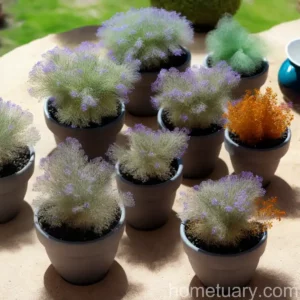
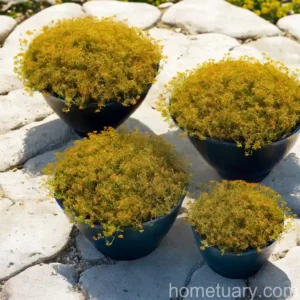
Containers: The compact growth habit of the Ice Plant makes it well-suited for container gardening. Whether grown in pots, hanging baskets, or other containers, it adds a touch of beauty to patios, balconies, and other outdoor spaces.
-
Erosion Control: The robust and spreading nature of the Delosperma ‘Jewel of the Desert Amethyst’ enables it to effectively stabilize slopes and prevent soil erosion, making it a valuable asset in landscaping projects aimed at combating land degradation.
By understanding the diverse uses of the Ice Plant, growers and horticulturists can harness its potential to enhance and beautify various outdoor settings.
Water
The water requirements of the Delosperma ‘Jewel of the Desert Amethyst’ are influenced by its succulent nature, as well as its native habitat, which is characterized by arid and semi-arid conditions. Understanding its water needs is essential for ensuring its optimal growth and development.
-
Watering Needs: The Ice Plant exhibits excellent drought tolerance once established, making it well-suited for xeriscaping and water-wise gardening. During the active growing season, it generally requires infrequent watering, as overwatering can lead to root rot and other moisture-related issues. In periods of prolonged drought, occasional deep watering can help sustain its vitality.
-
Drainage: Ensuring well-drained soil is crucial for preventing waterlogged conditions, which can be detrimental to the plant’s health. When cultivated in containers, ensuring adequate drainage holes and using a well-draining potting mix is paramount.
-
Rainfall: In regions with high rainfall, it is important to take measures to prevent water accumulation around the Ice Plant’s root zone. Strategic planting on slopes or in raised beds can mitigate the risks associated with excessive moisture.
Understanding and striking a balance with the plant’s water requirements is crucial for fostering its resilience and vitality in various environmental conditions.
Sunlight
The Delosperma ‘Jewel of the Desert Amethyst’ is renowned for its affinity towards sunlight, making it an ideal choice for gardens and landscapes that receive ample sunshine. Recognizing its sunlight preferences is essential for harnessing its full potential in landscaping and horticultural contexts.
-
Sun Exposure: To thrive and produce an abundance of flowers, the Ice Plant requires full sunlight, which generally translates to at least 6-8 hours of direct sunlight per day. Insufficient sunlight may lead to diminished flowering and less robust growth.
-
Heat Tolerance: In addition to its sunlight requirements, the Ice Plant also exhibits remarkable heat tolerance, enabling it to flourish in hot and arid climates.
-
Cold Hardiness: While it thrives in sunny and warm conditions, the Ice Plant also possesses excellent cold hardiness, withstanding temperatures as low as 0°F (-18°C) when provided with well-drained soil and minimal winter moisture.
By leveraging its preference for abundant sunlight and its capacity to endure extreme temperatures, growers can harness the intrinsic beauty and resilience of the Delosperma ‘Jewel of the Desert Amethyst’ in diverse outdoor settings.
Fertilizer
Fertilization plays a pivotal role in nourishing the Delosperma ‘Jewel of the Desert Amethyst’ and supporting its growth and flowering. Understanding its fertilizer requirements and implementing appropriate feeding practices can significantly influence the plant’s overall health and vibrancy.
-
Fertilizer Type: The Ice Plant benefits from a balanced, low-nitrogen fertilizer that is specifically formulated for succulent plants. A fertilizer with a formulation such as 5-10-10 or 5-10-5 can provide the necessary nutrients without promoting excessive foliage growth at the expense of flowering.
-
Application Frequency: To avoid over-fertilization, which can lead to decreased flowering and potential damage to the plant’s roots, it is advisable to apply a diluted, liquid fertilizer once every 4-6 weeks during the active growing season. Ceasing fertilization in late summer or early fall helps signal to the plant that it is time to gradually enter a period of dormancy.
-
Application Method: When applying fertilizer to the Ice Plant, it is important to distribute it evenly around the plant, avoiding direct contact with the foliage to prevent potential burning. Watering the plant prior to and after applying fertilizer can help mitigate the risk of root damage.
By adopting a mindful and balanced approach towards fertilization, growers can support the vitality and blooming potential of the Delosperma ‘Jewel of the Desert Amethyst’ while minimizing the risk of nutrient-related imbalances.
Soil
The soil composition and quality are pivotal factors that influence the growth, vigor, and flowering of the Delosperma ‘Jewel of the Desert Amethyst’. Understanding its soil preferences and making informed choices about soil composition are essential for ensuring its long-term viability and resilience.
-
Well-Draining Soil: The Ice Plant thrives in well-draining soil that allows excess moisture to swiftly percolate through and away from the root zone. Sandy or gravelly soil types with good aeration are particularly conducive to its growth, preventing issues related to waterlogging and stagnant moisture.
-
Soil pH: The Ice Plant demonstrates a preference for slightly acidic to neutral soil, with a pH range of 6.0 to 7.0 being optimal for its growth and overall nutrient uptake. A soil test can be beneficial in assessing the pH levels and making necessary amendments to achieve the desired range.
-
Aeration and Compaction: Ensuring that the soil is sufficiently aerated and free from compaction is crucial for facilitating healthy root development and preventing issues such as root rot. The use of organic amendments, such as perlite or compost, can enhance soil structure and aeration in heavy or compacted soils.
By tailoring the soil composition to meet the Ice Plant’s specific requirements, growers can provide an environment that fosters robust growth, flowering, and long-term sustainability.
Pruning
Pruning plays a pivotal role in maintaining the health, aesthetics, and longevity of the Delosperma ‘Jewel of the Desert Amethyst’. Understanding the principles of pruning and implementing appropriate techniques can help shape the plant’s growth, promote flowering, and prevent overcrowding.
-
Deadheading: Removing faded flowers through deadheading promotes continuous blooming and prevents the plant from allocating resources towards seed production. It also enhances the overall appearance of the plant by eliminating spent blossoms.
-
Trimming: Periodic light trimming of the Ice Plant’s foliage can help maintain a tidy and compact growth habit, particularly in container plantings or when employed as ground cover. Care should be taken to avoid excessive pruning, as this can diminish flowering in subsequent seasons.
-
Renewal Pruning: In instances where the Ice Plant displays signs of overgrowth, summer pruning can be employed to rejuvenate the plant and encourage a fresh flush of growth. It is advisable to prune no more than one-third of the plant’s total volume in a single pruning session to avoid inducing stress.
By implementing prudent pruning practices, growers can shape the growth and appearance of the Delosperma ‘Jewel of the Desert Amethyst’, fostering a vibrant and healthy plant that contributes to the visual appeal of its surrounding landscape.
Propagation
The propagation of the Delosperma ‘Jewel of the Desert Amethyst’ offers enthusiasts and horticulturists an opportunity to expand their collection, share its beauty with others, and preserve its genetic diversity. Understanding the various methods of propagation and their practical applications is instrumental in leveraging the plant’s propagation potential.
Seed Propagation
-
Seed Collection: The collection of Ice Plant seeds can be performed by harvesting the mature seed heads once they have dried and begun to split open. Care should be taken to prevent the dispersion of seeds before they can be collected.
-
Sowing Method: Sowing the seeds in a well-draining, sandy or gravelly seed-starting mix can help promote successful germination. A light covering of the seeds with the sowing medium and maintaining consistent moisture levels are critical for successful seedling establishment.
-
Germination Conditions: Providing warmth and ample sunlight can facilitate the germination of Ice Plant seeds. Maintaining a stable temperature of approximately 70-75°F (21-24°C) and ensuring consistent moisture without waterlogging the seeds are crucial during the germination period.
Division Propagation
-
Mature Clumps: Mature clumps of the Ice Plant can be gently divided into smaller sections, each containing a portion of the root system and accompanying growth points. Care should be taken to minimize root damage during the division process.
-
Transplanting Divisions: The divided sections can be transplanted into prepared planting sites or containers with well-draining soil. Providing adequate moisture and sheltering the divisions from intense sunlight during the initial establishment phase can promote their successful rooting and growth.
-
Optimal Timing: Division propagation is most effective when performed during the plant’s active growth period, typically in spring or early summer. This enables the divided sections to capitalize on favorable growing conditions to establish themselves swiftly.
By embracing the diverse methods of propagation available for the Ice Plant, growers can expand its presence in gardens and landscapes, enriching outdoor settings with its vibrant colors and resilient nature.
Container Popularity
The compact growth habit, vibrant flowers, and resilience of the Delosperma ‘Jewel of the Desert Amethyst’ make it an immensely popular choice for container gardening. Its versatility and adaptability to various container types and growing conditions render it an invaluable addition to outdoor spaces.
Container Selection
-
Drainage: Selecting containers with adequate drainage holes is essential for preventing waterlogging and maintaining healthy root conditions. If necessary, additional drainage holes can be drilled to enhance the container’s drainage capabilities.
-
Size and Depth: Choosing containers of appropriate size and depth is pivotal for accommodating the Ice Plant’s root system and allowing for its growth and development. Containers that are slightly larger than the current root ball provide room for expansion without overwhelming the plant.
-
Material: Containers made from materials such as terracotta, plastic, or ceramic can be suitable for cultivating the Ice Plant, each offering unique benefits in terms of moisture retention, insulation, and aesthetic appeal.
Container Planting Tips
-
Potting Mix: Utilizing a well-draining potting mix, such as one formulated for succulent plants or cacti, is crucial for fostering the optimal growth of the Ice Plant in containers. The inclusion of perlite or coarse sand can aid in enhancing drainage and aeration.
-
Watering Practices: Conserving water while ensuring adequate moisture levels is a balancing act essential for successful container gardening with the Ice Plant. Applying water when the top inch of the potting mix is dry to the touch and avoiding water accumulation at the bottom of the container are important considerations.
-
Sunlight Requirements: Positioning the containers in locations that receive ample sunlight aligns with the Ice Plant’s sunlight preferences, facilitating its vibrant growth and prolific blooming.
Common Diseases
While the Delosperma ‘Jewel of the Desert Amethyst’ is renowned for its resilience, it is still susceptible to certain diseases and issues that can affect its health and vitality. Understanding these common ailments and their appropriate management is essential for safeguarding the plant’s well-being.
Disease Diagnosis
-
Root Rot: Prolonged periods of soil saturation or waterlogged conditions can lead to the development of root rot in the Ice Plant. Symptoms include wilting, yellowing or browning of foliage, and a general decline in plant vigor. Addressing the issue by improving soil drainage and reducing watering frequency is crucial for mitigating root rot.
-
Powdery Mildew: Powdery mildew can manifest as a white powdery substance on the foliage of the Ice Plant, often accompanied by stunted growth and distorted leaves. Providing adequate air circulation, maintaining moderate humidity levels, and employing fungicidal treatments can help manage powdery mildew.
-
Crown Rot: Excessive moisture around the base of the plant or damage to the crown can lead to crown rot, characterized by rotting tissue and a foul odor. Addressing the underlying causes, such as excessive watering or physical damage, and improving soil drainage are essential for mitigating crown rot.
Understanding the symptoms and predisposing factors of these common diseases equips growers to promptly identify and address issues, thereby safeguarding the health and vitality of the Delosperma ‘Jewel of the Desert Amethyst’.
Common Pests
In addition to diseases, the Delosperma ‘Jewel of the Desert Amethyst’ may also encounter certain pests that can compromise its health and aesthetics. Identifying these common pests and implementing targeted control measures is pivotal for preserving the plant’s vigor and beauty.
-
Aphids: These small, sap-sucking insects can infest the foliage and flowers of the Ice Plant, leading to distorted growth and the accumulation of sticky honeydew on the plant’s surfaces. Control measures such as insecticidal soaps or horticultural oils can be effective in managing aphid infestations.
-
Slugs and Snails: These voracious herbivores can feed on the tender foliage and flowers of the Ice Plant, causing unsightly damage. Implementing physical barriers, such as copper tape, and employing slug and snail baits can help protect the plant from these pests.
-
Spider Mites: Spider mites can inflict damage on the Ice Plant by feeding on its foliage, leading to stippling, discoloration, and webbing on the affected parts. Regularly hosing down the plant to dislodge the pests and applying miticides can assist in managing spider mite populations.
By familiarizing themselves with the key pests that may affect the Ice Plant and adopting targeted pest management strategies, growers can safeguard the plant’s health and uphold its visual appeal.
Botanist’s Tips
As a botanist with an appreciation for the remarkable qualities of the Delosperma ‘Jewel of the Desert Amethyst’, here are some additional insights and tips to enhance the growing experience and success with this captivating succulent:
-
Companion Planting: Pairing the Ice Plant with companion plants that share its preferences for sunlight, soil, and water conditions can create harmonious and visually engaging plant combinations. Species such as sedums, Echeverias, and other drought-tolerant perennials make excellent companions for the Ice Plant.
-
Overwintering Precautions: In regions where freezing temperatures are common, providing a protective mulch layer or temporarily sheltering the Ice Plant during frost events can help safeguard its roots and crown from potential cold damage.
-
Harvesting Seeds: Harvesting seeds from the Ice Plant presents an opportunity not only to propagate new plants but also to contribute to the preservation of the plant’s genetic diversity. Careful collection and storage of seeds ensure their viability for future propagation efforts.
Fun Facts
The world of plants is teeming with fascinating anecdotes and unique attributes, and the Delosperma ‘Jewel of the Desert Amethyst’ is no exception. Here are some intriguing facts about this captivating succulent that highlight its distinctiveness and allure:
-
Xeriscaping Champion: The Ice Plant is hailed as a star performer in xeriscaping, due to its exceptional drought tolerance and ability to thrive in water-wise gardens with minimal irrigation.
-
Pollinator Magnet: The vibrant flowers of the Ice Plant are a rich source of nectar, attracting an array of pollinators, including bees, butterflies, and various species of beneficial insects, making it a favorite among gardeners seeking to support pollinator populations.
-
Color Variations: While the ‘Jewel of the Desert Amethyst’ variety is renowned for its rich amethyst-purple flowers,