Plant Scientist Blog: All About Daylilies (Hemerocallis ‘Pink Goodie’)
Welcome to the plant scientist blog, where we delve into the fascinating world of plants, focusing today on the beautiful daylily (Hemerocallis ‘Pink Goodie’). In this post, we will explore the key characteristics, cultivation tips, care instructions, uses, and much more related to this delightful plant. So, let’s jump right in and discover the wonders of this beloved flowering perennial.
What is a Daylily (Hemerocallis ‘Pink Goodie’)?
The daylily (Hemerocallis) is a perennial flowering plant that belongs to the family Liliaceae. The name Hemerocallis is derived from two Greek words, hemera, meaning “day,” and kallos, meaning “beauty,” referring to the fact that each flower typically lasts for one day. However, the plant produces many flower buds on multiple scapes, giving a prolonged blooming period.
One popular cultivar of daylily is the ‘Pink Goodie,’ which is cherished for its delicate pink blooms and robust growth habit. This cultivar is esteemed for its garden performance, making it a sought-after addition to landscapes and gardens.
Key Takeaways – Daylily (Hemerocallis ‘Pink Goodie’)
Let’s delve into some key takeaways about daylilies, with a special focus on the ‘Pink Goodie’ cultivar.
Culture
- The daylily ‘Pink Goodie’ thrives in various climates and is known for its adaptability.
- This cultivar is a vigorous grower, making it an excellent choice for garden beds, borders, and containers.
Uses
- ‘Pink Goodie’ daylilies are often used as ornamental plants, adding vibrant color to garden landscapes.
- The flowers can also be used in cut flower arrangements, bringing their charm indoors.
Water
- Daylilies generally have moderate water needs, requiring regular watering, especially during dry spells to promote healthy growth and blooming.
Sunlight
- ‘Pink Goodie’ daylilies prefer full sun but can tolerate partial shade, making them versatile for various garden settings.
Fertilizer
- Applying a balanced fertilizer in spring and early summer can support the growth and blooming of ‘Pink Goodie’ daylilies.
Soil
- Well-draining soil is essential for daylilies, and amending with organic matter can enhance soil structure and fertility.
Pruning
- Deadheading spent flowers and trimming back foliage in late fall can help maintain a tidy appearance and promote future growth.
Propagation
- The division of mature clumps in early spring or late summer is a common method for propagating ‘Pink Goodie’ daylilies.
Container Popularity
- Due to their adaptability and aesthetic appeal, ‘Pink Goodie’ daylilies are well-suited for container gardening.
Common Diseases
- Some common diseases that may affect daylilies include leaf streak, rust, and fungal infections, which can be managed with proper care and maintenance.
Disease Diagnosis
- It is crucial to monitor the plants for any signs of disease, such as discolored or spotted foliage, and take appropriate measures for diagnosis and treatment.
Common Pests
- Daylilies may attract pests such as aphids, thrips, and spider mites, necessitating vigilant pest management practices.
Botanist’s Tips
- Regular monitoring and prompt action are essential for maintaining the health and vigor of ‘Pink Goodie’ daylilies.
- Mulching around the plants can help retain soil moisture, suppress weeds, and insulate the roots.
Fun Facts
- The daylily is not a true lily, despite its common name, and is not classified in the genus Lilium.
- The flowers of daylilies are edible and are used in certain culinary preparations, adding color and a mild, sweet flavor to dishes.
Now that we’ve explored the key aspects of daylilies, let’s delve deeper into the cultivation, care, and unique characteristics of the ‘Pink Goodie’ cultivar.
Daylily Cultivation Tips
Cultivating daylilies, including the ‘Pink Goodie’ cultivar, can be a rewarding experience for gardeners. Here are some essential cultivation tips to ensure the successful growth and blooming of these delightful plants:
Hemerocallis Varieties
Hemerocallis encompasses a wide array of cultivars, each with its distinct flower color, shape, and growth habit. Exploring different varieties can provide a diverse range of options for garden landscapes.
‘Pink Goodie’ Daylily Characteristics
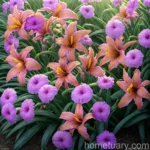
The ‘Pink Goodie’ cultivar is prized for its charming pink flowers, which exhibit a delicate and captivating appeal. Its vigorous growth and reliable blooming make it a standout choice for gardens and landscapes.
Best Daylilies for Gardens
In addition to ‘Pink Goodie,’ there are numerous other daylily cultivars that are well-suited for garden settings, offering an array of colors and bloom characteristics to complement various design schemes.
How to Grow Daylilies Successfully
To grow daylilies successfully, it is essential to ensure adequate sunlight, well-draining soil, regular watering, and occasional fertilization. Proper maintenance and care contribute to the overall success of these plants.
Daylily Care Instructions
Care for daylilies, including the ‘Pink Goodie’ cultivar, involves regular watering, fertilization, deadheading, and monitoring for pests and diseases. Maintaining optimal growing conditions is key to their well-being.
‘Pink Goodie’ Daylily Care Guide
Specific care guidelines for the ‘Pink Goodie’ cultivar may include providing adequate space for its robust growth, ensuring well-draining soil, and deadheading spent flowers for continuous blooming.
Hemerocallis Flower Species
The wide diversity of Hemerocallis flower species offers a rich tapestry of colors, shapes, and sizes, making them a popular choice for gardeners seeking an array of options for their landscapes.
Daylily Planting Guide
When planting daylilies, including ‘Pink Goodie,’ it is important to space the plants adequately to allow for air circulation and provide room for their spreading growth habit.
Popular Daylily Hybrids
Hybridization has led to the development of numerous popular daylily hybrids, each exhibiting unique traits and characteristics that appeal to gardeners and enthusiasts alike.
‘Pink Goodie’ Daylily Maintenance
Regular maintenance tasks for ‘Pink Goodie’ daylilies may include dividing crowded clumps, removing old foliage, and applying mulch to conserve soil moisture and suppress weeds.
Hemerocallis Perennial Plants
Daylilies are valued as perennial plants, returning year after year with their vibrant blooms and reliable performance, making them a staple in many garden landscapes.
Daylily Landscaping Ideas
In landscaping, daylilies can be used in various ways, such as mass plantings, border edging, or mixed with other perennials and shrubs, offering versatility and visual interest.
‘Pink Goodie’ Daylily Planting Tips
When planting ‘Pink Goodie’ daylilies, it is beneficial to incorporate organic matter into the soil, provide adequate spacing, and ensure proper drainage to promote healthy growth and blooming.
Benefits of Growing Hemerocallis
Growing Hemerocallis, including ‘Pink Goodie,’ offers a range of benefits, such as vibrant blooms, low maintenance requirements, and adaptability to diverse environmental conditions.
Daylily Flower Characteristics
Daylily flowers exhibit diverse characteristics, including single or double blooms, ruffled or smooth edges, and a spectrum of colors, contributing to their appeal in garden settings.
‘Pink Goodie’ Daylily Growing Conditions
Optimal growing conditions for ‘Pink Goodie’ daylilies include full sun to partial shade, well-draining soil, and regular watering, fostering healthy growth and robust blooming.
Hemerocallis Winter Care
In colder climates, providing winter care for daylilies involves mulching around the plants to insulate the roots and protect them from frost, contributing to their survival during the winter months.
Daylily Propagation Techniques
Propagating daylilies can be achieved through division, seed propagation, or hybridization, offering opportunities for expanding plant populations and developing new cultivars.
‘Pink Goodie’ Daylily Pest Control
Implementing pest control measures for ‘Pink Goodie’ daylilies may involve monitoring for common pests, such as aphids and thrips, and utilizing eco-friendly solutions for management.
Hemerocallis Disease Prevention
Preventing diseases in Hemerocallis entails promoting good air circulation, avoiding overhead watering, and promptly addressing any signs of disease to prevent their spread.
Daylily vs. Other Perennial Flowers
Comparing daylilies to other perennial flowers reveals their unique attributes, such as the striking and often large flowers, extended blooming period, and adaptability to diverse growing conditions.
‘Pink Goodie’ Daylily Companion Plants
Selecting suitable companion plants for ‘Pink Goodie’ daylilies involves considering factors such as compatible growing conditions, complementary colors, and the desired visual effect in the garden.
Hemerocallis Sunlight Requirements
Understanding the sunlight requirements of Hemerocallis, including ‘Pink Goodie,’ is essential for optimizing their growth and blooming, ensuring they receive adequate light for their development.
Daylily Division Methods
Dividing mature daylily clumps in early spring or late summer is a common division method, enabling gardeners to rejuvenate plants and propagate new specimens.
‘Pink Goodie’ Daylily Water Needs
‘SPink Goodie’ daylilies have moderate water needs, requiring regular watering, especially during hot and dry periods, to maintain healthy foliage and support blooming.
Hemerocallis Soil Preferences
Hemerocallis thrives in well-draining soil that is rich in organic matter, providing an optimal growing medium for roots to establish and plants to flourish.
Daylily Color Variations
The vast array of daylily colors encompasses hues such as yellow, orange, pink, red, and lavender, offering an extensive palette for creating stunning garden displays.
‘Pink Goodie’ Daylily Fragrance
While not all daylilies are fragrant, some cultivars, including ‘Pink Goodie,’ may exhibit a subtle and pleasing fragrance, adding an olfactory dimension to their appeal.
Hemerocallis Edible Uses
Hemerocallis flowers are edible and can be used to garnish salads, desserts, and various culinary creations, offering a unique and delicate flavor as well as a pop of color.
Daylily Gardening Tips
Gardening with daylilies involves providing suitable growing conditions, monitoring for pests and diseases, and implementing regular maintenance practices to ensure optimal plant health.
‘Pink Goodie’ Daylily Container Gardening
‘SPink Goodie’ daylilies are well-suited for container gardening, offering a burst of color and texture to patios, decks, and other outdoor spaces with their vibrant blooms and graceful foliage.
Hemerocallis in Cut Flower Arrangements
The vibrant blooms of Hemerocallis, including ‘Pink Goodie,’ can be incorporated into cut flower arrangements, accentuating floral displays with their enduring beauty and charm.
Daylily Bloom Time
Daylilies typically exhibit a prolonged bloom time, with each flower lasting for a day but numerous buds opening successively, providing an extended period of floral display.
‘Pink Goodie’ Daylily Foliage Pattern
The foliage of ‘Pink Goodie’ daylilies showcases a graceful and arching habit, complementing the delightful blooms and adding an ornamental element to garden landscapes.
Hemerocallis Shade Tolerance
While daylilies prefer full sun, many cultivars, including ‘Pink Goodie,’ exhibit a degree of shade tolerance, making them adaptable to various light conditions in garden settings.
Daylily Hybridization Techniques
Hybridizing daylilies involves controlled pollination to develop new cultivars with desired traits, such as unique flower colors, forms, and patterns, contributing to the diversity of available varieties.
‘Pink Goodie’ Daylily Landscape Design
In landscape design, incorporating ‘Pink Goodie’ daylilies allows for the creation of vibrant and appealing garden displays, infusing color and elegance into the outdoor environment.
Hemerocallis Wildlife Attraction
Hemerocallis flowers may attract pollinators such as bees and butterflies, contributing to the ecological balance of garden ecosystems and fostering biodiversity.
Daylily Transplanting Considerations
Transplanting daylilies, including ‘Pink Goodie,’ requires careful handling of the root system and providing suitable growing conditions to minimize stress and promote establishment in new locations.
‘Pink Goodie’ Daylily Root Development
Healthy root development is crucial for the growth and blooming of ‘Pink Goodie’ daylilies, necessitating well-prepared soil and proper planting techniques to support root establishment.
Hemerocallis Climate Adaptability
Hemerocallis exhibits adaptability to diverse climatic conditions, with many cultivars, including ‘Pink Goodie,’ demonstrating tolerance to both heat and cold, making them adaptable to various regions.
Daylily Naturalization Methods
Naturalizing daylilies involves allowing them to spread and establish in a naturalistic manner, creating informal drifts and clusters that contribute to a relaxed and natural garden aesthetic.
‘Pink Goodie’ Daylily Flowering Season
The flowering season of ‘Pink Goodie’ daylilies typically extends throughout the summer, providing a profusion of delicate pink blooms that captivate and enhance the garden landscape.
Hemerocallis Drought Resistance
While daylilies benefit from regular watering, many cultivars, including ‘Pink Goodie,’ exhibit a degree of drought resistance, making them adaptable to periods of limited rainfall.
Daylily Disease Management
Managing diseases in daylilies involves practicing good garden hygiene, monitoring for signs of disease, and implementing appropriate measures to prevent and control potential infections.
‘Pink Goodie’ Daylily Best Uses
The ‘Pink Goodie’ cultivar is well-suited for various uses, such as garden beds, border plantings, container gardening, and cut flower production, adding versatility to its appeal.
Hemerocallis Mulching Benefits
Mulching around Hemerocallis plants offers advantages such as moisture retention, weed suppression, temperature moderation, and improved soil structure, contributing to their overall health and vigor.
Daylily Cutting and Deadheading
Periodic cutting back and deadheading of spent blooms help maintain the visual appeal of daylilies, including ‘Pink Goodie,’ and contribute to continuous flowering throughout the season.
‘Pink Goodie’ Daylily Division Timing
The timing for dividing ‘Pink Goodie’ daylilies may vary depending on the climate and growing conditions, with early spring and late summer being favorable periods for division.
With these comprehensive insights into the cultivation, care, and characteristics of daylilies, including the beloved ‘Pink Goodie’ cultivar, gardeners and enthusiasts can make informed decisions about incorporating these delightful plants into their outdoor spaces.
Links to External Resources
For further exploration and information about daylilies, ‘Pink Goodie’ cultivar, and related topics, feel free to explore the following external resources:
- American Hemerocallis Society (AHS) – Link
- The Daylily Dictionary – Link
- Daylilies: The Wild Species and Garden Clones, and Hybrids – Link
We hope you found this blog post insightful and inspiring as we explored the fascinating world of daylilies and the enchanting ‘Pink Goodie’ cultivar. Stay tuned for more enriching insights and knowledge in the realm of plant science. Happy gardening!
This blog post was authored by a passionate plant scientist with a deep appreciation for the beauty and diversity of plant life.
[Author Note: The content provided in this blog post is for informational purposes only and is not intended to serve as professional advice. Readers are encouraged to consult with horticultural experts or extension services for specific cultivation and care guidelines for daylilies and other plants.]