The Enchanting Daylily (Hemerocallis ‘Miss Tinkerbell’)
Introduction
Daylilies are a beloved addition to the garden, known for their stunning and diverse blooms. One particularly charming variety is the Hemerocallis ‘Miss Tinkerbell,’ celebrated for its vibrant flowers and easy-going nature. In this comprehensive guide, you will learn all about the care, cultivation, and fascinating characteristics of this delightful perennial.
What is the Daylily (Hemerocallis ‘Miss Tinkerbell’)?
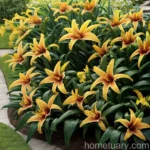
Hemerocallis ‘Miss Tinkerbell,’ commonly known as the daylily, is a perennial flowering plant that belongs to the Hemerocallidaceae family. With its botanical name deriving from Greek words, ‘hemera,’ meaning “day,” and ‘kalos,’ meaning “beautiful,” the daylily is indeed a fitting name, as each flower typically blooms for only one day before wilting. However, the plant’s abundance of flower buds ensures a continual display throughout its flowering season.
Key Takeaways – Daylily (Hemerocallis ‘Miss Tinkerbell’)
- Scientific Name: Hemerocallis ‘Miss Tinkerbell’
- Common Name: Daylily
- Family: Hemerocallidaceae
- Bloom Duration: One day per flower, with numerous buds for a prolonged display
- Characteristics: Vibrant, trumpet-shaped flowers in a variety of colors
- Growth Pattern: Herbaceous perennial with clumping foliage
Culture
Understanding the specific cultural requirements of Hemerocallis ‘Miss Tinkerbell’ is essential for nurturing healthy and vibrant plants.
Uses
The daylily (Hemerocallis ‘Miss Tinkerbell’) is a versatile plant that can be utilized in various ways, such as:
– Ornamental garden display
– Landscaping borders and edging
– Cut flower arrangements
– Container gardening
Water
Adequate water is crucial for the optimal growth and blooming of daylilies. However, it’s vital to strike a balance, as they do not thrive in waterlogged conditions. Here are some general watering guidelines:
– Frequency: Water deeply once a week during dry spells.
– Soil Moisture: Ensure well-draining soil to prevent waterlogging.
– Mulching: Apply a layer of mulch to help retain soil moisture.
Sunlight
Daylilies, including the ‘Miss Tinkerbell’ variety, are renowned for their adaptability to varying light conditions. Here’s how to manage sunlight exposure:
– Optimal: Full sun to partial shade (approximately 6-8 hours of direct sunlight per day).
– Shading: Provide some shade during scorching afternoon hours in hot climates.
– Foliage Status: Increased sunlight often results in more prolific flowering but may necessitate additional watering.
Fertilizer
To support robust growth and prolific blooming, daylilies benefit from regular fertilization. Consider the following fertilization tips:
– Type: Use a balanced, all-purpose fertilizer, such as a 10-10-10 formulation.
– Application Time: Apply fertilizer in early spring and again after the first bloom cycle.
– Quantity: Follow package instructions for proper dosage.
Soil
The soil composition significantly influences the growth and vitality of daylilies. Here are some soil considerations for Hemerocallis ‘Miss Tinkerbell’:
– Texture: Well-draining loamy soil is ideal.
– pH Level: Aim for a slightly acidic to neutral pH (6.0-7.0).
– Amendments: Incorporate organic matter, such as compost, to improve soil structure and fertility.
Pruning
Regular maintenance, including prudent pruning, ensures the health and aesthetics of daylilies. Consider the following pruning recommendations:
– Deadheading: Remove spent flower stems to encourage continuous blooming.
– Foliage Trimming: Trim back discolored or damaged foliage to promote new growth and reduce disease susceptibility.
– Division: Every few years, divide overcrowded clumps in early spring to rejuvenate plants and enhance flowering.
Propagation
Expanding your collection of Hemerocallis ‘Miss Tinkerbell’ can be an enjoyable endeavor. Learn about successful propagation methods for daylilies:
– Division: Divide mature clumps in early spring using a sharp knife to separate individual fan-like divisions.
– Seeds: Collect and germinate seeds, but note that seed-grown plants may exhibit genetic variation.
Container Popularity
The compact nature and striking beauty of ‘Miss Tinkerbell’ make it a popular choice for container gardening. Explore the following guidelines for successful container cultivation:
– Container Size: Select a large, sturdy container to accommodate the plant’s root system and provide stability.
– Soil Mix: Use a well-draining potting mix with added organic matter.
– Watering: Monitor soil moisture closely, as containers may dry out more rapidly than garden soil.
Common Diseases
While daylilies are generally resilient, they can be susceptible to certain diseases. Recognizing and addressing common ailments is crucial for maintaining plant health.
Disease Diagnosis
Keep an eye out for the following prevalent daylily diseases:
– Leaf Streak: Characterized by elongated brown lesions on foliage.
– Crown Rot: Indicates by wilting and decay at the plant’s base.
– Rust: Noted for the appearance of orange pustules on the foliage undersides.
Disease Prevention
Implement the following proactive measures to mitigate disease incidence:
– Adequate Airflow: Ensure proper spacing and adequate ventilation to reduce humidity around plants.
– Sanitation: Regularly remove and dispose of dead or diseased plant material.
– Fungicide Application: As a last resort, consider applying a suitable fungicide according to manufacturer instructions.
Common Pests
Daylilies are relatively pest-resistant, but certain insects may occasionally pose a threat to plant health.
Pest Control
Keep an eye out for the following potential daylily pests:
– Thrips: Tiny, slender insects that cause stippling and distortion of flower buds and foliage.
– Spider Mites: Indicated by webbing and stippling on foliage.
– Aphids: Small, soft-bodied insects that cluster on new growth, excreting honeydew and attracting ants.
Pest Prevention
Integrate the following preventative tactics to manage and deter common daylily pests:
– Natural Predators: Encourage beneficial insects, such as ladybugs and lacewings, that feed on pest populations.
– Horticultural Oils: Use horticultural oils to suffocate and control soft-bodied insects like aphids and mites.
– Physical Removal: Dislodge and remove pests by spraying plants with a forceful stream of water.
Botanist’s Tips
As a plant scientist with a passion for daylilies, I offer the following tips for successfully cultivating ‘Miss Tinkerbell’ and other daylily varieties:
– Observation: Regularly inspect plants for signs of pests, diseases, or nutrient deficiencies.
– Adaptability: Experiment with different planting locations, soil amendments, and cultural practices to optimize plant performance.
– Community: Engage with local gardening clubs and online forums to exchange knowledge and experiences with fellow daylily enthusiasts.
Fun Facts
The captivating world of daylilies is brimming with fascinating details and trivia.
Cultural References
Daylilies have made their mark in various cultural realms, including literature, art, and folklore. Some notable references include:
– Symbolism: In Chinese culture, the daylily symbolizes motherhood and filial devotion.
– Literature: Daylilies are featured in poems by renowned poets, such as Emily Dickinson and Ella Wheeler Wilcox.
– Folklore: In Appalachian folklore, daylilies were believed to protect against evil spirits when planted near the home.
Fragrant Blooms
While not all daylily varieties are known for their fragrance, some, including ‘Miss Tinkerbell,’ produce delightfully scented blooms. Enjoy the sensory experience of cultivating fragrant daylilies in your garden.
Links to External Resources
Explore the following reputable resources to delve deeper into the world of daylilies and Hemerocallis ‘Miss Tinkerbell’:
– American Daylily Society: American Daylily Society
– The Daylily Garden: The Daylily Garden
– Royal Horticultural Society: Daylily Cultivation Guide: RHS – Daylily Cultivation Guide
Conclusion
The daylily (Hemerocallis ‘Miss Tinkerbell’) is an enchanting and versatile perennial that adds vibrant color and elegance to gardens and landscapes. By understanding its unique characteristics and implementing the recommended cultural practices, you can cultivate a thriving and visually stunning display of ‘Miss Tinkerbell’ daylilies. Whether you’re a seasoned gardener or a novice enthusiast, the allure of daylilies is sure to captivate and inspire you to incorporate these enchanting blooms into your green spaces.
Remember that the beauty and allure of daylilies extend far beyond their mere appearance. They carry with them a rich tapestry of history, folklore, and cultural significance, making them an incredibly rewarding addition to any garden. As you embark on your journey with Hemerocallis ‘Miss Tinkerbell’ and other daylily varieties, embrace the opportunity to immerse yourself in their captivating world, and revel in the joy they bring to your horticultural endeavors.
So go ahead, plant a patch of daylilies, and behold the wondrous splendor of these captivating blooms.