Plant Scientist’s Guide to Daylilies: Hemerocallis ‘Glowing Heart’
What is a Daylily?
Daylilies are vibrant and versatile perennial plants known for their stunning and diverse flowers. The botanical name for daylily is Hemerocallis, derived from the Greek words “hemera,” meaning day, and “kalos,” meaning beauty, which aptly describes the fleeting beauty of each flower that lasts only for a day. Despite their short-lived blooming cycle, these plants are valued for their hardiness, adaptability, and the multitude of colorful and intricate blooms they produce throughout the summer. One particularly captivating cultivar is the Hemerocallis ‘Glowing Heart,’ which boasts striking characteristics that make it a popular choice among gardening enthusiasts.
Hemerocallis ‘Glowing Heart’: Key Takeaways
Hemerocallis ‘Glowing Heart’ offers a delightful addition to any garden due to its vibrant foliage and stunning flowers. As with all daylilies, it thrives in various environments and requires minimal maintenance, making it an excellent choice for both beginner and seasoned gardeners. To effectively care for this cultivar, it is essential to understand its specific cultural requirements, uses, and potential challenges.
Below, I will delve into the various aspects of cultivating and caring for Hemerocallis ‘Glowing Heart,’ from its preferred sunlight and watering needs to its soil requirements and propagation methods. Additionally, I will explore the common diseases and pests that may affect this cultivar and provide expert tips for optimal growth.
Hemerocallis ‘Glowing Heart’: Culture
Water
Hemerocallis ‘Glowing Heart’ thrives in moist but well-drained soil. Adequate water is essential for promoting healthy growth and prolific flowering. During the active growing season, it is crucial to provide sufficient water, especially during dry spells or periods of high temperatures.
Sunlight
This daylily cultivar flourishes in full sun to partial shade. However, to ensure the best flowering display, it is recommended to plant it in a location that receives at least six hours of direct sunlight daily.
Fertilizer
To support robust growth and abundant blooms, Hemerocallis ‘Glowing Heart’ benefits from regular fertilization. A balanced, slow-release fertilizer applied in early spring and again in midsummer can provide the necessary nutrients for the plant’s development.
Soil
Well-draining soil with a slightly acidic to neutral pH is ideal for cultivating Hemerocallis ‘Glowing Heart.’ Organic matter, such as compost or well-rotted manure, can be incorporated into the soil to improve its structure and fertility.
Hemerocallis ‘Glowing Heart’: Pruning
Pruning daylilies, including Hemerocallis ‘Glowing Heart,’ is a straightforward task that can help maintain the plant’s vigor and aesthetics. Here are the key pruning techniques for this cultivar:
- Deadheading: Removing spent blooms promptly can encourage the production of new flowers and prevent the plant from expending energy on seed production.
- Foliage Maintenance: Trimming away yellowing or damaged foliage can enhance the plant’s appearance and prevent the spread of diseases.
Regular inspection of the plant for dead or diseased foliage is essential for promoting overall plant health and longevity.
Hemerocallis ‘Glowing Heart’: Propagation
Propagating Hemerocallis ‘Glowing Heart’ can be achieved through various methods, such as division, seed propagation, or tissue culture. The most common and efficient method for home gardeners is division, which involves separating the plant into smaller sections with viable roots and shoots.
To propagate Hemerocallis ‘Glowing Heart’ through division:
1. Choose a mature plant with multiple healthy shoots and a well-established root system.
2. Using a sharp, sterile tool, such as a garden spade or knife, carefully divide the clump of daylilies into smaller sections, ensuring that each division has both roots and shoots attached.
3. Replant the divisions in prepared soil, water them thoroughly, and provide appropriate care to support their establishment.
Successful division can rejuvenate the plant and provide new specimens for expanding the garden or sharing with other enthusiasts.
Hemerocallis ‘Glowing Heart’: Container Popularity
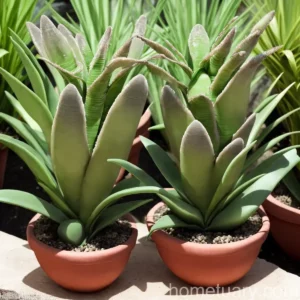
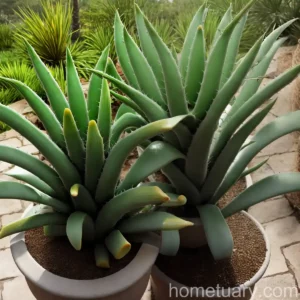
While daylilies are commonly grown in garden beds or borders, they can also thrive in containers, making them an excellent choice for balcony or patio gardens. Hemerocallis ‘Glowing Heart,’ with its compact size and vibrant blooms, is particularly well-suited for container gardening.
When growing Hemerocallis ‘Glowing Heart’ in containers:
– Select a spacious container with adequate drainage holes to accommodate the plant’s roots and allow excess water to escape.
– Use a high-quality, well-draining potting mix formulated for flowering plants to provide the necessary nutrients and support proper aeration.
– Position the container in a location that receives ample sunlight to promote healthy growth and prolific blooming.
Regular watering and fertilization are essential for container-grown daylilies, and attention should be given to monitoring moisture levels to ensure optimal growing conditions.
Hemerocallis ‘Glowing Heart’: Common Diseases
Daylilies, including Hemerocallis ‘Glowing Heart,’ are generally hardy plants with few significant disease issues. However, they can occasionally be affected by common fungal or viral diseases. By understanding and promptly addressing these potential concerns, gardeners can help maintain the overall health and vigor of their Hemerocallis ‘Glowing Heart.’
Disease Diagnosis
Recognizing common diseases that may affect Hemerocallis ‘Glowing Heart’ is crucial for implementing appropriate management strategies. Some of the prevalent diseases in daylilies include:
- Leaf Streak (Aureobasidium microstictum): Characterized by brown to purple streaks on the foliage, often leading to a decline in overall plant vigor.
- Rust (Puccinia hemerocallidis): Manifests as orange to brown pustules on the leaves and can weaken the plant if left uncontrolled.
- Daylily Mosaic Virus: Causes mottling and distortion of the foliage, negatively impacting the plant’s growth and aesthetic appeal.
Disease Management
To mitigate the impact of diseases on Hemerocallis ‘Glowing Heart,’ several preventive measures and management strategies can be implemented:
- Cultural Practices: Promoting good air circulation, avoiding overhead watering, and maintaining overall plant health through proper watering and fertilization can help reduce the risk of disease development.
- Sanitation: Promptly removing and disposing of infected plant material, such as affected leaves or blooms, can prevent the spread of diseases within the garden.
- Fungicidal Treatments: In severe cases, applying approved fungicides according to label instructions can help manage fungal diseases and protect the plant from further damage.
Hemerocallis ‘Glowing Heart’: Common Pests
Despite their resilience, daylilies, including Hemerocallis ‘Glowing Heart,’ can be susceptible to certain pests that may impact their growth and flowering. Being vigilant and proactive in pest management is essential for preserving the plant’s vitality and beauty.
Some of the common pests that may affect Hemerocallis ‘Glowing Heart include:
- Aphids: These small, sap-sucking insects can cluster on the plant’s tender growth, leading to distorted foliage and reduced vigor.
- Thrips: These tiny insects can cause stippling or silvering of the leaves and may also affect the flowers, leading to deformities or discoloration.
- Spider Mites: These arachnids can infest the foliage and cause stippling or webbing, potentially weakening the plant if left uncontrolled.
Regular monitoring of the plants for signs of pest infestations, such as distorted foliage, stippling, or the presence of insects, can enable early intervention and effective pest management.
Pest Control
Implementing integrated pest management (IPM) strategies can help control and mitigate pest infestations while minimizing the use of chemical treatments. Some effective pest control measures for daylilies, including Hemerocallis ‘Glowing Heart,’ include:
- Natural Predators: Encouraging the presence of beneficial insects, such as ladybugs or lacewings, can help naturally control aphid and thrip populations.
- Horticultural Oils: Applying horticultural oils can help suffocate and control spider mite populations without harming beneficial insects or the environment.
- Insecticidal Soaps: Utilizing insecticidal soaps as a targeted treatment can effectively manage aphid and thrip populations while minimizing the impact on non-target organisms.
Implementing a proactive and holistic approach to pest management can help sustain the overall health and vitality of Hemerocallis ‘Glowing Heart’ while minimizing the risks associated with pest control.
Botanist’s Tips for Hemerocallis ‘Glowing Heart’
In addition to providing the essential care and addressing potential challenges, there are several expert tips and recommendations for cultivating and enjoying Hemerocallis ‘Glowing Heart’ to its fullest potential. Consider the following tips from botanists and experienced daylily enthusiasts:
- Mulching: Applying a layer of organic mulch around the base of the plant can help conserve soil moisture, suppress weed growth, and protect the roots during temperature fluctuations.
- Companion Planting: Pairing Hemerocallis ‘Glowing Heart’ with complementary companions, such as ornamental grasses, salvias, or cone flowers, can create visually appealing garden combinations and provide additional ecological benefits.
- Seasonal Maintenance: Conducting regular inspections and maintenance tasks, such as removing spent blooms, dividing overcrowded clumps, and refreshing mulch layers, can promote the plant’s longevity and overall health.
- Winter Protection: In colder climates, providing adequate winter protection, such as applying a layer of mulch or straw around the base of the plant, can help insulate the roots and protect them from freezing temperatures.
By incorporating these expert tips into the care routine for Hemerocallis ‘Glowing Heart,’ gardeners can enhance the plant’s performance, aesthetic appeal, and resilience, ultimately fostering a thriving and vibrant garden display.
Fun Facts about Hemerocallis ‘Glowing Heart’
- Hemerocallis ‘Glowing Heart’ is prized for its striking, trumpet-shaped flowers with a radiant blend of golden yellow and fiery red hues, adding a vivid burst of color to the garden landscape.
- This cultivar belongs to the Hemerocallis family, which encompasses a diverse range of daylily species and hybrid varieties, each offering unique characteristics and ornamental qualities.
- Hemerocallis ‘Glowing Heart’ is renowned for its extended blooming period, with each flower lasting for a full day before gracefully transitioning to make space for subsequent blooms.
Links to External Resources
For further information on daylilies, gardening tips, and plant care, explore the following external resources:
- American Daylily Society
- The Daylily Garden
- The Royal Horticultural Society: Daylilies
- University of Florida IFAS Extension: Daylilies
- North American Daylily Society
In conclusion, Hemerocallis ‘Glowing Heart’ exemplifies the captivating beauty, resilience, and versatility of daylilies, making it a prized addition to any garden or landscape. By understanding and implementing the appropriate cultural practices, pest and disease management strategies, and expert tips, gardeners can cultivate and enjoy the vibrant splendor of this exceptional cultivar throughout the growing season. Whether grown in garden beds, borders, or containers, Hemerocallis ‘Glowing Heart’ remains a perennial favorite, captivating enthusiasts with its enchanting blooms and enduring charm.
For more information and insights into daylilies, botanical gardening, and plant care, stay tuned for additional resources and expert guidance from the world of plant science and horticulture.