Hemerocallis ‘Fortune Berry’ – The Beauty of Daylilies
Introduction
In the world of ornamental plants, Hemerocallis ‘Fortune Berry,’ more commonly known as daylily ‘Fortune Berry,’ is a gem that stands out for its stunning appearance and ease of cultivation. This beautiful perennial is cherished by gardening enthusiasts and landscape designers for its alluring flowers and low-maintenance nature. In this comprehensive guide, we will delve into the various aspects of daylily ‘Fortune Berry,’ including its culture, uses, care requirements, and more. Join me as we explore the enchanting world of this captivating plant!
What is Daylily ‘Fortune Berry’ (Hemerocallis ‘Fortune Berry’)?
Daylilies, botanically known as Hemerocallis, are perennial flowering plants that belong to the family Liliaceae. They are native to Asia, primarily China, Korea, and Japan, and have been widely cultivated for their attractive blooms and adaptability to diverse growing conditions. The name “daylily” originates from the Greek words “hemera,” meaning day, and “kallos,” meaning beauty, emphasizing the mesmerizing beauty of their flowers that typically last for just one day.
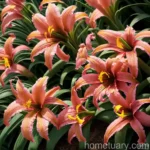
Hemerocallis ‘Fortune Berry’ is a stunning cultivar renowned for its deep purple flowers and lush green foliage. This daylily variety is valued for its vigorous growth, vibrant blooms, and exceptional adaptability, making it a sought-after choice for both amateur and seasoned gardeners.
Key Takeaways – Daylily ‘Fortune Berry’
Before diving into the specifics of the culture, care, and maintenance of Hemerocallis ‘Fortune Berry,’ it’s essential to highlight some key takeaways about this alluring plant:
- Scientific Name: Hemerocallis ‘Fortune Berry’
- Common Name: Daylily ‘Fortune Berry’
- Characteristics: Vigorous growth, deep purple flowers, lush green foliage
- Cultivar Type: Hybrid
- Uses: Ornamental, landscaping
- Water Needs: Moderate
- Sunlight Requirements: Full sun to partial shade
- Soil Preferences: Well-draining, fertile soil
- Growth Habit: Clumping
- Hardiness: Zones 3-9
- Disease Resistance: Moderate
- Pest Tolerance: Moderate
- Maintenance: Low
Now, let’s delve into the comprehensive care guide for cultivating and maintaining the captivating Hemerocallis ‘Fortune Berry.’
Culture
The successful cultivation of daylilies, including the striking ‘Fortune Berry’ cultivar, is dependent on understanding their cultural requirements. By providing the ideal growing conditions, you can ensure that these plants thrive and produce an abundant display of their enchanting blossoms.
Uses
- Ornamental Beauty: Daylilies, including ‘Fortune Berry,’ are primarily cherished for their ornamental value. Their vibrant flowers add splashes of color to gardens, borders, and landscapes, creating visually appealing displays.
- Landscaping: Daylilies are popular choices for landscaping projects, as they are versatile and can be used to create stunning borders, mass plantings, and mixed perennial beds.
Water
Proper watering is crucial for the health and vigor of daylilies, including the ‘Fortune Berry’ variety. While these plants are relatively drought-tolerant once established, they still require regular moisture, especially during the growing season and blooming period. Here are some key points to consider regarding watering daylily ‘Fortune Berry’:
- Frequency: Water daylilies deeply and infrequently, allowing the soil to dry out slightly between waterings. Aim to provide approximately 1 inch of water per week during the active growing season, adjusting based on local rainfall and temperature conditions.
- Mulching: Applying a layer of organic mulch around the base of the plants helps conserve moisture, regulate soil temperature, and suppress weed growth, benefiting the overall health of daylilies.
Sunlight
Daylilies thrive in bright, sunny conditions, although they can also tolerate partial shade. When selecting a planting site for ‘Fortune Berry’ daylilies, consider the following sunlight requirements:
- Full Sun: Ideally, position daylilies in locations that receive at least 6-8 hours of direct sunlight per day for optimal flowering and robust growth. However, they can adapt to partial shade, especially in regions with intense summer heat.
Fertilizer
Proper fertilization is essential for promoting healthy growth and abundant flowering in daylilies. By supplying the necessary nutrients, you can enhance the overall vigor and beauty of ‘Fortune Berry’ daylilies.
- Timing: Apply a balanced, granular fertilizer formulated for flowering perennials in early spring before the plants resume active growth. Additionally, a light application of fertilizer in mid-summer can encourage continued blooming.
- Application: Spread the fertilizer evenly around the plants, following the recommended rates on the product label. Water the area thoroughly after application to help the nutrients reach the root zone.
Soil
The quality and composition of the soil directly impact the growth and performance of ‘Fortune Berry’ daylilies. Understanding the soil preferences of these plants is crucial for creating an optimal growing environment.
- Well-Draining Soil: Daylilies prefer well-draining soil that allows excess moisture to escape, preventing waterlogged conditions that can lead to root rot.
- Fertile Soil: Rich, fertile soil with ample organic matter provides the necessary nutrients for robust growth and prolific flowering. Incorporating compost or well-decomposed organic matter into the soil prior to planting can improve its structure and fertility.
Pruning
Pruning daylilies, including the ‘Fortune Berry’ variety, is a simple task that can help maintain their neat appearance, remove spent flowers, and promote continued blooming. Here are some essential pruning guidelines for daylily ‘Fortune Berry’:
- Deadheading: Regularly remove spent flower stalks by cutting them back to the base of the plant. Deadheading not only improves the aesthetic appeal of the plants but also encourages the development of new blooms.
- Foliage Maintenance: Trim back any discolored or damaged foliage to maintain the overall health and appearance of the plants.
Propagation
Propagating daylilies, such as ‘Fortune Berry,’ allows you to expand your collection, share the plants with others, and rejuvenate crowded clumps. These perennials can be propagated through various methods, including division, seed sowing, and tissue culture. The most common and practical method for home gardeners is division, which involves separating the clumps of mature plants into smaller sections for replanting.
Division:
- Timing: The best time to divide daylilies is in early spring or late summer/early fall when the plants are not actively blooming.
- Process: To divide ‘Fortune Berry’ daylilies, carefully dig up the entire clump and use a sharp, clean knife to cut the clump into sections, ensuring that each division has healthy roots and multiple growing points (fans).
- Replanting: After dividing the clumps, replant the sections in prepared soil, water thoroughly, and provide ongoing care to promote establishment and new growth.
Container Popularity
While daylilies are often grown in garden beds and borders, they also perform well in containers, adding versatility to their uses in landscaping and gardening. ‘Fortune Berry’ daylilies can thrive in containers as long as their specific cultural needs are met.
Container Requirements:
- Size: Select a container that provides ample room for the root system of the daylilies. A large, deep container with drainage holes is ideal for accommodating their vigorous growth.
- Soil: Use a high-quality, well-draining potting mix tailored for perennial plants, ensuring adequate aeration and moisture retention.
- Watering: Container-grown daylilies may require more frequent watering than those in the ground, especially during hot, dry conditions. Monitor the moisture levels closely and water as needed to keep the soil consistently moist but not waterlogged.
Common Diseases
While daylilies are relatively resilient plants, they can be susceptible to certain diseases, including fungal infections and viral diseases. Understanding the common diseases that may affect ‘Fortune Berry’ daylilies is essential for proactive management and maintaining the plants’ health.
Disease Diagnosis:
- Leaf Spot: Symptoms include circular, dark lesions on the foliage, often surrounded by a yellow halo. Leaf spot is typically caused by fungal pathogens and can be managed through proper sanitation and fungicidal treatments.
- Rust: Rust infections manifest as small, reddish-brown pustules on the leaves, eventually leading to yellowing and premature dropping of foliage. Fungicidal treatments and removal of infected plant material can help control rust.
Common Pests
In addition to diseases, daylilies, including the captivating ‘Fortune Berry’ cultivar, can attract certain pests that may impact their growth and appearance. Identifying and addressing common pests promptly is crucial for preventing significant damage to the plants.
Pest Identification:
- Aphids: These small, soft-bodied insects feed on the sap of plants, causing distorted growth and yellowing of foliage. They can be controlled through insecticidal treatments or natural predators such as ladybugs.
- Thrips: Thrips are tiny, slender insects that can cause silvery or bronzed streaks on the leaves and flowers of daylilies. Insecticidal soap or horticultural oils can help manage thrips infestations.
Botanist’s Tips
As a plant scientist with a passion for daylilies, I have gathered some valuable tips for successfully cultivating ‘Fortune Berry’ daylilies and enhancing their beauty in the garden:
- Mulch Mindfully: Applying organic mulch around daylilies not only conserves moisture and suppresses weeds but also adds a decorative touch to the planting area. Consider using materials such as shredded bark, pine straw, or compost to accentuate the natural beauty of the plants.
- Deadheading Technique: When deadheading daylilies, grasp the spent flower stalk near the base and gently twist it, allowing it to detach cleanly from the plant without leaving a stub. This method helps maintain the overall appearance of the garden and reduces the likelihood of disease.
Fun Facts
- Did you know that daylilies are not actually lilies? Despite their common name, daylilies are not true lilies and belong to a distinct botanical genus, Hemerocallis.
- Daylily flowers are not only aesthetically pleasing but also edible! Certain daylily species and cultivars produce edible flowers that can be used to add a touch of color and flavor to culinary creations.
Links to External Resources
For further exploration and in-depth insight into daylily ‘Fortune Berry’ and related topics, consider the following external resources:
- American Daylily Society: https://www.daylilies.org/
- The Daylily Hybridizer’s Guide: https://www.daylilies.org/ahs_dictionary/hybridizers_guide.html
- Hemerocallis Culture and Usage: https://www.missouribotanicalgarden.org/PlantFinder/PlantFinderDetails.aspx?kempercode=d369
In conclusion, the allure and versatility of Hemerocallis ‘Fortune Berry’ make it a captivating addition to gardens, landscaping projects, and container displays. By understanding its cultural requirements, maintenance techniques, and potential challenges, you can cultivate these resilient plants with confidence, knowing that they will reward you with an abundance of stunning flowers and enduring beauty. Whether you are an avid gardener, landscape designer, or simply an admirer of natural beauty, the enchanting daylily ‘Fortune Berry’ is sure to leave a lasting impression and evoke a sense of wonder in every observer.