Date-palm (Phoenix Dactylifera)
The date-palm, scientifically known as Phoenix Dactylifera, is a quintessential symbol of bounty in arid regions, and its sweet, nutritious fruit has been.



The date-palm, scientifically known as Phoenix Dactylifera, is a quintessential symbol of bounty in arid regions, and its sweet, nutritious fruit has been cherished for centuries. This iconic plant has a rich history and holds significant cultural, economic, and ecological importance. Whether you are a gardening enthusiast, a horticulturist, or simply interested in learning about this remarkable plant, this comprehensive guide will provide you with an in-depth understanding of the date-palm, its cultivation, and its multifaceted significance.
What is Date-palm (Phoenix Dactylifera)?
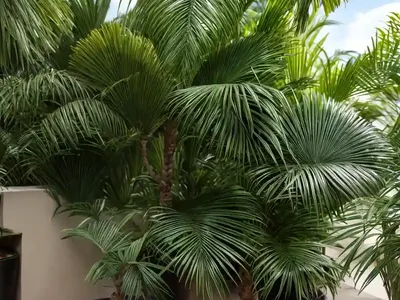
The date-palm, belonging to the Arecaceae family, is a flowering plant renowned for its towering, graceful stature and its prized fruit known as dates. Native to the Middle East, this palm species thrives in arid and semi-arid environments, including regions with hot climates and scarce water resources. The majestic appearance of the date-palm, adorned with lush fronds and clusters of pendant fruits, makes it a visually captivating addition to landscapes, gardens, and orchards.
The botanical features of the date-palm include a solitary, unbranched trunk that can reach impressive heights of up to 82 feet (25 meters). The leaves are pinnate, measuring around 13-20 feet (4-6 meters) in length, adding to the plant’s grandeur. The fruit, dates, develop in large clusters, each containing numerous individual fruits, also referred to as “date palms” or simply “dates”.
Dating back to ancient times, the date-palm has been cultivated for its nutritional, medicinal, and cultural significance. The sweet, succulent dates not only serve as a vital food source in arid regions but also hold symbolic and religious importance in various cultures. Additionally, the date-palm tree offers numerous environmental benefits, including soil stabilization, erosion control, and providing habitats for diverse wildlife.
Key Takeaways – Date-palm (Phoenix Dactylifera)
Before delving into the specifics of cultivating and caring for date-palms, let’s summarize the key takeaways:
- The date-palm, or Phoenix Dactylifera, is a towering, majestic palm species prized for its sweet and nutritious fruit known as dates.
- Native to the Middle East, the date-palm thrives in arid and semi-arid environments, making it well-suited for regions with hot climates and limited water resources.
- In addition to its culinary appeal, the date-palm holds significant cultural, ecological, and economic importance and has historical roots in ancient civilizations.
Now that we’ve gained a foundational understanding of the date-palm, let’s explore the essential elements of cultivating and caring for this iconic plant.
Culture
Cultivating date-palms requires a fundamental understanding of its cultural preferences, including its water, sunlight, and soil requirements. By creating an environment that mimics its native habitat, you can ensure the optimal growth and productivity of date-palms.
Uses
The date-palm, Phoenix Dactylifera, offers a myriad of uses, extending beyond its highly coveted fruit. Let’s delve into the various applications of this versatile plant:
-
Nutritional Value: The date fruit is a rich source of essential nutrients, including vitamins, minerals, and dietary fiber. From snacking to culinary applications, dates offer a healthy and flavorful addition to your diet.
-
Cultural and Symbolic Significance: In many cultures, the date-palm holds symbolic and religious importance. It is often associated with prosperity, abundance, and fertility and plays a prominent role in traditional celebrations and rituals.
-
Landscape Ornament: The striking appearance of the date-palm, with its towering trunk and graceful fronds, makes it a popular ornamental plant in landscaping, adding a touch of tropical elegance to gardens, parks, and urban spaces.
-
Traditional Medicine: In traditional medicinal practices, various parts of the date-palm, including the fruit, leaves, and sap, have been used to address ailments and promote overall well-being.
-
Economic Significance: The cultivation and trade of dates contribute significantly to the economies of regions where date-palms are grown, serving as a valuable export commodity.
-
Environmental Benefits: Date-palms play a pivotal role in environmental conservation, offering erosion control, soil stabilization, and providing habitats for diverse wildlife.
Water
Understanding the water requirements of date-palms is essential for fostering healthy growth and optimizing fruit production. While date-palms are renowned for their ability to thrive in arid environments, they still require adequate water to ensure their vitality and productivity.
-
Optimal Watering: Date-palms thrive in well-draining soil and benefit from deep, infrequent watering. In hot and dry climates, regular irrigation is crucial, especially during the growing season and fruit development.
-
Soil Moisture: It’s important to monitor the soil moisture level and ensure that the root zone remains consistently moist, without becoming waterlogged. Balanced irrigation practices play a pivotal role in the overall health of date-palms.
-
Water Stress: Excessive water stress can impact the fruit yield and quality of dates. Maintaining a consistent watering schedule, particularly during the hot and dry periods, is essential for promoting healthy growth and robust fruit production.
Sunlight
Proper exposure to sunlight is paramount for the vigorous growth and development of date-palms. Understanding their sunlight requirements allows you to create an optimal growing environment that fosters their overall well-being.
-
Full Sun: Date-palms thrive in full sun exposure, requiring at least 6-8 hours of direct sunlight daily. Placing them in a sunny location enables the plants to photosynthesize efficiently and develop sturdy, vibrant fronds.
-
Shading Considerations: While date-palms are well-adapted to sunny conditions, providing temporary shading during extreme heatwaves can prevent sunburn and heat stress, particularly for younger plants and newly transplanted specimens.
Fertilizer
Fertilizing date-palms is essential for providing them with the necessary nutrients to support healthy growth, robust foliage, and bountiful fruit production. By understanding their nutritional requirements, you can tailor a fertilizer regimen that aligns with their specific needs.
-
Nutrient Balance: Date-palms benefit from a balanced fertilizer formulation, preferably one tailored for palm trees or fruit-bearing plants. A blend rich in nitrogen, phosphorus, potassium, and micronutrients supports the overall vitality and productivity of date-palms.
-
Fertilization Schedule: Applying fertilizer in the early spring, late spring, and early summer coincides with the active growth and fruit development phases of date-palms. Avoiding excessive fertilization in the fall and winter helps prevent nutrient leaching and potential imbalances.
Soil
The soil composition and quality play a pivotal role in the successful cultivation of date-palms. By providing them with well-suited soil conditions and a proper planting environment, you can ensure their long-term health and productivity.
-
Well-Draining Soil: Date-palms thrive in well-draining, slightly acidic to alkaline soil with a pH range of 6.0 to 8.0. Amending heavy clay soil with organic matter or coarse sand enhances its drainage capacity, preventing waterlogging around the root zone.
-
Soil Structure: Ensuring a loose, friable soil structure promotes healthy root development and facilitates efficient water and nutrient uptake. Loamy or sandy loam soils provide an ideal growing medium for date-palms.
-
Nutrient Availability: Conducting soil tests periodically allows you to evaluate the nutrient levels and pH of the soil, aiding in the formulation of targeted fertilization and soil amendment strategies to optimize the growing conditions for date-palms.
Pruning
Pruning date-palms is vital for maintaining their aesthetic appeal, removing dead or diseased fronds, and managing their overall size. Proper pruning techniques are essential to promote the plant’s health, vigor, and safety.
-
Dead Frond Removal: Regularly removing dead or yellowing fronds minimizes the risk of pest infestations and enhances the plant’s visual appeal. Make clean cuts to the base of the frond to prevent unnecessary damage to the trunk.
-
Crown Cleaning: Thinning out the canopy and removing old, withered fronds from the crown area creates a tidier appearance and improves air circulation, reducing the likelihood of fungal infections and pest harborage.
Propagation
Understanding the propagation methods of date-palms enables you to expand your plant collection and preserve desirable cultivars. Whether you prefer seeds or offshoots, employing suitable propagation techniques is fundamental to ensuring successful establishment.
-
Offshoot Division: Propagating date-palms through offshoots, or “pups,” offers a reliable and efficient method of cloning the parent plant. Carefully dividing and transplanting the offshoots ensures their successful establishment and subsequent growth.
-
Seed Germination: Growing date-palms from seeds allows you to explore genetic diversity and potentially develop new cultivars. Pre-treating the seeds and providing optimal germination conditions is essential for successful seedling establishment.
Container Popularity
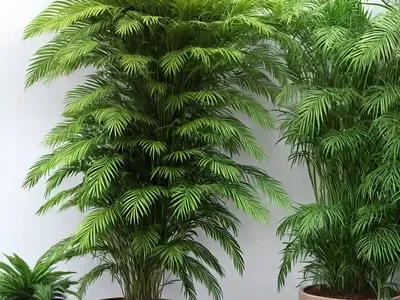
Cultivating date-palms in containers provides a versatile and visually striking addition to patios, balconies, or indoor spaces. The compact size and ornamental appeal of container-grown date-palms make them an enchanting feature in various settings.
Container Common Diseases
Date-palms in containers may be susceptible to certain diseases and disorders, ranging from fungal infections to nutritional deficiencies. Understanding the common issues that affect container-grown date-palms enables prompt intervention and effective management strategies.
-
Root Rot: Overly moist soil conditions in containers can predispose date-palms to root rot, caused by fungal pathogens. Employing well-draining potting mix and avoiding excessive watering mitigates the risk of root diseases.
-
Nutrient Deficiencies: Container-grown date-palms may exhibit symptoms of nutrient deficiencies, such as yellowing leaves or stunted growth. Supplementing with balanced fertilization and periodic soil testing helps maintain optimal nutrient levels for the plants.
Disease Diagnosis
Diagnosing and addressing diseases that affect date-palms is crucial for preserving their health and productivity. By recognizing the symptoms and understanding the disease cycle, you can implement targeted management approaches to mitigate the impact of diseases.
-
Fungal Pathogens: Various fungal diseases, such as Fusarium wilt and Bud Rot, can affect date-palms. Providing proper ventilation, avoiding overhead irrigation, and applying fungicidal treatments as needed are pivotal in managing fungal diseases.
-
Pest Infestations: Insects and mites can pose a threat to date-palms in certain geographic regions. Monitoring for pest activity and implementing integrated pest management (IPM) practices help prevent and control infestations.
Common Pests
Date-palms may face potential threats from pests that feed on their foliage, sap, or fruits. Identifying and addressing pest infestations in a timely manner is crucial for preserving the overall health and vigor of the plants.
-
Date Palm Scale: Scale insects can colonize the trunk and fronds of date-palms, sapping their nutrients and causing aesthetic damage. Employing horticultural oils or insecticidal soaps assists in managing scale infestations effectively.
-
Date Palm Spider Mite: Spider mites can inflict damage to the foliage of date-palms, leading to leaf stippling and discoloration. Utilizing miticides and implementing cultural practices, such as maintaining adequate humidity levels, aids in controlling spider mite populations.
Botanist’s Tips
As a plant enthusiast, incorporating the following tips into your date-palm cultivation practices optimizes the growth, vigor, and overall success of your plants.
-
Routine Maintenance: Regularly inspecting your date-palms for signs of pests, diseases, or nutritional deficiencies allows you to intervene promptly and prevent potential issues from escalating.
-
Weather Considerations: Being mindful of weather fluctuations and extreme conditions, such as heatwaves or cold spells, enables you to implement protective measures to safeguard your date-palms.
-
Soil Amendments: Periodically amending the soil with organic matter and beneficial microbes fosters a healthy soil ecosystem, supporting the robust growth and vitality of date-palms.
-
Cultural Significance: Embracing the cultural and historical significance of date-palms enhances your appreciation for these remarkable plants, deepening your connection to their timeless legacy.
Fun Facts
Delving into the intriguing world of date-palms reveals captivating and remarkable facts that add depth to your understanding and appreciation of this iconic plant.
-
The date-palm is often referred to as the “tree of life” due to its multitude of practical uses, including food, construction materials, and medicinal applications.
-
The longevity of date-palms is astounding, with some specimens living for several centuries, showcasing their resilience and enduring presence in arid landscapes.
-
Date-palms hold significant cultural importance, featuring prominently in folklore, traditions, and religious practices across various civilizations and belief systems.
By incorporating these botanist’s tips and fun facts into your knowledge base, you gain a holistic perspective on the fascinating world of date-palms and their multifaceted significance.
Links to External Resources
For further exploration of date-palms, their cultivation, and their historical and cultural significance, consider the following external resources:
- Royal Botanic Gardens, Kew – The Date Palm: from Traditional Resource to Green Wealth
- Food and Agriculture Organization of the United Nations – Date Palm
- The Date Palm and Its Cultivation in the Punjab (Book)
By consulting these reputable resources, you can deepen your understanding of date-palms and explore additional insights into their captivating world.
In conclusion, the date-palm, Phoenix Dactylifera, stands as an emblem of resilience, abundance, and cultural significance, captivating the hearts and minds of people across diverse landscapes and civilizations. By embracing the art of cultivating and caring for date-palms, you partake in a timeless tradition that celebrates the enduring legacy and practical applications of this extraordinary plant. Whether you seek to incorporate date-palms into your landscape, savor their luscious fruits, or simply marvel at their majestic presence, this guide equips you with the knowledge and inspiration to embark on a captivating journey into the enchanting realm of date-palms.
Remember to embrace the wisdom of the date-palm, appreciating its historical roots, its bountiful offerings, and its enduring impact on the tapestry of human culture and the natural world. As you embark on this botanical adventure, may the date-palm illuminate your days with its timeless allure and enrich your journey as a guardian of these timeless treasures in the garden of life.