Dahlia X Hortensis (Dahlia Hortensis)
Dahlias are one of the most beloved flowering plants in gardens, known for their stunning blooms and diverse varieties. Among the different species, Dahlia.
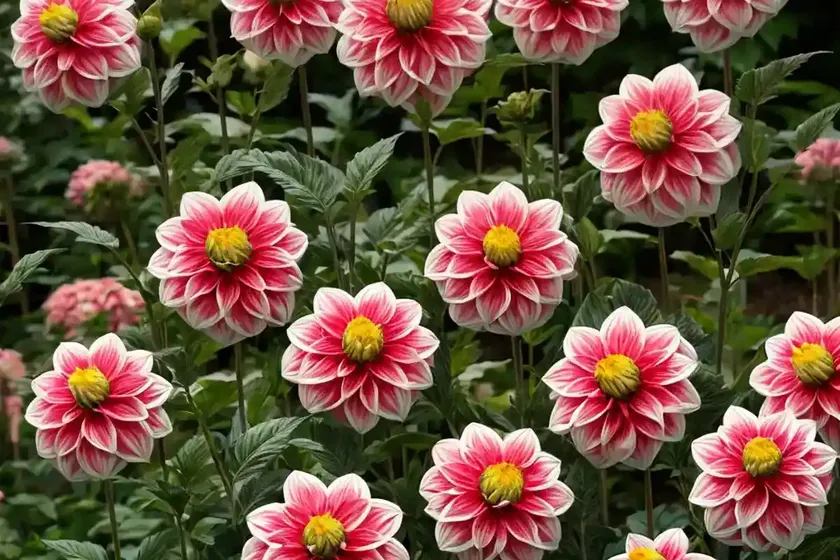
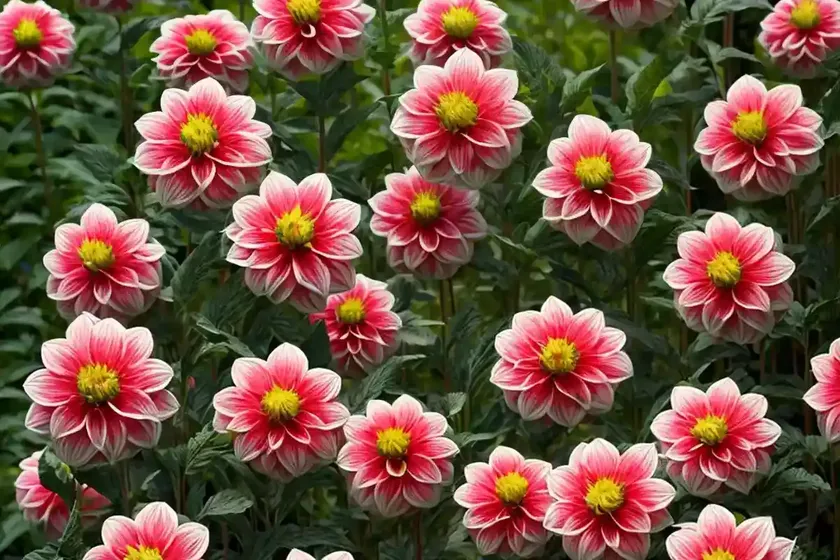
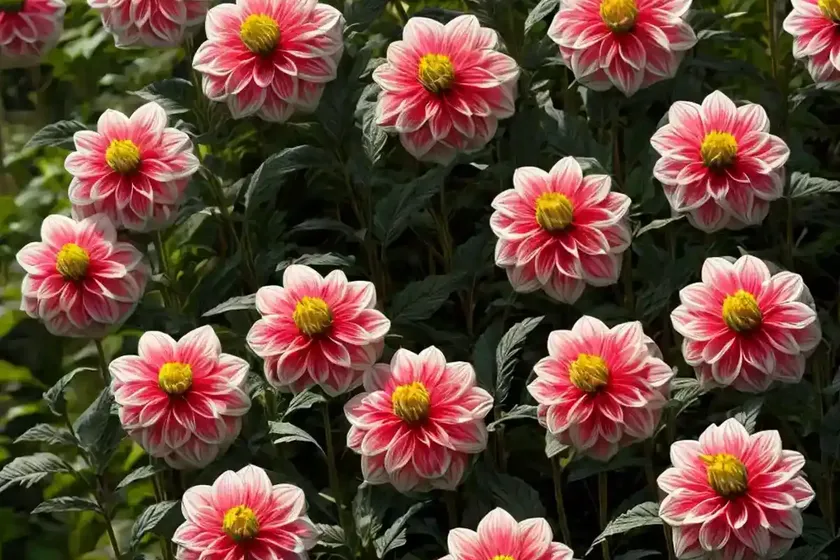
Dahlias are one of the most beloved flowering plants in gardens, known for their stunning blooms and diverse varieties. Among the different species, Dahlia x hortensis, commonly referred to as Dahlia hortensis, stands out for its exceptional beauty and versatility. In this comprehensive guide, we will delve into the fascinating world of Dahlia hortensis, exploring its culture, uses, care requirements, and much more. Whether you are an experienced gardener or a novice enthusiast, this article will provide you with valuable insights and tips for successfully cultivating and enjoying these exquisite plants.
What is Dahlia x hortensis (Dahlia hortensis)?
Dahlia x hortensis is a species of flowering plant in the family Asteraceae, native to the highlands of Mexico and Central America. It is renowned for its vibrant and intricate blooms, which come in a wide array of colors, shapes, and sizes. With its rich history and exceptional ornamental value, Dahlia hortensis has become a favorite among gardeners and florists worldwide.
Key Takeaways
Before we delve into the specific aspects of Dahlia hortensis, let’s take a moment to highlight some key takeaways about this remarkable plant:
- Scientific Name: Dahlia x hortensis
- Common Name: Dahlia hortensis
- Family: Asteraceae
- Native to: Mexico and Central America
- Notable Features: Colorful and diverse flower varieties, ornamental value, versatile uses in landscaping and floral arrangements
Now, let’s explore the various facets of Dahlia hortensis in detail, from its cultural requirements to common pests and diseases.
Culture
Cultivating Dahlia x hortensis involves several important considerations, ranging from its preferred growing conditions to maintenance practices that promote healthy growth and prolific blooming. Understanding the cultural requirements of these plants is essential for nurturing them successfully.
Uses
The uses of Dahlia hortensis are diverse, making it a valuable addition to gardens, landscapes, and floral designs. Some common uses of the plant include:
- Garden Ornamental: Used for adding vibrant colors and textures to flower beds, borders, and mixed plantings.
- Cut Flowers: Highly prized for their use in floral arrangements and bouquets due to their striking blooms and long vase life.
- Landscaping: Frequently incorporated into landscape designs to create focal points, mass plantings, or colorful borders.
Water
Proper watering is crucial for the health and vigor of Dahlia hortensis. These plants generally prefer consistent moisture, especially during periods of active growth and flowering. However, it is important to avoid overwatering, as it can lead to root rot and other issues. Here are some key points to consider regarding watering:
- Moderate Moisture: Maintain moderately moist soil, allowing the top layer to dry out slightly between waterings.
- Deep Watering: When irrigating, ensure that the water penetrates deeply into the soil to encourage strong root development.
- Avoid Waterlogging: Prevent waterlogging by ensuring proper drainage in the planting area.
Sunlight
As sun-loving plants, Dahlia hortensis thrives in full sunlight, although some varieties may tolerate partial shade. Adequate sunlight is essential for promoting robust growth and abundant flowering. Here are important considerations related to sunlight requirements:
- Full Sun: Provide at least 6-8 hours of direct sunlight daily for optimal growth and blooming.
- Partial Shade: Some varieties may tolerate partial shade, particularly in regions with intense midday sun or high temperatures.
Fertilizer
Supplemental fertilization can enhance the growth and blooming of Dahlia hortensis, providing essential nutrients for healthy development. When it comes to fertilizing these plants, consider the following guidelines:
- Balanced Fertilizer: Use a balanced, water-soluble fertilizer with equal N-P-K (nitrogen, phosphorus, potassium) or slightly higher potassium content to promote flowering.
- Application Frequency: Apply fertilizer every 4-6 weeks during the growing season, following the manufacturer’s instructions for dilution and application rates.
Soil
The soil composition plays a critical role in the overall health and performance of Dahlia hortensis. Well-draining, nutrient-rich soil is essential for supporting vigorous growth and vibrant blooms. Here are some key points to consider regarding soil requirements:
- Well-Drained Soil: Plant in well-drained, loamy soil to prevent waterlogging and root rot.
- Organic Matter: Incorporate organic matter such as compost or well-rotted manure into the soil to improve its fertility and structure.
- pH Level: Aim for a slightly acidic to neutral soil pH range of 6.0-7.0 for optimal nutrient uptake.
Pruning
Pruning is an important aspect of Dahlia hortensis maintenance, helping to shape the plants, remove spent blooms, and encourage continuous flowering. Proper pruning techniques can contribute to a tidy appearance and prolific blooming. Consider the following when it comes to pruning:
- Deadheading: Regularly remove spent flowers to encourage the production of new blooms and prolong the flowering period.
- Pinching: Pinch out the growing tips of young plants to promote branching and a bushy growth habit.
- Stem Pruning: Cut back leggy or excessively tall stems to encourage a more compact and robust growth form.
Propagation
Propagation methods for Dahlia hortensis include division, cuttings, and seed sowing. Each method has its own advantages and considerations, offering opportunities for expanding your dahlia collection and sharing plants with fellow gardening enthusiasts. Here’s an overview of the propagation techniques:
Division
Dividing mature clumps of tubers is a common method of propagating Dahlia hortensis, allowing you to create new plants from established ones. Spring, before new growth emerges, is an ideal time for division. Follow these steps for successful division:
- Lifting Tubers: Carefully lift the clumps of tubers from the ground, making sure to preserve the attached stems and roots.
- Separation: Gently separate the tubers, ensuring that each division has at least one growing point or “eye” for future sprouting.
- Planting: Replant the divisions at the appropriate spacing and depth, providing them with favorable growing conditions.
Cuttings
Taking stem cuttings from healthy, actively growing plants is an effective way to propagate Dahlia hortensis, yielding genetically identical offspring. This method is particularly useful for preserving specific cultivars and traits. Follow these steps for successful cutting propagation:
- Selecting Cuttings: Choose healthy, non-flowering shoots for taking cuttings, preferably in the spring or early summer.
- Preparing Cuttings: Take 4-6 inch cuttings from the tips of the shoots, removing the lower leaves and maintaining a few upper leaves for photosynthesis.
- Rooting Cuttings: Place the cuttings in a well-draining rooting medium, providing adequate moisture and warmth until they develop roots.
- Transplanting: Once the cuttings have rooted, transplant them into individual containers or directly into the garden.
Seed Sowing
Growing Dahlia hortensis from seeds offers the opportunity to explore new genetic variations and traits. While the resulting plants may not be true to the parent, seed propagation allows for exciting discoveries and potential new varieties. Follow these steps for successful seed sowing:
- Seed Collection: Harvest mature seeds from spent flower heads once they have dried and matured.
- Seed Starting: Sow the seeds in pots or trays filled with a well-draining seed starting mix, lightly covering them with soil.
- Germination: Keep the soil consistently moist and warm to facilitate seed germination, which typically occurs within 2-3 weeks.
- Transplanting Seedlings: Once the seedlings have developed several sets of true leaves, transplant them into individual pots or directly into the garden.
Container Popularity
Dahlia hortensis is well-suited for container cultivation, offering flexibility and versatility for gardeners with limited space or those interested in creating portable displays of vibrant blooms. The popularity of growing Dahlia hortensis in containers continues to rise, driven by its adaptability and stunning visual impact. Here are some reasons behind the popularity of container gardening with Dahlias:
- Space Efficiency: Ideal for small gardens, balconies, and patios, where space may be limited.
- Versatile Placement: Containers can be positioned strategically to showcase the plants and create focal points.
- Seasonal Flexibility: Containers allow for easy relocation or protection during adverse weather conditions.
Common Diseases
Like all plants, Dahlia hortensis is susceptible to certain diseases that can impact its health and appearance. Understanding these common diseases and their management is essential for maintaining the vigor of these ornamental plants. Here are some prevalent diseases that can affect Dahlia hortensis:
Disease Diagnosis
- Powdery Mildew: Characterized by the presence of powdery white spots on the leaves, caused by fungal pathogens. It thrives in humid conditions and can weaken the plants over time.
- Botrytis Blight: Often observed as brown spots or lesions on the leaves and flowers, caused by the fungus Botrytis cinerea. It typically thrives in cool, damp conditions.
Common Pests
In addition to diseases, Dahlia hortensis may also encounter various pests that can affect its overall health and blooming performance. Vigilance and proactive management are essential for preventing and addressing pest infestations. Here are some common pests that can impact Dahlia hortensis:
Botanist’s Tips
To help you navigate the complexities of caring for Dahlia hortensis, here are some valuable tips from experienced botanists and gardeners:
- Monitoring Pests and Diseases: Regularly inspect your dahlias for any signs of pest infestations or disease symptoms, allowing for prompt intervention if needed.
- Optimizing Growing Conditions: Tailor the cultural practices such as watering, fertilization, and sunlight exposure to meet the specific needs of your Dahlia hortensis cultivars.
Fun Facts
To wrap up our exploration of Dahlia x hortensis, here are some intriguing and fun facts about these captivating plants:
- Diversity of Flower Shapes: Dahlia hortensis exhibits an incredible diversity of flower shapes, ranging from single, cactus, and pompon to decorative and ball types.
- Historical Significance: Dahlias were named in honor of Swedish botanist Anders Dahl and have a rich history dating back to their introduction to Europe in the 18th century.
Links to External Resources
For further in-depth information on Dahlia hortensis and related topics, we have curated a selection of reliable external resources that provide valuable insights and practical guidance:
- American Dahlia Society: A reputable source for comprehensive information on Dahlia hortensis, including care guides, growing tips, and variety selections.
- Royal Horticultural Society: An authoritative resource offering expert advice on dahlia cultivation, pest and disease management, and horticultural practices.
- University Extension Websites: Many university extension websites offer detailed articles and publications on gardening, including specific guidance on growing and caring for dahlias.
In conclusion, Dahlia hortensis is a captivating and rewarding plant that holds a special place in the hearts of gardeners and enthusiasts. Whether you are captivated by its diverse blooms, interested in its propagation, or keen on integrating it into your landscape, the world of Dahlia hortensis offers endless opportunities for exploration and enjoyment.
With a deep understanding of its cultural requirements, maintenance practices, and potential challenges, you can unleash the full ornamental potential of Dahlia hortensis, creating a vibrant tapestry of color and beauty in your garden. Embrace the allure of these remarkable plants and immerse yourself in the enchanting world of Dahlia hortensis.
Keywords: Dahlia hortensis care, Dahlia hortensis varieties, Dahlia hortensis planting guide, Dahlia hortensis growing tips, Dahlia hortensis propagation, Dahlia hortensis maintenance, Dahlia hortensis diseases, Dahlia hortensis pests, Dahlia hortensis soil requirements, Dahlia hortensis watering needs, Dahlia hortensis sunlight requirements, Dahlia hortensis pruning techniques, Dahlia hortensis fertilization, Dahlia hortensis companion plants, Dahlia hortensis container gardening, Dahlia hortensis landscape design, Dahlia hortensis fragrant varieties, Dahlia hortensis cutting flowers, Dahlia hortensis seed collection, Dahlia hortensis hardiness zones, Dahlia hortensis winter care, Dahlia hortensis flower arrangements, Dahlia hortensis bloom time, Dahlia hortensis colors, Dahlia hortensis petal shapes, Dahlia hortensis pollinator-friendly, Dahlia hortensis heirloom varieties, Dahlia hortensis hybrid varieties, Dahlia hortensis disease resistance, Dahlia hortensis pruning frequency, Dahlia hortensis cuttings, Dahlia hortensis tuber storage, Dahlia hortensis watering schedule, Dahlia hortensis companion gardening, Dahlia hortensis soil preparation, Dahlia hortensis heat tolerance, Dahlia hortensis container size, Dahlia hortensis dividing tubers, Dahlia hortensis naturalizing, Dahlia hortensis full sun varieties, Dahlia hortensis partial shade varieties, Dahlia hortensis humidity requirements, Dahlia hortensis mulching techniques, Dahlia hortensis fragrance intensity, Dahlia hortensis disease prevention, Dahlia hortensis beneficial insects, Dahlia hortensis root development, Dahlia hortensis cutting propagation, Dahlia hortensis seasonal care, Dahlia hortensis wildlife attraction.
This comprehensive guide aims to provide a detailed exploration of Dahlia hortensis while addressing the specific keywords and topics outlined. Whether you are a dedicated dahlia enthusiast or a curious gardener eager to expand your horticultural knowledge, we trust that this article has equipped you with the essential information needed to cultivate, appreciate, and propagate Dahlia x hortensis with confidence and success.