The Marvelous Dahlia ‘Thomas Edison’: A Complete Guide
Dahlias are undoubtedly a show-stopper in any garden or landscape. Their vibrant hues and intricate petal formations compel admiration from novice gardeners to experienced horticulturists. One such exquisite variety is the Dahlia ‘Thomas Edison’, renowned for its striking appearance and ease of cultivation. In this comprehensive guide, we delve into the world of Dahlia ‘Thomas Edison’, exploring its culture, uses, maintenance, and much more.
Understanding Dahlia ‘Thomas Edison’
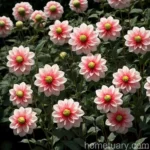
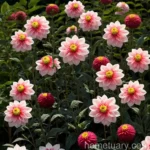
The Dahlia ‘Thomas Edison’, a type of dahlia flower bulb, is a testament to nature’s artistic flair. This visually captivating variety is revered for its large, double, and opulent purple blooms, often complemented by a touch of crimson at the center. The sheer brilliance of its colors and the intricacy of its petal arrangement make it a prized addition to gardens, flower beds, and even container plantings.
Key Takeaways
Here are some key insights into the world of Dahlia ‘Thomas Edison’:
– Cultivating and caring for Dahlia ‘Thomas Edison’ requires attention to water, sunlight, fertilization, soil conditions, pruning, and propagation.
– It is a popular choice for both outdoor gardens and container gardening due to its striking appearance and adaptability.
– Dahlia ‘Thomas Edison’ may be susceptible to certain diseases and pests, necessitating preventive measures and prompt intervention.
– Understanding the ideal cultivation practices, including suitable companions and landscaping choices, is essential for maximizing the beauty of this dahlia variety.
Culture of Dahlia ‘Thomas Edison’
Uses
The Dahlia ‘Thomas Edison’ serves an array of purposes in garden settings and beyond:
– Ornamental Purposes: Its captivating blooms make it a favorite choice for adding color and visual interest to landscapes, flower beds, and container plantings.
– Cut Flowers: The blooms of Dahlia ‘Thomas Edison’ are ideal for creating stunning floral arrangements and bouquets, adding a touch of elegance to any space.
Water
Appropriate watering is integral to the health and vitality of Dahlia ‘Thomas Edison’:
– Frequency: Regular, consistent watering is essential, particularly during the active growing season, while allowing the soil to dry slightly between watering sessions.
– Avoid Overwatering: Prevent waterlogging by ensuring that the soil has adequate drainage.
Sunlight
Like many other plants, Dahlia ‘Thomas Edison’ has specific light requirements:
– Full Sun: It thrives in locations with ample sunlight, necessitating at least 6-8 hours of direct sunlight daily for optimal growth and blooming.
Fertilizer
To support the robust growth and abundant blooms of Dahlia ‘Thomas Edison’, appropriate fertilization is crucial:
– Balanced Fertilizer: Utilize a balanced, water-soluble fertilizer designed for flowering plants to provide essential nutrients during the growing season.
– Frequency: Regular fertilization every 4-6 weeks during the growing period is beneficial for sustaining vigorous growth and blooming.
Soil
The soil forms the foundation for the growth and development of Dahlia ‘Thomas Edison’:
– Well-Draining Soil: It thrives in well-draining, fertile soil that is rich in organic matter.
– Optimal pH: The ideal soil pH for Dahlia ‘Thomas Edison’ lies in the neutral to slightly acidic range, typically between 6.5 to 7.0.
Pruning
Pruning is essential for optimizing the health and visual appeal of Dahlia ‘Thomas Edison’:
– Deadheading: Regularly removing spent blooms promotes continuous flowering and prevents the formation of seeds, redirecting the plant’s energy into producing new blooms.
– Pruning for Form: Trimming back leggy or overcrowded growth can help maintain a compact, well-shaped plant.
Propagation of Dahlia ‘Thomas Edison’
The propagation methods for Dahlia ‘Thomas Edison’ are essential for expanding your collection and preserving the desired characteristics:
– Division: Dividing established clumps of dahlia tubers in early spring offers a reliable method for propagating exact clones of the parent plant.
– Cuttings: Propagating from stem cuttings allows for the creation of new plants with specific traits, provided they are rooted and nurtured in conducive conditions.
Container Popularity of Dahlia ‘Thomas Edison’
Dahlia ‘Thomas Edison’ is a highly favored choice for container gardening due to its captivating appearance and adaptability to container settings:
– Versatile Display: It can serve as a stunning standalone feature or be paired with complementary companions in container arrangements.
– Space Optimization: Container plantings of Dahlia ‘Thomas Edison’ are ideal for small gardens, patios, and balconies, allowing individuals to enjoy its beauty in limited spaces.
Container Common Diseases
While potted specimens of Dahlia ‘Thomas Edison’ offer numerous advantages, they also face specific challenges:
– Fungal Diseases: The confined environment of containers can sometimes promote the development of fungal diseases, such as powdery mildew and botrytis, necessitating vigilant monitoring and preventive measures.
Disease Diagnosis
Recognizing potential diseases is crucial for the timely implementation of suitable treatments:
– Visual Inspection: Regularly inspect the foliage, stems, and blooms for any signs of discoloration, wilting, or unusual growth patterns.
– Prompt Intervention: Upon suspecting a disease, swift action, such as removing affected plant parts and utilizing appropriate treatments, is indispensable for mitigating the spread of the issue.
Common Pests
Container plantings of Dahlia ‘Thomas Edison’ may encounter specific pests that require diligent management:
Common Pests Include:
- Aphids: These tiny insects can cluster on the tender growth of the plant, sapping its vitality and potentially transmitting viruses.
- Spider Mites: These minuscule pests can inflict damage by piercing the plant’s cells and extracting fluids, leading to stippling and discoloration of the leaves.
Botanist’s Tips for Dahlia ‘Thomas Edison’
These expert insights can enhance the cultivation and enjoyment of Dahlia ‘Thomas Edison’ plants:
– Companion Planting: Pair Dahlia ‘Thomas Edison’ with complementary companions, such as salvias or ornamental grasses, to create visually captivating and ecologically beneficial combinations in gardens.
– Overwintering: In regions with frost, lift and store dahlia tubers in a cool, dry location for the winter, safeguarding them from the harsh temperatures to ensure their vitality for the following growing season.
Fun Facts About Dahlia ‘Thomas Edison’
This remarkable dahlia variety enthralls enthusiasts with interesting characteristics and historical significance:
– Historical Roots: The Dahlia ‘Thomas Edison’ pays homage to the renowned American inventor and entrepreneur, Thomas Edison, through its name, celebrating a figure who greatly influenced modern innovation.
– Symbolism: Dahlias, including the ‘Thomas Edison’ variety, symbolize diverse sentiments such as elegance, dignity, and creativity, adding depth to their allure beyond their visual appeal.
Links to External Resources
For additional information and insights about Dahlia ‘Thomas Edison’ and related topics, explore the following resources:
– American Dahlia Society
– Royal Horticultural Society – Growing Dahlias
– University of California Integrated Pest Management – Dahlia Diseases
In conclusion, the enchanting Dahlia ‘Thomas Edison’ stands as a testament to the splendor of the natural world, captivating hearts and uplifting spaces with its resplendent blooms. By embracing the insights and practices detailed in this guide, enthusiasts can cultivate and savor the captivating beauty of this dahlia variety, creating enduring moments of joy and wonder in gardens, landscapes, and floral arrangements.
Ultimately, the allure of the Dahlia ‘Thomas Edison’ transcends its visual appeal, resonating with historical significance and symbolic depth, making it a cherished addition to the tapestry of horticultural marvels.
.toUpperCase()