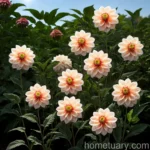
The Magnificent and Versatile Dahlia ‘Pooh’: A Comprehensive Guide to Cultivation and Care

Dahlias are renowned for their stunning and diverse range of colorful blooms. Among the myriad of dahlia varieties, one particularly captivating cultivar is the Dahlia ‘Pooh.’ This delightful plant boasts vibrant petals and is a popular choice for cutting gardens, container arrangements, and landscape designs. In this comprehensive guide, we will delve into the world of Dahlia ‘Pooh,’ exploring its cultivation, care, and various applications.
What is a Dahlia?
Dahlias belong to the Asteraceae family, which encompasses a remarkable array of flowering plants. These plants are native to the highlands of Mexico and Central America, where they thrive in the temperate climates and rich volcanic soils. Over the years, through meticulous breeding and selection, numerous dahlia varieties have emerged, each with its unique characteristics and allure.
Dahlia ‘Pooh’ is a member of this diverse family, renowned for its striking, semi-double to fully double blossoms and compact growth habit. The plant typically reaches a height of 18-24 inches, making it an excellent choice for gardens of all sizes.
Key Takeaways
Dahlia ‘Pooh’
- Latin Name: Dahlia ‘Pooh’
- Plant Type: Perennial
- Bloom Time: Midsummer to Frost
- Height: 18-24 inches
- Hardiness: USDA Zones 8-10
Culture
Uses
Dahlia ‘Pooh’ serves various purposes, enriching both outdoor landscapes and indoor arrangements. Its uses include:
– Cut Flower Gardens: The stunning blooms of Dahlia ‘Pooh’ make it an excellent choice for cut flower production, adding a burst of color to floral arrangements.
– Container Gardening: Due to its compact size and prolific flowering, Dahlia ‘Pooh’ enhances the beauty of container gardens, patios, and balconies.
– Landscape Design: Incorporating Dahlia ‘Pooh’ into garden beds, borders, and mixed perennial plantings creates vibrant and visually captivating landscapes.
– Gift Plant: The charm and allure of its blossoms make Dahlia ‘Pooh’ a popular choice as a gift plant for special occasions and celebrations.
Water
Proper watering is crucial for the health and vitality of Dahlia ‘Pooh.’ Here are some essential tips for addressing the watering needs of this plant:
– Consistency: Maintain regular watering, ensuring that the soil remains moist but not waterlogged, particularly during periods of active growth and flowering.
– Deep Watering: When irrigating, water deeply to encourage the development of a robust root system, thereby enhancing the plant’s overall resilience and productivity.
– Mulching: Apply a layer of organic mulch around the base of the plant to conserve soil moisture and suppress weed growth, contributing to improved water retention.
Sunlight
In terms of sunlight requirements, Dahlia ‘Pooh’ thrives under specific conditions:
– Full Sun: Place Dahlia ‘Pooh’ in locations that receive ample sunlight, preferably a minimum of 6-8 hours per day, for optimal growth and prolific blooming.
– Shade Tolerance: While partial shade can be tolerated, prolonged exposure to shade may lead to reduced flowering and overall vigor. Ensure that the plant receives adequate light to support its energetic growth and blooming cycle.
Fertilizer
Applying appropriate fertilizer is vital for nurturing the growth and flowering potential of Dahlia ‘Pooh.’ Consider the following guidelines:
– Balanced Fertilizer: Utilize a balanced, water-soluble fertilizer with a formulation such as 10-10-10 or 20-20-20 to provide essential nutrients for robust growth and abundant blossoms.
– Application Frequency: Feed Dahlia ‘Pooh’ every 2-3 weeks during the growing season, adjusting the frequency and dosage based on the specific fertilizer’s instructions and the plant’s response.
– Avoid Overfertilization: Exercise caution to prevent overfertilization, which can lead to excessive foliage growth at the expense of flowering. Follow the recommended application rates to maintain a healthy balance.
Soil
The soil composition significantly impacts the overall health and performance of Dahlia ‘Pooh.’ Consider these soil-related guidelines:
– Well-Draining Soil: Plant Dahlia ‘Pooh’ in well-draining, fertile soil to promote optimal root development and prevent the risk of waterlogged conditions that may lead to root rot and other issues.
– pH Levels: Aim for a slightly acidic to neutral soil pH range of 6.5-7.0, which supports efficient nutrient uptake and root health, contributing to the plant’s overall vigor.
– Amendment: Prior to planting, enrich the soil with organic matter such as compost or well-rotted manure to improve its structure, fertility, and moisture retention capacity.
Pruning
Pruning plays a vital role in the maintenance and enhancement of Dahlia ‘Pooh,’ ensuring its continued vigor and flowering. Here are key pruning practices to consider:
– Deadheading: Regularly remove spent blooms to encourage continuous flowering and prevent the formation of seeds, redirecting the plant’s energy toward the production of new blossoms.
– Thinning: To promote air circulation and reduce the risk of disease, thin out crowded or congested stems and branches to maintain a balanced and open growth habit.
– Winter Pruning: In regions where frost occurs, prune Dahlia ‘Pooh’ in late autumn after the first frost, cutting back the foliage to ground level and applying a layer of mulch to protect the plant during winter dormancy.
Propagation
Propagation enables the multiplication and dissemination of Dahlia ‘Pooh,’ allowing gardeners to expand their collection and share the plant’s beauty. Consider the following propagation methods:
– Division: Divide mature clumps of Dahlia ‘Pooh’ in early spring as new growth emerges, ensuring that each division contains viable tubers or tuberous roots with sufficient buds for new plant development.
– Cuttings: Propagate Dahlia ‘Pooh’ through stem cuttings taken from actively growing shoots, ensuring the use of sharp, sterilized tools for precise and clean cuts to enhance the rooting success rate.
Container Popularity
The compact size and vibrant blooms of Dahlia ‘Pooh’ make it an eminent choice for container gardening. Its popularity in container plantings stems from the plant’s suitability for various settings, including:
– Patios and Balconies: Enhance outdoor living spaces with the visual appeal of Dahlia ‘Pooh,’ creating eye-catching container displays and focal points to enliven the surroundings.
– Urban Gardens: In urban and suburban environments with limited garden space, container plantings featuring Dahlia ‘Pooh’ offer an opportunity to introduce color and elegance to compact outdoor areas.
– Seasonal Displays: Utilize Dahlia ‘Pooh’ in seasonal container arrangements, incorporating complementary plants and foliage to create captivating displays throughout the year.
Common Diseases
Dahlia ‘Pooh’ is susceptible to certain diseases that can impact its health and flowering performance. Familiarize yourself with common diseases and their management strategies:
Disease Diagnosis
- Powdery Mildew: Recognized by the development of a white, powdery coating on the leaves and stems, powdery mildew can be managed through cultural practices, such as promoting air circulation and utilizing fungicidal treatments when necessary.
- Botrytis Blight: Symptoms include the appearance of grayish-brown spots and fuzzy growth on the foliage and flowers. Implement proper sanitation and ensure adequate ventilation to minimize the risk of botrytis blight.
- Root Rot: Excessive soil moisture and poor drainage can lead to root rot, characterized by wilting, yellowing foliage, and decayed roots. Address soil drainage issues and avoid overwatering to prevent the development of root rot.
Common Pests
Pests pose a potential threat to the health and aesthetics of Dahlia ‘Pooh.’ Stay vigilant for the presence of common pests and implement suitable pest control measures:
1. Aphids: These small, sap-sucking insects can cause distorted growth and reduce plant vigor. Use insecticidal soaps or horticultural oils to manage aphid infestations while preserving beneficial insects.
2. Spider Mites: Spider mites may cluster on the undersides of leaves, causing stippling and discoloration. Employ water sprays and natural predators such as predatory mites to control spider mite populations.
Botanist’s Tips
Fun Facts
Dahlia ‘Pooh’ is a fascinating plant with rich history and intriguing attributes. Consider the following fun and captivating facts about this charismatic cultivar:
– Origin: The name “Pooh” reflects the warm, honey-colored tones of the plant’s blooms, evoking a sense of brightness and joy, akin to the beloved literary character Winnie the Pooh.
– Horticultural Significance: Dahlia ‘Pooh’ is celebrated for its exceptional flower form, appealing to enthusiasts and florists for its use in diverse floral arrangements and event decorations.
– Butterfly Magnet: The vibrant blooms of Dahlia ‘Pooh’ attract various pollinators, including butterflies and bees, contributing to the ecological value and beauty of the plant in garden settings.
Links to External Resources
For further in-depth information and resources related to Dahlia ‘Pooh,’ explore the following external links:
1. American Dahlia Society
2. Royal Horticultural Society – Dahlia Care Guide
In this comprehensive guide, we have delved into the world of Dahlia ‘Pooh,’ exploring its cultivation, care, and various applications. With the knowledge and insights provided, you can embark on a rewarding journey of successfully growing and appreciating the beauty of this remarkable dahlia variety. Whether gracing garden borders with its vibrant blooms or adding a touch of elegance to floral arrangements, Dahlia ‘Pooh’ stands as a captivating and versatile choice for plant enthusiasts and gardening aficionados.