The Stunning Dahlia ‘Penhill Watermelon’
As a plant scientist, I have always been captivated by the immense diversity and beauty of the plant kingdom. Among the many exquisite plants that grace our gardens, the Dahlia ‘Penhill Watermelon’ stands out with its vibrant watermelon-hued blooms and elegant appearance. In this comprehensive guide, we will delve into the captivating world of the Dahlia ‘Penhill Watermelon’, exploring its culture, uses, propagation, common diseases, and much more.
What is the Dahlia ‘Penhill Watermelon’?
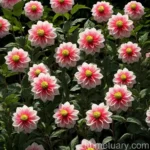
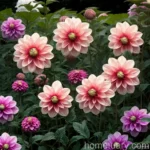
The Dahlia ‘Penhill Watermelon’ is a stunning dahlia cultivar known for its large, fully double blooms in shades of watermelon pink and hints of pale yellow. This captivating flower is a member of the Asteraceae family, which comprises an extensive array of flowering plants. The Dahlia ‘Penhill Watermelon’ is renowned for its striking appearance and is deeply cherished by gardeners and floral enthusiasts alike.
Key Takeaways
Before we embark on a detailed exploration of the Dahlia ‘Penhill Watermelon’, here are the key takeaways that we will uncover in this guide:
– The cultural requirements for growing the Dahlia ‘Penhill Watermelon’
– Various uses of this stunning dahlia cultivar
– Tips for watering, sunlight exposure, fertilizer application, and soil preferences
– Pruning methods to promote optimal growth and blooming
– Different methods of propagation for expanding your dahlia collection
– Insights into container gardening with the Dahlia ‘Penhill Watermelon’
– Common diseases that may affect this dahlia cultivar and how to diagnose them
– Identification and management of common pests
– Valuable tips from botanists for nurturing the Dahlia ‘Penhill Watermelon’
– Intriguing fun facts about this fascinating dahlia cultivar
– Links to external resources for further exploration
Now, let’s embark on a journey to unravel the enchanting world of the Dahlia ‘Penhill Watermelon’.
Culture
Cultivating the Dahlia ‘Penhill Watermelon’ is a gratifying endeavor that yields bountiful rewards in the form of its resplendent blooms. To ensure the optimal growth and development of this dahlia cultivar, it is essential to understand its cultural requirements.
Water
The Dahlia ‘Penhill Watermelon’ thrives in well-drained soil that is consistently moist but not waterlogged. During the initial stages of growth, it is essential to provide regular watering to establish a healthy root system. Once the plant is established, a balance in watering is key to prevent both drought stress and waterlogging, which can lead to root rot.
Sunlight
This dahlia cultivar flourishes when grown in a location that receives ample sunlight. Providing approximately 6-8 hours of direct sunlight per day is ideal for promoting robust growth and abundant flowering. However, in regions with exceptionally hot climates, providing partial shade during the hottest part of the day can prevent sunscald and dehydration.
Fertilizer
Applying a balanced, water-soluble fertilizer formulated for flowering plants can provide the essential nutrients for the vigorous growth and blooming of the Dahlia ‘Penhill Watermelon’. It is advisable to fertilize the plants every 3-4 weeks during the growing season, adjusting the frequency based on the specific fertilizer used and the condition of the soil.
Soil
The Dahlia ‘Penhill Watermelon’ thrives in well-draining, loamy soil with a slightly acidic to neutral pH. Incorporating organic matter such as compost into the soil can enhance its fertility and structure, providing an optimal environment for the dahlia’s roots to flourish.
Pruning
Pruning is an essential practice for promoting the health, vigor, and prolific blooming of the Dahlia ‘Penhill Watermelon’. By removing spent blooms, dead or damaged foliage, and disbudding, the plant can channel its energy into producing new blooms, thus prolonging the flowering period.
Propagation
The propagation of the Dahlia ‘Penhill Watermelon’ can be achieved through various methods, including division, stem cuttings, and seed propagation. Each method offers unique advantages and considerations, and selecting the most suitable propagation technique depends on factors such as the availability of parent plants, desired propagation timeline, and specific breeding objectives.
Container Gardening
The Dahlia ‘Penhill Watermelon’ lends itself beautifully to container gardening, offering a versatile and portable way to enjoy its stunning blooms. When cultivating this dahlia cultivar in containers, ensuring proper drainage, selecting a nutrient-rich potting mix, and providing adequate sunlight are crucial for its overall health and longevity.
Uses
The Dahlia ‘Penhill Watermelon’ boasts a myriad of uses that extend well beyond its role as a beloved garden plant. From enhancing floral arrangements to serving as a source of inspiration for artists, this dahlia cultivar continues to captivate individuals across various domains.
Floral Arrangements
The vibrant watermelon-pink blooms of the Dahlia ‘Penhill Watermelon’ are prized for their use in floral arrangements and bouquets. The distinctive color and form of the blooms add a touch of elegance and charm to assorted floral compositions, making them a popular choice for weddings, special events, and decorative displays.
Garden Ornament
Within the garden landscape, the Dahlia ‘Penhill Watermelon’ serves as an exquisite ornamental plant, infusing beds, borders, and containers with its captivating blooms. Its vibrant colors and abundant blossoms contribute to the creation of visually stunning garden displays and attract pollinators, further enriching the natural ecosystem.
Inspiration for Art and Photography
The striking beauty of the Dahlia ‘Penhill Watermelon’ has inspired artists and photographers, serving as a captivating subject for creative expression. From delicate watercolor paintings to vivid photography, this dahlia cultivar continues to be a muse for those seeking to capture its splendor through artistic endeavors.
Common Diseases
Even with proper care, the Dahlia ‘Penhill Watermelon’ may be susceptible to certain diseases that can affect its overall health and vitality. Recognizing the symptoms and implementing appropriate measures is crucial for managing and preventing the spread of common dahlia diseases.
Disease Diagnosis
Diagnosing diseases in the Dahlia ‘Penhill Watermelon’ requires keen observation and familiarity with the symptoms associated with common dahlia diseases. Some of the prevalent diseases that may affect this dahlia cultivar include powdery mildew, botrytis blight, and leaf spot diseases, each exhibiting distinct signs that can aid in accurate diagnosis.
Common Pests
Pests can pose a challenge to the cultivation of the Dahlia ‘Penhill Watermelon’, potentially causing damage to the foliage and blooms. Identifying and managing common pests is essential for safeguarding the health and vitality of this dahlia cultivar.
Botanist’s Tips
As a plant scientist, I have gathered a wealth of insights and tips for nurturing the Dahlia ‘Penhill Watermelon’ to its full potential. From practical care recommendations to innovative cultivation techniques, these botanist’s tips aim to empower gardeners and enthusiasts to cultivate and enjoy this captivating dahlia cultivar with confidence.
Fun Facts
Uncovering the fascinating aspects of the Dahlia ‘Penhill Watermelon’ brings to light a wealth of captivating and intriguing facts. From historical significance to curious anecdotes, these fun facts offer a deeper appreciation for the rich heritage and allure of this esteemed dahlia cultivar.
Links to External Resources
To further expand your knowledge and appreciation for the Dahlia ‘Penhill Watermelon’, here are some valuable external resources that offer in-depth insights and practical guidance:
1. American Dahlia Society – Offering a wealth of information on dahlia cultivation, varieties, and events, the American Dahlia Society provides a valuable resource for dahlia enthusiasts.
2. Royal Horticultural Society (RHS) – With comprehensive resources on gardening and plant care, the RHS website offers insights into dahlia cultivation and horticultural practices.
3. “The Plant Lover’s Guide to Dahlias” by Andy Vernon – This informative book offers a comprehensive guide to dahlia cultivation, highlighting the diversity of dahlia varieties, cultivation techniques, and creative uses in garden design and floral displays.
In conclusion, the Dahlia ‘Penhill Watermelon’ stands as a testament to the extraordinary beauty and diversity found within the plant kingdom. Its captivating blooms, cultural versatility, and storied legacy continue to enchant and inspire individuals around the world. Whether adorning garden landscapes or embellishing floral arrangements, the Dahlia ‘Penhill Watermelon’ remains a cherished and enduring symbol of botanical excellence. By understanding its cultural needs, harnessing insights from botanists, and exploring its myriad uses, we can cultivate and celebrate the enduring allure of this remarkable dahlia cultivar.
Enjoy the splendor of the Dahlia ‘Penhill Watermelon’ and revel in the timeless beauty of nature’s botanical marvels!