Plant Scientist’s Guide to Growing Dahlia ‘Peaches and Cream’
As a plant scientist, I am excited to share my expertise on the beautiful and versatile plant, Dahlia ‘Peaches and Cream’. In this comprehensive guide, I will delve into the various aspects of cultivating and caring for this stunning plant, covering everything from its cultural requirements and uses to pest management and propagation methods.
What is Dahlia ‘Peaches and Cream’?
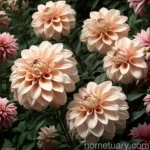
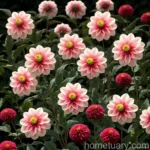
Dahlia ‘Peaches and Cream’ is a hybrid dahlia variety known for its captivating and vibrant blooms. This dahlia cultivar is renowned for its delicate peach and cream-colored petals, which form large, striking flowers that can reach up to 10 inches in diameter. The plant belongs to the Asteraceae family and is native to the highlands of Mexico and Central America.
The botanical classification of Dahlia ‘Peaches and Cream’ is as follows:
– Family: Asteraceae
– Genus: Dahlia
– Species: Hybrid variety
Dahlia ‘Peaches and Cream’ is a favorite among gardeners and florists for its stunning appearance and versatility in various garden settings and floral arrangements.
Key Takeaways
Before we dive deeper into the specifics of caring for Dahlia ‘Peaches and Cream’, let’s summarize some key takeaways for quick reference:
- Blooming Season: Dahlia ‘Peaches and Cream’ blooms from mid-summer to the first frost, providing an extended period of floral display.
- Water Requirements: Adequate watering is essential, ensuring that the soil remains consistently moist but not waterlogged.
- Sunlight Needs: This dahlia variety thrives in full sun, requiring at least 6-8 hours of direct sunlight daily.
- Soil Preferences: Well-draining, fertile soil with a slightly acidic to neutral pH is ideal for cultivating Dahlia ‘Peaches and Cream’.
These key takeaways will serve as crucial reference points as we explore the intricacies of nurturing this exquisite plant.
Culture
Cultivating Dahlia ‘Peaches and Cream’ involves paying close attention to its cultural requirements. Let’s explore the essential factors that contribute to the successful growth and development of this dahlia variety.
Uses
Dahlia ‘Peaches and Cream’ serves various purposes, making it a versatile and valuable addition to gardens and floral arrangements. Some common uses include:
– Garden Display: Planting in flower beds, borders, or containers to enhance the aesthetic appeal of gardens.
– Cut Flowers: Harvesting blooms for stunning floral arrangements and bouquets due to their large, showy petals.
– Floral Showcases: Exhibiting the flowers in horticultural shows and events to showcase their beauty and diversity.
The plant’s versatility in garden displays and floral designs makes it highly sought after for both personal and professional use.
Water
Proper watering is critical for the health and vitality of Dahlia ‘Peaches and Cream’. Insufficient or excessive moisture can adversely impact the plant’s growth and flowering. Here are some essential water-related considerations:
- Watering Frequency: During the growing season, it’s essential to water the plant regularly, ensuring that the soil remains consistently moist. However, waterlogging should be avoided.
- Deep Watering: When watering, aim for deep penetration to encourage the development of a robust root system.
- Mulching: Applying a layer of organic mulch around the base of the plant can help retain soil moisture and minimize water evaporation.
Maintaining appropriate moisture levels in the soil is crucial for the overall well-being of Dahlia ‘Peaches and Cream’.
Sunlight
Sunlight plays a pivotal role in the growth and blooming of Dahlia ‘Peaches and Cream’. Adequate exposure to sunlight is essential for robust plant development and prolific flowering. Here’s what you need to know about sunlight requirements:
- Full Sun: This dahlia variety thrives in full sun conditions, necessitating at least 6-8 hours of direct sunlight per day.
- Sun-Seeking Behavior: Position the plant in a location where it can receive ample sunlight without being obstructed by shade or neighboring structures.
Providing the plant with sufficient sunlight is fundamental to promoting healthy growth and vibrant blooms.
Fertilizer
Applying the right fertilizers at the appropriate times is essential for supporting the nutrient needs of Dahlia ‘Peaches and Cream’. Let’s delve into the fertilizer-related aspects of cultivating this dahlia variety:
- Balanced Fertilizer: Use a balanced, water-soluble fertilizer with equal N-P-K (Nitrogen-Phosphorus-Potassium) proportions or a slightly higher phosphorus content to promote flowering.
- Application Schedule: Begin fertilizing when the plants are actively growing, and continue applying fertilizer every 4-6 weeks throughout the growing season.
- Root Feeding: Consider supplementing with root-feeding fertilizers to support the development of a robust root system.
Strategic fertilization is vital for ensuring that Dahlia ‘Peaches and Cream’ receives the necessary nutrients for healthy growth and prolific blooming.
Soil
The soil composition and quality profoundly influence the overall health and development of Dahlia ‘Peaches and Cream’. Understanding the soil preferences of this dahlia variety is crucial for creating an optimal growing environment:
- Well-Draining Soil: The soil should have excellent drainage to prevent waterlogging, which can lead to root rot and other issues.
- Fertility: Opt for fertile, humus-rich soil that provides essential nutrients and supports vigorous growth.
- pH Level: Aim for a slightly acidic to neutral pH range (6.0-7.0) to ensure that the soil pH is conducive to the plant’s nutrient uptake.
Choosing the right soil and maintaining its quality is pivotal for establishing a favorable growing environment for Dahlia ‘Peaches and Cream’.
Pruning
Pruning is an essential aspect of dahlia care, contributing to the plant’s overall health and appearance. Proper pruning techniques help maintain the plant’s vigor, control its shape, and encourage prolific flowering. Here’s what you need to know about pruning Dahlia ‘Peaches and Cream’:
- Deadheading: Regularly remove faded or spent flowers to promote continuous blooming and prevent seed formation.
- Lateral Branch Pruning: Pinching or pruning lateral branches can encourage bushier growth and more flower production.
- Foliage Management: Keep the plant’s foliage tidy by removing any damaged, yellowing, or diseased leaves to maintain plant health.
Engaging in regular and strategic pruning practices is key to ensuring that Dahlia ‘Peaches and Cream’ remains healthy and vibrant throughout the growing season.
Propagation
If you want to expand your collection of Dahlia ‘Peaches and Cream’ or share this beautiful plant with fellow enthusiasts, understanding the propagation methods is invaluable. Let’s explore the ways in which you can propagate this dahlia variety:
Division
Division is a common and effective method for propagating Dahlia ‘Peaches and Cream’. The process involves separating the tubers or rhizomes of the parent plant to create new, independent plants. Here’s a basic guide to propagating Dahlia ‘Peaches and Cream’ through division:
- Timing: Propagate through division in early spring before new growth emerges or in fall after the plant has stopped flowering.
- Digging and Division: Carefully dig up the dahlia plant, ensuring that the tubers or rhizomes are intact. Gently separate the tubers, ensuring that each division has viable eyes or growing points.
- Planting: Plant the divided tubers in suitable locations in the garden or in containers, providing appropriate care and maintenance.
Division allows you to create new plantings from established specimens, preserving the desirable traits of the original Dahlia ‘Peaches and Cream’ plant.
Cuttings
Propagating Dahlia ‘Peaches and Cream’ via cuttings offers another viable method for generating new plants. Here’s an overview of the propagation process using cuttings:
- Selecting Cuttings: Choose healthy, non-flowering shoots for the propagation process, ensuring that each cutting has several sets of leaves.
- Rooting Hormone: Dip the base of the cuttings in a rooting hormone to promote root development.
- Planting and Maintenance: Plant the cuttings in a well-draining medium, maintain consistent moisture, and provide appropriate environmental conditions to support rooting and subsequent growth.
Propagation through cuttings can be an effective way to increase the population of Dahlia ‘Peaches and Cream’ and ensure genetic uniformity among the propagated plants.
Seed Propagation
While less common than division and cuttings, propagating Dahlia ‘Peaches and Cream’ from seeds can be an exciting and rewarding process. Here’s a basic guide to seed propagation:
- Seed Collection: Allow the flowers to develop and mature on the plant, harvesting the seeds once they are fully formed and ready for collection.
- Preparing the Seeds: Clean and dry the seeds thoroughly before storage or sowing to ensure viability.
- Sowing and Germination: Sow the seeds in suitable growing medium, maintaining consistent moisture and warmth to promote germination and early growth.
Seed propagation can introduce exciting genetic variations and diversity, offering an alternative approach to expanding the presence of Dahlia ‘Peaches and Cream’ in your garden or collection.
Container Popularity
Dahlia ‘Peaches and Cream’ is well-suited for container gardening, offering a versatile and convenient way to showcase the plant’s stunning blooms. Whether you have limited garden space or simply prefer the flexibility of container gardening, this dahlia variety can thrive in containers when provided with the right care and environment.
Container Selection
Choosing the appropriate containers for Dahlia ‘Peaches and Cream’ is essential for providing an optimal growing environment. Consider the following factors when selecting containers:
- Size: Opt for spacious containers that allow the roots to expand and accommodate the plant’s growth.
- Drainage: Ensure that the containers have adequate drainage holes to prevent waterlogging.
- Material: Select durable, weather-resistant materials such as terracotta, plastic, or resin that can withstand environmental conditions.
Proper container selection sets the stage for successful dahlia cultivation in container gardens, promoting the health and vitality of the plants.
Soil and Maintenance
When growing Dahlia ‘Peaches and Cream’ in containers, paying attention to soil quality and maintenance practices is crucial for sustaining healthy growth and flowering. Here are some key considerations:
- Well-Draining Soil: Fill the containers with high-quality, well-draining potting mix to provide a suitable growing medium for the plants.
- Watering: Monitor moisture levels closely, ensuring that the soil remains consistently moist without becoming waterlogged.
- Fertilization: Apply a balanced, water-soluble fertilizer at regular intervals to supply essential nutrients to the container-grown plants.
Maintaining optimal soil conditions and providing attentive care are essential for cultivating healthy and vibrant Dahlia ‘Peaches and Cream’ in containers.
Common Diseases
Dahlia ‘Peaches and Cream’ is susceptible to certain diseases, and being aware of these potential threats is crucial for proactive management and prevention. Let’s explore some common diseases that can affect this dahlia variety:
Powdery Mildew
Powdery mildew is a fungal disease that presents as a powdery, white coating on the leaves and stems of plants. It thrives in humid conditions and can impair the plant’s health and appearance.
Prevention and Control:
– Air Circulation: Ensure good air circulation around the plants to minimize humidity and reduce the risk of powdery mildew.
– Fungicidal Treatments: Apply fungicidal sprays or treatments as preventive measures or at the first signs of powdery mildew infestation.
Botrytis Blight (Gray Mold)
Botrytis blight, also known as gray mold, can affect Dahlia ‘Peaches and Cream’ during periods of prolonged wetness. It manifests as grayish-brown lesions on the plant’s flowers, stems, and foliage.
Management Strategies:
– Pruning and Sanitation: Remove and dispose of infected plant parts to prevent the spread of the disease.
– Cultural Practices: Avoid overhead watering and promote good air circulation to reduce moisture and minimize the risk of gray mold.
Leaf Spot Diseases
Various fungal and bacterial pathogens can cause leaf spot diseases, resulting in dark, irregular lesions on the foliage of Dahlia ‘Peaches and Cream’. These diseases can compromise the plant’s overall vigor and attractiveness.
Preventive Measures:
– Sanitation: Keep the growing area clean and free of infected plant debris to reduce the risk of leaf spot diseases.
– Minimal Leaf Wetting: Water the plants at the base to minimize leaf wetting and limit the favorable conditions for disease development.
Proactive disease management and preventive measures are crucial for preserving the health and visual appeal of Dahlia ‘Peaches and Cream’.
Disease Diagnosis
Prompt and accurate diagnosis of diseases afflicting Dahlia ‘Peaches and Cream’ is essential for implementing effective treatment and management strategies. When observing possible signs of disease, consider the following diagnostic steps:
- Symptom Identification: Carefully examine the plant for any unusual markings, discolorations, or changes in its physical appearance.
- Pattern Recognition: Note the distribution and pattern of symptoms on the plant’s leaves, stems, and flowers, which can provide clues to the specific disease.
- Environmental Analysis: Consider environmental factors such as humidity levels, temperature, and prevailing weather conditions that may influence disease development.
- Consultation: Seek advice from horticultural specialists or plant pathologists for accurate disease identification and tailored management recommendations.
Early and precise diagnosis is critical for mitigating the impact of diseases and safeguarding the well-being of Dahlia ‘Peaches and Cream’.
Common Pests
In addition to diseases, Dahlia ‘Peaches and Cream’ may also face challenges from various pests that can affect its growth and vitality. Understanding these common pests and their management is essential for preserving the plant’s health. Let’s explore some prevalent pests that may target this dahlia variety:
Aphids
Aphids are small, soft-bodied insects that feed on the sap of plants, often congregating on the undersides of leaves. These pests can cause distortion of new growth and the accumulation of honeydew, leading to secondary issues such as sooty mold.
Control Methods:
– Natural Predators: Encourage natural predators such as ladybugs and lacewings that feed on aphids.
– Spraying: Use insecticidal soaps or horticultural oils to control aphid populations while minimizing harm to beneficial insects.
Spider Mites
Spider mites are tiny arachnids that thrive in hot, dry conditions and can cause stippling, discoloration, and webbing on the foliage of Dahlia ‘Peaches and Cream’. These pests can weaken the plant over time if left unchecked.
Preventive Measures:
– Humidity Management: Increase air humidity and apply occasional sprays of water to discourage spider mite infestations.
– Miticide Application: Utilize appropriate miticides to control spider mite populations and mitigate their impact on the plants.
Slugs and Snails
Slugs and snails are notorious for their voracious appetites and can feed on the leaves and flowers of Dahlia ‘Peaches and Cream’, causing unsightly damage and compromising the plant’s aesthetics.
Management Strategies:
– Barriers: Implement physical barriers and deterrents to prevent slugs and snails from accessing the plants.
– Cultural Controls: Rake and remove leaf litter and debris to eliminate potential habitats for these pests.
Vigilant monitoring and proactive intervention are crucial for managing common pests and minimizing their impact on Dahlia ‘Peaches and Cream’.
Botanist’s Tips
Drawing upon botanical knowledge and practical insights, here are some valuable tips for successfully cultivating and caring for Dahlia ‘Peaches and Cream’:
- Mulching Benefits: Apply organic mulch around the base of the plants to conserve moisture, suppress weeds, and provide essential nutrients as it breaks down.
- Support Structures: Install stakes or other support structures to prevent the sprawling or bending of tall Dahlia ‘Peaches and Cream’ stems and flowers.
- Adequate Spacing: When planting multiple dahlia specimens, ensure proper spacing between plants to allow for sufficient air circulation and minimize competition for resources.
- Continuous Deadheading: Regularly deadhead spent blooms to promote continuous flowering and maintain the plant’s visual appeal throughout the season.
- Seasonal Evaluation: Assess the performance of Dahlia ‘Peaches and Cream’ at the end of each growing season to identify areas for improvement and implement adjustments for the following year.
Incorporating these botanist-endorsed tips into your dahlia care routine can contribute to the overall success and vitality of Dahlia ‘Peaches and Cream’ in your garden.
Fun Facts
Explore these intriguing and fun facts about Dahlia ‘Peaches and Cream’, further enhancing your appreciation for this captivating plant:
- Genetic Heritage: Dahlia ‘Peaches and Cream’ is a hybrid variety that has been developed through selective breeding and hybridization, resulting in its unique and mesmerizing coloration.
- Floral Diversity: The blooms of Dahlia ‘Peaches and Cream’ can exhibit fascinating variations in color intensity and petal arrangement, contributing to its allure and individuality.
- Historical Significance: Dahlias, including ‘Peaches and Cream’ varieties, have been cultivated and admired for centuries, with their origins traced back to the highlands of Mexico and Central America.
- Floral Symbolism: In the language of flowers, dahlias are often associated with elegance, dignity, and inner strength, conveying meaningful sentiments in social and cultural contexts.
These delightful facts offer a glimpse into the captivating allure and rich heritage of Dahlia ‘Peaches and Cream’, adding depth to the appreciation of this beloved plant.
Links to External Resources
For further in-depth information, inspiration, and resources related to Dahlia ‘Peaches and Cream’, consider exploring the following external links:
-
American Dahlia Society: An authoritative source for dahlia enthusiasts, offering extensive information on dahlia varieties, cultivation techniques, and society events.
-
Royal Horticultural Society (RHS) – Dahlia Care and Cultivation: RHS provides valuable guidance on dahlia care and cultivation, including specific details on growing and maintaining different dahlia varieties such as ‘Peaches and Cream’.
-
University of California Integrated Pest Management (UC IPM) – Dahlia Pest Management: A comprehensive resource for identifying and managing common pests that may affect dahlia plants, offering sustainable and eco-friendly pest management solutions.
-
National Gardening Association – Dahlia Forum: Engage with a community of dahlia enthusiasts, exchange insights, and seek advice on cultivating and caring for various dahlia cultivars, including ‘Peaches and Cream’.
These external resources provide a wealth of information, expert guidance, and