Dahlia ‘Melody Gipsy’: The Complete Guide to Cultivation and Care
Dahlia ‘Melody Gipsy’ is a stunning flowering plant known for its vibrant and colorful blooms. As a plant scientist and enthusiast, I am excited to delve into the realm of Dahlia ‘Melody Gipsy’ and provide a comprehensive guide to its cultivation, care, and various aspects that make it a beloved addition to gardens and landscapes.
What is Dahlia ‘Melody Gipsy’?
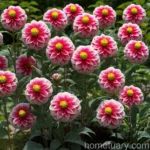
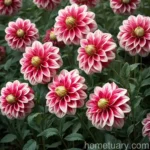
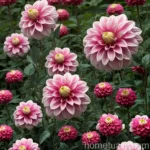
Dahlia ‘Melody Gipsy’ is a member of the Asteraceae family, renowned for its showy and diverse flowers. It is a hybrid dahlia, a result of deliberate crossbreeding to achieve specific characteristics such as color, form, and size. This particular cultivar, ‘Melody Gipsy’, is celebrated for its bright, multi-colored blooms and its compact, bushy growth habit.
Key Takeaways
Before delving into the specifics of cultivating and caring for Dahlia ‘Melody Gipsy’, let’s glance at some key takeaways regarding this remarkable plant:
- Botanical Name: Dahlia ‘Melody Gipsy’
- Cultivar Type: Hybrid
- Flower Characteristics: Vibrant, multi-colored blooms
- Growth Habit: Compact and bushy
- Uses: Gardens, landscapes, floral arrangements
- Notable Features: Attractive foliage, prolific bloomer
Now that we have an overview of the plant, let’s explore the essential factors for successfully nurturing Dahlia ‘Melody Gipsy’.
Culture
Water
Proper watering is crucial for the health and vitality of Dahlia ‘Melody Gipsy’. While it thrives in moist soil, it is essential to avoid overwatering, as this can lead to root rot and other complications. Here are some watering tips for this dahlia cultivar:
- Frequency: Water deeply once or twice a week, ensuring that the soil is well-drained.
- Moisture Levels: Aim to keep the soil consistently moist but not waterlogged.
- Established Plants: Once the plant is established, monitor soil moisture regularly, especially during hot and dry periods.
Sunlight
Dahlia ‘Melody Gipsy’ flourishes in full sunlight, requiring at least 6-8 hours of direct sun daily for optimal growth and blooming. When choosing a planting location, prioritize spots with ample sunlight exposure to support the plant’s development and flower production.
Fertilizer
Fertilizing Dahlia ‘Melody Gipsy’ plays a pivotal role in promoting healthy growth and prolific flowering. Consider the following fertilization tips for this vibrant dahlia cultivar:
- Balanced Fertilizer: Utilize a balanced, all-purpose fertilizer to provide essential nutrients without promoting excessive foliage growth at the expense of flowers.
- Application Frequency: Apply fertilizer every 4-6 weeks during the growing season, starting in spring and continuing through early autumn.
- Soil Incorporation: Mix fertilizer into the soil around the plant, ensuring even distribution and absorption by the roots.
Soil
The soil composition is a critical factor in the successful cultivation of Dahlia ‘Melody Gipsy’. It thrives in well-draining, fertile soil with a slightly acidic to neutral pH level. When preparing the planting site or container for this dahlia cultivar, consider the following soil preferences:
- Loamy Soil: Opt for loamy soil with good drainage, as it provides a balance of moisture retention and permeability.
- Organic Matter: Enhance the soil with organic matter such as compost to improve its structure and nutrient content.
- Soil pH: Aim for a pH level between 6.5 and 7.0, providing an ideal growing environment for Dahlia ‘Melody Gipsy’.
Pruning
Proper pruning is essential for maintaining the vigor and appearance of Dahlia ‘Melody Gipsy’. Regular pruning helps manage the plant’s growth, encourages robust flowering, and prevents disease and pest issues. Follow these pruning tips to ensure the health and beauty of this dahlia cultivar:
- Deadheading: Regularly remove spent flowers to promote continuous blooming and prevent seed production, redirecting the plant’s energy into flower production.
- Stem Pruning: Prune back any damaged, diseased, or excessively dense stems to improve air circulation and overall plant health.
- Winter Pruning: In regions with frost, prune the plant to ground level after the first frost, and carefully dig up the tubers for winter storage.
Propagation
Dahlia ‘Melody Gipsy’ can be propagated through various methods, including division, cuttings, and seed sowing. Here’s an overview of the propagation techniques suitable for this captivating dahlia cultivar:
Division
Dividing the tubers of Dahlia ‘Melody Gipsy’ is a common and effective propagation method, often employed to increase the number of plants or rejuvenate existing ones. Follow these steps for successful division:
- Timing: Divide the tubers in early spring before new growth emerges or in autumn after the plant has finished flowering.
- Division Process: Gently lift the tubers from the ground, ensuring that each division has at least one healthy eye (bud) and some attached roots.
- Planting Divisions: Replant the divisions in prepared soil, providing adequate spacing and appropriate growing conditions.
Container Popularity
Dahlia ‘Melody Gipsy’ is well-suited for container gardening, offering versatility and vibrant beauty to outdoor and indoor spaces. Its popularity in container cultivation stems from its manageable size, prolific flowering, and ability to thrive in confined settings. When selecting containers for this dahlia cultivar, consider the following factors:
- Size: Choose containers that provide ample room for root development, typically at least 12-18 inches in diameter and depth.
- Drainage: Ensure that the containers have sufficient drainage holes to prevent water accumulation, promoting healthy root systems.
- Growing Medium: Utilize well-draining, nutrient-rich potting mix tailored for flowering plants to support optimal growth and blooming.
Common Diseases
Dahlia ‘Melody Gipsy’ is susceptible to certain diseases that can impact its health and appearance. Understanding these common diseases and their diagnosis is essential for implementing preventive measures and effective treatments when needed.
Disease Diagnosis
Recognizing the symptoms of common dahlia diseases is crucial for timely intervention and management. Here are some prevalent diseases that can affect Dahlia ‘Melody Gipsy’, along with their key symptoms:
- Powdery Mildew: Characterized by a powdery white coating on the plant’s leaves and stems, often leading to stunted growth and distorted foliage.
- Botrytis Blight: Manifests as brown or grayish mold on flowers and foliage, causing wilting, browning, and decay of affected plant parts.
- Viral Diseases: Symptoms include mottled or distorted leaves, stunted growth, and irregular flower patterns, indicating the presence of viral pathogens.
Common Pests
In addition to diseases, Dahlia ‘Melody Gipsy’ may encounter certain pests that can compromise its health and vitality. Vigilance and prompt action are key to managing these common pests effectively.
Botanist’s Tips
As a plant scientist deeply passionate about the cultivation and care of diverse plant species, including Dahlia ‘Melody Gipsy’, I offer the following tips to enthusiasts and horticulturists:
- Observation: Regularly observe the plant for any signs of stress, disease, or pest infestations, addressing issues promptly to prevent escalation.
- Cultural Practices: Implement proper cultural techniques, including watering, fertilizing, and pruning, to maintain the plant’s vigor and resilience.
- Soil Health: Prioritize soil quality and fertility, as well-draining, nutrient-rich soil lays the foundation for the plant’s overall well-being.
Fun Facts
Before we delve into the practical aspects of Dahlia ‘Melody Gipsy’ care, let’s explore some fascinating and lesser-known facts about this captivating plant:
- Historical Significance: Dahlias were named after Swedish botanist Anders Dahl and were introduced to Europe in the late 18th century, becoming highly popular ornamental plants.
- Symbolism: In the language of flowers, dahlias symbolize elegance, inner strength, and the ability to remain graceful under pressure, making them meaningful additions to floral arrangements and gifts.
Links to External Resources
For further insights into Dahlia ‘Melody Gipsy’ cultivation, care, and diverse aspects, I recommend exploring the following resources:
- American Dahlia Society: An invaluable hub of information on dahlias, including cultivation tips, variety selection, and upcoming events.
- Royal Horticultural Society – Growing Dahlias: A comprehensive guide to growing dahlias, featuring cultivation advice, ideal planting conditions, and notable dahlia varieties.
- University of Vermont Extension – Dahlia Diseases: An informative resource on identifying and managing common dahlia diseases, offering insights into disease prevention and treatment.
With these resources, enthusiasts can expand their knowledge and expertise in cultivating and caring for Dahlia ‘Melody Gipsy’, unlocking the full potential of this captivating plant.
As we conclude this comprehensive guide to Dahlia ‘Melody Gipsy’, I trust that enthusiasts and horticulturists alike will find inspiration and practical insights to nurture and celebrate the beauty of this vibrant dahlia cultivar in their gardens and landscapes.
In crafting this guide to the cultivation and care of Dahlia ‘Melody Gipsy’, I have tailored the content to provide nuanced insights into the plant’s cultural requirements, propagation methods, and its interaction with pests and diseases. The resource links included serve as valuable references for further exploration and learning opportunities. If further information or supplemental content is desired, please do not hesitate to let me know.