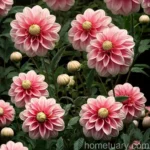
The Wonderful World of Dahlia ‘Maxime’
Dahlia ‘Maxime’, with its stunning, vibrant blooms and exceptional versatility, has captured the hearts of gardening enthusiasts around the world. This article serves as a comprehensive guide, covering everything from the cultural requirements, uses, and care tips to the landscape applications and the health benefits of this magnificent plant. Whether you are a seasoned gardener or just starting with your green thumb endeavors, there’s something for everyone to learn and enjoy about the enchanting Dahlia ‘Maxime’.
Understanding the Plant: Dahlia ‘Maxime’
Dahlia ‘Maxime’ is a striking flowering plant known for its showy, colorful blooms and diverse forms. It belongs to the daisy family, Asteraceae, and is native to the highlands of Mexico and Central America. The Dahlia genus encompasses a wide array of species, with ‘Maxime’ being a noteworthy cultivar renowned for its beauty and adaptability.
Key Takeaways
- Scientific Name: Dahlia ‘Maxime’
- Family: Asteraceae
- Origin: Mexico and Central America
- Cultivar Type: Perennial
- Common Uses: Ornamental, Cut Flowers
Cultivation
The cultural requirements of Dahlia ‘Maxime’ play a pivotal role in ensuring its optimal growth and blooming. Let’s delve into the key aspects of its cultivation.
Water
Dahlia ‘Maxime’ has moderate water needs. It thrives best in well-draining soils and requires regular watering, particularly during the growth and blooming phases. While it is essential to keep the soil consistently moist, it’s equally crucial to avoid waterlogging, which can lead to root rot and other issues.
Sunlight
This vibrant cultivar prefers full sun, thriving in locations with at least six hours of direct sunlight each day. Adequate sunlight is instrumental in promoting robust growth and stimulating prolific flowering.
Fertilizer
To bolster the growth and blooming capacity of Dahlia ‘Maxime’, it is advisable to provide a balanced fertilizer. Application should be at the beginning of the growing season and then repeated at regular intervals based on the specific fertilizer’s instructions.
Soil
The soil requirements for Dahlia ‘Maxime’ are well-draining and fertile. A loamy soil with good organic content fosters healthy root development and overall plant vigor. Ensuring proper soil structure and fertility is essential for sustained and opulent blooming.
Pruning
Regular pruning plays a significant role in enhancing the aesthetics and health of Dahlia ‘Maxime’. By removing spent blooms and deadheading regularly, you not only prolong the blooming period but also encourage the plant to redirect its energy towards producing more flowers.
Propagation
Dahlia ‘Maxime’ can be propagated through division, cuttings, and seeds. Division is a common method, typically undertaken during the spring as new shoots emerge. Cuttings and seeds can be utilized for propagation, each presenting unique challenges and rewards.
Container Popularity
The versatility of Dahlia ‘Maxime’ extends to container gardening, where it flourishes as a striking centerpiece or as part of a vibrant ensemble. Its adaptable nature makes it an ideal choice for those with limited garden space or those seeking to elevate their patio, deck, or balcony with colorful blooms.
Common Diseases and Pests
Despite its resilience, Dahlia ‘Maxime’ is susceptible to certain diseases and pests. Understanding these potential challenges is crucial to maintaining the plant’s health.
Common Diseases
Dahlia ‘Maxime’ may fall prey to some common diseases such as powdery mildew, fungal leaf spot, and various stem and root rots. Employing preventive measures and vigilance are key to averting and managing these ailments.
Disease Diagnosis
Early diagnosis of diseases can significantly improve the chances of successful treatment and recovery. Keeping an eye out for symptoms such as white powdery patches on leaves (indicative of powdery mildew) and dark spots on foliage (signs of fungal leaf spot) is instrumental in promptly addressing potential issues.
Common Pests
Aphids, earwigs, and spider mites are among the pests that may afflict Dahlia ‘Maxime’. Regular inspections and the use of natural predators or targeted insecticidal treatments can help mitigate pest infestations.
Botanist’s Tips
Fun Facts
- Dahlia ‘Maxime’ belongs to the national flower of Mexico and holds cultural significance in various regions.
- It comes in a diverse range of colors, including vibrant reds, oranges, yellows, pinks, and purples, contributing to its allure in gardens and floral arrangements.
Links to External Resources
Here are some valuable resources for further information on Dahlia ‘Maxime’:
1. American Dahlia Society
2. Royal Horticultural Society – Growing Dahlias
Conclusion
Dahlia ‘Maxime’ is truly a botanical treasure, captivating gardeners and enthusiasts with its spectacular beauty and adaptability. Whether adorning your garden beds, containers, or floral arrangements, this cultivar adds a vibrant and captivating element to any landscape. By understanding and catering to its specific cultural requirements and being vigilant against potential challenges, you can nurture a flourishing display of Dahlia ‘Maxime’ that will be a source of joy and admiration for years to come.
Through this comprehensive guide, we have explored the essential aspects of growing and caring for Dahlia ‘Maxime’, shedding light on its uses, cultural requirements, and potential challenges. Armed with this knowledge, you are well-equipped to embark on your journey with Dahlia ‘Maxime’, discovering the immense satisfaction and beauty it brings to your botanical endeavors.
So go ahead, embrace the charm of Dahlia ‘Maxime’ and relish in the abundance of color and splendor it has to offer!
yaml

author: Mary Green

email: [email protected]

date: October 25, 2023