The Exquisite Dahlia ‘Honka White’: A Comprehensive Guide for Plant Enthusiasts
Introduction
In the world of horticulture, the dahlia plant species is renowned for its captivating beauty and impressive diversity. Among the myriad dahlia varieties, the Dahlia ‘Honka White’ stands out with its pristine white blooms and versatile characteristics. This exquisite cultivar has captured the hearts of gardeners and florists alike, earning a special place in both landscapes and floral arrangements.
In this extensive guide, we will delve into the enchanting world of the Dahlia ‘Honka White’, exploring its cultivation, maintenance, and myriad uses. Whether you’re a seasoned enthusiast or a novice gardener, this comprehensive resource will equip you with valuable insights and practical tips for nurturing this stunning plant.
So, let’s embark on a botanical journey and uncover the secrets of the Dahlia ‘Honka White’.
Understanding the Dahlia ‘Honka White’
Plant Profile
Before we delve into the growing and care aspects, let’s take a moment to appreciate the Dahlia ‘Honka White’ from a botanical perspective.
- Scientific Name: Dahlia ‘Honka White’
- Common Name: Honka White Dahlia
- Variety: Decorative Dahlia
- Flower Color: Pure white
- Mature Height: 2-3 feet
- Bloom Size: 4-6 inches
- Bloom Type: Fully double
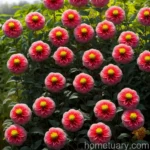
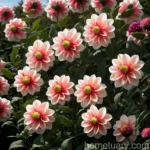
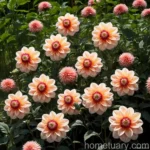
This captivating dahlia cultivar is characterized by its striking white flowers, each adorned with layers of delicate petals. The elegant blooms and vigorous growth habit make the ‘Honka White’ a prized addition to gardens and floral displays.
Natural Habitat and Growing Conditions
The Dahlia genus is native to the highlands of Mexico and Central America, where these resilient plants thrive in temperate climates and well-drained soils. The ‘Honka White’ variety, like its dahlia counterparts, flourishes in environments with ample sunlight, moderate water availability, and fertile soil.
As we uncover the finer details of cultivating this magnificent plant, it’s essential to consider its natural habitat and preferences to create an ideal growing environment.
Cultivation and Care Guide for Dahlia ‘Honka White’
Water
Proper watering is essential for the health and vitality of Dahlia ‘Honka White’. While these plants appreciate moist soil, they are susceptible to waterlogging and root rot. As a general guideline, aim to water deeply but less frequently to encourage robust root development.
Watering Tips for Dahlia ‘Honka White’:
- Regular Watering: During the active growing season, ensure that the soil remains consistently moist without becoming waterlogged.
- Deep Watering: Irrigate the plants deeply, allowing the water to penetrate the soil and reach the root zone.
- Mulching: Apply a layer of organic mulch around the base of the plants to retain soil moisture and reduce evaporation. Mulching also helps in regulating soil temperature and preventing weed growth.
Sunlight
Dahlia ‘Honka White’ is a sun-loving plant that thrives in bright, full sunlight. When choosing a planting site or positioning containers, prioritize locations that receive at least 6-8 hours of direct sunlight daily.
Sunlight Requirements for Dahlia ‘Honka White’:
- Optimal Exposure: Select sun-drenched spots in your garden or outdoor spaces for planting Dahlia ‘Honka White’.
- Morning Sun: While these plants tolerate intense sunlight, providing morning sun coupled with partial shade in the afternoon can offer protection from excessive heat.
- Indoor Cultivation: For indoor gardening, position the plants near south-facing windows or under grow lights to ensure adequate light exposure.
Fertilizer
Proper nutrition is crucial for the prolific blooming and overall vigor of Dahlia ‘Honka White’. A balanced fertilizer regimen tailored to the specific needs of these plants can enhance their growth and flowering potential.
Fertilization Practices for Dahlia ‘Honka White’:
- Slow-Release Fertilizer: Consider using a slow-release, balanced fertilizer with an NPK ratio of 10-10-10 or similar, formulated for flowering plants.
- Application Frequency: Begin fertilizing in early spring as new growth emerges, and continue every 4-6 weeks throughout the growing season.
- Avoid Overfeeding: Refrain from over-fertilizing, as excessive nutrients can lead to lush foliage at the expense of flower production.
Soil
The quality and composition of the soil play a pivotal role in the successful cultivation of Dahlia ‘Honka White’. Well-draining, nutrient-rich soil with a slightly acidic to neutral pH range is ideal for these plants.
Soil Requirements for Dahlia ‘Honka White’:
- Loamy Texture: Opt for well-draining, loamy soil that provides a balance of water retention and aeration for the roots.
- pH Level: The recommended soil pH for Dahlia ‘Honka White’ ranges between 6.5 and 7.0, promoting optimal nutrient uptake and root health.
- Amendments: Prior to planting, enrich the soil with organic matter such as compost or well-rotted manure to improve its structure and fertility.
Pruning
Pruning is an essential aspect of Dahlia ‘Honka White’ maintenance, contributing to enhanced air circulation, controlled growth, and prolific flowering. Timely removal of spent blooms and strategic pruning of stems can promote a tidy appearance and encourage continuous blooming.
Pruning Guidelines for Dahlia ‘Honka White’:
- Deadheading: Regularly deadhead faded flowers by snipping them close to the stem junction to stimulate the production of new blooms.
- Pinching: Pinch the terminal growth of young plants to encourage bushier, more compact growth and increased flower production.
- Stem Pruning: As the plants grow, selectively prune the top portion of stems to encourage branching and a fuller, more floriferous habit.
Propagation
For enthusiastic gardeners and dahlia aficionados, the propagation of Dahlia ‘Honka White’ offers an exciting opportunity to expand their plant collection. This versatile plant can be propagated from tubers, cuttings, or seeds, allowing for creative experimentation and the perpetuation of favored cultivars.
Propagation Methods for Dahlia ‘Honka White’:
- Tuber Division: Divide mature dahlia tubers in spring, ensuring that each division contains viable eyes or growth points for successful propagation.
- Stem Cuttings: Root healthy stem cuttings in a well-draining medium, providing warmth and humidity to encourage the development of new roots.
- Seed Sowing: Gather and germinate dahlia seeds in a controlled environment, transplanting the seedlings once they have developed sufficient strength.
Container Cultivation
The versatility of Dahlia ‘Honka White’ extends to container gardening, offering a delightful way to showcase these elegant blooms on patios, balconies, and urban spaces. With proper care and attention to container selection, these plants can thrive in confined environments, adding a touch of charm to any setting.
Container Gardening Tips for Dahlia ‘Honka White’:
- Pot Selection: Choose spacious containers with adequate drainage holes to prevent waterlogging and facilitate root aeration.
- Potting Mix: Utilize a well-draining, nutrient-rich potting mix tailored for flowering plants to provide an optimal growing medium.
- Watering Management: Monitor soil moisture levels closely, ensuring that the potting mix remains consistently moist without becoming soggy.
Uses of Dahlia ‘Honka White’
Landscaping
The exquisite beauty and bountiful blooms of Dahlia ‘Honka White’ make it a prized addition to landscape designs, where it can be incorporated in borders, mixed plantings, and focal points.
Cut Flowers
The alluring white blooms of Dahlia ‘Honka White’ are highly sought after in the cut flower industry, gracing floral arrangements and bouquets with their timeless elegance and versatility.
Floral Art and Design
These pristine white flowers lend themselves beautifully to diverse floral art forms, including wedding decor, event design, and intricate floral compositions.
Pollinator Support
Dahlia ‘Honka White’ serves as a valuable nectar and pollen source for pollinators, attracting bees, butterflies, and other beneficial insects to the garden.
Medicinal Properties
While primarily cultivated for their ornamental value, the dahlia species has been historically associated with various medicinal uses in traditional herbal medicine.
Garden Borders and Containers
Whether planted in garden borders or ornamental containers, Dahlia ‘Honka White’ adds a touch of elegance and visual appeal to any outdoor space.
Common Diseases and Pests
Disease Diagnosis
Powdery Mildew: A common fungal disease affecting dahlias, characterized by the presence of powdery white spots on the foliage and stems.
Botrytis Blight: This fungal disease manifests as dark, water-soaked spots on the petals or foliage, often leading to rapid wilting and decay.
Leaf Spot: Leaf spot diseases result in the formation of circular, water-soaked lesions on the leaves, potentially causing defoliation and reduced plant vigor.
Pest Management
Aphids: These small, sap-sucking insects can infest dahlia plants, causing distorted growth and the development of sticky honeydew on foliage.
Spider Mites: These minuscule pests can inflict damage by piercing plant cells and extracting sap, resulting in stippled, discolored foliage.
Slugs and Snails: These mollusks can feed on dahlia foliage and flowers, leaving behind distinctive irregular holes and shredded plant tissue.
Botanist’s Tips for Growing Dahlia ‘Honka White’
- Early Staking: Provide support to taller dahlia varieties early in the growing season to prevent stem breakage and ensure upright growth.
- Regular Inspection: Monitor plants for signs of pests and diseases, addressing any issues promptly to prevent the escalation of problems.
- Overwintering: In regions with frost, lift dahlia tubers in late autumn, dry them thoroughly, and store in a cool, dry location for the winter.
Fun Facts about Dahlia ‘Honka White’
- The ‘Honka White’ dahlia variety is prized for its snow-white blooms, making it a versatile selection for various garden themes and floral arrangements.
- While commonly associated with purity and elegance, white dahlias also symbolize new beginnings and an enduring appreciation of life.
- The dahlia plant holds significance in the language of flowers, where it is often linked to themes of inner strength, creativity, and the expression of gratitude.
Conclusion
In the realm of ornamental plants, the Dahlia ‘Honka White’ stands as a testament to the splendor of nature, captivating beholders with its resplendent white blossoms and enchanting presence. Whether adorning garden landscapes, enhancing floral designs, or serving as a muse for artistic endeavors, this esteemed dahlia cultivar continues to leave an indelible mark on horticultural enthusiasts and nature lovers worldwide.
As you embark on your journey with the Dahlia ‘Honka White’, may these insights and guidelines serve as valuable companions, nurturing your passion for plants and inspiring a deeper appreciation for the natural world. With thoughtful care and a touch of creativity, the ‘Honka White’ dahlia will undoubtedly grace your surroundings with its timeless allure and enduring charm.
External Resources
- American Dahlia Society – Dahlia Care Guide
- Royal Horticultural Society – Dahlia Growing Tips
- University of Vermont Extension – Dahlias: A Plant Selection Guide