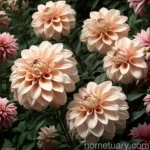
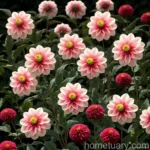
All About Dahlia ‘Frost Nip’
Dahlia ‘Frost Nip’ is a stunning and versatile flowering plant that has captured the hearts of many gardeners. With its vibrant blooms and strong resilience to cold temperatures, it has become a favorite choice for home gardens, landscaping, and floral arrangements. In this comprehensive guide, we will explore everything you need to know about Dahlia ‘Frost Nip’, from its characteristics and cultivation to its maintenance and common diseases. Whether you are a seasoned gardener or just starting, this article will equip you with valuable insights to grow and care for this beautiful plant successfully.
What is Plant: Dahlia ‘Frost Nip’
Dahlia ‘Frost Nip’ is a member of the Asteraceae family, which includes sunflowers, daisies, and asters. Known for its intricate and diverse flower forms, Dahlia encompasses a wide range of sizes, shapes, and colors. The ‘Frost Nip’ variety is specifically celebrated for its ability to withstand cooler temperatures and provide an extended blooming period, making it an attractive choice for gardens in regions with varying climates.
Key Takeaways – Dahlia ‘Frost Nip’
- Growing Zone: Suitable for zones 8-11
- Mature Size: 3-4 feet in height, 2-3 feet in width
- Bloom Time: Summer to Fall
- Exposure: Full sun
- Water: Regular watering, well-draining soil
- Maintenance: Moderate
Culture
Uses
Dahlia ‘Frost Nip’ serves various purposes due to its aesthetic appeal and versatility. Its main uses include:
- Ornamental Purposes: The vibrant and unique blooms make Dahlia ‘Frost Nip’ a popular choice for ornamenting gardens, landscapes, and floral displays.
- Cut Flowers: The long-lasting blooms of ‘Frost Nip’ make it an excellent choice for cut flower arrangements and bouquets, adding a splash of color to any setting.
Water
Consistent and appropriate watering is essential for the optimal growth and blooming of Dahlia ‘Frost Nip’. Adequate soil moisture can be maintained by following these guidelines:
- Regular Watering: Provide regular watering, ensuring that the soil remains evenly moist, but not waterlogged.
- Deep Watering: When watering, ensure that the water reaches the root zone, promoting healthy and robust growth.
Sunlight
Dahlia ‘Frost Nip’ thrives in full sun, benefitting from at least 6-8 hours of direct sunlight per day. When selecting a planting location, it is crucial to consider the following:
- Optimal Exposure: Choose a site with ample sunlight exposure to ensure vigorous growth and prolific flowering.
- Avoiding Shade: Minimize the presence of shade or obstructions that may hinder the plant from receiving sufficient sunlight.
Fertilizer
A balanced and nutrient-rich diet is essential for Dahlia ‘Frost Nip’ to thrive and produce abundant blooms. Here are some fertilization tips:
- Slow-Release Fertilizer: Apply a slow-release fertilizer with a balanced NPK ratio to the soil during planting to provide continuous nourishment.
- Regular Feeding: Throughout the growing season, supplement the soil with additional fertilizer to support the plant’s energy requirements and flower production.
Soil
Well-draining, nutrient-rich soil is crucial for the successful cultivation of Dahlia ‘Frost Nip’. Consider the following soil requirements:
- Loamy Soil: Choose well-draining, loamy soil that provides a good balance of drainage and moisture retention.
- pH Level: Aim for a slightly acidic to neutral pH level (6.5-7.0) to create an optimal growing environment for the plant.
Pruning
Pruning is an essential practice to maintain the health, shape, and flowering potential of Dahlia ‘Frost Nip’. Here are the key pruning guidelines:
- Deadheading: Regularly remove spent flowers to encourage continuous blooming and prevent seed formation.
- Pinching: Pinch or prune the plant when it reaches about 12-18 inches in height to promote bushier growth and more flower production.
Propagation
Dahlia ‘Frost Nip’ can be propagated using various methods, including division, cuttings, and seeds. Here are the primary propagation techniques:
- Division: Divide mature clumps in early spring to create new plants, ensuring that each division has healthy tubers and viable growing points.
- Cuttings: Take stem cuttings from healthy plants and root them in a suitable growing medium to establish new plants.
- Seeds: Collect and sow seeds in well-prepared soil to grow new plants, bearing in mind that seed-grown Dahlias may exhibit variations in characteristics.
Container Popularity
Dahlia ‘Frost Nip’ is well-suited for container gardening, offering an opportunity to enjoy its beauty in confined spaces or on patios. The plant’s popularity in containers is attributed to the following factors:
- Space Efficiency: Its compact size and prolific flowering make it an ideal choice for container gardens, balcony planters, and small outdoor spaces.
- Versatility: The portability of containers allows gardeners to move the plants as needed to optimize sunlight exposure and aesthetic appeal.
Common Diseases
While Dahlia ‘Frost Nip’ is relatively resilient, it may occasionally be susceptible to certain diseases. Understanding these common diseases is crucial for implementing preventive measures and timely interventions. Some prevalent diseases include:
- Powdery Mildew: A fungal disease that appears as powdery white patches on the foliage, often caused by high humidity and poor air circulation.
- Botrytis Blight: This fungal disease can result in gray mold on the flowers and stems, especially in high humidity or wet conditions.
- Viral Diseases: Various viral infections can affect Dahlias, leading to distorted growth, mottled leaves, and reduced vigor.
Disease Diagnosis
Accurately diagnosing diseases in Dahlia ‘Frost Nip’ is pivotal for initiating targeted treatments and preventing the spread of infections. Key steps in disease diagnosis include:
- Symptom Identification: Carefully observe the plant for any unusual symptoms, such as discoloration, spots, or abnormal growth patterns.
- Pathogen Identification: When possible, identify the causative agent of the disease, whether fungal, bacterial, or viral, to determine the most effective control measures.
Common Pests
Pest infestations can pose a threat to the health and vitality of Dahlia ‘Frost Nip’. Being aware of potential pest issues enables proactive pest management strategies. Some common pests include:
- Aphids: Small, sap-sucking insects that can cause distortion of new growth and transmit viruses.
- Spider Mites: Tiny arachnids that can infest the undersides of leaves, leading to stippling, webbing, and reduced photosynthetic function.
- Slugs and Snails: These mollusks can feed on the plant’s foliage and flowers, leaving behind irregular feeding marks and holes.
Botanist’s Tips
To ensure the successful growth and maintenance of Dahlia ‘Frost Nip’, consider the following expert tips from botanists and experienced gardeners:
- Mulching: Apply a layer of organic mulch around the base of the plant to conserve moisture, suppress weeds, and maintain a consistent soil temperature.
- Integrated Pest Management (IPM): Implement an IPM approach, incorporating cultural, biological, and selective chemical control methods to manage pests and diseases effectively.
- Winter Protection: In colder regions, provide winter protection by mulching around the base of the plant and storing tubers in a frost-free, well-ventilated location.
Fun Facts
- Origin: The Dahlia genus is native to the highlands of Mexico and was named after the Swedish botanist Anders Dahl.
- National Flower of Mexico: Dahlia is the national flower of Mexico, and it holds cultural significance in various regions around the world.
- Diversity: Dahlia encompasses a wide array of flower forms, including single, cactus, anemone, ball, and decorative types, showcasing remarkable diversity.
Links to External Resources
For more information on Dahlia ‘Frost Nip’ and related topics, you can explore the following external resources:
-
American Dahlia Society: The official website of the American Dahlia Society provides extensive resources, guides, and forums for Dahlia enthusiasts.
-
Royal Horticultural Society (RHS) – Growing Dahlias: The RHS offers valuable insights into growing Dahlias, including tips on cultivation, varieties, and care.
-
University of California Integrated Pest Management (IPM) – Dahlia Diseases: A comprehensive guide from the University of California IPM program highlighting common diseases of Dahlias and management strategies.
In conclusion, Dahlia ‘Frost Nip’ is a remarkable plant that captivates with its beauty, resilience, and versatility. By understanding its cultivation requirements, maintenance practices, and potential challenges, you can cultivate and enjoy the vibrant blooms of ‘Frost Nip’ in your garden or landscape. Whether you are drawn to its frost-resistant qualities, striking flowers, or container suitability, Dahlia ‘Frost Nip’ stands as a cherished addition to horticultural pursuits, adding color and charm to diverse settings.
Remember to share your experience of growing and caring for Dahlia ‘Frost Nip’ with fellow enthusiasts and aspiring gardeners, contributing to the collective knowledge and appreciation of this remarkable floral gem.
Keywords: Dahlia Frost Nip care, Frost Nip Dahlia varieties, Growing Dahlia ‘Frost Nip’, Dahlia ‘Frost Nip’ characteristics, Dahlia Frost Nip flowers, Frost Nip Dahlias for sale, Best companion plants for Dahlia Frost Nip, Winter care for Dahlia ‘Frost Nip’, Dahlia ‘Frost Nip’ planting guide, Dahlia Frost Nip blooms, Frost Nip Dahlias in cold climates, Dahlias with frost-resistant blooms, Frost Nip Dahlia bulbs, Dahlia ‘Frost Nip’ flower colors, Frost Nip Dahlias in garden design, How to propagate Dahlia ‘Frost Nip’, Dahlia ‘Frost Nip’ disease resistance, Frost Nip Dahlias in containers, Tips for growing Dahlias in frost-prone areas, Dahlia ‘Frost Nip’ in mixed borders, Frost Nip Dahlia foliage, Dahlias that withstand frost, Dahlia ‘Frost Nip’ pests and diseases, Pruning Dahlia ‘Frost Nip’, Frost Nip Dahlias in flower arrangements, Dahlia ‘Frost Nip’ growth habit, Frost Nip Dahlias for cut flowers, Dahlia ‘Frost Nip’ bloom time, Dahlia ‘Frost Nip’ maintenance, Winter storage of Dahlia ‘Frost Nip’ tubers, Frost-resistant Dahlias for landscaping, Dahlia ‘Frost Nip’ in full sun, Dahlia ‘Frost Nip’ in partial shade, Winter protection for Dahlia ‘Frost Nip’, Dahlias resistant to frostbite, Dahlia ‘Frost Nip’ garden design ideas, Frost Nip Dahlias in raised beds, Dahlia ‘Frost Nip’ soil requirements, Dahlia ‘Frost Nip’ watering needs, Cold-hardy Dahlias for frost-prone regions, Dahlia ‘Frost Nip’ flower size, Frost Nip Dahlia colors, Companion plants for Dahlia ‘Frost Nip’, Dahlia ‘Frost Nip’ plant size, Dahlia ‘Frost Nip’ bloom period, Diseases common to Dahlia ‘Frost Nip’, Dahlia ‘Frost Nip’ drought tolerance, Pest control for Dahlia ‘Frost Nip’, Dahlia ‘Frost Nip’ in a mixed flower bed, Growing Dahlia ‘Frost Nip’ from seed.