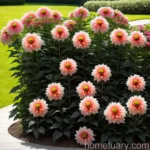
What is a Dahlia ‘Babylon Red’
Dahlia ‘Babylon Red’ is a stunning and vibrant flowering plant known for its showy red blooms and lush foliage. As a member of the Asteraceae family, the genus Dahlia encompasses a wide range of species, hybrids, and cultivars that have captivated the hearts of gardeners and floral enthusiasts for centuries.
In this comprehensive guide, we will explore the captivating world of Dahlia ‘Babylon Red’, delving into its cultural significance, care requirements, propagation methods, common pests and diseases, and so much more. Whether you are a seasoned gardener or a budding enthusiast, join us on this journey to unravel the beauty and mysteries of the Dahlia ‘Babylon Red’.
Key Takeaways
Before we delve into the specifics of Dahlia ‘Babylon Red’, let’s establish some key takeaways that will guide us through this exploration:
- The vibrant red blooms of Dahlia ‘Babylon Red’ make it a showstopper in gardens and floral displays.
- Proper care, including watering, sunlight, soil, and pruning, is essential for the optimal growth of Dahlia ‘Babylon Red’.
- Propagation of Dahlia ‘Babylon Red’ can be achieved through various methods such as division, seed sowing, and cuttings.
- Common diseases and pests, such as powdery mildew and aphids, can affect Dahlia ‘Babylon Red’, necessitating preventive measures and appropriate treatments.
- Dahlia ‘Babylon Red’ is versatile and can thrive in containers, garden borders, and floral arrangements.
- Understanding the characteristics and requirements of Dahlia ‘Babylon Red’ can lead to its successful cultivation and abundant flowering.
Now, let’s dive into the fascinating world of Dahlia ‘Babylon Red’ and explore its captivating attributes and care requirements.
Plant Name: Dahlia ‘Babylon Red’
- Scientific Name: Dahlia ‘Babylon Red’
- Common Name: Babylon Red Dahlia
- Genus: Dahlia
- Cultivar: Babylon Red
- Color: Red
- Type: Perennial
Culture
The culture of Dahlia ‘Babylon Red’ encompasses its historical significance, symbolism, and its role in horticulture and gardening practices. Understanding the cultural aspects of this captivating plant adds depth and meaning to its presence in gardens and floral displays worldwide.
Historical Significance
Dahlias, including the enchanting ‘Babylon Red’ variety, hold a rich historical significance. Originating from the mountainous regions of Mexico and Central America, they were first discovered and cultivated by the indigenous peoples of these areas. The Aztecs, in particular, recognized the dahlia’s ornamental value and diverse uses, including as a food source and as a treatment for epilepsy.
In the 16th century, Spanish conquistadors and botanists were introduced to the dahlia, and its journey to Europe began. It wasn’t until the late 18th century, however, that the dahlia was officially classified and named after the Swedish botanist, Anders Dahl. Since then, dahlias have evolved through extensive hybridization and selective breeding, leading to the vast array of cultivars and varieties we have today.
The ‘Babylon Red’ dahlia, known for its captivating red blooms, is a testament to the enduring allure and cultural importance of this plant. Its rich and vibrant color has made it a beloved and sought-after addition to gardens, floral displays, and cultural events, forging a deep connection with enthusiasts, florists, and admirers worldwide.
Symbolism and Cultural Importance
In the language of flowers and symbolic representations, the dahlia holds various meanings, with each color and variety conveying different sentiments. While red dahlias, including the ‘Babylon Red’ cultivar, are often associated with themes of strength, power, and love, they can also symbolize commitment and a celebration of life’s enduring beauty.
The presence of red dahlias in gardens, bouquets, and events has permeated different cultures and historical periods, creating a lasting impact on art, literature, and horticultural practices. Their rich symbolism and captivating allure have positioned them as a timeless and cherished component of floral traditions and expressions.
Uses
The uses of Dahlia ‘Babylon Red’ span beyond its ornamental value, encompassing its role in gardens, floral displays, and its cultural significance in various contexts. Understanding the diverse uses of this captivating plant offers insights into its versatility and widespread appeal.
Ornamental Value
Dahlia ‘Babylon Red’ serves as a captivating and vibrant ornamental plant, adding a burst of color and texture to garden beds, borders, and containers. The striking red blooms, often adorned with lush green foliage, make it a valuable addition to diverse garden landscapes, creating visual interest and focal points in outdoor spaces.
The captivating blooms of ‘Babylon Red’ dahlias also hold significant value in floral arrangements, events, and celebrations. Florists and enthusiasts alike integrate these vibrant flowers into bouquets, centerpieces, and decorative displays, harnessing their visual impact and lasting charm.
The ornamental value of Dahlia ‘Babylon Red’ extends to its role in enhancing public and private gardens, contributing to the beautification of urban spaces, botanical gardens, and public parks. Its widespread appeal and allure have cemented its position as a beloved and iconic ornamental plant, enriching horticultural landscapes and floral compositions.
Cultural and Symbolic Significance
In addition to its ornamental uses, Dahlia ‘Babylon Red’ holds cultural and symbolic significance in various settings and traditions. From weddings and special occasions to cultural events and memorial services, the inclusion of red dahlias, including the captivating ‘Babylon Red’ variety, resonates deeply with their symbolic representations of strength, love, and enduring beauty.
The presence of ‘Babylon Red’ dahlias in floral designs, installations, and artistic expressions reflects their cultural importance and enduring allure. Their vibrant color and graceful blooms evoke emotions and sentiments that transcend language barriers, making them a timeless and cherished element in cultural and symbolic contexts.
The cultural and symbolic uses of Dahlia ‘Babylon Red’ highlight its multidimensional appeal and its ability to convey profound meanings and emotions across diverse cultural and societal landscapes.
Care
The care requirements of Dahlia ‘Babylon Red’ are essential for nurturing its optimal growth, robust blooming, and overall health. From watering and sunlight exposure to soil composition and pruning techniques, understanding the specific care needs of this captivating plant is crucial for its successful cultivation.
Water
Proper watering practices are vital for maintaining the health and vigor of Dahlia ‘Babylon Red’. While dahlias require consistent moisture, especially during their active growth and blooming periods, they are susceptible to issues such as root rot and fungal diseases if they are overwatered or if their soil remains waterlogged.
-
Watering Frequency: During the growing season, provide ample water to Dahlia ‘Babylon Red’, ensuring that the soil is moist but not waterlogged. Monitor the moisture levels regularly, adjusting the watering frequency based on environmental conditions and the plant’s specific needs.
-
Watering Method: Direct the water to the base of the plants, avoiding wetting the foliage and blooms. This reduces the risk of fungal infections and promotes efficient water uptake by the dahlia’s root system.
-
Drought Tolerance: While dahlias require consistent moisture, they also exhibit a degree of drought tolerance once established. However, prolonged periods of drought can impact their growth and flowering, making regular watering a priority.
Proper watering practices play a pivotal role in sustaining the health and vitality of Dahlia ‘Babylon Red’, contributing to its robust growth and abundant flowering.
Sunlight
Adequate sunlight is crucial for the growth, blooming, and overall performance of Dahlia ‘Babylon Red’. As sun-loving plants, dahlias thrive in bright, direct sunlight, and their blooming potential can be hindered if they are grown in shaded or low-light environments.
-
Sun Exposure: Ideally, plant Dahlia ‘Babylon Red’ in a location that receives full sunlight for the majority of the day. This ensures that the plants receive the necessary light energy for photosynthesis, blooming, and overall vitality.
-
Shade Tolerance: While dahlias require ample sunlight, they can tolerate some degree of light afternoon shade, particularly in regions with intense summer heat. However, prolonged periods of shade can impact their growth and flowering potential.
-
Sunlight Requirements: Aim to provide Dahlia ‘Babylon Red’ with a minimum of 6-8 hours of direct sunlight daily, ensuring that the plants are positioned in a location with ample exposure to the sun’s rays.
By ensuring that Dahlia ‘Babylon Red’ receives the necessary sunlight, gardeners can optimize its growth, blooming potential, and overall vigor, resulting in a stunning display of vibrant red blooms.
Fertilizer
The fertilization of Dahlia ‘Babylon Red’ plays a pivotal role in providing essential nutrients for robust growth, prolific blooming, and overall plant health. Understanding the appropriate fertilization practices is essential for maximizing the dahlia’s ornamental value and vitality.
-
Fertilizer Selection: Choose a balanced, water-soluble fertilizer with a formulation such as 10-10-10 or 20-20-20 to provide a comprehensive mix of essential macro and micronutrients. Ensure that the fertilizer contains sufficient phosphorus to support blooming and flower production.
-
Fertilization Schedule: Begin fertilizing Dahlia ‘Babylon Red’ after the last spring frost or once new growth emerges. Apply fertilizer every 4-6 weeks throughout the growing season, tapering off as the plants approach their dormant phase in late fall.
-
Application Method: Dilute the fertilizer according to the manufacturer’s recommendations and apply it to the soil around the base of the plants, ensuring that it is distributed evenly and watered in thoroughly.
By following a balanced and consistent fertilization schedule, gardeners can promote the robust growth, vibrant blooms, and overall vigor of Dahlia ‘Babylon Red’, enhancing its ornamental value and vitality.
Soil
The soil composition and quality significantly influence the growth, blooming potential, and overall health of Dahlia ‘Babylon Red’. By understanding the specific soil requirements of this captivating plant, gardeners can create an optimal growing environment that supports its vitality and ornamental value.
-
Well-Draining Soil: Plant Dahlia ‘Babylon Red’ in well-draining, loamy soil that effectively prevents waterlogging and promotes healthy root development. Amending the soil with organic matter such as compost or aged manure enhances its drainage and fertility.
-
pH Level: Aim for a soil pH level ranging from 6.5 to 7.0, providing a slightly acidic to neutral environment that supports nutrient uptake and overall plant health.
-
Soil Preparation: Prior to planting, prepare the soil by loosening it to a depth of 12-15 inches, removing debris, and integrating organic amendments to improve its structure and fertility.
By cultivating a suitable soil environment for Dahlia ‘Babylon Red’, gardeners can create the foundation for robust growth, abundant flowering, and the overall health and vitality of this captivating plant.
Pruning
Pruning practices are essential for maintaining the form, aesthetics, and overall health of Dahlia ‘Babylon Red’, contributing to its tidy appearance and sustained blooming potential. By adopting proper pruning techniques, gardeners can optimize the dahlia’s performance, resilience, and ornamental value.
-
Deadheading: Regularly remove spent blooms and withered flowers to promote continuous blooming and prevent the formation of seed heads. Deadheading redirects the plant’s energy towards new growth and flower production, enhancing its overall appearance and vitality.
-
Thinning: Throughout the growing season, thin out excessive growth, lateral stems, and crowded foliage to improve air circulation, reduce the risk of fungal diseases, and maintain the plant’s vigor. Prune back any damaged or diseased foliage to prevent the spread of infections.
-
Overwintering Pruning: In regions with cold winters, cut back the foliage of Dahlia ‘Babylon Red’ after the first frost, leaving 4-6 inches of stems above the soil level. This prepares the plants for dormancy and facilitates healthy regrowth in the following growing season.
Adopting regular pruning practices for Dahlia ‘Babylon Red’ plays a crucial role in sustaining its blooming potential, aesthetic appeal, and overall plant health, promoting a vibrant and resilient display of red blooms.
Propagation
The propagation of Dahlia ‘Babylon Red’ offers gardeners the opportunity to expand their dahlia collection, share plants with fellow enthusiasts, and preserve the genetic diversity of this captivating cultivar. By exploring various propagation methods, such as division, seed sowing, and cuttings, gardeners can perpetuate the allure and cultural significance of ‘Babylon Red’ dahlias.
Division
-
Division Timing: Divide Dahlia ‘Babylon Red’ in early spring, once new shoots emerge, or in late fall after the plants have entered their dormant phase. Choose healthy, vigorous clumps to ensure successful propagation.
-
Division Process: Carefully dig up the dahlia clumps, ensuring that each division possesses viable tubers and healthy growth points. Use a sharp, sterile knife to separate the clumps, ensuring that each division has at least one growing point and sufficient tuber mass for establishment.
-
Planting Divisions: Replant the divisions in prepared soil, ensuring that the tubers are positioned at the appropriate depth and that the soil is adequately amended and watered. Monitor the newly planted divisions for signs of growth and provide appropriate care as they establish themselves.
Successful division of Dahlia ‘Babylon Red’ enables gardeners to multiply their plants, expand their dahlia collection, and contribute to the preservation and enjoyment of this captivating cultivar.
Seed Sowing
-
Seed Harvesting: After the blooming period, allow the flowers of Dahlia ‘Babylon Red’ to form seed heads. Once the seed heads have matured and begun to dry, carefully collect the seeds, ensuring that they are fully dried and free from debris.
-
Sowing Process: Sow the dahlia seeds in well-draining and nutrient-rich seed-starting mix, covering them with a thin layer of soil. Maintain consistent moisture and warmth, providing the optimal conditions for germination and seedling establishment.
-
Seedling Care: As the dahlia seedlings emerge, provide them with adequate light, moisture, and gentle airflow to promote healthy growth and vigor. Transplant the seedlings to individual containers or prepared garden beds once they have developed several sets of true leaves.
By harvesting and sowing seeds of Dahlia ‘Babylon Red’, gardeners can explore the fascinating process of growing dahlias from seed and witnessing the genetic diversity and unique characteristics of each seedling.
Cuttings
-
Cutting Selection: Choose healthy, non-flowering shoots of Dahlia ‘Babylon Red’ for propagating through cuttings. Select sections of the stems that possess several sets of leaves and exhibit vigorous growth.
-
Cutting Preparation: Use a sharp, sterile knife to take 4-6 inch cuttings from the selected shoots, ensuring that each cutting has at least two sets of leaves. Remove the lower set of leaves and any flower buds to focus the plant’s energy on root development.
-
Rooting Process: Dip the base of the cuttings in a rooting hormone to promote the formation of roots and plant them in a well-draining medium. Maintain consistent moisture and provide gentle warmth and indirect light to facilitate rooting and subsequent growth.
By propagating Dahlia ‘Babylon Red’ through cuttings, gardeners can multiply their plants, preserve the unique traits of this captivating cultivar, and share the beauty of ‘Babylon Red’ dahlias with fellow enthusiasts and admirers.
Container Popularity
The flexibility and ornamental value of Dahlia ‘Babylon Red’ make it a popular choice for container gardening, allowing enthusiasts to showcase its vibrant blooms and lush foliage in limited spaces, patios, and urban environments. By cultivating this captivating dahlia in containers, gardeners can enhance its portability, integration into diverse settings, and overall visual impact.
Container Selection
When growing Dahlia ‘Babylon Red’ in containers, it is essential to choose suitable pots or planters that accommodate the plant’s growth, root system, and ornamental value. Select containers with adequate drainage holes, sufficient depth, and a capacity that allows for robust root development and thriving growth.
-
Container Size: Opt for large containers with a volume of at least 10-12 inches in diameter for single Dahlia ‘Babylon Red’ plants, ensuring that the roots have ample space for expansion and establishment.
-
Drainage: Ensure that the containers have sufficient drainage holes at the base, promoting efficient water drainage and preventing waterlogged soil, which can lead to root rot and other issues.
-
Material: Choose durable, weather-resistant containers made of materials such as terracotta, fiberglass, or resin, ensuring that they can withstand outdoor conditions and provide an optimal environment for the dahlia’s growth.
The selection of suitable containers is crucial for the successful cultivation of Dahlia ‘Babylon Red’, providing an accommodating and visually appealing environment for this captivating plant.
Planting and Maintenance
Cultivating Dahlia ‘Babylon Red’ in containers requires attention to planting techniques, maintenance practices, and the overall care of potted dahlias to ensure their sustained health and ornamental appeal.
-
Planting Depth: Position the dahlia tubers in the containers at a depth of 4-6 inches, covering them with well-draining potting mix and providing sufficient water to initiate growth and establishment.
-
Watering and Fertilizing: Monitor the moisture levels of the potting mix and provide regular watering as needed to maintain consistent moisture. Fertilize the potted dahlias according to a balanced schedule, providing essential nutrients for their growth and blooming potential.
-
Support and Pruning: As the dahlia plants grow, provide adequate support, such as stakes or cages, to prevent sprawling and maintain their form. Implement regular pruning techniques, such as deadheading and thinning, to enhance their appearance and blooming capacity.
Cultivating Dahlia ‘Babylon Red’ in containers offers gardeners the opportunity to showcase its vibrant blooms and lush foliage in versatile and confined spaces, adding a burst of color and visual interest to patios, balconies, and outdoor settings.
Common Diseases
Despite their resilience and ornamental appeal, Dahlias, including the captivating ‘Babylon Red’ variety, are susceptible to a range of diseases that can impact their growth, blooming potential, and overall health. By recognizing and understanding these common diseases, gardeners can implement preventive measures and suitable treatments to protect their dahlias and sustain their vitality.
Disease Diagnosis
Several common diseases can affect Dahlias, including ‘Babylon Red’, necessitating vigilant observation and suitable interventions to mitigate their impact. Some of the prevalent diseases that gardeners may encounter when cultivating Dahlia ‘Babylon Red’ include:
-
Powdery Mildew: This fungal disease manifests as a powdery white coating on the dahlia’s leaves, reducing their vigor and promoting premature leaf drop. It thrives in humid conditions and can impact the plant’s overall health.
-
Botrytis Blight: Also known as gray mold, this disease causes the formation of gray