Plant Care Guide: Cyclamineus Daffodil (Narcissus ‘Jack Snipe’)
The cyclamineus daffodil, scientifically known as Narcissus ‘Jack Snipe’, is a charming and delicate perennial bulb that belongs to the Amaryllidaceae family. This plant is famed for its elegant, reflexed petals and a prominent corona that creates a unique visual appeal in gardens and landscapes. In this comprehensive plant care guide, we’ll delve into the various aspects of caring for the cyclamineus daffodil, covering everything from cultivation and propagation to common diseases and fun facts.
What is a Cyclamineus Daffodil (Narcissus ‘Jack Snipe’)?
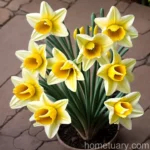
The cyclamineus daffodil, Narcissus ‘Jack Snipe’, is a captivating small-cupped daffodil variety that blooms in early to mid-spring, adding a splash of color and elegance to gardens, borders, and containers. It presents distinct characteristics, including upswept petals and a petite, fluted cup that gives it a dainty and graceful appearance, making it a standout choice for various landscaping and gardening applications.
Key Takeaways – Cyclamineus Daffodil (Narcissus ‘Jack Snipe’)
Before delving into the specifics of caring for this enchanting flower, here are some key takeaways:
- Scientific Name: Narcissus ‘Jack Snipe’
- Common Name: Cyclamineus Daffodil
- Family: Amaryllidaceae
- Bloom Time: Early to Mid-Spring
- Characteristics: Upswept petals, fluted cup, petite size
- Uses: Gardens, borders, containers, cut flowers
- Special Feature: Enchanting visual appeal, early blooming
Now, let’s explore the essential aspects of caring for the cyclamineus daffodil, from its culture and maintenance to propagation and potential pests and diseases.
Culture
Understanding the cultural requirements of the cyclamineus daffodil is crucial for its successful growth and blooming. Here’s a detailed overview of its cultural needs:
Water
Cyclamineus daffodils require well-drained soil and moderate watering. While they appreciate consistent moisture during their active growth phase, it’s essential to avoid waterlogged conditions, as this can lead to bulb rot and other issues. Adequate watering during the growing season helps promote healthy foliage and vigorous flowering.
Sunlight
These daffodils thrive in full to partial sunlight. They need at least 6 hours of direct sunlight to support robust growth and vibrant blooms. Plant them in a location that receives ample sunlight while also offering some protection from the harsh afternoon sun, especially in warmer climates.
Fertilizer
A balanced, slow-release fertilizer applied in early spring when new growth emerges can help provide the necessary nutrients for the cyclamineus daffodil’s development. Additionally, incorporating well-rotted organic matter into the soil during planting can contribute to its nutritional needs and overall vigor.
Soil
Well-drained, moderately fertile soil is ideal for cyclamineus daffodils. It’s essential to ensure that the soil is loose and friable, allowing the bulbs to establish roots and develop without encountering compacted or waterlogged conditions. A slightly acidic to neutral pH range is generally suitable for these daffodils.
Pruning
Pruning requirements for cyclamineus daffodils are relatively minimal. Once the flowers fade, it’s beneficial to deadhead them by removing the spent blooms. However, it’s crucial to allow the foliage to wither and yellow naturally before removing it. This allows the bulbs to store energy for the next growing season.
Propagation
Narcissus ‘Jack Snipe’ can be propagated from offsets and seeds. Division of offsets from established clumps after the foliage has died back can be an effective method of increasing the plant population. Additionally, collecting seeds and sowing them in a well-prepared seedbed provides an alternative means of propagation, albeit with a longer time frame for blooms.
Container Popularity
Cyclamineus daffodils are well-suited for container cultivation, making them versatile choices for patio gardens, balconies, and other small-space gardening scenarios. Their compact size and enchanting blooms add ornamental value to container displays, lending a touch of elegance and freshness to outdoor living areas.
Common Diseases
While cyclamineus daffodils are relatively low-maintenance and disease-resistant, they can still be susceptible to certain issues under unfavorable conditions. Some common diseases that may affect these daffodils include:
- Botrytis Blight: Also known as gray mold, botrytis blight can affect the foliage and flowers, leading to browning and decay. Proper air circulation and sanitation practices are essential in managing this fungal disease.
- Narcissus Bulb Fly: The larvae of this pest can damage daffodil bulbs, leading to rot and decline. Effective management involves monitoring and controlling adult fly populations to prevent infestations.
Disease Diagnosis
Diagnosing diseases affecting cyclamineus daffodils requires a keen eye for symptoms and an understanding of common issues that can arise. It’s crucial to closely observe the foliage, stems, and blooms for signs of discoloration, lesions, or wilting. Additionally, monitoring the overall vigor and growth patterns of the plants can provide insights into potential disease issues.
Common Pests
Similar to diseases, cyclamineus daffodils can encounter pest challenges, albeit less frequently. Some common pests that may affect these daffodils include:
- Aphids: These small, sap-sucking insects can infest daffodil foliage, leading to distorted growth and reduced vigor. Regular monitoring and targeted insecticide applications can help manage aphid populations.
Botanist’s Tips
To ensure the thriving growth and blooming of cyclamineus daffodils, here are some expert tips to consider:
- Plant in Well-Drained Soil: Ensuring proper drainage is essential for preventing bulb rot and other soil-related issues.
- Provide Adequate Sunlight: Positioning the daffodils in a location with sufficient sunlight promotes strong and healthy growth.
- Monitor for Pests and Diseases: Regular inspections help detect issues early, allowing for prompt intervention and management.
- Allow Natural Withering of Foliage: Allowing the foliage to yellow and wither naturally supports the bulbs in storing energy for the next season.
Fun Facts
Here are some intriguing and delightful facts about cyclamineus daffodils:
- Symbolic Significance: Daffodils, including the cyclamineus variety, are often associated with rebirth, new beginnings, and positive energy.
- Mythological Connections: In Greek mythology, the daffodil is linked to the story of Narcissus, a figure known for his beauty and vanity, lending the plant its scientific name, Narcissus.
- Range of Colors: Cyclamineus daffodils come in a range of colors, including shades of yellow, orange, and white, adding diversity to their visual appeal.
Links to External Resources
For further information on cyclamineus daffodils, their cultivation, and related topics, here are some valuable external resources:
- Royal Horticultural Society – Narcissus – The RHS provides comprehensive insights into various Narcissus species, including care guidelines and cultivation advice.
- American Daffodil Society – The ADS offers a wealth of resources on daffodil varieties, events, and growing tips, serving as a valuable source of information for enthusiasts.
- University of Maryland Extension – Daffodils – The UMD Extension provides detailed information on daffodil cultivation, including soil preparation, planting, and maintenance recommendations.
In conclusion, the cyclamineus daffodil, Narcissus ‘Jack Snipe’, is a captivating flower that adds charm and elegance to gardens, containers, and landscapes. By understanding and implementing the appropriate care guidelines, enthusiasts can enjoy the beauty and allure of these dainty daffodils, creating stunning displays and enhancing outdoor spaces. Whether planted in garden beds or showcased in containers, these delightful blooms bring a touch of early spring magic to the gardening world.
References
- “Cyclamineus Daffodils for Pots and Containers – Author: Sandra Cox”. Springer Netherlands. DOI: 10.1007/978-94-007-2535-3_5
- “Gardeners’ World – Daffodils”. https://www.gardenersworld.com/plants/20-daffodils-to-plant/
- “The American Daffodil Society – Cultivation Guidelines for Daffodils”. https://daffodilusa.org/flower-shows/cultivation/
- “Growing Narcissus Bulbs – A Planting Guide”. University of Illinois Extension. https://web.extension.illinois.edu/bulbs/planting_guidelines.cfm