Split-Corona Daffodil (Narcissus ‘Tricollet’): A Comprehensive Guide
Introduction
Narcissus ‘Tricollet’, commonly known as the split-corona daffodil, is a captivating and exquisite flowering plant that belongs to the Amaryllidaceae family. This plant is renowned for its stunning blossoms with a unique corona that is divided or split in some way, hence the name “split-corona daffodil”. As a plant scientist with a passion for studying and understanding the intricacies of various plant species, I am excited to delve into the world of this fascinating daffodil variety. In this comprehensive guide, we will explore the characteristics of the split-corona daffodil, its cultivation, maintenance, and more to provide enthusiasts and horticulturists with valuable insights on how to care for this beautiful plant.
What is a Plant: Split-Corona Daffodil (Narcissus ‘Tricollet’)?
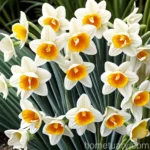
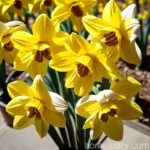
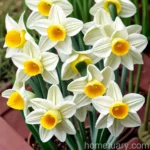
The split-corona daffodil, or Narcissus ‘Tricollet’, is a unique cultivar of the Narcissus genus known for its distinctive floral structure. Unlike traditional daffodils with a trumpet-shaped corona, the split-corona daffodil features a corona that is split, frilled, or lobed, creating an alluring and unusual visual appeal. This characteristic sets it apart from other daffodil varieties and makes it a sought-after choice for gardens, landscapes, and floral arrangements.
Key Takeaways – Split-Corona Daffodil (Narcissus ‘Tricollet’)
Before we delve deeper into the specifics of cultivating and caring for the split-corona daffodil, it’s essential to highlight the key takeaways that will guide our exploration. These key takeaways provide a comprehensive overview and serve as the foundation for understanding the cultivation, uses, and maintenance of this captivating daffodil variety.
Culture
- Origin: The split-corona daffodil is a cultivar derived from the larger Narcissus genus, which encompasses numerous species and cultivars native to Europe and North Africa.
- Growth Habit: This daffodil variety exhibits a clump-forming growth habit, producing multiple stems with flowering clusters.
Uses
- Ornamental: The split-corona daffodil is primarily cultivated for ornamental purposes, adding elegance and charm to gardens, landscapes, and floral displays.
- Cut Flowers: Its long-lasting blooms make it a popular choice for cut flower arrangements and bouquets.
Water
- Moderate Watering: These daffodils prefer moderately moist but well-draining soil. Adequate watering is essential, particularly during the growing and flowering periods.
Sunlight
- Sun Requirements: Plant the split-corona daffodil in locations with full to partial sunlight. It thrives in areas with 6-8 hours of direct sunlight per day.
Fertilizer
- Balanced Fertilization: Use a balanced, water-soluble fertilizer formulated for flowering bulbs to promote healthy growth and prolific blooming.
Soil
- Well-Draining Soil: Plant the split-corona daffodil in well-draining, fertile soil with a slightly acidic to neutral pH (6.0-7.0).
Pruning
- Post-Flowering Care: After the blooming period, deadhead spent flowers to encourage the plant to redirect its energy towards bulb development and future growth.
Propagation
- Division: Propagate the split-corona daffodil through bulb division, separating offsets from mature bulbs.
- Seed Propagation: While less common, propagation from seeds is also possible, though it requires patience and a longer timeline to see flowering results.
Container Popularity
- Container Gardening: The split-corona daffodil can thrive in containers, making it an ideal choice for small gardens, patios, and balconies.
Container Common Diseases
- Rot Prevention: Ensure proper drainage in containers to prevent the onset of bulb rot and fungal diseases.
Disease Diagnosis
- Pest and Disease Monitoring: Regularly inspect the foliage and bulbs for signs of pests, fungal infections, and other diseases. Prompt diagnosis and treatment are essential for maintaining plant health.
Common Pests
- Pest Control: Watch out for common pests such as aphids, thrips, and bulb-eating rodents. Implement integrated pest management strategies to address infestations.
Botanist’s Tips
- Personalized Care: Adapt cultivation practices based on your specific climate, soil conditions, and local pest pressures for the best results.
- Soil Amendments: Consider amending the soil with organic matter to improve its structure and fertility.
Fun Facts
- Historical Significance: Daffodils, including the split-corona varieties, have been celebrated in literature, art, and cultural traditions for centuries, symbolizing rebirth, renewal, and the arrival of spring.
Now that we have established the essential aspects of the split-corona daffodil’s cultivation and maintenance, let’s delve deeper into each of these elements to provide a comprehensive understanding of its requirements and care. It’s time to explore the intricacies of cultivating and nurturing the captivating split-corona daffodil!
Cultivating the Split-Corona Daffodil (Narcissus ‘Tricollet’)
Planting Guide
The successful cultivation of the split-corona daffodil begins with proper planting techniques and thoughtful consideration of its specific requirements. Whether you are establishing a new daffodil bed, integrating these plants into an existing landscape, or nurturing them in containers, adhering to best practices ensures the optimal growth and flowering of this unique daffodil variety.
Soil Requirements
As with many bulbous plants, the quality and composition of the soil play a crucial role in the growth and overall well-being of the split-corona daffodil. When selecting a planting site or preparing containers for this daffodil variety, consider the following soil conditions:
- Well-Draining Soil: Ensure that the soil has good drainage to prevent waterlogging and the onset of bulb rot. If the soil on your property has poor drainage, consider raised beds or container gardening to provide the ideal growing conditions.
- Soil Structure: Loamy or sandy soils with a friable texture are desirable for daffodil cultivation. These soil types allow for adequate aeration and root development, contributing to the overall health of the plants.
- Soil pH: Aim for a slightly acidic to neutral pH range of 6.0-7.0, as this supports nutrient availability and uptake by the daffodil bulbs.
Planting Depth and Spacing
When planting split-corona daffodil bulbs, adhere to the recommended depth and spacing guidelines to ensure proper establishment and abundant flowering in subsequent seasons. Consider the following factors when determining bulb placement:
- Planting Depth: Dig planting holes to a depth of approximately 6-8 inches (15-20 cm) for large bulbs and 4-6 inches (10-15 cm) for smaller bulbs. As a general rule of thumb, the planting depth should be roughly three times the height of the bulb.
- Spacing: Space the bulbs 4-6 inches (10-15 cm) apart to allow for adequate air circulation and to accommodate the plants’ mature clumping habit.
Planting Time
The ideal time for planting split-corona daffodil bulbs is in the fall, generally 2-4 weeks before the ground freezes. Aim to complete the planting process before the onset of harsh winter conditions, allowing the bulbs to establish a root system before entering dormancy. In regions with milder winters, planting can occur in late autumn, maximizing the time for root development prior to spring emergence.
Watering and Establishment
Once the bulbs are planted at the appropriate depth and spacing, ensure thorough watering to facilitate initial root growth and establishment. While the bulbs may not require frequent watering immediately after planting, provide moisture to settle the soil and initiate the early stages of root development. Monitor the moisture levels in the soil to prevent it from becoming overly dry or waterlogged during the establishment phase.
Mulching Practices
Applying a layer of organic mulch, such as straw, shredded bark, or compost, over the planted area offers numerous benefits for the daffodil bulbs:
- Moisture Retention: Mulch helps to conserve soil moisture, particularly during winter and early spring when precipitation may be limited.
- Weed Suppression: A mulch layer inhibits weed growth, reducing competition for nutrients and minimizing the need for frequent weeding around the daffodil bed or container.
- Insulation: Mulch acts as an insulating barrier, protecting the soil and bulbs from temperature fluctuations and frost heaving.
Characteristics of the Split-Corona Daffodil
The allure of the split-corona daffodil lies in its distinctive floral characteristics and captivating visual impact. To fully appreciate and understand this daffodil variety, let’s examine its key characteristics and defining features that set it apart from traditional daffodils.
Floral Structure
The most prominent and defining characteristic of the split-corona daffodil is its unique floral structure. Unlike the classic trumpet-shaped corona found in most daffodil varieties, the corona of the split-corona daffodil is distinctive due to its division, frilling, or lobing. This feature gives the flowers an ornate and intricate appearance, captivating the eye and adding an element of elegance to gardens and floral arrangements.
Flower Color and Variations
Split-corona daffodil cultivars are available in a wide array of colors and combinations, offering gardeners and floral enthusiasts a diverse palette to choose from. Common flower colors include shades of yellow, white, orange, pink, and bi-color variations that feature contrasting corona and perianth hues. Some popular cultivars may exhibit subtle color gradients, enhancing the visual appeal of the blooms.
Blooming Season
The split-corona daffodil typically blooms in early to mid-spring, heralding the arrival of the growing season with its vibrant and enchanting flowers. The exact blooming period may vary depending on the specific cultivar, local climate, and prevailing weather conditions. However, in most regions, the sight of these daffodils in full bloom signals the transition from winter dormancy to the lively renewal of nature in spring.
Height and Spread
In terms of its growth habit and size, the split-corona daffodil generally attains a moderate height and spread, making it well-suited for various garden settings. On average, mature plants reach a height of 12-18 inches (30-45 cm) and develop a corresponding spread, creating visually impactful clusters of flowers in garden beds, borders, and containers.
By understanding and appreciating the unique characteristics of the split-corona daffodil, gardeners and enthusiasts gain valuable insight into the plant’s aesthetic appeal and its potential for enhancing diverse outdoor spaces. Next, let’s explore the specific requirements for maintaining and caring for split-corona daffodils throughout the growing season and beyond.
Cultivation and Maintenance of Split-Corona Daffodils
Caring for split-corona daffodils requires attention to various aspects of cultivation, from providing optimal growing conditions to addressing potential pests and diseases that may affect the plants. By incorporating best practices for watering, fertilization, and overall maintenance, it is possible to ensure the health and vitality of these captivating daffodils, allowing them to thrive and grace gardens with their exquisite blooms.
Sunlight Preferences
The split-corona daffodil thrives in locations with full to partial sunlight, making it well-suited for traditional garden beds as well as container gardening on patios and balconies. When selecting a planting site for these daffodils, prioritize areas that receive 6-8 hours of direct sunlight each day to promote robust growth and abundant flowering. Adequate sunlight is essential for the plants to undergo photosynthesis and develop strong, healthy foliage and vibrant blossoms.
Water Needs
Proper watering is a fundamental aspect of split-corona daffodil care, influencing the overall health and resilience of the plants. Understanding the specific water needs of these daffodils, especially during critical growth stages, is vital for maintaining optimal moisture levels and preventing stress or dehydration.
Seasonal Watering Guidelines
- Spring and Early Summer: During the active growth and flowering phases, provide regular watering to ensure that the soil remains moderately moist but not waterlogged. This is particularly important when the weather is dry or during periods of limited rainfall.
- Late Summer and Fall: As the foliage begins to senesce and the bulbs enter dormancy, gradually reduce watering to allow the soil to dry out slightly. This helps to prevent bulb rot and fungal diseases associated with excessively moist conditions during the dormant period.
Watering Practices
- Frequency: Water the daffodils deeply and infrequently, allowing the soil to dry out slightly between watering sessions. This encourages the development of strong and resilient roots while minimizing the risk of water-related issues.
- Mulch Benefits: Mulch aids in moisture retention, reducing the frequency of watering during dry spells and providing an additional layer of protection for the bulbs and roots.
Fertilization Tips
Applying a balanced fertilizer specifically formulated for flowering bulbs is instrumental in providing essential nutrients to split-corona daffodils, promoting healthy growth, and supporting prolific flowering. Consider the following guidelines when fertilizing these daffodils to ensure optimal results:
Fertilization Schedule
- Spring Feeding: Apply a granular or water-soluble bulb fertilizer in early spring as the plants begin to emerge from dormancy and initiate active growth. This initial feeding provides a boost of nutrients to fuel the development of robust foliage and flower buds.
- Post-Flowering Fertilization: After the daffodils have finished blooming, apply a second round of fertilizer to replenish the nutrients expended during the flowering process and support the accumulation of energy reserves in the bulbs for the following season.
Application Method
- Surface Application: Sprinkle the fertilizer evenly over the soil surface, extending the application area to cover the entire root zone of the daffodils. Avoid direct contact with the foliage or bulbs to prevent the risk of burn or damage.
Pruning Techniques
Proper pruning and post-flowering care are integral aspects of maintaining the vitality and longevity of split-corona daffodils. By implementing appropriate pruning techniques, gardeners can encourage the development of strong bulbs, prevent the formation of seed pods, and maintain the aesthetic appeal of the plants throughout the growing season.
Deadheading Spent Flowers
- Purpose: Deadheading, or the removal of spent flowers, redirects the plant’s energy away from seed production towards bulb development and future growth. This practice is particularly beneficial for perennial daffodils, including split-corona varieties.
- Method: Utilize clean and sharp pruners to snip off the fading or spent blooms, ensuring that only the flower stalk is removed while leaving the foliage intact.
Post-Flowering Trimming
- Leaf Retention: Allow the foliage to persist after flowering, as the leaves continue to photosynthesize and store nutrients in the bulbs for the next growing season. Avoid prematurely removing or cutting back the foliage until it begins to yellow and wither naturally.
- Aesthetic Considerations: If the appearance of the fading foliage detracts from the overall garden aesthetic, consider planting companion perennials or annuals that can provide visual interest and camouflage the declining daffodil leaves.
Split-Corona Daffodil Propagation
Propagation of split-corona daffodils can be achieved through division of bulbs and, to a lesser extent, by collecting and sowing seeds. These methods allow gardeners to multiply their existing daffodil stock, expand garden displays, and share bulbs with fellow enthusiasts.
Bulb Division
- Timing: In late summer, once the foliage has yellowed and begun to wither, carefully dig up the clumps of daffodil bulbs for division.
- Offsets: Separate the individual bulbs, or offsets, from the main clump, ensuring that each offset retains a portion of the basal plate and has its own set of roots.
Seed Collection and Planting
- Seed Development: If pollination occurs and seeds form, allow the seed pods to mature and dry on the plant. Collect the seeds once the pods have split open and plant them in prepared seed beds or containers.
- Seed Propagation Timeline: Keep in mind that propagation from seeds requires patience, as it may take several years for the plants to mature and begin flowering.
Common Diseases and Pest Management
Despite their resilience, split-corona daffodils may encounter certain diseases and pests that pose potential threats to their health and vitality. By familiarizing yourself with common issues and implementing proactive management strategies, you can safeguard the plants from these detrimental factors.
Disease Prevention
- Bulb Rot: To prevent bulb rot and fungal diseases, ensure proper soil drainage and avoid overwatering, especially during the dormant period.
- Fungal Infections: Implement preventive measures against fungal diseases by providing adequate air circulation, minimizing overhead watering, and promptly removing any foliage showing signs of infection.
Pest Control
- Aphids and Thrips: Monitor the daffodil foliage for the presence of aphids and thrips, which may cause damage through feeding and, in the case of thrips, may transmit viral diseases.
- Rodent Protection: If rodents are known to be a concern in your area, take proactive measures to safeguard the bulbs from potential damage by underground burrowing mammals.
Conclusion: Embracing the Splendor of Split-Corona Daffodils
In the realm of ornamental gardening and floral beauty, the split-corona daffodil stands out as a captivating and alluring choice for both seasoned horticulturists and budding gardening enthusiasts. Its distinctive floral structure, versatility in garden settings, and charming visual appeal make it a beloved addition to gardens, landscapes, and floral arrangements the world over.
By embracing the splendor of split-corona daffodils and committing to their thoughtful cultivation, maintenance, and care, individuals can experience the joy of growing these remarkable plants and witnessing their magnificent blossoms herald the arrival of spring each year.
External Resources
For further information and resources on split-corona daffodils, consider exploring the following links:
- Royal Horticultural Society (RHS) – Daffodil Cultivation Guide
- American Daffodil Society (ADS) – Narcissus and Daffodil Resources
- University of Minnesota Extension – Growing Bulbs in Containers
- Missouri Botanical Garden – Daffodil Care and Maintenance
As we conclude our comprehensive guide to split-corona daffodils, I hope that this resource has provided valuable insights, practical tips, and a deep appreciation for the beauty and allure of this exceptional daffodil variety. Whether you are planning to expand your garden, enhance your landscape, or explore the art of floral design, the splendor of split-corona daffodils awaits, ushering in a world of natural elegance and timeless appeal.
This comprehensive guide was authored by a passionate plant scientist dedicated to unraveling the mysteries of the botanical world and sharing insights to empower fellow enthusiasts and