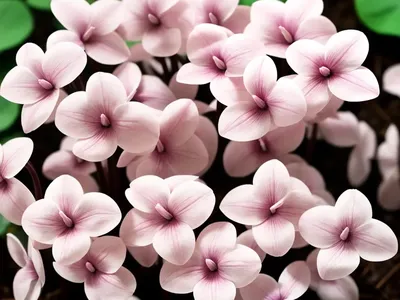
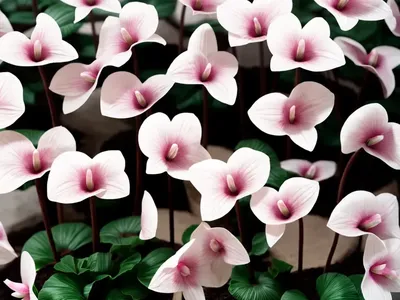
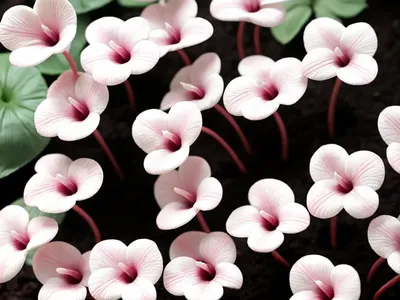
Cyclamen Persicum (Cyclamen Persicum)
When it comes to indoor and outdoor ornamental plants, Cyclamen persicum is a gem that has enthralled gardening enthusiasts and plant lovers alike. Known.


Introduction: Exploring the Enchanting Cyclamen persicum
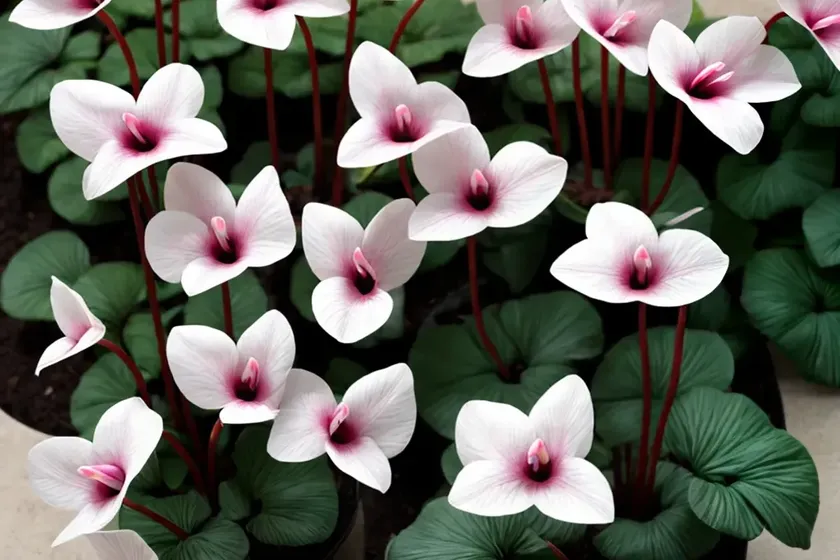
When it comes to indoor and outdoor ornamental plants, Cyclamen persicum is a gem that has enthralled gardening enthusiasts and plant lovers alike. Known for its vibrant and elegantly shaped flowers, this plant species delights the eyes and adds a touch of beauty to any space. In this comprehensive guide, we will delve into the world of Cyclamen persicum, exploring its care and cultivation, fun facts, and much more.
What is Cyclamen persicum?
Cyclamen persicum, commonly referred to as the Persian cyclamen, is a species of flowering plant in the family Primulaceae. Native to the Mediterranean region, this perennial plant is renowned for its ornamental value, especially for its decorative flowers and attractive foliage. Cyclamen persicum is a popular choice for indoor and outdoor cultivation, adding color and elegance to gardens, balconies, and indoor spaces.
Let’s embark on a journey to understand the culture, uses, and various aspects of caring for Cyclamen persicum to ensure its optimal growth and blooming.
Key Takeaways – Cyclamen persicum
Before we delve deeper into the care and cultivation of Cyclamen persicum, let’s look at the key takeaways that will guide us through this comprehensive plant guide.
- Cyclamen persicum: A species of ornamental flowering plant in the Primulaceae family, prized for its vibrant flowers and decorative foliage.
- Culture: Understanding the cultural requirements of Cyclamen persicum to ensure its healthy growth and development.
- Uses: Exploring the versatile uses of Cyclamen persicum, including its role in indoor and outdoor gardening and its ornamental value.
- Water: Proper watering techniques and requirements for Cyclamen persicum to maintain optimal soil moisture levels.
- Sunlight: Understanding the light preferences of Cyclamen persicum and providing appropriate conditions for its growth.
- Fertilizer: Learning about the fertilization methods and schedules to nourish Cyclamen persicum and promote healthy flowering.
- Soil: Understanding the soil requirements and characteristics that support the growth of Cyclamen persicum.
- Pruning: Techniques and guidelines for pruning Cyclamen persicum to maintain its shape and ensure a prolific blooming season.
- Propagation: Exploring the methods of propagating Cyclamen persicum to expand the plant collection or share its beauty with others.
- Container: Understanding the suitability of containers for growing Cyclamen persicum and the techniques for successful container gardening.
- Popularity: Exploring the reasons behind the popularity of Cyclamen persicum in the realm of ornamental gardening.
- Common Diseases: Identifying and addressing common diseases that may affect Cyclamen persicum, ensuring its well-being and vitality.
- Common Pests: Recognizing common pests that may pose a threat to Cyclamen persicum and implementing pest control measures.
- Botanist’s Tips: Gaining insights and expert tips from botanists and horticulturists for successful Cyclamen persicum care and cultivation.
- Fun Facts: Uncovering intriguing and lesser-known facts about Cyclamen persicum, adding to its allure and fascination.
With these key takeaways in mind, let’s explore the enchanting world of Cyclamen persicum and discover the secrets to nurturing this captivating plant.
Cyclamen persicum Care
Water
Proper watering is essential for the health and vitality of Cyclamen persicum. The watering needs can vary based on the environmental conditions and the stage of growth. Here are the essential considerations for watering Cyclamen persicum:
- Watering Frequency: Cyclamen persicum prefers well-draining soil and moderate watering. Avoid overwatering, as excessive moisture can lead to root rot. Allow the soil to dry slightly between watering sessions.
- Watering Technique: When watering Cyclamen persicum, aim to moisten the soil evenly without creating waterlogged conditions. Water the plant at the base, avoiding wetting the leaves or flowers to prevent fungal diseases.
- Soil Moisture: Regularly check the moisture level of the soil to gauge the watering requirements. Adjust the watering frequency based on the season and the plant’s growth phase. During periods of dormancy, reduce the frequency of watering to prevent waterlogging.
- Water Quality: Ensure that the water used for irrigation is free from excess salts and chemicals, as Cyclamen persicum is sensitive to water quality. Using distilled water or allowing tap water to stand for a day can help reduce the potential impact of chemicals on the plant.
Sunlight
Proper light exposure plays a crucial role in the growth and blooming of Cyclamen persicum. Understanding the light preferences of this plant is essential for providing optimal growing conditions. Here’s what you need to know about the sunlight requirements of Cyclamen persicum:
- Indoor Light: When grown indoors, Cyclamen persicum thrives in bright, indirect light. Place the plant near a window where it can receive bright, filtered sunlight without being exposed to direct, intense rays.
- Outdoor Light: For outdoor cultivation, select a location that offers partial shade or filtered sunlight, especially during the hottest part of the day. Protect Cyclamen persicum from prolonged exposure to harsh sunlight, which can lead to leaf scorching and heat stress.
- Light Duration: Cyclamen persicum benefits from around 4-6 hours of indirect sunlight daily. Avoid exposing the plant to direct midday sun, particularly in warmer climates, as it can cause leaf damage and diminish the plant’s vitality.
Fertilizer
Proper fertilization is essential for supporting the growth, flowering, and overall health of Cyclamen persicum. By understanding the fertilization methods and schedules, you can provide the plant with essential nutrients for robust growth. Here are the key points to consider when fertilizing Cyclamen persicum:
- Fertilizer Type: Use a balanced, water-soluble fertilizer formulated for flowering plants. Look for a fertilizer with a balanced NPK ratio, such as 10-10-10, to ensure the plant receives adequate levels of essential nutrients.
- Application Frequency: Fertilize Cyclamen persicum every 2-4 weeks during the growing season, typically from late winter to early spring. Reduce the frequency to once a month or less during the plant’s dormant phase.
- Application Method: Dilute the fertilizer according to the manufacturer’s instructions and apply it to the soil, avoiding direct contact with the leaves or flowers. Water the plant after fertilizing to distribute the nutrients evenly in the soil.
- Nutrient Balance: Pay attention to the nutrient needs of Cyclamen persicum, ensuring a balanced supply of nitrogen, phosphorus, and potassium to promote healthy foliage growth and prolific flowering.
Soil
The choice of soil and its characteristics significantly impact the growth and well-being of Cyclamen persicum. Selecting well-draining, nutrient-rich soil is crucial for creating an optimal growing environment for the plant. Here’s what you need to know about the soil requirements for Cyclamen persicum:
- Soil Type: Cyclamen persicum thrives in well-draining, humus-rich soil with a slightly acidic to neutral pH. A combination of peat moss, perlite, and quality potting mix provides an ideal growing medium for Cyclamen persicum, facilitating root development and moisture regulation.
- Drainage: Good drainage is essential to prevent waterlogging, which can lead to root rot and other moisture-related issues. Ensure that the soil mix allows excess water to flow through easily, maintaining the appropriate soil moisture levels for the plant.
- Aeration: Aerated soil promotes root health and supports the exchange of gases necessary for plant respiration. Incorporating materials that promote soil aeration, such as perlite or coarse sand, can enhance the soil structure for Cyclamen persicum.
Cyclamen persicum Varieties
Cyclamen persicum is available in a variety of cultivars, each offering unique flower colors, patterns, and foliage characteristics. Here are some popular Cyclamen persicum varieties that add a delightful burst of color to indoor and outdoor spaces:
| Variety Name | Flower Color | Foliage Characteristics |
|---|---|---|
| Victoria | Crimson, Pink, White | Contrasting silver-marked leaves |
| Persian Spice | Deep Pink, Red, White | Marbled and variegated foliage |
| Halios | Lavender, Magenta | Dark green, heart-shaped leaves |
| Mardi Gras | Violet, Pink, White | Silver-etched leaves |
These varieties showcase the diversity and vibrancy of Cyclamen persicum, allowing gardening enthusiasts to select the perfect cultivars to complement their indoor and outdoor settings.
Cyclamen persicum Flowering Season
The flowering season of Cyclamen persicum typically spans from late winter to early spring, offering a magnificent display of blooms during this period. The plant’s flowers, ranging in color from soft pastels to vibrant hues, add a touch of elegance and charm to any space. Understanding the flowering season of Cyclamen persicum helps in planning and enjoying the spectacular floral showcase the plant offers.
Flowering Tips
To encourage prolific flowering and prolong the bloom duration of Cyclamen persicum, consider the following tips:
- Cool Temperature: Cyclamen persicum thrives in cool temperatures, and maintaining a slightly cooler environment can prolong the flowering season. Avoid placing the plant in excessively warm or dry locations, as this can shorten the bloom duration.
- Consistent Moisture: While avoiding overwatering is crucial, maintaining consistent soil moisture during the flowering season supports the plant’s health and blooming. Water the plant when the soil surface begins to dry, providing adequate hydration for the developing flowers.
- Proper Light: Ensure that Cyclamen persicum receives the right balance of light, avoiding direct exposure to intense sunlight. Bright, filtered light supports healthy flower development and enhances the visual appeal of the blooms.
By attending to these factors, you can maximize the beauty of Cyclamen persicum’s flowering season, relishing the captivating display of delicate flowers.
Cyclamen persicum Pruning Techniques
Pruning is an essential aspect of Cyclamen persicum care, supporting the plant’s form, health, and flowering potential. By employing appropriate pruning techniques, you can maintain the plant’s aesthetic appeal and vigor. Here are the key pruning guidelines for Cyclamen persicum:
- Deadheading: Remove spent flowers by gently pinching or snipping them off near the base of the stem. Deadheading encourages the production of new flower buds and prevents the plant from expending energy on seed formation.
- Leaf Pruning: Trim yellowing or damaged leaves to maintain the plant’s visual appeal and promote the growth of healthy foliage. Use clean, sharp scissors or pruning shears to trim the leaves, ensuring minimal stress to the plant.
- Shape Maintenance: As Cyclamen persicum grows, it may develop a sprawling or uneven form. Trim back leggy growth or straggly stems to maintain a compact and tidy appearance, enhancing the plant’s overall aesthetics.
By employing these pruning techniques, you can promote the vitality and beauty of Cyclamen persicum, contributing to its long-term growth and well-being.
Ways to Propagate Cyclamen persicum
Propagating Cyclamen persicum allows plant enthusiasts to expand their collection and share the beauty of this species with fellow gardening enthusiasts. Understanding the methods of propagation empowers individuals to cultivate new plants and preserve the diversity of Cyclamen persicum. Here are the primary propagation methods for Cyclamen persicum:
- Seed Propagation: Collect seeds from mature Cyclamen persicum plants and sow them in a suitable seed-starting mix. Provide the seeds with warmth, moisture, and indirect light to facilitate germination. Seed propagation allows for the introduction of new genetic variations and cultivars.
- Division: Divide mature Cyclamen persicum plants by carefully separating the tubers or rhizomes. Each divided section should have viable growth points and sufficient root structure to support its development. Division is an effective method for creating multiple plants from a single specimen.
- Offsets: Cyclamen persicum may produce offsets, or small plantlets, at the base of the mother plant. Gently separate these offsets and transplant them into individual containers or garden beds. Offsets offer a quick and convenient way to propagate Cyclamen persicum.
By exploring these propagation methods, plant enthusiasts can expand their Cyclamen persicum collection and contribute to the cultivation of this captivating species.
Container Gardening with Cyclamen persicum
Cyclamen persicum is well-suited for container gardening, allowing individuals to cultivate and appreciate this ornamental plant within indoor and outdoor settings. Choosing the right containers and employing proper potting techniques are essential for successful container gardening with Cyclamen persicum. Here are the key considerations for container gardening:
- Container Selection: Choose containers that provide adequate drainage and sufficient space for the plant’s root system. Porous materials, such as terracotta or clay pots, promote air circulation around the roots and help prevent waterlogging.
- Potting Mix: Use a well-draining potting mix tailored to the needs of Cyclamen persicum. A combination of peat moss, perlite, and coarse sand creates an optimal growing medium for containerized plants.
- Container Size: Select a container that accommodates the plant’s size and growth habit, allowing room for root expansion. Avoid using excessively large containers, as they can retain excess moisture and lead to root rot.
- Indoor Placement: When growing Cyclamen persicum indoors, place the containers near bright, indirect light sources, such as windowsills. Create a visually appealing display by arranging multiple pots of Cyclamen persicum in a designated indoor garden area.
By embracing container gardening, individuals can enjoy the beauty of Cyclamen persicum within their homes, offices, or outdoor living spaces, adding a touch of natural splendor to their surroundings.
The Popularity of Cyclamen persicum
Cyclamen persicum has garnered widespread popularity among gardening enthusiasts and horticulturalists, thanks to its enchanting flowers, vibrant foliage, and adaptability to indoor and outdoor environments. The popularity of Cyclamen persicum can be attributed to several factors that contribute to its appeal:
- Ornamental Value: Cyclamen persicum is valued for its striking flowers, which come in an array of colors and patterns, adding a splash of elegance to gardens, patios, and interior spaces.
- Seasonal Interest: The plant’s flowering season, typically from late winter to early spring, coincides with a time when gardens benefit from a burst of color and vitality. Cyclamen persicum’s seasonal interest makes it a sought-after addition to winter gardens and indoor floral displays.
- Versatility: Cyclamen persicum thrives as both an indoor and outdoor plant, offering flexibility in its cultivation. Its adaptability to container gardening further enhances its appeal, allowing individuals with limited outdoor space to enjoy its beauty.
- Low Maintenance: With proper care, Cyclamen persicum is relatively low-maintenance, making it an ideal choice for both experienced gardeners and beginners seeking an ornamental plant that requires minimal fuss.
- Cultural Significance: The plant’s historical and cultural significance, coupled with its association with seasonal festivities, contributes to its enduring popularity in horticulture and gardening traditions.
By recognizing the factors that contribute to its popularity, individuals can appreciate the enduring charm of Cyclamen persicum and find inspiration to incorporate it into their gardening endeavors.
Common Diseases of Cyclamen persicum
Though Cyclamen persicum is generally resilient, it may be susceptible to certain diseases that can affect its growth and vitality. Identifying and addressing common diseases promptly is essential to safeguard the health of the plant. Here are some prevalent diseases that may affect Cyclamen persicum:
- Botrytis Blight: This fungal disease, caused by Botrytis cinerea, manifests as grayish mold on the plant’s leaves, stems, and flowers. Proper air circulation and maintaining optimal humidity levels can help prevent Botrytis blight.
- Root Rot: Overwatering and poorly drained soil can lead to root rot, causing the plant’s roots to decay. Avoid overwatering and ensure that the soil provides adequate drainage to prevent this condition.
- Powdery Mildew: Powdery mildew, caused by fungal pathogens, appears as a powdery white coating on the plant’s foliage. Providing good air circulation and avoiding overhead watering can help minimize the risk of powdery mildew.
By monitoring the plant’s health and implementing preventive measures, individuals can mitigate the impact of these diseases on Cyclamen persicum, maintaining its vibrancy and vigor.
Disease Diagnosis
Diagnosing diseases in Cyclamen persicum involves observing the symptoms and enlisting the help of horticultural experts or plant pathologists for accurate identification. Here are the steps involved in diagnosing and addressing common diseases of Cyclamen persicum:
- Symptom Observation: Note any visible changes in the plant’s foliage, such as discoloration, spots, or unusual growth patterns. Check for signs of mold, mildew, or fungal growth on the leaves and flowers.
- Environmental Assessment: Evaluate the plant’s growing conditions, including watering frequency, light exposure, and air circulation. Identify any factors that may contribute to the onset of diseases.
- Professional Consultation: Seek advice from botanists, horticulturists, or local plant clinics for accurate disease diagnosis and treatment recommendations. Provide relevant information about the plant’s care and environmental conditions to aid in the diagnosis process.
By proactively diagnosing and addressing diseases, individuals can protect the health and resilience of Cyclamen persicum, ensuring its continued well-being.
Common Pests Affecting Cyclamen persicum
While Cyclamen persicum is generally resistant to pests, it may encounter occasional infestations that can affect its growth and appearance. Identifying common pests and implementing pest control measures is crucial for preserving the plant’s health. Here are some pests that may affect Cyclamen persicum:
- Aphids: These small, soft-bodied insects feed on the plant’s sap, causing stunted growth and distorted foliage. Control aphid infestations using insecticidal soap or horticultural oil, targeting the pests while minimizing impact on beneficial insects.
- Spider Mites: Spider mites are tiny arachnids that feed on the undersides of leaves, causing stippling and discoloration. Regularly misting the plant and removing dust from its foliage can help deter spider mites.
- Mealybugs: Mealybugs appear as white, cottony masses on the plant, sucking sap and weakening its vitality. Use a cotton swab dipped in rubbing alcohol to manually remove mealybugs from the plant’s stems and leaves.
By vigilantly monitoring for pest activity and implementing proactive pest control measures, individuals can safeguard Cyclamen persicum from the detrimental impact of common pests.
Botanist’s Tips for Cyclamen persicum Care
Drawing insights from botanists and horticultural experts provides valuable guidance for successful Cyclamen persicum care and cultivation. Here are some expert tips and recommendations for nurturing Cyclamen persicum:
- Temperature Regulation: Maintain a cool environment for Cyclamen persicum, especially during its flowering season, to support healthy growth and blooming.
- Moisture Management: Balance soil moisture levels by allowing the soil to dry slightly between watering sessions, preventing waterlogging and promoting root health.
- Pruning Precision: Prune spent flowers and yellowing leaves with precision to maintain the plant’s visual appeal and encourage new growth.
- Cultural Considerations: Emulate the plant’s native habitat by providing well-draining soil, partial shade, and adequate air circulation to create an optimal growing environment.
- Observation and Adjustment: Regular