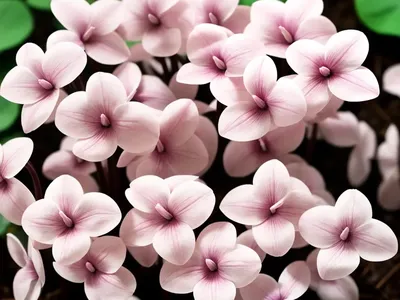
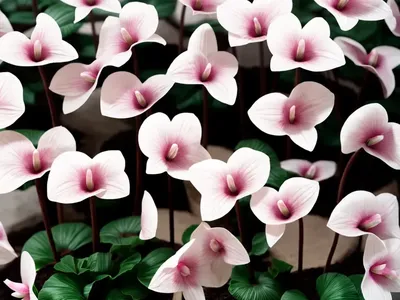
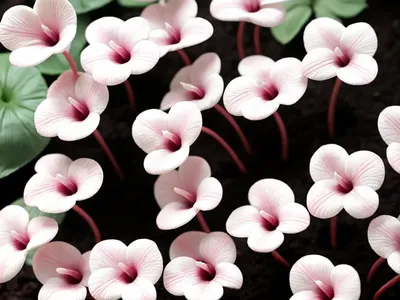
Cyclamen Cilicium (Cilician Cyclamen)
Cyclamen cilicium, commonly known as Cilician Cyclamen, is a popular ornamental plant, cherished for its delicate, colorful flowers and attractive foliage..
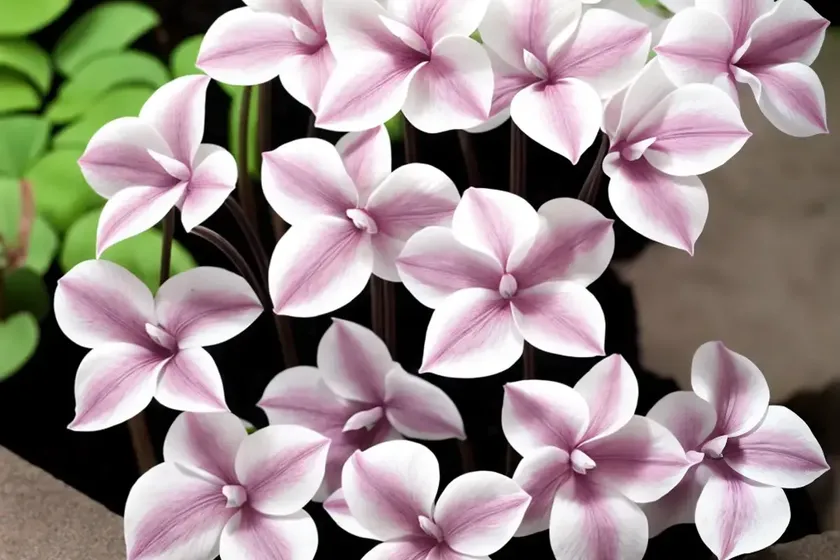
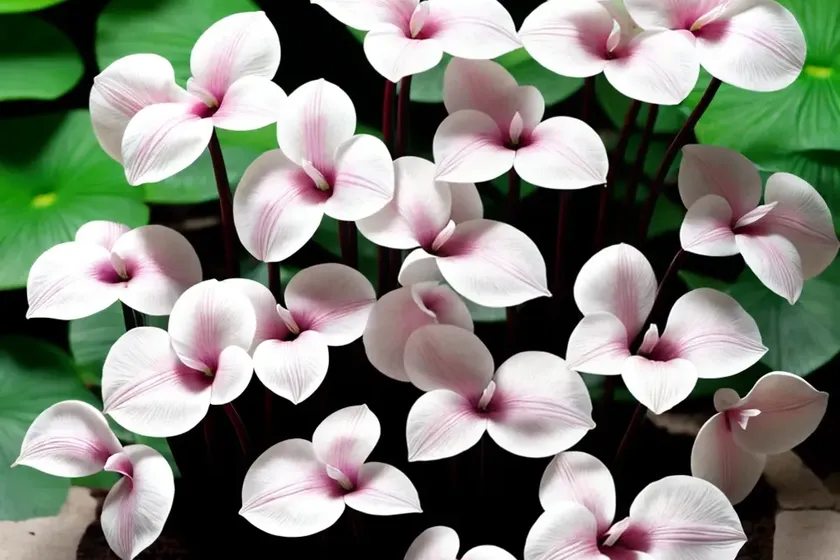
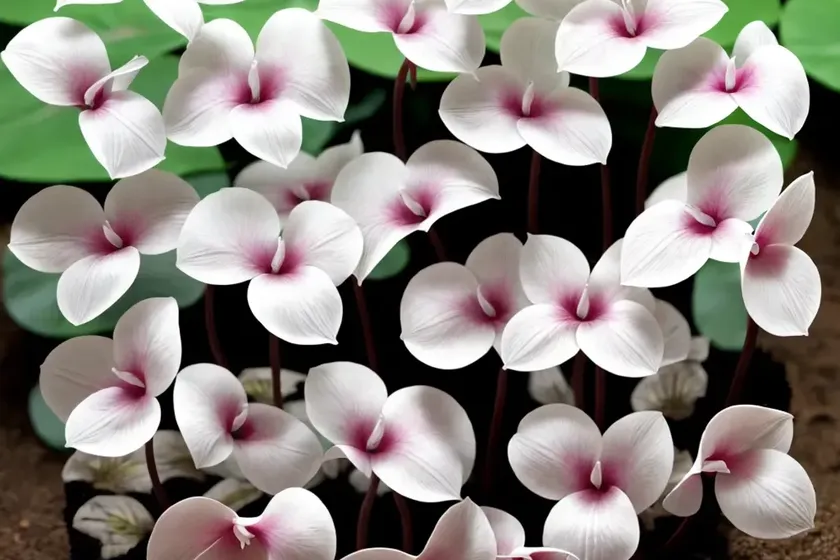
Cyclamen cilicium, commonly known as Cilician Cyclamen, is a popular ornamental plant, cherished for its delicate, colorful flowers and attractive foliage. Belonging to the genus Cyclamen, this perennial plant is native to the mountainous regions of Turkey. In this comprehensive guide, we will delve into the various aspects of the Cilician Cyclamen, including its culture, uses, care requirements, propagation, and much more.
Key Takeaways – Cyclamen cilicium (Cilician Cyclamen)
Before we delve into the intricate details of the Cilician Cyclamen, let’s summarize the key takeaways about this captivating plant.
- The Cilician Cyclamen, also known as Cyclamen cilicium, is a perennial plant native to Turkey.
- It is prized for its vibrant flowers and attractive foliage, making it a popular choice for ornamental gardening.
- Cilician Cyclamen can be grown both indoors and outdoors, and it thrives in well-draining, nutrient-rich soil.
- The plant requires moderate watering and prefers partial shade, making it suitable for various climatic conditions.
- Propagation of Cilician Cyclamen can be achieved through seeds or division, offering enthusiasts the opportunity to expand their collection.
Now, let’s explore the various aspects of the Cilician Cyclamen in detail, from its cultural significance to its propagation and care requirements.
Culture
Cyclamen cilicium holds significant cultural and symbolic value in various regions where it is cultivated. In Turkish culture, the Cilician Cyclamen is highly regarded for its aesthetic appeal and is often used in ornamental gardening and landscaping. The plant’s vibrant flowers and distinct foliage have made it a symbol of natural beauty and elegance in Turkish folklore. Additionally, the Cilician Cyclamen holds traditional and medicinal significance in some cultures, where it is believed to possess healing properties.
Uses
The Cilician Cyclamen is primarily cultivated for its ornamental uses. Its charming flowers, which bloom in an array of hues including shades of pink, crimson, and white, make it a perfect addition to flower beds, borders, and rock gardens. Furthermore, the plant’s decorative foliage adds an enchanting touch to indoor spaces when grown as a houseplant. The vibrant flowers of the Cilician Cyclamen are also utilized in floral arrangements, adding a pop of color and elegance to bouquets and floral displays.
Water
Proper watering is essential for the healthy growth and development of the Cilician Cyclamen. When it comes to watering this plant, striking a balance is crucial. Overwatering can lead to root rot and other moisture-related issues, while underwatering can result in stunted growth and wilting. It is advisable to water the Cilician Cyclamen thoroughly when the soil feels dry to the touch, but not waterlogged.
It is essential to ensure that excess water can drain freely from the plant’s container or the garden soil. During the plant’s dormancy period, which typically occurs in the summer, it is advisable to reduce the frequency of watering to mimic its natural growth cycle.
Sunlight
The Cilician Cyclamen thrives in partial shade or dappled sunlight, making it an excellent choice for shaded garden areas or indoor spaces with moderate light exposure. When grown outdoors, it is essential to provide the plant with protection from harsh, direct sunlight, as prolonged exposure to intense sun rays can cause damage to the delicate foliage and flowers. On the other hand, insufficient light can negatively impact the plant’s blooming potential and overall vigor.
Fertilizer
Fertilizing the Cilician Cyclamen is an integral part of its care regimen, contributing to robust growth and abundant flowering. A balanced, water-soluble fertilizer formulated for flowering plants can be applied to the soil or growing medium during the plant’s active growth phase. It is essential to follow the manufacturer’s recommendations regarding the frequency and dilution of the fertilizer to prevent over-fertilization, which can harm the plant.
During the Cyclamen’s dormant phase, which usually occurs in the summer months, it is advisable to refrain from fertilizing the plant. This period of reduced growth and natural rest allows the plant to prepare for its upcoming blooming season.
Soil
Well-draining, humus-rich soil is key to the success of cultivating the Cilician Cyclamen. The plant thrives in loose, fertile soil that provides adequate aeration and moisture retention without becoming waterlogged. A combination of peat moss, perlite, and sand can be used to create a suitable growing medium for the Cilician Cyclamen, whether it is potted indoors or planted in garden beds outdoors. It is essential to ensure that the soil pH is slightly acidic to neutral, ranging between 6.0 to 7.0, to support the plant’s nutrient absorption and overall health.
Pruning
Pruning plays a vital role in maintaining the health and aesthetics of the Cilician Cyclamen. Removing spent flowers and yellowing or damaged foliage not only enhances the plant’s appearance but also promotes continuous blooming and prevents the spread of disease. Care should be taken to use clean, sharp pruning tools to avoid causing unnecessary stress or damage to the plant.
Propagation
The propagation of Cilician Cyclamen can be achieved through various methods, including seeds and division. When propagating from seeds, it is essential to use fresh, viable seeds and provide the appropriate conditions for germination, including consistent moisture and optimal temperatures. Division, on the other hand, involves carefully separating the plant’s corms or tubers and replanting them to establish new individuals. This method is particularly effective for rejuvenating mature plants and expanding the Cyclamen population.
Container Popularity
Due to its compact size and striking visual appeal, the Cilician Cyclamen is a popular choice for container gardening. Whether grown in decorative pots or hanging baskets, the plant adds a touch of elegance to indoor and outdoor spaces. Its adaptability to container cultivation makes it a favorite among gardening enthusiasts with limited garden space or those looking to create vibrant, eye-catching displays on patios, balconies, and windowsills.
Common Diseases
While the Cilician Cyclamen is relatively resilient, it can be susceptible to certain diseases and disorders if not provided with suitable growing conditions and care. Some common diseases that may affect the plant include:
- Gray Mold (Botrytis cinerea): This fungal disease manifests as fuzzy gray patches on the plant’s leaves and flowers, often occurring in high humidity conditions. Proper ventilation and adequate spacing between plants can help prevent the onset of gray mold.
- Powdery Mildew: Powdery mildew presents as a powdery white coating on the plant’s foliage, caused by fungal spores. Maintaining good air circulation and avoiding overhead watering can reduce the risk of powdery mildew.
Careful monitoring and prompt intervention can help mitigate the impact of these diseases and protect the plant’s health and vitality.
Disease Diagnosis
Diagnosing diseases or abnormalities in the Cilician Cyclamen involves closely inspecting the plant for symptoms such as leaf discoloration, spotting, or unusual growth patterns. Additionally, paying attention to environmental factors such as humidity levels, irrigation practices, and the plant’s overall vigor can aid in identifying potential issues. Consultation with a plant care specialist or horticulturist may be beneficial in cases where the diagnosis is challenging or requires expert guidance.
Common Pests
The Cilician Cyclamen may encounter pests that can compromise its health and appearance. Some common pests that affect this plant include:
- Aphids: These small, soft-bodied insects feed on the plant’s sap and can cause distortion and discoloration of the foliage. They can be controlled through insecticidal soaps or horticultural oils.
- Spider Mites: These tiny pests thrive in dry conditions and can cause stippling and webbing on the plant’s leaves. Increasing humidity and using insecticidal sprays can help manage spider mite infestations.
Regular inspection and early intervention are crucial in managing pest infestations and protecting the Cilician Cyclamen from potential damage.
Botanist’s Tips
Drawing upon the expertise of botanists and plant enthusiasts, here are some valuable tips for cultivating and caring for the Cilician Cyclamen:
- Maintain well-draining soil: Ensure that the soil or growing medium provides adequate drainage to prevent waterlogging and root rot.
- Monitor light exposure: Balance the plant’s light requirements, providing ample shade while allowing it to receive adequate indirect sunlight.
- Adjust watering based on growth stage: During active growth, maintain moderate soil moisture, reducing watering during dormancy to simulate the plant’s natural cycle.
These insights from seasoned botanists can contribute to the successful cultivation of the Cilician Cyclamen and foster its ideal growth conditions.
Fun Facts
- Historically, cyclamens been used in traditional medicine to treat respiratory infections, coughs and fevers.
- The Cilician Cyclamen has a rich folklore associated with it, symbolizing love, fertility, and admiration in various cultures.
- In addition to its ornamental uses, the Cilician Cyclamen is known for its sweet fragrance, adding an aromatic charm to its surroundings.
The unique characteristics and cultural significance of the Cilician Cyclamen contribute to its appeal and allure, making it a cherished plant among gardening enthusiasts and nature lovers.
For a comprehensive understanding of the Cilician Cyclamen and its care requirements, it is beneficial to explore valuable resources and references. The following links provide further insight and detailed information about this captivating plant:
Conclusion
Cyclamen cilicium, or the Cilician Cyclamen, stands as a captivating and revered plant valued for its cultural significance, ornamental beauty, and versatile uses. By delving into its cultural importance, growth requirements, propagation methods, and care essentials, we have gained valuable insights into this enchanting plant. Whether grown in gardens, containers, or indoor spaces, the Cilician Cyclamen continues to captivate plant enthusiasts with its vibrant flowers, aromatic charm, and enduring symbolism, embodying the timeless allure of nature’s wonders.