The Marvelous Cushion Spurge (Euphorbia epithymoides ‘Bonfire’)
Introduction
The cushion spurge, scientifically known as Euphorbia epithymoides ‘Bonfire,’ is a captivating perennial plant renowned for its vibrant foliage and ease of care. This blog post delves into the various facets of this fascinating plant, providing insights into its culture, uses, care requirements, and more. Whether you are an experienced gardener or a novice enthusiast, the comprehensive information presented here will enable you to cultivate and appreciate the beauty of the cushion spurge to its fullest potential.
What is a cushion spurge?
Cushion spurge, also known as Euphorbia epithymoides ‘Bonfire,’ belongs to the Euphorbiaceae family and is native to Europe and western Asia. This striking plant is characterized by its compact growth habit, vibrant foliage, and unique inflorescences. The name “cushion spurge” is derived from its cushion-like growth form, while the ‘Bonfire’ cultivar showcases fiery red and orange foliage, adding a spectacular display of color to any garden landscape.
Key Takeaways
Let’s start by exploring some key takeaways that will set the stage for a deeper understanding of the cushion spurge.
Culture
- The cushion spurge is a hardy perennial plant that thrives in various climates and soil conditions.
- It is valued for its vibrant foliage, which transitions from green to fiery red and orange hues during the growing season.
- This plant has low maintenance requirements, making it an excellent choice for both experienced and novice gardeners.
Uses
- Landscaping: The cushion spurge is favored for its ornamental value and is often used in borders, rock gardens, and mass plantings.
- Pollinator attraction: The plant’s cluster of tiny flowers attracts pollinators, contributing to the ecological balance of the garden.
Water
- The cushion spurge demonstrates good drought tolerance once established, making it suitable for water-wise gardening.
- While it can withstand periods of dryness, regular watering is beneficial, especially during prolonged dry spells.
Sunlight
- This plant thrives in full sun to partial shade, making it adaptable to a wide range of light conditions.
- However, to achieve the most vibrant foliage colors, providing ample sunlight is recommended.
Fertilizer
- Minimal fertilization is required for the cushion spurge. A balanced, slow-release fertilizer applied in spring can support healthy growth.
Soil
- Well-drained soil is essential for the cushion spurge. It thrives in various soil types, including sandy, loamy, and clay soils.
Pruning
- Minimal pruning is necessary, primarily to remove old or damaged growth.
- Wearing protective gloves is advisable when handling this plant, as it produces a milky sap that can be irritating to the skin and eyes.
Propagation
- The cushion spurge can be propagated through division or stem cuttings. Spring or early summer are ideal times for propagation.
Container Popularity
- Its adaptability to container gardening makes the cushion spurge a versatile choice for adding color and texture to outdoor living spaces.
Common Diseases
- The cushion spurge is relatively resistant to diseases, especially when provided with proper growing conditions and adequate air circulation.
Disease Diagnosis
- If signs of disease or decline are observed, prompt diagnosis and appropriate action can help prevent further spread and damage.
Common Pests
- While relatively pest-resistant, the cushion spurge may occasionally encounter issues with aphids or spider mites.
Botanist’s Tips
- When working with the cushion spurge, always exercise caution and wear protective gear, as its sap can cause skin and eye irritation.
- Be mindful of its potential to self-seed and spread, particularly in favorable growing conditions.
Fun Facts
- The genus name “Euphorbia” is derived from Euphorbus, the Greek physician to King Juba II of Numidia, who is attributed with the discovery of the plant’s medicinal properties.
Links to External Resources
For further information and resources on the cushion spurge, please refer to the following links:
- Royal Horticultural Society – Euphorbia epithymoides ‘Bonfire’
- Missouri Botanical Garden – Euphorbia epithymoides
- University of Minnesota Extension – Euphorbia polychroma ‘Bonfire’
With these foundational insights established, let’s delve deeper into the enchanting world of the cushion spurge, exploring its characteristics, care requirements, and the allure it brings to garden landscapes.
Plant Name: “Cushion Spurge (Euphorbia epithymoides ‘Bonfire’)
Euphorbia epithymoides ‘Bonfire’
The specific epithet “epithymoides” refers to this plant’s resemblance to another species in the Euphorbia genus, Euphorbia epithymoides. The ‘Bonfire’ cultivar is characterized by its exceptional foliage coloration, transitioning from green to fiery red and orange tones, adding a captivating visual element to garden compositions.
Cushion Spurge Plant
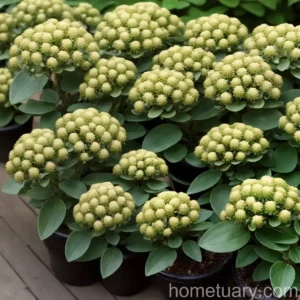
The cushion spurge, with its cushion-like growth form, is a low-maintenance perennial that blooms in spring, showcasing clusters of vibrant bracts that surround tiny, inconspicuous flowers.
Bonfire Cushion Spurge
The ‘Bonfire’ cultivar of the cushion spurge is celebrated for its intense foliage colors and its ability to enliven garden landscapes.
Euphorbia epithymoides Variety Bonfire
The ‘Bonfire’ variety represents a captivating deviation from the typical green foliage associated with Euphorbia epithymoides, making it a sought-after selection for ornamental gardening.
Cushion Spurge Euphorbia
The Euphorbia genus encompasses a diverse array of plants, including the cushion spurge, valued for their unique growth habits, foliage, and inflorescences.
Euphorbia epithymoides Bonfire Care
Caring for the ‘Bonfire’ variety involves providing adequate sunlight, well-drained soil, and occasional watering, resulting in a stunning display of foliage colors.
Bonfire Garden Spurge
In garden settings, the ‘Bonfire’ cushion spurge introduces vibrant foliage contrasts and visual interest, making it a delightful addition to borders, rockeries, and mixed perennial beds.
Culture
The culture of the cushion spurge encompasses its growth habits, seasonal transitions, and adaptability to various environmental conditions.
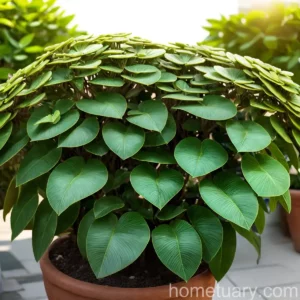
- Growth Habit: The cushion spurge adopts a compact, mounded growth habit, forming dense cushions of foliage that serve as a visually striking element in the landscape.
- Seasonal Transitions: During the growing season, the foliage of the ‘Bonfire’ variety undergoes a captivating transformation, beginning with green tones and shifting to fiery red and orange hues, reminiscent of a blazing bonfire.
- Adaptability: With its innate hardiness, this plant can thrive in different climates, making it suitable for a wide geographical range.
Uses
The cushion spurge is valued for its decorative and ecological contributions within garden landscapes.
- Landscaping: This plant is commonly used in garden borders, rock gardens, and mass plantings, where its vibrant colors and compact growth habit create engaging visual dynamics.
- Pollinator Attraction: The tiny, inconspicuous flowers of the cushion spurge attract a variety of pollinators, contributing to the biodiversity and ecological balance of the garden.
Water
Understanding the water requirements of the cushion spurge is essential for maintaining its health and appearance.
- Drought Tolerance: Once established, the cushion spurge exhibits good drought tolerance, making it suitable for water-wise gardening practices.
- Regular Watering: While it can withstand dry periods, regular watering, especially during prolonged dry spells, can support optimal growth and vigor.
Sunlight
The lighting needs of the cushion spurge play a crucial role in maximizing its ornamental appeal.
- Sun Requirements: The cushion spurge thrives in full sun to partial shade, offering versatility in positioning within the garden.
- Foliage Colors: Providing ample sunlight can enhance the intensity of the foliage colors, contributing to the visual interest of the plant.
Fertilizer
Appropriate fertilization practices can promote healthy growth and vibrant foliage in the cushion spurge.
- Minimal Fertilization: The cushion spurge generally requires minimal fertilization. Applying a balanced, slow-release fertilizer in spring can provide adequate nutrients for the growing season.
Soil
Understanding the soil preferences of the cushion spurge is vital for ensuring its overall vitality.
- Well-Drained Soil: The cushion spurge thrives in well-drained soils, encompassing sandy, loamy, and clay soil types.
- Versatility: Its ability to flourish in diverse soil conditions contributes to its adaptability in various garden settings.
Pruning
Pruning considerations for the cushion spurge focus on maintaining its appearance and overall health.
- Pruning Requirements: Minimal pruning is generally needed, primarily to remove old or damaged growth, ensuring a tidy and visually appealing presence in the garden.
- Protective Measures: Due to the plant’s secretion of a milky sap, wearing protective gloves is recommended to prevent skin and eye irritation.
Propagation
Propagation methods for the cushion spurge offer opportunities for expanding its presence within the garden.
- Division and Cuttings: The cushion spurge can be propagated through division or stem cuttings, providing avenues for creating additional plantings.
- Seasonal Considerations: Spring and early summer are favorable times for executing propagation practices successfully.
Container Popularity
The cushion spurge’s adaptability to container gardening enhances its appeal in outdoor living spaces.
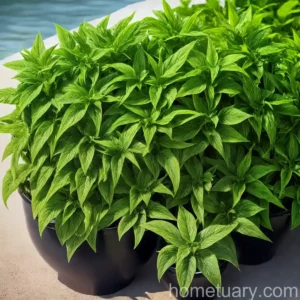
- Container Gardening: As a container plant, the cushion spurge brings vibrant foliage and textural interest to patios, balconies, and other outdoor settings.
- Versatility: Its ability to thrive in pots and containers expands the possibilities for incorporating it into diverse garden compositions.
Common Diseases
Understanding the susceptibility of the cushion spurge to diseases aids in implementing preventative measures.
- Resistant Nature: The cushion spurge exhibits relative resistance to diseases, particularly when provided with optimal growing conditions and ample air circulation.
- Vigilance: Despite its resilience, monitoring for signs of disease and prompt intervention can help mitigate potential issues.
Disease Diagnosis
Efficient diagnosis of diseases in the cushion spurge provides the basis for implementing targeted management strategies.
- Observational Skills: Identifying irregularities in foliage, growth patterns, or overall plant health can prompt closer examination and diagnosis.
- Prompt Action: Swift diagnosis and appropriate steps based on the identified disease can help prevent its escalation and impact on the plant.
Common Pests
While generally resistant to pests, occasional pest encounters may necessitate proactive measures.
- Pest Resistance: The cushion spurge is relatively resistant to pests, with occasional issues related to aphids or spider mites.
- Vigilance and Intervention: Monitoring for pest activity and implementing suitable measures when detected can support the plant’s overall health.
Botanist’s Tips
Insights from a botanist’s perspective offer valuable considerations for engaging with the cushion spurge in garden settings.
- Protective Gear: When handling the cushion spurge, wearing protective gloves and eye protection is advisable due to its sap’s potential to cause skin and eye irritation.
- Self-Seeding Awareness: Being mindful of the plant’s potential for self-seeding can guide decisions related to its placement and propagation methods.
Fun Facts
Uncovering intriguing facts about the cushion spurge adds an element of fascination to its presence in the garden.
- Genus Origins: The genus name “Euphorbia” originates from Euphorbus, the Greek physician to King Juba II of Numidia, credited with the discovery of the plant’s medicinal properties.
- Medicinal History: Throughout history, various Euphorbia species, including the cushion spurge, have been utilized in traditional medicine for their purported therapeutic properties.
Conclusion
The cushion spurge, particularly the captivating ‘Bonfire’ variety, enriches garden landscapes with its striking foliage, adaptability, and low-maintenance nature. By providing a vibrant display of color and texture, this perennial plant elevates the aesthetic appeal of borders, rock gardens, and container compositions. Embracing its natural hardiness and ornamental value, gardeners can cultivate and appreciate the allure of the cushion spurge in a diverse range of garden settings.
From its cultural insights and care requirements to its potential for propagation and the cautionary considerations regarding its sap, the cushion spurge offers a multifaceted horticultural experience. We invite you to delve further into the enchanting world of the cushion spurge by exploring specialized resources and engaging with its captivating presence in garden landscapes.
As you embark on your journey of discovering the wonders of the cushion spurge, may its vivid colors, ecological contributions, and resilience instill a deeper appreciation for the botanical marvels within our natural world. Incorporating the ‘Bonfire’ variety into your garden compositions can be a transformative endeavor, infusing vibrant energy and visual allure into your outdoor havens.
Uncover the beauty and fascination of the cushion spurge, and let its captivating presence become a cherished element within your horticultural tapestry.