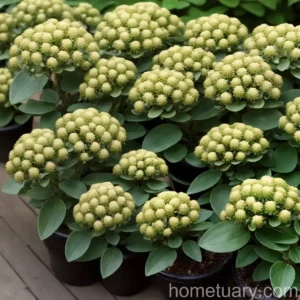
Plant Scientist’s Guide to Spurge (Euphorbia characias ‘Tasmanian Tiger’)
What is Plant Spurge (Euphorbia characias ‘Tasmanian Tiger’)?
Euphorbia characias ‘Tasmanian Tiger,’ commonly known as Tasmanian Tiger Spurge, is a captivating and unique cultivar of the Euphorbia characias species. This variegated perennial plant belongs to the Euphorbiaceae family, which is a diverse and fascinating group of plants. With its distinctive green and white striped foliage, Tasmanian Tiger Spurge has garnered attention for its ornamental value in landscaping and garden designs.
This blog post is a comprehensive guide for both gardening enthusiasts and horticultural professionals, covering various aspects of the cultivation, care, and utilization of Euphorbia characias ‘Tasmanian Tiger.’ We’ll delve into the plant’s cultural requirements, potential uses, care tips, common diseases and pests, propagation methods, and much more. Whether you’re considering incorporating this striking plant into your garden or wanting to enhance your knowledge of unique Euphorbia varieties, this guide aims to provide valuable insights and practical advice.
Key Takeaways – Spurge (Euphorbia characias ‘Tasmanian Tiger’)
Before we explore the intricacies of cultivating and caring for the Tasmanian Tiger Spurge, let’s take a moment to highlight the key takeaways that we will cover in this guide:
- Plant Name: Euphorbia characias ‘Tasmanian Tiger’
- Cultural Requirements: Water, Sunlight, Fertilizer, Soil
- Pruning: Tips for maintaining the plant’s shape and health
- Propagation: Methods for propagating Euphorbia characias ‘Tasmanian Tiger’
- Container Gardening: Insights on growing Tasmanian Tiger Spurge in containers
- Uses: Landscaping, Ornamental value, Indoor plant potential
- Common Diseases: Identification and management of potential diseases
- Common Pests: Addressing and controlling pest issues
- Botanist’s Tips: Expert advice for growing and caring for this unique Euphorbia cultivar
- Fun Facts: Interesting insights and trivia about Euphorbia characias ‘Tasmanian Tiger’
- Links to External Resources: Further reading and resources for in-depth exploration
Now, let’s embark on a journey to understand and appreciate the captivating Euphorbia characias ‘Tasmanian Tiger’!
1. Culture
Water
Maintaining appropriate moisture levels is crucial for the health and vitality of Euphorbia characias ‘Tasmanian Tiger.’ However, this plant demonstrates a notable tolerance for drought once it is well-established. Here are some guidelines for watering this unique spurge cultivar:
- Established Plants: Once established, Tasmanian Tiger Spurge generally thrives in well-draining soil and is relatively drought-tolerant. Water deeply but infrequently, allowing the soil to partially dry out between waterings.
- Young Plants: Newly planted Tasmanian Tiger Spurge requires regular watering to help establish a strong root system. Water young plants more frequently, but always ensure good drainage to prevent waterlogging.
Sunlight
Euphorbia characias ‘Tasmanian Tiger’ flourishes in full sunlight, making it an ideal choice for sunny garden spots and landscapes. When selecting a planting location for this variegated spurge, ensure it receives ample direct sunlight to promote healthy growth and vibrant foliage. While the plant can tolerate partial shade, it may result in reduced variegation and overall vigor. Therefore, providing adequate sunlight is crucial for optimizing the ornamental appeal of Tasmanian Tiger Spurge.
Fertilizer
When it comes to fertilizing Euphorbia characias ‘Tasmanian Tiger,’ a balanced approach is essential to support its growth and visual appeal without overstimulating excessive foliage at the expense of its distinct variegation. Here are some considerations for fertilizing this striking spurge cultivar:
- Timing: Apply a slow-release, balanced fertilizer in early spring as the plant begins active growth. Avoid excessive fertilization, especially with high-nitrogen formulations, which may promote lush green growth at the expense of the characteristic variegation.
- Frequency: A single application of a well-balanced granular fertilizer in spring usually meets the plant’s nutritional needs for the growing season. However, if the plant appears lackluster, a diluted, balanced liquid fertilizer can be applied monthly during the growing season.
Soil
Euphorbia characias ‘Tasmanian Tiger’ thrives in well-draining soil with good aeration. It is crucial to offer the plant a suitable growing medium that supports its root health and overall development. Consider the following soil-related factors when cultivating Tasmanian Tiger Spurge:
- Drainage: Well-draining soil is essential to prevent waterlogging, which can lead to root rot and other moisture-related issues. Incorporate organic matter and grit into the planting area to enhance drainage, especially if the soil is heavy or compacted.
- Acidity: Tasmanian Tiger Spurge is adaptable to a wide range of soil pH levels, but a slightly acidic to neutral pH (6.0-7.0) is generally favorable for optimal growth and nutrient uptake.
- Soil Type: Sandy loam or loamy soil types with good drainage are well-suited for Euphorbia characias ‘Tasmanian Tiger.’ Avoid excessively heavy or clay-rich soils, which can impede drainage and lead to waterlogged conditions.
2. Uses
Landscaping
As a visually striking and versatile ornamental plant, Euphorbia characias ‘Tasmanian Tiger’ lends itself to various landscaping applications. Its distinctive foliage adds a unique dimension to garden beds, borders, and mixed plantings, enhancing visual interest and creating focal points within the landscape. Here are some suggestions for incorporating Tasmanian Tiger Spurge into your landscaping designs:
- Garden Borders: Plant Tasmanian Tiger Spurge along garden borders to introduce a visually captivating element to flower beds or pathways. Its variegated foliage provides an appealing contrast alongside other plants and flowers.
- Mass Plantings: Create eye-catching displays by mass planting Euphorbia characias ‘Tasmanian Tiger’ in suitable garden areas. The striking variegation and upright growth habit make it a compelling choice for creating impactful visual arrangements.
- Rock Gardens: In rockeries or gravel gardens, this spurge cultivar can thrive among well-draining substrates, adding textural interest and a touch of exotic elegance to the landscape.
Ornamental Value
Tasmanian Tiger Spurge is prized for its ornamental value, offering an alluring blend of texture and color to garden settings. The distinctive striped foliage of this variegated cultivar makes it an eye-catching addition to any outdoor space. Its unique aesthetic qualities make it an excellent choice for enhancing the visual appeal of garden landscapes, providing a captivating focal point, and imparting a sense of elegance and exoticism.
Indoor Plant Potential
While Euphorbia characias ‘Tasmanian Tiger’ is primarily known for its outdoor ornamental value, it also holds potential as an indoor plant, provided certain conditions are met. Incorporating this striking spurge cultivar into indoor environments can add a touch of natural beauty and visual interest to interior spaces. When considering indoor cultivation, it is essential to ensure adequate light, appropriate humidity levels, and proper plant care practices to support the plant’s health and longevity.
3. Pruning
Pruning Euphorbia characias ‘Tasmanian Tiger’ is an essential aspect of maintaining its shape, vigor, and visual appeal. Regular pruning helps manage the plant’s size, remove dead or damaged foliage, and promote healthy growth. However, it is important to approach the pruning process with caution due to the plant’s milky sap, which can be irritating to the skin and mucous membranes. Here are some tips for effectively pruning Tasmanian Tiger Spurge:
- Safety Precautions: Wear protective gloves and eyewear when handling Euphorbia characias ‘Tasmanian Tiger’ to avoid potential skin and eye irritation from the plant’s latex sap.
- Timing: Prune Euphorbia characias ‘Tasmanian Tiger’ in late winter or early spring before new growth emerges. This timing allows the plant to recover and produce new growth during the active growing season.
- Tools: Use sharp, clean pruning shears to make precise cuts. Remove any dead, diseased, or damaged foliage, as well as any overcrowded or crossing branches to maintain an open and balanced growth habit.
- Minimal Pruning: While occasional selective pruning is beneficial, avoid excessive or indiscriminate pruning, as Euphorbia characias ‘Tasmanian Tiger’ may respond with excessive vegetative growth at the expense of variegation.
4. Propagation
Propagating Euphorbia characias ‘Tasmanian Tiger’ allows enthusiasts and horticulturalists to cultivate new plants and expand their collection of this captivating spurge cultivar. While Tasmanian Tiger Spurge can be propagated through various methods, caution should be exercised due to the plant’s toxic sap, which can cause skin irritation and other adverse reactions. Here are some common methods for propagating Euphorbia characias ‘Tasmanian Tiger’:
- Stem Cuttings: Propagate Tasmanian Tiger Spurge through stem cuttings taken during the active growing season. Select healthy, non-flowering shoots and take cuttings of suitable length with several leaf nodes. Allow the cuttings to callus for a few days before planting them in a well-draining rooting medium.
- Division: Divide mature clumps of Euphorbia characias ‘Tasmanian Tiger’ to create new plants. Carefully separate the root clumps, ensuring that each division has ample roots and foliage. Replant the divisions in suitable growing conditions, providing adequate moisture and care during the establishment phase.
- Seeds: While less commonly used for propagating this cultivar, Euphorbia characias ‘Tasmanian Tiger’ can be propagated from seeds. Collect mature seeds from the plant and sow them in a well-draining seed-starting mix. Provide suitable conditions for germination and seedling growth.
When propagating Euphorbia characias ‘Tasmanian Tiger,’ it is essential to handle the plant material with care and take appropriate safety precautions to minimize exposure to the toxic sap. Additionally, ensure that the newly propagated plants receive optimal care and growing conditions to support their establishment and development.
5. Container Popularity
Euphorbia characias ‘Tasmanian Tiger’ is well-suited for container gardening, offering an elegant and eye-catching presence in patio landscapes, outdoor living spaces, and ornamental plant arrangements. Its adaptability to container cultivation makes it a versatile choice for those seeking to introduce a touch of exotic beauty to their outdoor environments. Here are some reasons why Tasmanian Tiger Spurge is popular for container gardening:
- Aesthetic Appeal: The distinctive variegated foliage and upright growth habit of Euphorbia characias ‘Tasmanian Tiger’ make it an alluring choice for container displays, adding an ornamental and exotic touch to outdoor settings.
- Space Utilization: Container cultivation allows gardeners to feature Tasmanian Tiger Spurge in various locations, from small balconies and patios to larger garden spaces, maximizing the plant’s visual impact and ornamental value.
- Versatility: Container-grown Euphorbia characias ‘Tasmanian Tiger’ can be easily moved and positioned to create visual interest, complement other plants, or serve as a focal point within the landscape, offering flexibility in design and arrangement.
When growing Euphorbia characias ‘Tasmanian Tiger’ in containers, it is essential to select suitable potting mix, provide adequate drainage, and ensure proper care and maintenance to support the plant’s health and longevity. Container gardening enthusiasts can enjoy the captivating beauty of this unique spurge cultivar while leveraging its adaptability for various outdoor spaces and design concepts.
6. Common Diseases
Euphorbia characias ‘Tasmanian Tiger’ is generally resistant to most common plant diseases, but certain environmental conditions and cultural practices can predispose the plant to specific issues. Understanding the potential diseases that may affect Tasmanian Tiger Spurge and implementing proactive measures can help preserve the plant’s health and vigor. Here are some common diseases to be aware of when cultivating Euphorbia characias ‘Tasmanian Tiger’:
- Root Rot: Overly wet or poorly drained soil can lead to root rot in Euphorbia characias ‘Tasmanian Tiger.’ To prevent this issue, ensure proper soil drainage and avoid overwatering, especially during periods of reduced evapotranspiration.
- Powdery Mildew: While relatively resistant, Euphorbia characias ‘Tasmanian Tiger’ may occasionally be susceptible to powdery mildew, especially in humid or poorly ventilated conditions. Proper air circulation and maintenance of moderate humidity levels can help minimize the risk of powdery mildew.
- Leaf Spot: Under prolonged wet conditions, fungal leaf spot diseases may affect the foliage of Tasmanian Tiger Spurge. Management strategies include promoting good air movement, avoiding overhead irrigation, and maintaining proper plant spacing to reduce moisture retention on the foliage.
Regular monitoring, proper cultural practices, and maintaining optimal growing conditions can help mitigate the risk of common diseases in Euphorbia characias ‘Tasmanian Tiger,’ ensuring the plant’s health and vitality.
7. Disease Diagnosis
When diagnosing potential diseases affecting Euphorbia characias ‘Tasmanian Tiger,’ it is essential to observe and analyze the plant’s symptoms, consider cultural practices, and assess environmental conditions to identify the underlying causes. Here are some key steps for diagnosing potential diseases in Tasmanian Tiger Spurge:
- Symptom Observation: Examine the plant for any visible signs of disease, including leaf discoloration, wilting, spots, or abnormal growth patterns. Consider the location and extent of the symptoms on the plant.
- Cultural Assessment: Evaluate the plant’s cultural conditions, including watering practices, soil drainage, exposure to sunlight, and overall growing environment. Consider any recent changes in environmental conditions that may have impacted the plant.
- Environmental Factors: Assess the prevailing weather conditions, humidity levels, and potential stressors such as extreme temperatures or excessive moisture. Consider any factors that may have predisposed the plant to disease development.
- Consultation: If unsure about the diagnosis or management of potential diseases, consult with a horticultural professional, cooperative extension service, or plant health expert for guidance and advice.
Accurate diagnosis of plant diseases in Euphorbia characias ‘Tasmanian Tiger’ is essential for implementing targeted management strategies and preserving the plant’s health and ornamental value.
8. Common Pests
While Euphorbia characias ‘Tasmanian Tiger’ is generally resistant to most pests, certain insects and mites may occasionally pose a threat to the plant. Vigilant monitoring and prompt intervention can help manage pest issues and prevent damage to the foliage and overall health of Tasmanian Tiger Spurge. Here are some common pests to be aware of when cultivating Euphorbia characias ‘Tasmanian Tiger’:
- Aphids: These small, sap-sucking insects may occasionally infest Euphorbia characias ‘Tasmanian Tiger,’ causing distorted growth and honeydew secretion. Regular monitoring and targeted insecticidal treatments can help manage aphid populations.
- Spider Mites: In hot, dry conditions, spider mites may be a potential concern for Tasmanian Tiger Spurge, causing stippling and discoloration of the foliage. Maintaining adequate humidity levels and hosing down the plants can help deter spider mites.
Proactive pest management strategies, including cultural practices, biological controls, and targeted interventions, can help minimize pest-related issues and preserve the health and visual appeal of Euphorbia characias ‘Tasmanian Tiger.’
9. Botanist’s Tips
Expert Advice for Growing and Caring for the Unique Euphorbia Cultivar
To further enhance your knowledge and understanding of Euphorbia characias ‘Tasmanian Tiger,’ here are some expert tips and insights for successfully growing and caring for this captivating spurge cultivar:
- Cultural Adaptability: Recognize the plant’s adaptability to various growing conditions, including full sunlight, well-draining soil, and moderate water availability. Understanding the plant’s preferences and tolerances can inform successful cultivation.
- Variegation Maintenance: When providing care and maintenance for Tasmanian Tiger Spurge, aim to preserve and promote the plant’s characteristic variegation through suitable cultural practices and minimal pruning to showcase its unique foliage.
- Safety Precautions: Exercise caution and wear protective gear, including gloves and eye protection, when handling Euphorbia characias ‘Tasmanian Tiger’ to minimize potential skin and eye irritation from the plant’s latex sap.
- Visual Impact: Leverage the striking visual appeal of Euphorbia characias ‘Tasmanian Tiger’ to create dynamic landscape compositions, container displays, or ornamental plantings, enhancing the overall aesthetic of the garden or outdoor space.
Embracing these botanist’s tips can help you successfully grow and care for Euphorbia characias ‘Tasmanian Tiger,’ allowing you to appreciate the distinct beauty and ornamental value of this unique Euphorbia cultivar.
10. Fun Facts
Enriching Insights and Trivia About Euphorbia characias ‘Tasmanian Tiger’
As we explore the intriguing world of Euphorbia characias ‘Tasmanian Tiger,’ let’s uncover some fascinating and enriching fun facts about this captivating spurge cultivar:
- Origin: Tasmanian Tiger Spurge is a cultivar of Euphorbia characias, a Mediterranean species known for its ornamental value and adaptability to garden environments.
- Variegated Foliage: The variegated foliage of Euphorbia characias ‘Tasmanian Tiger’ features striking green and white stripes, creating a captivating visual display and adding a touch of exotic elegance to the landscape.
- Ornamental Appeal: Tasmanian Tiger Spurge is prized for its ornamental value, offering a blend of visual interest, texture, and dynamic foliage patterns, making it an excellent choice for diverse landscaping applications.
- Drought Tolerance: Once established, Euphorbia characias ‘Tasmanian Tiger’ exhibits notable drought tolerance, making it an appealing choice for water-wise garden designs and arid climates.
- Container Gardening: The adaptability of Tasmanian Tiger Spurge to container cultivation enables the plant to grace various outdoor spaces with its elegant presence and distinctive foliage characteristics.
These fun facts enrich our appreciation for Euphorbia characias ‘Tasmanian Tiger’ and contribute to our understanding of the plant’s unique qualities and cultural significance.
11. Links to External Resources
Further Reading and In-Depth Exploration
For those seeking further insights, in-depth knowledge, and comprehensive resources about Euphorbia characias ‘Tasmanian Tiger’ and related topics, the following external resources provide valuable information and reference materials:
- [Royal Horticultural Society (RHS) – Euphorbia characias ‘Tasmanian Tiger’](https://www.rhs.org.uk