Curry Plant (Helichrysum Italicum)
The Curry Plant, scientifically known as Helichrysum italicum, is a herb that has gained popularity for its culinary uses, medicinal properties, and.
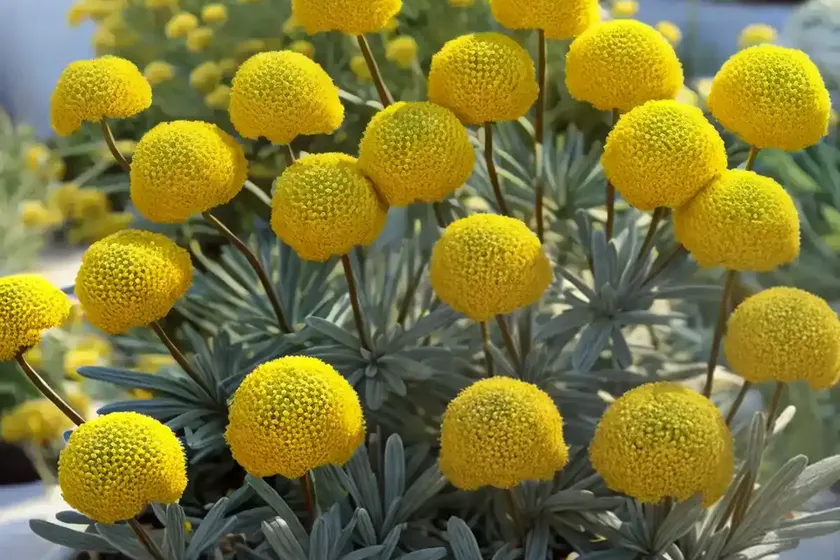
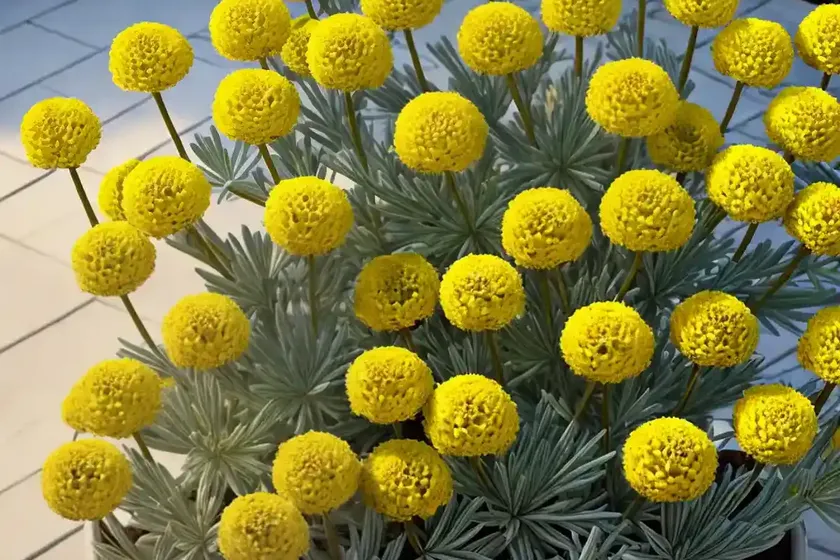
The Curry Plant, scientifically known as Helichrysum italicum, is a herb that has gained popularity for its culinary uses, medicinal properties, and aromatic fragrance. This perennial plant is native to the Mediterranean region and is a member of the Asteraceae family. Despite its name, the Curry Plant is not the source of curry powder, but it is valued for its curry-like aroma and flavor. In this comprehensive guide, we will delve into the culture, uses, care, propagation, and other aspects of this fascinating plant.
What is the Curry Plant (Helichrysum italicum)?
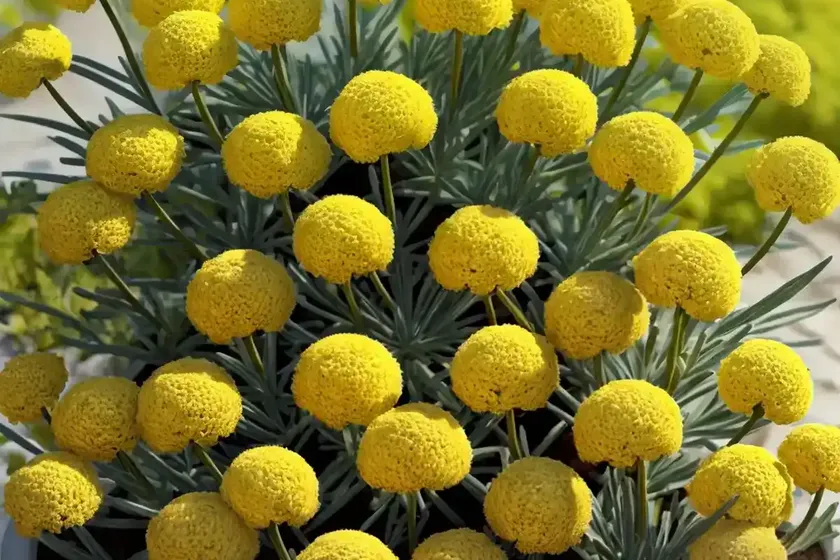
The Curry Plant is not to be confused with the curry leaf tree (Murraya koenigii), which is used extensively in Indian cuisine. Instead, the Curry Plant is esteemed for its slender, silver-grey leaves that exude a pungent, curry-like scent when crushed. Its botanical name, Helichrysum italicum, is derived from the Greek word “helios,” meaning sun, and “chrysos,” meaning gold, which is a reference to the golden-yellow flowers that this plant produces.
Key Takeaways – Curry Plant (Helichrysum italicum)
- Culture
- The Curry Plant is native to the Mediterranean region and thrives in warm, sunny conditions.
- Uses
- Culinary, medicinal, aromatherapy, skincare, and ornamental.
- Water
- Well-draining soil and moderate water requirements.
- Sunlight
- Full sun, at least 6-8 hours of direct sunlight per day.
- Fertilizer
- Minimal feeding, prefers lean soils.
- Soil
- Well-draining, alkaline to neutral pH, and sandy or rocky soils.
- Pruning
- Regular pruning to maintain shape and encourage new growth.
- Propagation
- Through cuttings or seeds.
- Container Popularity
- Well-suited to container gardening, especially for regions with colder climates.
- Common Diseases
- Root rot and powdery mildew.
- Common Pests
- Spider mites and aphids.
Culture of the Curry Plant
The culture of the Curry Plant plays a pivotal role in its overall health and the quality of its aromatic and culinary attributes. Understanding the native environment of this plant provides invaluable insight into its cultivation.
The Curry Plant is a Mediterranean native, and as such, it thrives in warm, sunny conditions. It is well-adapted to arid and semi-arid climates and is often found in rocky or sandy soils. In its natural habitat, it is exposed to plenty of sunlight and relatively low humidity. These environmental factors influence the plant’s growth habits and aromatic properties.
Uses of Helichrysum italicum
Culinary Uses of Helichrysum italicum
The Curry Plant is a prized herb in Mediterranean cuisine, where its aromatic leaves are used to flavor a variety of dishes. It can be used fresh or dried, and its flavor intensifies when dried. The leaves impart a warm, spicy, and slightly bitter flavor, reminiscent of curry, to dishes such as soups, stews, roasted vegetables, and sauces.
Medicinal Properties of Curry Plant
In addition to its culinary uses, the Curry Plant exhibits medicinal properties. It is renowned for its anti-inflammatory, antimicrobial, and antioxidant properties. The essential oil derived from the plant is used in traditional medicine to alleviate respiratory conditions, ease muscle and joint pain, and promote skin health.
Aromatherapy and Skincare
The essential oil of the Curry Plant is also valued in aromatherapy for its soothing and rejuvenating effects. It is used in massage oils, lotions, and diffusers to promote relaxation and reduce stress. Furthermore, the oil is incorporated into skincare products for its skin-nourishing and anti-aging properties.
Ornamental and Fragrance
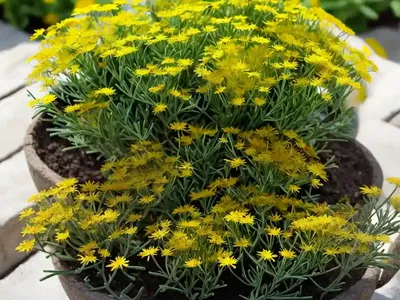
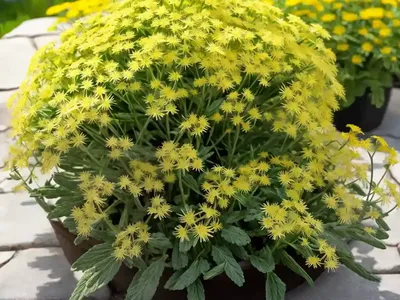
Beyond its practical uses, the Curry Plant is an attractive addition to gardens and landscapes. Its silvery foliage and small, yellow flowers impart visual interest, while the plant’s curry-like fragrance adds an aromatic dimension to outdoor spaces.
Water Requirements
When it comes to watering the Curry Plant, it is essential to maintain well-draining soil as this plant is prone to root rot in waterlogged conditions. While it is drought-tolerant once established, regular watering is crucial during the plant’s early growth stages and during periods of prolonged drought.
Allow the soil to dry out slightly between waterings, and ensure that excess water can freely drain away. Overwatering should be avoided, as it can lead to root rot and diminish the plant’s vigor.
Sunlight Needs
The Curry Plant thrives in full sun and requires at least 6-8 hours of direct sunlight per day for optimal growth and aromatic development. In regions with hot, intense summers, some partial shading during the hottest part of the day may benefit the plant, especially in containers.
Inadequate sunlight can lead to leggy growth and reduced aromatic intensity. As such, it is best to position the plant in a location that receives ample sunlight throughout the day.
Fertilization
In terms of fertilization, the Curry Plant prefers lean soils and does not require heavy feeding. Excessive nitrogen can result in lush foliage at the expense of aromatic potency, so moderate to low-nitrogen fertilizers are recommended.
A balanced, slow-release fertilizer applied in spring can provide the plant with the necessary nutrients for healthy growth. However, it is important to avoid over-fertilizing, as this can negatively impact the aromatic and culinary qualities of the plant.
Soil Requirements
The soil requirements for the Curry Plant are largely influenced by its Mediterranean origins. It thrives in well-draining soils with an alkaline to neutral pH. Sandy or rocky soils that mimic its native habitat are ideal for cultivating this plant.
Heavy clay soils should be amended with sand or gravel to enhance drainage and prevent waterlogging. Additionally, the use of raised beds or containers with well-draining potting mix can be advantageous, especially in regions with heavy or poorly-draining soils.
Pruning
Regular pruning is essential for maintaining the shape and vigor of the Curry Plant. Pruning helps to encourage new growth, prevent the plant from becoming woody, and promote the production of fresh, aromatic leaves.
When pruning the Curry Plant, it is advisable to trim back the stems and remove any spent flowers to encourage continuous growth and flowering. Additionally, regular harvesting of the leaves for culinary or aromatic use naturally promotes bushier growth and ensures a steady supply of fresh leaves.
Propagation
Propagating the Curry Plant can be achieved through cuttings or seeds. Taking stem cuttings in spring or early summer and rooting them in a well-draining potting mix is a reliable method of propagating this plant. Additionally, collecting and sowing the seeds in a suitable seed-starting mix can yield new plants for cultivation.
Container gardening is particularly popular for cultivating the Curry Plant, as it allows for greater control over soil conditions, especially in regions with colder climates. The plant’s compact growth habit also makes it an excellent candidate for container cultivation on patios, balconies, and in small gardens.
Common Diseases
The Curry Plant is susceptible to certain diseases, with root rot and powdery mildew being the most common issues. Proper cultural practices, such as maintaining well-draining soil, avoiding overwatering, and providing adequate air circulation, can help prevent these diseases from taking hold.
When cultivating the Curry Plant, it is important to monitor its growth and promptly address any signs of disease. Regularly inspecting the plant for symptoms such as wilting, discolored foliage, or powdery growth can aid in early disease diagnosis and treatment.
Common Pests
In addition to diseases, the Curry Plant may also attract certain pests, including spider mites and aphids. These pests can diminish the plant’s vigor and aromatic potency if left unaddressed. Regularly inspecting the plant for signs of pest infestations and employing appropriate pest control measures can help maintain the plant’s health and vitality.
Botanist’s Tips
- Position the Curry Plant in a sunny, well-drained location for optimal growth and aromatic development.
- Avoid overwatering to prevent the onset of root rot and other moisture-related issues.
- Prune the plant regularly to maintain its shape and promote the production of fresh, aromatic leaves.
- Propagate the Curry Plant through cuttings or seeds to expand your plant collection or share with fellow gardening enthusiasts.
Fun Facts
- The curry-like fragrance of the Curry Plant intensifies when its leaves are rubbed or crushed, releasing its aromatic oils.
- The essential oil of the Curry Plant is esteemed in aromatherapy for its calming and grounding properties.
- Despite its name and fragrance, the Curry Plant is not the source of curry powder, which is typically a blend of various spices.
Links to External Resources
For further information on the Curry Plant (Helichrysum italicum) and related topics, explore the following external resources:
- The Herb Society – Helichrysum italicum
- World Agroforestry – Helichrysum italicum
- RHS – Helichrysum italicum
In this comprehensive guide, we have explored the culture, uses, care, propagation, and other aspects of the Curry Plant (Helichrysum italicum). By understanding its origins and requirements, we can cultivate and appreciate this versatile herb in various settings, from the kitchen to the garden. Whether you’re drawn to its culinary uses, aromatic properties, or medicinal potential, the Curry Plant offers a multifaceted addition to any garden or landscape.