Curly Weeping Fig (Ficus Benjamina ‘Pandora’)
Plants are critical to life on Earth, and they come in an astonishing array of shapes, sizes, and varieties. One particularly enchanting plant is the Curly.
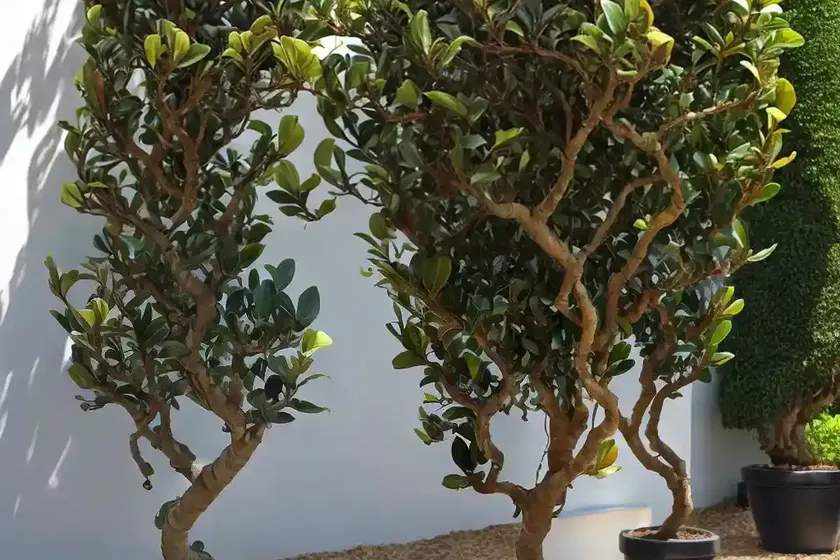
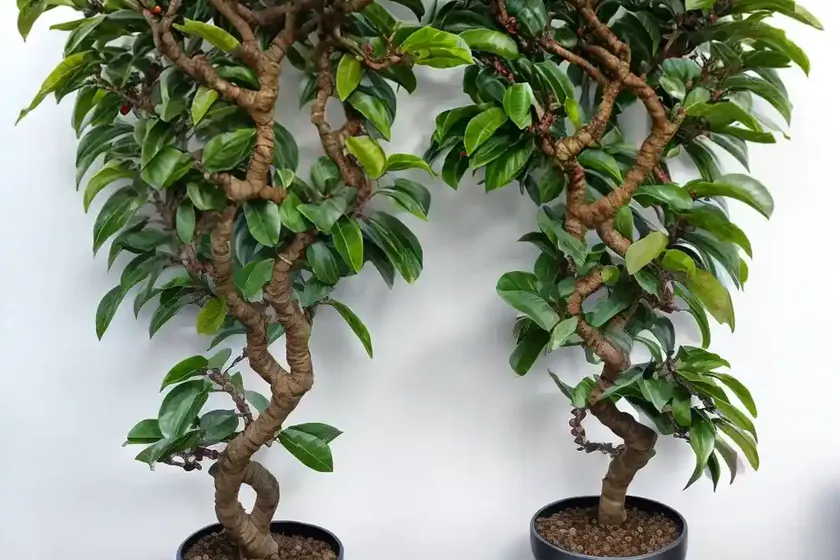
What is a Plant: Curly Weeping Fig (Ficus benjamina ‘Pandora’)?
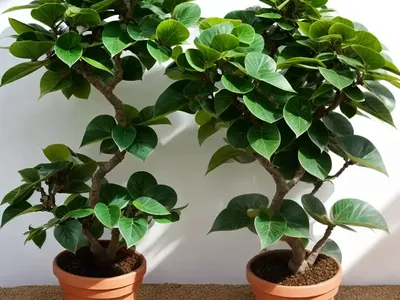
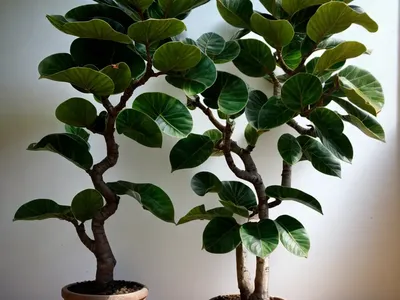
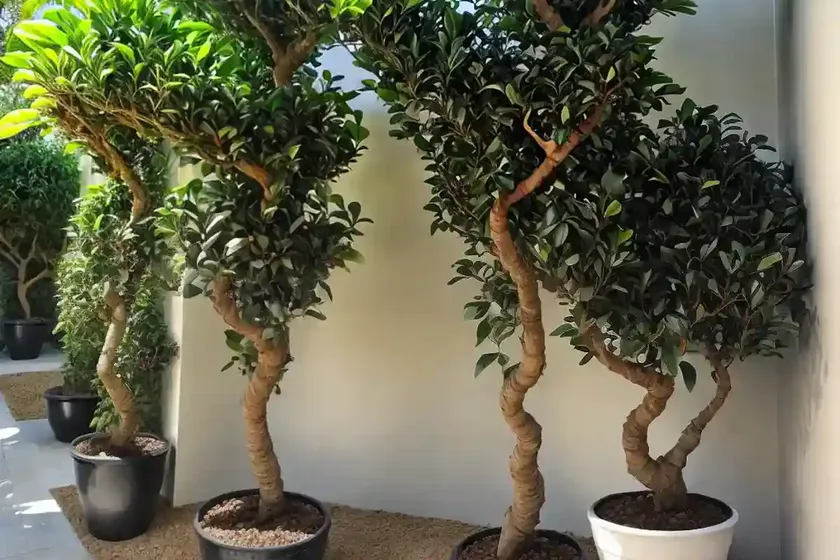
Plants are critical to life on Earth, and they come in an astonishing array of shapes, sizes, and varieties. One particularly enchanting plant is the Curly Weeping Fig, scientifically known as Ficus benjamina ‘Pandora.’ This beautiful ornamental plant belongs to the family Moraceae and is native to Asia and Australia.
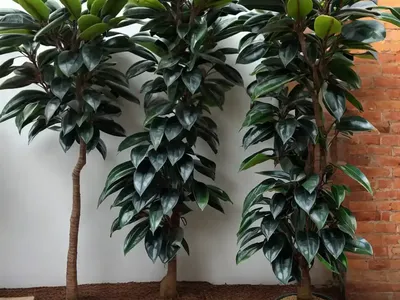
Ficus benjamina ‘Pandora’ is characterized by its gracefully drooping branches adorned with glossy, veined leaves that lend it a sophisticated appearance. It is a popular choice for indoor decoration and landscaping due to its elegant foliage and air-purifying properties.
Key Takeaways – Curly Weeping Fig (Ficus benjamina ‘Pandora’)
Before delving into the details of care and cultivation, here are some key takeaways about the Curly Weeping Fig:
- Scientific Name: Ficus benjamina ‘Pandora’
- Common Name: Curly Weeping Fig, Weeping Fig
- Plant Type: Evergreen tree
- Watering: Moderate
- Light: Bright, indirect light
- Soil: Well-draining, fertile soil
- Fertilization: Regular during the growing season
- Propagation: Stem cuttings
- Pruning: Regular to maintain shape
- Common Diseases: Leaf spots, rust, and leaf drop
- Common Pests: Spider mites and mealybugs
- Toxicity: Mildly toxic to pets
- Special Feature: Air-purifying properties
Now, let’s explore each aspect of caring for and growing the Curly Weeping Fig in-depth.
Culture
Uses
The Curly Weeping Fig serves a variety of purposes, making it an appealing choice for plant enthusiasts, decorators, and landscape architects. Some common uses of this plant include:
- Indoor Ornamental Plant: Adorn homes, offices, and public spaces with its graceful foliage.
- Landscaping: Use as a focal point in gardens, atriums, and large indoor spaces.
- Air Purification: Known for its ability to purify indoor air, making it a popular choice for indoor spaces.
Water
Proper watering is crucial for the health and vibrancy of the Curly Weeping Fig. As a general rule, it’s important to keep the soil consistently moist but not waterlogged. Here’s a guide to watering this plant effectively:
- Frequency: Water the plant when the top inch of the soil feels dry to the touch.
- Method: Thoroughly water the plant until water drains through the bottom of the pot, then discard any excess water to prevent waterlogging.
- Seasonal Variations: Adjust the watering frequency according to seasonal changes and the plant’s growth patterns.
Sunlight
The Curly Weeping Fig thrives in bright, indirect light. While it can tolerate some degree of shade, it’s important to provide adequate light for optimal growth. Here are some key considerations related to sunlight:
- Indoor Placement: Choose a spot near a window where the plant can receive bright, indirect light.
- Outdoor Placement: If grown outdoors, provide partial shade to protect the plant from direct sunlight during the hottest part of the day.
Fertilizer
Proper fertilization is essential for promoting healthy growth and vibrant foliage in the Curly Weeping Fig. When choosing a fertilizer, opt for a balanced, water-soluble fertilizer formulated for indoor plants. Here’s a basic guide to fertilizing this plant:
- Frequency: Fertilize the plant every 4-6 weeks during the growing season (spring and summer).
- Dilution: Follow the manufacturer’s recommendations for dilution, as over-fertilization can harm the plant.
Soil
The right soil composition is key to providing a healthy growing environment for the Curly Weeping Fig. Grow the plant in well-draining, fertile soil to ensure optimal growth and prevent waterlogged conditions. Consider the following soil recommendations:
- Potting Mix: Use a high-quality potting mix with excellent drainage properties.
- pH Level: Aim for a slightly acidic to neutral pH (around 6.0-7.0) for best results.
Pruning
Regular pruning is essential for maintaining the desired shape and size of the Curly Weeping Fig. Additionally, pruning helps remove dead or damaged foliage and encourages new growth. Here are some pruning tips for this plant:
- Tools: Use clean, sharp pruning shears to avoid damaging the branches.
- Frequency: Prune the plant as needed throughout the year to control its size and shape.
Propagation
Propagating the Curly Weeping Fig can be an exciting way to expand your plant collection or share this beautiful variety with others. Stem cuttings are commonly used for propagation. Here’s a brief guide to propagating the Ficus benjamina ‘Pandora’:
- Selecting Cuttings: Choose healthy stem cuttings with several leaves and a potential growth node.
- Rooting Medium: Place the cuttings in a well-draining rooting medium, such as perlite or a mix of peat and perlite.
- Establishing Roots: Keep the cuttings in a warm, humid environment and wait for roots to develop.
Container Popularity
The compact size and graceful appearance of the Curly Weeping Fig make it a popular choice for container gardening. Whether grown as a houseplant or placed in outdoor containers, this variety adds an elegant touch to any space.
Container Common Diseases
When grown in containers, the Curly Weeping Fig may be susceptible to certain diseases. Common container-related diseases include:
- Root Rot: Occurs due to overwatering or waterlogged soil.
- Leaf Spot: Fungal infections that cause dark spots on the leaves.
- Powdery Mildew: Fungal disease leading to a powdery white coating on the plant’s foliage.
Disease Diagnosis
If you notice any signs of disease in your Curly Weeping Fig, it’s crucial to diagnose the issue promptly. Common symptoms to watch for include leaf discoloration, wilting, and the presence of unusual spots or growths on the plant.
Common Pests
Like many indoor plants, the Curly Weeping Fig is vulnerable to certain pests that can affect its vitality. Here are some common pests to be mindful of:
- Spider Mites: These tiny pests can cause stippling and webbing on the plant’s leaves.
- Mealybugs: Soft-bodied insects that cluster on leaves and stems, feeding on the plant sap.
Botanist’s Tips
As a plant scientist with a passion for understanding and nurturing plant life, here are some additional tips for successfully caring for the Curly Weeping Fig:
- Monitor Humidity: Maintain adequate humidity levels, especially during the drier months, to promote optimal growth and prevent stress on the plant.
- Regular Inspection: Routinely inspect the plant for any signs of disease or pest infestations, taking prompt action if any issues are detected.
- Protect from Drafts: Shield the plant from cold drafts and sudden temperature fluctuations, as these can negatively impact its health.
Fun Facts
In addition to its captivating appearance and air-purifying qualities, the Curly Weeping Fig offers several interesting attributes that make it a delightful plant to cultivate:
- Symbolism: In some cultures, the Ficus genus is associated with prosperity, making it a popular choice for gift-giving.
- Longevity: With proper care, the Curly Weeping Fig can thrive for many years, becoming a cherished part of your indoor or outdoor space.
- Variegation Patterns: Some cultivars of Ficus benjamina ‘Pandora’ exhibit striking variegation, adding visual interest to their foliage.
Links to External Resources
For further information on caring for the Curly Weeping Fig and expanding your knowledge of this captivating plant, explore the following resources:
- The Best Fertilizers for Curly Weeping Fig
- How to Propagate Ficus benjamina ‘Pandora’
- Curly Weeping Fig Indoor Plant Care Guide
- Ficus benjamina ‘Pandora’ Pruning Tips and Techniques
- Growing Curly Weeping Fig Outdoors: Considerations and Tips
By incorporating these resources into your plant care routine, you can gain valuable insights and elevate your expertise in nurturing the Curly Weeping Fig.
In conclusion, the Curly Weeping Fig (Ficus benjamina ‘Pandora’) is a captivating plant that enchants with its elegant foliage and versatile uses. By providing the right cultural conditions, attentive care, and proactive pest and disease management, you can cultivate a thriving and visually stunning specimen of this beloved variety. As you embrace the art and science of plant care, may the graceful presence of the Curly Weeping Fig enrich your indoor and outdoor spaces with its timeless allure.
Keywords: Curly Weeping Fig care, Ficus benjamina ‘Pandora’ plant, The best fertilizers for Curly Weeping Fig, How to propagate Ficus benjamina ‘Pandora’, Curly Weeping Fig indoor plant, Ficus benjamina ‘Pandora’ pruning tips, Growing Curly Weeping Fig outdoors, Ficus benjamina ‘Pandora’ diseases and pests, Curly Weeping Fig watering guide, Ficus benjamina ‘Pandora’ light requirements, Curly Weeping Fig potting soil recommendations, Ficus benjamina ‘Pandora’ variegation patterns, Curly Weeping Fig plant care tips, Ficus benjamina ‘Pandora’ growth habits, Curly Weeping Fig propagation methods, Ficus benjamina ‘Pandora’ container gardening, Curly Weeping Fig pest control, Ficus benjamina ‘Pandora’ common problems, Curly Weeping Fig pruning techniques, Ficus benjamina ‘Pandora’ companion plants, Curly Weeping Fig soil moisture requirements, Ficus benjamina ‘Pandora’ winter care, Curly Weeping Fig sunlight needs, Ficus benjamina ‘Pandora’ root system, Curly Weeping Fig leaf pattern variations, Ficus benjamina ‘Pandora’ humidity preferences, Curly Weeping Fig leaf drop causes, Ficus benjamina ‘Pandora’ repotting guide, Curly Weeping Fig temperature tolerance, Ficus benjamina ‘Pandora’ leaf health indicators, Curly Weeping Fig indoor decoration ideas, Ficus benjamina ‘Pandora’ air purifying properties, Curly Weeping Fig growth stages, Ficus benjamina ‘Pandora’ water schedule, Curly Weeping Fig container size recommendations, Ficus benjamina ‘Pandora’ dormancy period, Curly Weeping Fig humidity control tips, Ficus benjamina ‘Pandora’ root rot prevention, Curly Weeping Fig plant height and spread, Ficus benjamina ‘Pandora’ leaf variegation types, Curly Weeping Fig light sensitivity, Ficus benjamina ‘Pandora’ leaf discoloration causes, Curly Weeping Fig air circulation needs, Ficus benjamina ‘Pandora’ leaf drop prevention, Curly Weeping Fig container gardening tips, Ficus benjamina ‘Pandora’ region-specific considerations, Curly Weeping Fig toxicity to pets, Ficus benjamina ‘Pandora’ best season for growth, Curly Weeping Fig leaf glossiness characteristics, Ficus benjamina ‘Pandora’ suitable companion plants