Cupressus Macrocarpa ‘Wilma’ (Monterey Cypress)
Cupressus macrocarpa ‘Wilma,’ commonly known as the Monterey Cypress ‘Wilma,’ is a striking evergreen conifer that has gained popularity in landscaping due.

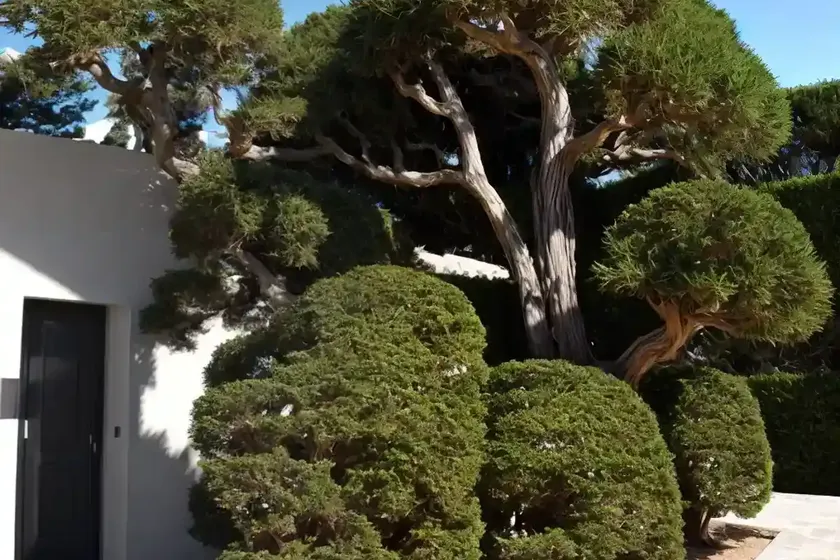
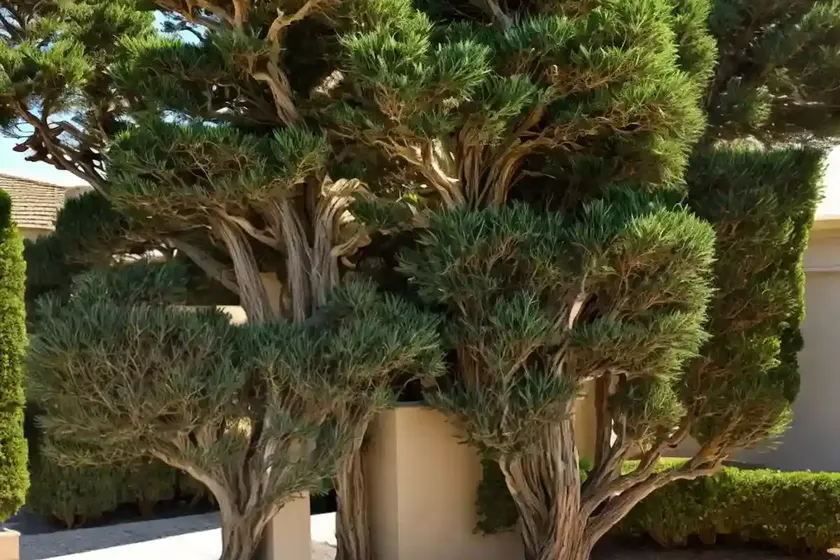
Cupressus macrocarpa ‘Wilma,’ commonly known as the Monterey Cypress ‘Wilma,’ is a striking evergreen conifer that has gained popularity in landscaping due to its striking foliage and ornamental value. Native to the Central Coast of California, this beautiful cypress adds a touch of elegance to gardens, parks, and coastal landscapes. In this comprehensive guide, we will delve into various aspects of the ‘Wilma’ Monterey Cypress, including its culture, uses, care requirements, common diseases, and much more.
What is Cupressus macrocarpa ‘Wilma’?
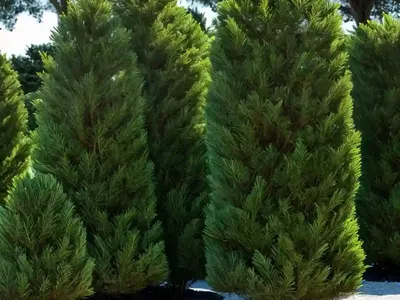
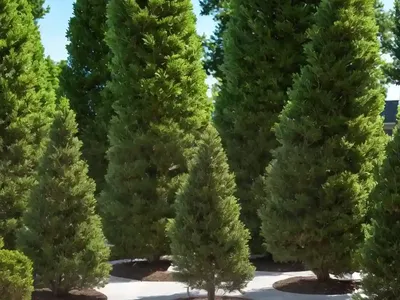
Cupressus macrocarpa ‘Wilma’ is a cultivar of the Monterey Cypress, which is a species of cypress endemic to the Central Coast of California. This cultivar is highly valued for its compact, columnar growth habit and vibrant golden foliage. Its slender form and aromatic foliage make it an excellent choice for use as a specimen plant, hedge, or windbreak.
Key Takeaways – Cupressus macrocarpa ‘Wilma’ (Monterey Cypress)
Before we delve deeper into the various aspects of caring for Cupressus macrocarpa ‘Wilma,’ let’s review some key takeaways about this beautiful plant:
- Scientific Name: Cupressus macrocarpa ‘Wilma’
- Common Name: Monterey Cypress ‘Wilma’
- Growth Habit: Compact and columnar
- Foliage Color: Vibrant golden-green
- Uses: Specimen plant, hedge, windbreak
- Native Habitat: Central Coast of California
Now that we have an overview, let’s explore the finer details of caring for the Cupressus macrocarpa ‘Wilma,’ including its culture, uses, and maintenance requirements.
Culture
The successful cultivation of Cupressus macrocarpa ‘Wilma’ primarily depends on understanding its cultural requirements, including water, sunlight, soil, and fertilizer needs. By providing the ideal growing conditions, you can ensure the health and vitality of this stunning cypress cultivar.
Water
Proper watering is essential for the health and vigor of Cupressus macrocarpa ‘Wilma.’ While this cultivar exhibits a good tolerance to drought once established, it is crucial to provide regular irrigation, especially during the establishment phase.
- Water Requirements:
- Regular watering during the first few years after planting
- Once established, ‘Wilma’ Cypress is moderately drought-tolerant
- Deep, infrequent watering to encourage deep root growth
Sunlight
Monterey Cypress ‘Wilma’ thrives in full sun to partial shade. When selecting a planting location, ensure that it receives an adequate amount of sunlight to maintain its vibrant foliage color and overall health.
- Sunlight Needs:
- Full sun to partial shade
- Ideally, 6-8 hours of direct sunlight per day
- Ensure adequate air circulation to prevent issues with foliar diseases
Fertilizer
While Cupressus macrocarpa ‘Wilma’ is not particularly demanding when it comes to fertilization, providing a balanced fertilizer during the growing season can promote healthy growth and vibrant foliage.
- Fertilizer Recommendations:
- Use a balanced, slow-release fertilizer in spring
- Avoid excessive nitrogen to prevent overly lush growth
- Follow manufacturer’s recommendations for application rates
Soil
The soil requirements for ‘Wilma’ Cypress are relatively adaptable, but it thrives in well-draining soils. If you are planting in heavy clay or poorly-draining soil, consider amending the planting area to ensure proper drainage.
- Soil Preferences:
- Well-draining, loamy soil
- Maintain slightly acidic to neutral soil pH
- Consider amending heavy clay soils with organic matter
Pruning
Pruning is an essential aspect of maintaining the desired shape and size of Cupressus macrocarpa ‘Wilma.’ Regular pruning can promote a dense and compact growth habit while removing any dead or damaged branches.
- Pruning Tips:
- Prune in late winter to early spring
- Avoid heavy pruning of mature wood
- Remove any dead or diseased branches promptly
Propagation
If you are interested in propagating Cupressus macrocarpa ‘Wilma,’ several methods can be employed, including semi-hardwood cuttings and propagation from seeds. While propagation from seeds is possible, it is essential to note that ‘Wilma’ Cypress is primarily propagated through vegetative means to maintain its desirable traits.
- Propagation Techniques:
- Semi-hardwood cuttings in late summer
- Rooting hormone application to enhance success rates
- Propagation from seeds is possible but less common due to variability in traits
Container Popularity
While Cupressus macrocarpa ‘Wilma’ is commonly planted in the ground for landscaping purposes, it is also well-suited for container cultivation. Its compact growth habit and striking foliage make it a popular choice for adding a touch of elegance to patios, decks, and outdoor living spaces.
- Container Considerations:
- Select a large container to accommodate its root system
- Ensure adequate drainage holes at the base of the container
- Use a well-draining potting mix formulated for woody ornamentals
Common Diseases
While ‘Wilma’ Cypress is generally resilient, it can be susceptible to certain diseases, particularly those associated with poor air circulation and overly wet conditions. Being aware of common diseases and their symptoms is crucial for timely intervention and management.
Disease Diagnosis
Understanding the symptoms and signs of common diseases affecting Cupressus macrocarpa ‘Wilma’ is essential for accurate diagnosis and targeted treatment.
- Common Diseases:
- Cypress Canker: Characterized by oozing cankers on the trunk and branches
- Root Rot: Exhibits wilting, yellowing foliage and overall decline
- Seiridium Canker: Causes dieback of branch tips and resinous cankers
- Phytophthora Root Rot: Results in root decay and foliar symptoms
Common Pests
While ‘Wilma’ Cypress is relatively resistant to pests, occasional pest issues may arise. Being vigilant and proactive in pest management can help maintain the plant’s health and vigor.
Pest Control
Identifying common pests and implementing appropriate control measures is crucial for preventing significant damage to Cupressus macrocarpa ‘Wilma.’
- Common Pests:
- Cypress Aphid (Cinara cupressi): Causes needle yellowing and honeydew secretion
- Cypress Bark Beetle (Phloeosinus spp.): Results in bark damage and dieback
- Spider Mites: May cause stippling and webbing on foliage
- Scale Insects: Exhibits scale covers on branches and stems
Botanist’s Tips
As a botanist, here are some additional tips and recommendations for the successful cultivation of Cupressus macrocarpa ‘Wilma’:
- Regular Monitoring: Periodically inspect the plant for signs of diseases, pests, or nutrient deficiencies.
- Mulching: Apply a layer of organic mulch around the base of the plant to conserve soil moisture and suppress weed growth.
- Pruning Best Practices: Use clean, sharp pruning tools to make precise cuts and minimize the risk of disease transmission.
Fun Facts
- The Monterey Cypress ‘Wilma’ is named for its striking golden foliage, which adds a bright accent to the landscape.
- Cupressus macrocarpa ‘Wilma’ is known for its tolerance to coastal conditions, making it an excellent choice for seaside gardens.
- In its native habitat, the Monterey Cypress is a part of the unique coastal ecosystem and provides important habitat for wildlife.
Now that we have explored various aspects of Cupressus macrocarpa ‘Wilma,’ from its cultural requirements to common diseases and pests, let’s delve into additional resources and external links for further information.
Links to External Resources
- Monterey Cypress ‘Wilma’ for Sale
- Cupressus macrocarpa ‘Wilma’ Care Guide
- How to Grow Cupressus macrocarpa ‘Wilma’
- Cupressus macrocarpa ‘Wilma’ Propagation Techniques
- Monterey Cypress ‘Wilma’ Pruning Tips
In conclusion, Cupressus macrocarpa ‘Wilma’ (Monterey Cypress) is a stunning ornamental plant that adds beauty and elegance to a variety of landscape settings. By understanding its cultural requirements, maintenance needs, and potential issues, you can cultivate and appreciate this exceptional cypress cultivar in your garden or outdoor space.
Remember to provide the ideal growing conditions, monitor for diseases and pests, and enjoy the beauty of Cupressus macrocarpa ‘Wilma’ for years to come!